
Curious about the weight of a barbell at the gym? The most common type, the Olympic barbell, typically weighs 45 pounds (20 kilograms). However, variations exist for different types of bars and specific gym equipment. This guide will help you navigate the world of barbell weights and other essential gym equipment weights.
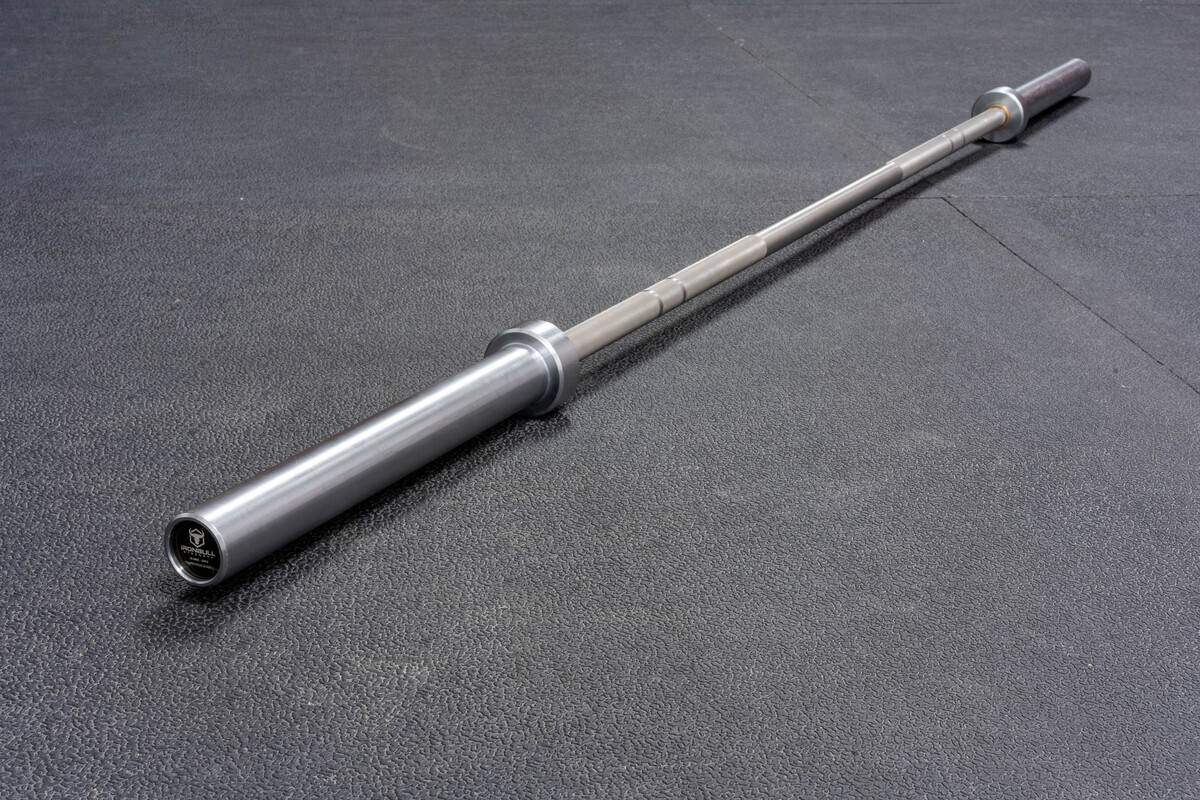
Image Source: ironbullstrength.com
Deciphering Barbell Weights: The Foundation of Your Lifts
When you walk into a gym, you’ll see a variety of barbells. Each serves a different purpose and comes with its own standard weight. Knowing these weights is crucial for proper training, setting realistic goals, and safely progressing with your lifts. This isn’t just about vanity; it’s about building a solid foundation for strength and performance.
The Standard Barbell Weight: What to Expect
The term “standard barbell” can sometimes be a bit ambiguous, but generally, it refers to the most common type of barbell found in most gyms.
Olympic Barbells: The Gym Standard
- Olympic barbells are the workhorses of the strength training world. They are designed to accommodate Olympic weightlifting plates, which have larger center holes than standard plates.
- Weight: A men’s Olympic barbell weighs 45 pounds (20 kilograms).
- Length: These bars are typically 7 feet (2.2 meters) long.
- Grip Diameter: The grip diameter for men’s Olympic bars is usually 28-29 millimeters.
- Sleeve Diameter: The sleeves where you load the weight plates are 2 inches (50 millimeters) in diameter, allowing for Olympic weightlifting plates.
- Women’s Olympic Barbells: For women, Olympic barbells are slightly lighter and shorter, usually weighing 35 pounds (15 kilograms). They have a grip diameter of 25 millimeters and are typically 6 feet 7 inches (2 meters) long.
Standard Barbells (often called “Olympic Style” or “Calibrated” in some contexts):
While less common in modern, well-equipped gyms, some older or less specialized facilities might have what’s referred to as a “standard” barbell. These often have sleeves that are 1 inch in diameter, meant for standard weight plates.
- Weight: A standard barbell bar typically weighs 20 pounds (9 kilograms).
- Sleeve Diameter: These have 1-inch diameter sleeves.
- Length: They are often shorter than Olympic barbells, usually around 5-6 feet long.
It’s important to note that most gyms today primarily use Olympic barbells due to their durability, weight capacity, and compatibility with the vast array of Olympic weightlifting plates available.
How Much Does a Workout Bar Weigh? Exploring Variations
Beyond the ubiquitous Olympic barbell, various specialized bars exist for specific exercises. Knowing how much each workout bar weighs helps you adjust your training and understand the true load you’re lifting.
The EZ Curl Bar Weight: Targeting Your Arms
The EZ curl bar, or EZ bar, is a popular piece of gym equipment designed for bicep curls and triceps extensions. Its distinctive bent shape helps reduce stress on the wrists and elbows, allowing for a more comfortable grip and potentially better muscle isolation.
- Weight: An EZ curl bar typically weighs between 15 to 25 pounds (7 to 11 kilograms). The most common weight for a standard EZ curl bar is 25 pounds (11 kilograms).
- Design: The angled sleeves allow for a more natural grip position compared to a straight barbell.
- Sleeve Diameter: EZ curl bars usually have sleeves designed for standard weight plates (1-inch diameter), though some Olympic-style EZ curl bars also exist.
The Hex Bar Weight: For Deadlifts and More
The hex bar, also known as a trap bar, is a hexagonal-shaped bar that you stand inside of to perform exercises like deadlifts and shrugs. Its design allows for a more upright posture and can be more forgiving on the lower back for some individuals.
- Weight: A hex bar typically weighs between 30 to 45 pounds (14 to 20 kilograms). A common weight for a standard hex bar is 40 pounds (18 kilograms).
- Design: The hexagonal shape allows for easier entry and exit from the bar, and the raised handles can offer a different grip and range of motion.
- Weightlifting Plates: Hex bars usually accommodate Olympic weight plates on their sleeves.
Barbell Weight Chart: A Quick Reference
To make things easier, here’s a quick reference chart summarizing common barbell weights:
| Type of Barbell | Typical Weight (Pounds) | Typical Weight (Kilograms) | Notes |
|---|---|---|---|
| Men’s Olympic Barbell | 45 | 20 | Standard for most gym lifts. |
| Women’s Olympic Barbell | 35 | 15 | Shorter and lighter than men’s Olympic bar. |
| Standard Barbell | 20 | 9 | Less common, 1-inch sleeves. |
| EZ Curl Bar | 15 – 25 | 7 – 11 | Common weight is 25 lbs. |
| Hex Bar (Trap Bar) | 30 – 45 | 14 – 20 | Common weight is 40 lbs. |
The Barbell Bar Weight: Just the Bar Itself
It’s important to differentiate between the total weight of a loaded barbell and the weight of the bar itself. When you’re starting out or looking to accurately track your progress, knowing the barbell bar weight is essential.
- Olympic Barbell Bar Weight: As mentioned, men’s Olympic bars are 45 lbs (20 kg), and women’s are 35 lbs (15 kg). These are the most common weights you’ll encounter.
- Specialty Barbell Bar Weights: Bars like the EZ curl bar or hex bar will have their own specific bar weights, as listed above.
Weightlifting Plates: Building Your Load
Once you know the weight of the bar, you need to add weight plates. Understanding the weight of these plates is the next step in accurately calculating your total lift.
Olympic Weightlifting Plates
Olympic plates are designed to fit the 2-inch sleeves of Olympic barbells. They come in various weights and are color-coded for easy identification in many gyms.
-
Color Coding (Common Standards):
- Red: 55 lbs (25 kg)
- Blue: 45 lbs (20 kg)
- Yellow: 35 lbs (15 kg)
- Green: 25 lbs (10 kg)
- Black: 10 lbs (5 kg)
- White: 5 lbs (2.5 kg)
- Red (smaller): 2.5 lbs (1.25 kg)
- Blue (smaller): 1.25 lbs (0.5 kg)
- Yellow (smaller): 0.75 lbs (0.25 kg)
-
Material: Olympic plates are often made of rubber-coated iron or steel to protect the floor and the plates themselves, and to reduce noise. Calibrated plates, used in powerlifting competitions, have precise weight markings and are often made of steel.
Standard Weight Plates
Standard plates, designed for 1-inch sleeves (found on standard barbells and many EZ curl bars), are generally smaller and often made of cast iron or coated in rubber.
- Weights: They come in similar increments: 2.5 lbs, 5 lbs, 10 lbs, 25 lbs, and sometimes larger ones like 35 lbs or 45 lbs. However, 45 lb standard plates are less common than Olympic 45 lb plates.
Gym Equipment Weights: More Than Just Barbells
While barbells are central to many gym routines, other gym equipment weights are also important to be aware of.
Dumbbell Weight
Dumbbells are a staple in any gym. They are typically sold in pairs and come in a wide range of weights, from as light as 1 lb to over 100 lbs.
- Material: Dumbbells can be made of cast iron, chrome, or be rubber-coated.
- Weight Increments: They usually increase in 2.5 lb or 5 lb increments.
- Fixed vs. Adjustable: Fixed dumbbells are solid units, while adjustable dumbbells have a bar and weight plates that can be added or removed. The weight of the adjustable dumbbell bar itself varies but is typically around 5-10 lbs.
Kettlebell Weight
Kettlebells are cast iron weights with a handle. They are versatile for dynamic movements like swings, snatches, and cleans.
- Weight: Kettlebells are typically available in 4 kg (9 lb), 8 kg (18 lb), 12 kg (26 lb), 16 kg (35 lb), 20 kg (44 lb), 24 kg (53 lb), 28 kg (62 lb), 32 kg (70 lb), and 36 kg (79 lb) increments.
Weight Machines
Weight machines are designed with built-in weight stacks. The weight you lift is determined by selecting a pin in the stack.
- Weight Stack Increments: Each plate in a weight stack typically weighs between 5 and 10 lbs (2.5 to 5 kg), with increments of 5 lbs being common. The total weight of the stack can range from 100 lbs to over 300 lbs.
Fathoming Your Total Lift: The Sum of the Parts
To know exactly how much you’re lifting, you need to add the weight of the barbell (or dumbbell/kettlebell) to the weight of the plates you’ve loaded.
Total Lift = Weight of Barbell + Weight of Plates Loaded
- Example: If you’re using a men’s Olympic barbell (45 lbs) and have loaded two 45 lb plates on each side, your total lift is:
45 lbs (bar) + 2 * 45 lbs (left side) + 2 * 45 lbs (right side) = 45 lbs + 90 lbs + 90 lbs = 225 lbs
Frequently Asked Questions (FAQ)
Q1: What is the standard barbell weight at most gyms?
A1: The standard barbell weight at most gyms is the men’s Olympic barbell, which weighs 45 pounds (20 kilograms).
Q2: Can I assume all barbells weigh the same?
A2: No, while the men’s Olympic barbell is the most common standard, there are variations like women’s Olympic barbells, EZ curl bars, and hex bars, all of which have different weights.
Q3: How do I know the weight of the plates I’m using?
A3: Olympic weightlifting plates are often color-coded and usually have their weight clearly marked. Standard plates will also have their weight indicated.
Q4: Is it important to know the exact weight of the barbell?
A4: Yes, it’s very important for tracking your progress accurately, setting appropriate weight goals, and ensuring you’re safely challenging yourself.
Q5: Where can I find a barbell weight chart?
A5: You can often find barbell weight charts online, in fitness guides, or sometimes posted in gyms. The table in this guide also serves as a helpful reference.
By familiarizing yourself with these different barbell weights and the weights of common gym equipment, you can train smarter, lift safer, and achieve your fitness goals more effectively.