
The average fitness instructor salary in the United States can range from $25,000 to $60,000 per year, with many earning between $35,000 and $45,000 annually. This figure, however, is a broad generalization, and the actual income a fitness professional earns depends on a multitude of factors. This in-depth exploration will delve into the various aspects that influence a fitness instructor’s pay, covering different roles, experience levels, and income streams.
The world of fitness instruction is diverse, encompassing everything from guiding a high-energy group class to providing one-on-one support as a personal trainer. Each path offers a different earning potential. Your income as a fitness professional isn’t a single number; it’s a dynamic figure shaped by your skills, location, and how you choose to work.
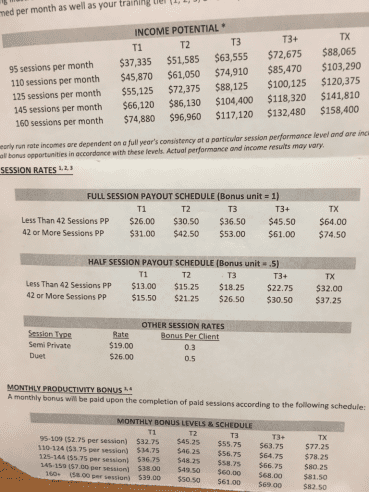
Image Source: cdn-cbpon.nitrocdn.com
Deciphering the Factors Influencing Fitness Instructor Pay
Several key elements contribute to the salary of a fitness instructor. These aren’t just about how many hours you work, but also about the value you bring and the environment in which you operate.
Experience Level and Skill Specialization
Beginner fitness instructors often start with lower pay. As you gain more experience, build a client base, and perhaps acquire specialized certifications, your earning potential increases significantly.
- Entry-Level Instructors: Those new to the field may start at hourly rates or a base salary. Their primary focus is on learning and gaining practical experience.
- Mid-Level Instructors: With a few years of experience, a good reputation, and perhaps a couple of specialized certifications (e.g., TRX, pre-natal fitness), instructors can command higher rates.
- Senior/Master Instructors: Highly experienced professionals, often with advanced degrees, numerous certifications, and a strong client following, can earn the most. They might also move into management or training other instructors.
Specialization is also crucial. A yoga instructor with a deep understanding of anatomy and therapeutic approaches might earn more than a general yoga teacher. Similarly, a pilates instructor specializing in rehabilitation can command premium rates.
Location, Location, Location
The cost of living and the demand for fitness services vary greatly by region. Major metropolitan areas with a higher cost of living often offer higher personal trainer salary figures, but this is often offset by higher expenses.
- High-Demand Cities: Cities like New York, Los Angeles, San Francisco, and Chicago typically have higher hourly rates and annual salaries for fitness professionals due to greater demand and a higher cost of living.
- Smaller Towns and Rural Areas: While the cost of living may be lower, the demand for specialized fitness services might also be less, leading to potentially lower gym instructor wages. However, in some smaller communities, a highly skilled instructor might become indispensable and command good rates.
Employment Setting
Where you work significantly impacts your income. Different settings have different pay structures and opportunities for advancement.
Gym Instructor Wages and Personal Trainer Salary at Fitness Facilities
Many fitness instructors find employment at gyms and fitness centers, ranging from large commercial chains to boutique studios.
- Commercial Gyms: These often offer a base salary or hourly wage plus commission on personal training sessions or memberships sold. The average fitness trainer pay here can be moderate, with potential for bonuses.
- Boutique Studios (Yoga, Pilates, CrossFit, etc.): These studios may offer a higher per-class rate but often have fewer guaranteed hours. The yoga instructor earnings or pilates instructor salary in these settings can be competitive, especially if the studio is popular and has a consistent client base.
- Health Clubs: Similar to commercial gyms, health clubs often provide a blend of base pay and performance-based incentives.
Corporate Fitness Manager Pay
Companies increasingly recognize the importance of employee wellness. This has created opportunities for corporate fitness managers. These roles often involve overseeing on-site fitness facilities, developing wellness programs, and managing fitness staff. The pay for these positions is generally higher than for a typical gym instructor, reflecting the added responsibility and management duties.
Fitness Studio Owner Income
Owning your own fitness studio or freelance fitness trainer business offers the greatest potential for income but also carries the most risk and responsibility. A fitness studio owner income can be very lucrative if the business is well-managed and attracts a loyal clientele. However, it requires skills beyond just fitness instruction, including marketing, business management, and financial planning.
- Pros of Studio Ownership:
- Higher earning potential.
- Full control over brand, services, and pricing.
- Ability to create a unique fitness community.
- Cons of Studio Ownership:
- Significant upfront investment.
- Responsibility for all aspects of the business.
- Income can be volatile, especially in the early stages.
Freelance Fitness Trainer Earnings
Many fitness professionals choose to work as freelancers, contracting their services to various gyms, studios, or directly with clients. Freelance fitness trainer earnings can be highly variable but offer flexibility. They set their own rates and hours.
- Setting Rates: Freelancers need to factor in not just their time but also insurance, marketing costs, continuing education, and self-employment taxes.
- Client Acquisition: Building a strong client base is essential for consistent income. This often involves networking, online marketing, and word-of-mouth referrals.
- Multiple Income Streams: Freelancers often diversify by offering online training, workshops, and selling fitness-related products.
Group Fitness Instructor Rates vs. One-on-One Training
The way you deliver your fitness services also impacts your earnings.
- Group Fitness: Group fitness instructor rates are typically per class. While a single class might not pay a high hourly wage, teaching multiple classes per week can add up. The appeal is the ability to reach many clients at once.
- One-on-One Personal Training: Personal trainer salary figures are often higher per hour when working with individual clients. This allows for more personalized attention and tailored programs, which clients are willing to pay a premium for. The fitness coach income from one-on-one sessions can be a significant portion of a trainer’s earnings.
Certifications and Education
While not always a direct salary determinant, certifications and further education can significantly boost your credibility and earning potential.
- Nationally Accredited Certifications: Holding certifications from reputable organizations (e.g., ACE, NASM, ACSM, NSCA) is often a requirement for employment and can make you more attractive to clients and employers.
- Specialized Certifications: Certifications in areas like corrective exercise, sports nutrition, pre-natal/post-natal fitness, or specific training modalities (e.g., Kettlebell, Animal Flow) can allow you to charge higher rates or attract niche clientele.
- Continuing Education Units (CEUs): Staying current with industry trends and obtaining advanced certifications demonstrates commitment and expertise, justifying higher pay.
- Degrees: While not always necessary, degrees in kinesiology, exercise science, or related fields can open doors to higher-paying roles, especially in corporate or clinical settings.
Client Base and Retention
For personal trainers and freelance coaches, a strong, loyal client base is the bedrock of a stable income.
- Client Retention: Keeping clients coming back requires consistent results, excellent communication, and building rapport. Retained clients provide a predictable revenue stream.
- Client Volume: The more clients you can effectively train, the higher your overall income. This might involve managing a schedule of one-on-one sessions, leading multiple group classes, or a combination of both.
- Client Investment: Clients who invest in longer-term training packages or premium services will contribute more to your income than those who opt for single sessions.
Typical Earnings for Different Fitness Roles
Let’s break down the average fitness trainer pay and other related roles with more specific figures. Keep in mind these are averages and can fluctuate significantly.
Personal Trainer Salary Breakdown
The personal trainer salary is one of the most sought-after income figures in the fitness industry.
- Hourly Rate: Entry-level personal trainers might earn $15-$30 per hour. Experienced trainers can charge $50-$100+ per hour, with some specialists in high-demand areas reaching $150-$200+ per hour.
- Annual Salary (Employed): When employed by a gym, a personal trainer might earn a base salary between $25,000 and $40,000, with the potential to earn an additional $10,000-$30,000+ in commissions and bonuses.
- Annual Income (Freelance): A successful freelance personal trainer, working 20-30 client hours per week at an average rate of $70 per hour, could potentially earn $70,000-$100,000+ annually, before expenses.
Gym Instructor Wages
Gym instructor wages are typically hourly and may be lower than personal training rates, as their role is often more about facility supervision and basic client assistance.
- Hourly Rate: Typically $10-$25 per hour.
- Annual Salary: Can range from $20,000 to $35,000 if employed full-time, often including benefits.
Group Fitness Instructor Rates
Group fitness instructor rates are usually per class.
- Per-Class Rate: Can range from $20 to $60+ per class, depending on the studio, location, and instructor’s reputation.
- Annual Income: An instructor teaching 10-15 classes per week at an average of $40 per class could earn $20,800 to $31,200 annually, not including any other income streams.
Yoga Instructor Earnings
Yoga instructor earnings can be quite varied.
- Per-Class Rate: Similar to group fitness, typically $20-$50 per class.
- Private Sessions: A yoga instructor salary for private sessions can range from $50-$150 per hour.
- Annual Income: A full-time yoga instructor with a consistent class schedule and private clients could potentially earn $40,000-$70,000+.
Pilates Instructor Salary
The pilates instructor salary is often competitive, especially for those with specialized training and experience on apparatus like the Reformer.
- Per-Class/Session Rate: Studio classes might pay $20-$50 per class. Private sessions can range from $60-$150 per hour.
- Apparatus Training: Instructors certified on Pilates apparatus often command higher rates than mat-based instructors.
- Annual Income: Similar to yoga instructors, dedicated Pilates instructors can earn $40,000-$70,000+ annually.
Corporate Fitness Manager Pay
The corporate fitness manager pay reflects a higher level of responsibility.
- Annual Salary: Typically ranges from $50,000 to $80,000+, with potential for bonuses based on program success and employee participation.
Fitness Studio Owner Income
Fitness studio owner income is the most variable.
- Break-Even: Many studios take several years to become profitable.
- Profitability: A successful studio owner in a good location, with a strong brand and efficient operations, could earn anywhere from $50,000 to $200,000+ annually, after all expenses and owner’s salary.
Freelance Fitness Trainer Earnings
Freelance fitness trainer earnings are determined by their ability to market, retain clients, and manage their business.
- Potential: As mentioned, a successful freelance trainer can earn significantly more than an employed one, often in the $50,000-$100,000+ range annually, but this requires considerable effort in business development.
Strategies to Maximize Your Fitness Instructor Income
To increase your fitness coach income and overall earnings, consider these strategies:
1. Invest in Advanced Certifications and Specializations
- Become an expert in a niche area (e.g., sports performance, senior fitness, rehabilitation, pre/post-natal).
- Pursue advanced certifications from recognized bodies.
- This allows you to target specific client needs and justify premium pricing.
2. Build a Strong Personal Brand and Online Presence
- Develop a professional website and active social media profiles.
- Share valuable content (tips, workouts, healthy recipes) to establish expertise and attract clients.
- Use testimonials from satisfied clients.
3. Offer Diverse Services and Packages
- Don’t limit yourself to one-on-one training. Offer small group training, online coaching, workshops, and specialized programs.
- Create tiered package deals that encourage clients to commit to longer training periods.
- Consider selling fitness-related products (e.g., resistance bands, water bottles, apparel).
4. Master Sales and Marketing Skills
- Learn how to effectively communicate your value proposition.
- Develop strategies for client acquisition and retention.
- Understand how to upsell and cross-sell services.
5. Network Within the Fitness Industry
- Attend industry conferences and workshops.
- Build relationships with other fitness professionals, chiropractors, physical therapists, and healthcare providers who can refer clients.
6. Negotiate Your Rates and Contracts
- Don’t be afraid to ask for what you’re worth, especially as your experience and demand grow.
- If employed by a gym, understand their commission structure and look for opportunities to maximize your earnings through sales incentives.
7. Consider the Business Aspect of Fitness
- If you’re serious about maximizing income, explore starting your own fitness studio owner income venture or becoming a highly successful freelance fitness trainer. This requires business acumen, but the rewards can be substantial.
Frequently Asked Questions (FAQ)
Q1: What is the highest salary a fitness instructor can earn?
A1: The highest salaries are typically earned by highly experienced personal trainers or fitness coaches who specialize in niche areas, have a strong client base, or own successful businesses. These individuals can earn well over $100,000 annually. Corporate fitness manager pay can also be quite high.
Q2: Can a fitness instructor make a full-time living?
A2: Yes, absolutely. While entry-level positions might be part-time, many fitness instructors build successful careers by working full-time hours, either employed by a facility or as independent contractors. A solid client base and diverse service offerings are key to earning a full-time living.
Q3: How does location affect a fitness instructor’s salary?
A3: Location significantly impacts earnings. Instructors in major metropolitan areas with a high cost of living and high demand generally earn more than those in smaller towns or rural areas. However, expenses are also higher in these areas.
Q4: Is it better to be a salaried fitness instructor or freelance?
A4: It depends on your personality and goals. Salaried positions often provide more stability and benefits but might have lower earning caps. Freelancing offers greater earning potential and flexibility but requires more self-discipline, marketing, and financial management. Freelance fitness trainer earnings can be higher but are less predictable.
Q5: What are the typical benefits for a gym instructor?
A5: Benefits vary by employer. Salaried gym instructors may receive health insurance, paid time off, retirement plans, and discounts on services or merchandise. Freelance instructors typically do not receive traditional benefits and must provide their own.
Q6: How important are certifications for a fitness instructor’s salary?
A6: Certifications are crucial for credibility and often a prerequisite for employment. While they don’t always directly dictate a higher starting salary, specialized certifications and advanced education can lead to better opportunities and the ability to charge higher rates, thus increasing overall fitness instructor salary.
Q7: What’s the difference in pay between group fitness and personal training?
A7: Generally, personal trainer salary figures per hour are higher than group fitness instructor rates per class. However, a group fitness instructor can earn a good income by teaching multiple classes per week, while a personal trainer’s income is directly tied to their ability to attract and retain one-on-one clients.
In conclusion, the earning potential for fitness instructors is diverse and dynamic. By focusing on specialization, continuous learning, excellent client service, and smart business practices, fitness professionals can build rewarding and financially stable careers in this growing industry. Whether you’re aiming for a stable personal trainer salary at a gym, seeking competitive yoga instructor earnings, or envisioning a lucrative fitness studio owner income, the path to success involves dedication and strategic planning.