
How Long To Avoid Exercise Before PSA Test: Crucial Advice
Can you exercise before a PSA test? Generally, it is recommended to avoid strenuous exercise for 24 to 48 hours before your PSA test. This is a key piece of pre-PSA test preparation to ensure accurate results.
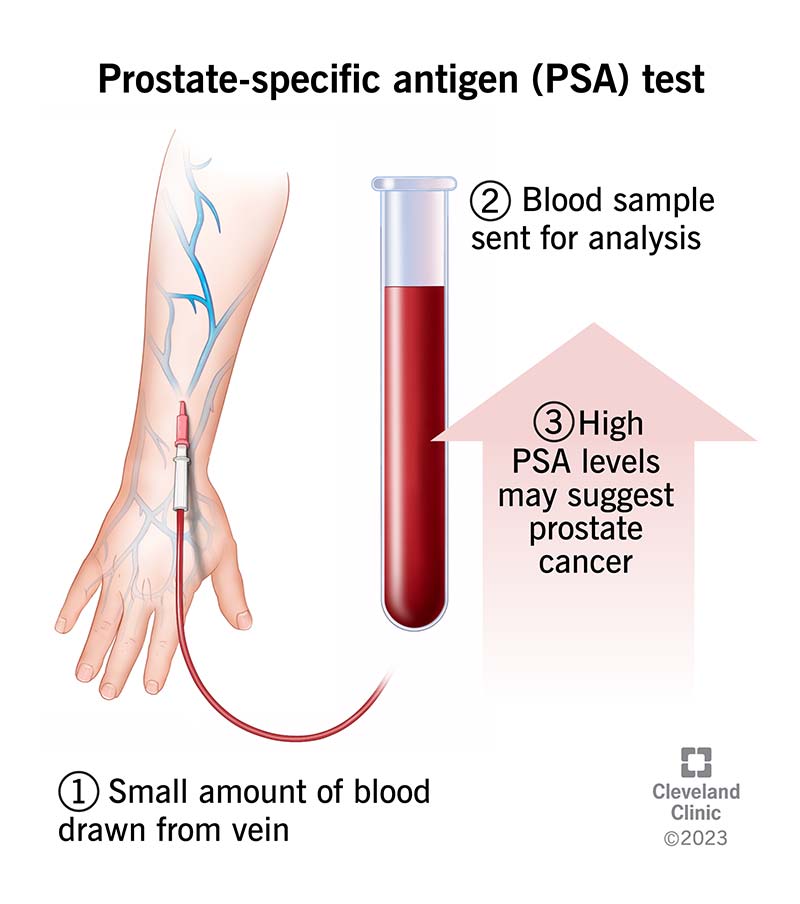
The prostate-specific antigen (PSA) test is a blood test that measures the amount of PSA in a man’s blood. PSA is a protein produced by both normal and cancerous cells in the prostate gland. While PSA levels can be an indicator of prostate health, including the presence of prostate cancer, it’s vital to have accurate readings. Elevated PSA levels can occur for various reasons, and factors like recent physical activity can influence these numbers. This blog post delves into how long you should avoid exercise before a PSA test, offering crucial advice to help you achieve reliable results.
Image Source: my.clevelandclinic.org
Why Exercise Can Affect PSA Levels
Exercise PSA levels can indeed be impacted by physical activity. During and after exercise, especially vigorous or prolonged activity, there can be a temporary increase in PSA levels in the blood. This phenomenon is attributed to several potential mechanisms:
- Prostate Massage Effect: Intense physical activity, particularly activities that involve jarring or pressure on the perineum (the area between the scrotum and anus), can effectively “massage” the prostate gland. This massage can lead to the release of PSA from the prostate cells into the bloodstream.
- Inflammation: Strenuous exercise can sometimes cause minor inflammation within the prostate gland. Inflammation can lead to a temporary rise in PSA production or leakage into the blood.
- Increased Blood Flow: Exercise increases overall blood flow throughout the body, including to the prostate. This enhanced circulation might contribute to a transient increase in PSA detected in a blood sample.
It’s important to note that the extent to which exercise affects PSA levels can vary from person to person and depends on the type, intensity, and duration of the exercise. However, to ensure the most accurate baseline reading and avoid a potentially misleading elevated result due to exertion, following the recommended PSA blood test rules is essential.
PSA Test Guidelines: Avoiding Strenuous Activity
Adhering to specific PSA test guidelines is paramount for obtaining an accurate assessment of your prostate health. One of the most frequently asked questions related to pre-PSA test preparation concerns the role of physical activity.
PSA test timing and preparation are designed to minimize any external factors that could artificially inflate or deflate your PSA readings. This is why physical activity PSA testing recommendations are in place.
Recommended Avoidance Period
Most urologists and healthcare providers recommend that men avoid strenuous exercise for at least 24 to 48 hours before their scheduled PSA test. This period allows any temporary elevation in PSA levels caused by physical exertion to return to baseline.
What Constitutes “Strenuous Exercise”?
“Strenuous exercise” generally refers to activities that significantly elevate your heart rate and breathing for a sustained period. Examples include:
- Running or jogging
- Cycling (especially at a high intensity)
- Weightlifting
- High-intensity interval training (HIIT)
- Sports involving significant physical exertion (e.g., basketball, soccer, tennis)
- Prolonged or vigorous walking
It’s generally considered safe to engage in light activities like walking at a moderate pace or stretching during this pre-test period. However, it is always best to err on the side of caution and discuss your specific exercise routine with your doctor if you have any doubts.
Other Factors Affecting PSA Levels
While exercise is a significant consideration, several other factors can influence PSA levels. Being aware of these can further refine your pre-PSA test preparation.
Avoiding Ejaculation
One of the most critical PSA blood test rules is to avoid ejaculation PSA. Ejaculation, whether through sexual intercourse or masturbation, can also temporarily increase PSA levels. It is generally advised to avoid ejaculation for at least 48 hours before a PSA test. This is as important as avoiding strenuous exercise for accurate results.
Medical Procedures and Examinations
Certain medical procedures and examinations can also impact PSA levels:
- Digital Rectal Examination (DRE): A DRE, where a doctor manually examines the prostate, can temporarily elevate PSA levels. If you are scheduled for a DRE, your doctor may perform it after the blood draw for the PSA test, or you may be advised to schedule them on different days. Always inform your doctor if you have recently had a DRE.
- Prostate Biopsy: Following a prostate biopsy, PSA levels will be significantly elevated and will take time to return to baseline. You will need to wait several weeks after a biopsy before having a PSA test.
- Cystoscopy: This procedure, which involves inserting a scope into the bladder, can also affect PSA levels.
Infections and Inflammation
- Urinary Tract Infections (UTIs) and Prostatitis: Inflammation or infection of the prostate (prostatitis) or urinary tract can cause a marked increase in PSA levels. If you suspect you have a UTI or prostatitis, it’s crucial to inform your doctor. They may recommend treating the infection first before performing the PSA test or interpret the results with the infection in mind.
Medications
Certain medications can interfere with PSA levels or the interpretation of results. It’s essential to inform your doctor about all medications and supplements you are taking. Examples include:
- Certain antibiotics
- Hormone therapy
- Chemotherapy drugs
Age and Prostate Size
It’s important to remember that PSA levels naturally tend to increase with age and as the prostate gland enlarges (a common condition called benign prostatic hyperplasia or BPH). These are normal physiological changes and are factored into the interpretation of PSA results.
The Importance of Accurate PSA Test Results
The goal of all these preparation steps, including the guidelines on how long to avoid exercise before a PSA test, is to ensure the prostate health PSA assessment is as accurate as possible. Misleadingly high or low PSA readings can lead to:
- Unnecessary Anxiety: A falsely elevated PSA can cause significant worry for patients and their families, leading to further testing that may not be required.
- Delayed Diagnosis: A falsely low PSA, perhaps due to recent exercise or ejaculation, could mask the presence of prostate cancer, delaying crucial diagnosis and treatment.
- Inappropriate Treatment: Inaccurate PSA levels can influence treatment decisions, potentially leading to overtreatment or undertreatment.
This is why understanding PSA test fasting (though PSA is not a fasting test in the typical sense, it’s about avoiding factors that alter levels) and other preparatory measures is so vital.
Deciphering PSA Test Results: Beyond the Number
While the number on the PSA report is important, it’s just one piece of the puzzle when assessing prostate health PSA. Doctors interpret PSA results in conjunction with:
- Age-Specific Reference Ranges: What is considered normal for a 50-year-old may be different for a 70-year-old.
- PSA Velocity: How quickly PSA levels are changing over time. A rapid increase can be more concerning than a slow, gradual rise.
- PSA Density: The ratio of PSA to prostate volume, which can help differentiate between BPH and cancer.
- Free-to-Total PSA Ratio: In some cases, a lower ratio of free PSA to total PSA may suggest a higher likelihood of cancer.
- Clinical History and Symptoms: The presence of any urinary symptoms, family history of prostate cancer, and results of a DRE are all considered.
Practical Advice for Your PSA Test Appointment
To make your PSA test as smooth and accurate as possible, consider these practical tips:
Scheduling Your Appointment
- Plan Ahead: Schedule your PSA test well in advance, and be mindful of any recent or planned vigorous exercise, ejaculation, or medical procedures.
- Inform Your Doctor: Always inform your doctor about any activities or potential influencing factors leading up to your test.
Leading Up to the Test (The 48-Hour Window)
- Review Your Exercise Routine: Identify any strenuous workouts within the 2-3 days before your appointment and adjust accordingly.
- Maintain Normal Hydration: Drink plenty of water. While PSA test fasting isn’t required, staying hydrated is good for overall health and blood draws.
- Avoid Alcohol: While not a direct factor affecting PSA levels, excessive alcohol consumption can dehydrate you, potentially impacting blood draw ease.
On the Day of the Test
- Relax: Try to remain calm. Anxiety itself is unlikely to affect PSA levels, but it’s always best to be relaxed for any medical procedure.
- Communicate: If you accidentally engaged in strenuous exercise or forgot to avoid ejaculation, tell the phlebotomist or your doctor. They can help interpret the results accordingly.
Table: Factors to Avoid Before a PSA Test
| Factor | Recommended Avoidance Period | Rationale |
|---|---|---|
| Strenuous Exercise | 24-48 hours | Can temporarily increase PSA levels due to prostate massage/stress |
| Ejaculation | 48 hours | Can temporarily increase PSA levels |
| Digital Rectal Exam | Consult Doctor | Can temporarily increase PSA levels; often performed after blood draw |
| Prostate Biopsy | Several Weeks | Significantly and persistently elevates PSA levels |
| Urinary Tract Infection | Consult Doctor | Can significantly increase PSA levels |
Frequently Asked Questions (FAQ)
Q1: If I’m an avid runner, do I have to stop running completely before my PSA test?
A1: No, you don’t have to stop running completely. However, you should avoid strenuous running sessions for 24-48 hours before your test. A light, leisurely walk is usually acceptable.
Q2: What if I had sex the day before my PSA test?
A2: If you had sexual intercourse the day before your PSA test, it’s advisable to inform your doctor. Ideally, you should have abstained from ejaculation for at least 48 hours.
Q3: Is it okay to ride my bike a day before my PSA test?
A3: If your bike ride was strenuous or involved significant pressure on the perineum, it would be best to wait 24-48 hours. A casual, relaxed bike ride might be acceptable, but it’s safer to check with your doctor.
Q4: Does cycling affect PSA levels more than running?
A4: Both strenuous cycling and strenuous running can affect PSA levels. The key is the intensity and the potential for pressure or jarring to the prostate.
Q5: My doctor mentioned PSA test timing. What does that mean?
A5: PSA test timing refers to the optimal time to have the test done, considering factors like age, previous results, and avoiding activities that can skew the results, such as strenuous exercise or ejaculation.
Q6: Do I need to fast for a PSA test?
A6: No, a PSA test is not a fasting test in the way some other blood tests are. You do not need to avoid food or drink for the PSA blood test itself, but you must follow the guidelines regarding exercise and ejaculation.
Q7: What is the most important rule for PSA test preparation?
A7: The most critical rules for pre-PSA test preparation are to avoid strenuous exercise for 24-48 hours and to avoid ejaculation for 48 hours prior to the blood draw.
By meticulously following these guidelines, you contribute significantly to the accuracy of your PSA test, allowing for a more reliable assessment of your prostate health. Always consult your healthcare provider for personalized advice regarding your PSA testing and preparation.