
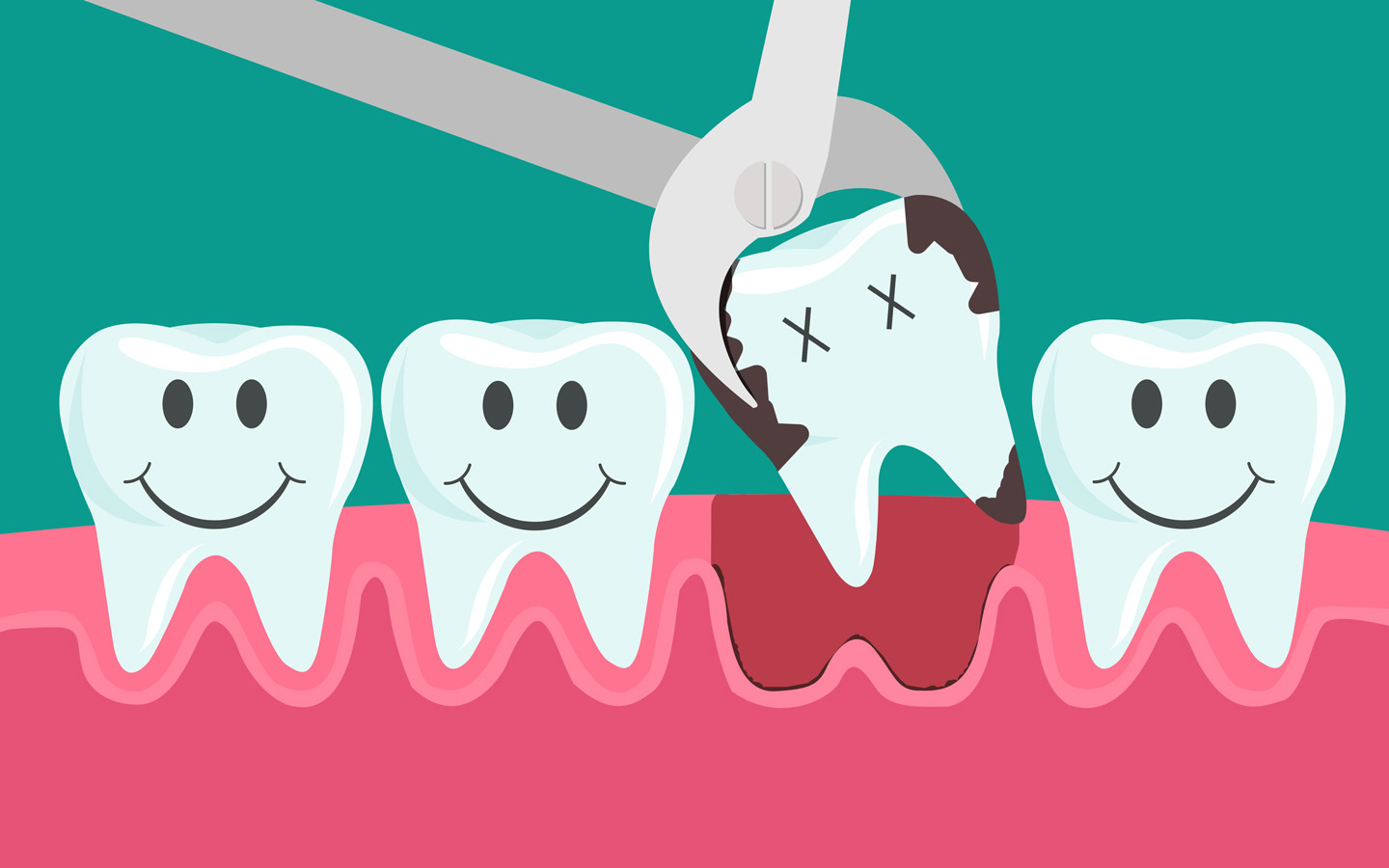
Image Source: www.medicomdtx.com
How Long Should You Wait To Exercise After Tooth Extraction?
How long should you wait to exercise after tooth extraction? Generally, you should wait at least 24 to 48 hours before doing any physical activity. For tougher extractions, like wisdom teeth, or for heavy exercise, you might need to wait 3 to 7 days, or even longer. This wait helps protect the new blood clot forming in the empty tooth space. This clot is key for good healing. Rushing back to a post tooth extraction workout can cause serious problems. Your body needs time to start mending itself. This guide will help you know when it is safe to restart your normal routine. We will also cover common exercise restrictions after dental extraction.
Grasping the Initial Healing Stage
After a tooth comes out, your body starts to heal right away. A blood clot forms in the empty space where the tooth was. Think of this clot like a bandage. It keeps the area safe. It helps new tissue grow. This clot is very important. It must stay in place. If it comes out too soon, you can get a dry socket. A dry socket is very painful. It also makes healing take much longer.
The first 24 to 48 hours are the most important. During this time, the clot is still soft. It is easy to dislodge. Any activity that raises your heart rate or blood pressure can put this clot at risk. This is why doctors tell you to rest. This rest period gives the clot time to get strong. It helps your body begin the mending process.
Seeing the Risks of Early Exercise
It is tempting to get back to your routine. But exercising too soon after a tooth extraction carries real dangers. Knowing these dangers can help you make wise choices.
1. Dry Socket Concerns
A dry socket is the most common and painful problem. It happens when the blood clot moves or dissolves too soon. This leaves the bone and nerves exposed. You will feel a throbbing pain. This pain can spread to your ear, eye, or neck. It often smells bad too. Early physical activity after tooth removal can make a dry socket more likely. The increased blood flow and pressure from exercise can push the clot out. This makes dry socket prevention exercise very important. Any jarring motion or strain can be bad.
2. Bleeding After Tooth Extraction Exercise
Exercise makes your blood pressure go up. When your blood pressure rises, it can cause the extraction site to bleed again. You might see a little oozing at first. But if you exercise, the bleeding could get worse. This extra bleeding can slow healing. It can also be very messy and alarming. Stopping the bleeding might need another trip to the dentist. Many people experience bleeding after tooth extraction exercise when they push themselves too hard.
3. Pain and Swelling Increase
Exercising can also make your pain and swelling worse. Your body sends more blood to working muscles. This extra blood flow to your face can increase swelling around the extraction site. Swelling can make you feel more uncomfortable. It can also make it harder to open your mouth or eat. Pain might get much worse, needing more pain medicine. This extra pain and swelling can set back your recovery.
4. Infection Risk
Your mouth is full of bacteria. After an extraction, the open wound is prone to infection. While exercise itself does not directly cause infection, pushing your body too hard can lower your immune system for a short time. This might make you more open to infection. Also, if the clot gets dislodged, the open wound is more exposed to bacteria. This raises the risk of infection. An infection means more pain, more swelling, and possibly needing antibiotics.
Knowing When to Start Again: A Gradual Return
The time it takes to heal differs for everyone. It depends on the type of extraction. A simple pull might need less time than a wisdom tooth removal. Your general health also plays a part. Always listen to your body and your dentist’s advice.
Day 1-2: Strict Rest is Best
For the first 24 to 48 hours, think of yourself as in full recovery mode.
* No Exercise at All: This means no running, no gym, no lifting weights. No bending over or lifting heavy things. Even walking fast or doing housework can be too much.
* Keep Your Head Up: Try to keep your head higher than your body, even when resting. This helps limit swelling.
* Ice Packs: Use ice packs on your face near the extraction site for 15-20 minutes at a time. Do this often in the first 24 hours. It helps with swelling.
* Soft Foods: Stick to soft foods that need little chewing.
* No Straws, No Spitting: The sucking motion from straws can dislodge the clot. Spitting creates pressure that can also be bad.
This initial period is critical for healing time post tooth extraction exercise. Focus on letting that clot form and get strong.
Day 3-7: Light Activity May Be Okay
After 48 hours, if you feel good and have no pain or bleeding, you might start very light activity.
* Gentle Walking: A very slow, gentle walk might be fine. Do not let your heart rate go up much. If you feel any throbbing or pain, stop at once.
* Stretching (No Strain): Gentle, slow stretching might be okay, but make sure it does not strain your facial muscles or body. Avoid bending over.
* Avoid Anything Strenuous: Still no strenuous activity after wisdom tooth extraction or any other extraction. This means no running, no jumping, no heavy lifting, no intense gym work.
It’s better to be safe than sorry. If you are not sure, wait another day.
After 7 Days: A Slow Return to Moderate Activity
Around day 7, if your healing is going well, you can slowly bring back more moderate activity.
* Start Slow: If you want to go for a run, start with a short, slow jog. See how you feel.
* Listen to Your Body: If you feel any pain, pressure, or see bleeding, stop immediately.
* Hydration: Drink plenty of water. This helps your body heal.
This is a general guideline. Your dentist might give you specific advice. Always follow their lead.
Specific Activities: A Closer Look
Let’s look at common forms of exercise and when they might be safe.
Running After Tooth Extraction
Can you go running after tooth extraction?
* First 3-5 days: Absolutely no running. The up-and-down motion and increased blood pressure are too risky. They can dislodge the clot and cause bleeding.
* Day 5-7 (or longer): If you feel no pain and swelling is gone, you might try a very slow, short jog. Keep it light. If you feel any throbbing or discomfort, stop.
* After 7-10 days: You can slowly return to your normal running routine if you feel completely fine. Start with shorter runs and less intense speeds. Build back up slowly.
Remember, running causes your head to move, which can jar the clot. It also significantly raises your heart rate and blood pressure. These are both bad for a fresh extraction site.
Gym After Tooth Extraction
When can you go to the gym after tooth extraction?
* First 3-5 days: Stay away from the gym. The risks are too high.
* Day 5-7 (or longer): You might consider very light, non-strenuous exercises. This could include gentle walking on a treadmill or a very slow, gentle bike ride. Keep the intensity low. Do not lift weights. Do not use machines that make you strain.
* After 7-10 days: If you are feeling good, you can slowly start to bring back more of your gym routine. Begin with lighter weights and lower intensity cardio.
Many gym activities involve straining, gritting teeth, or moving your head in ways that can be harmful.
Lifting Weights After Tooth Extraction
Can you go lifting weights after tooth extraction?
* First 7-10 days: Avoid all weightlifting. This includes heavy lifting, moderate lifting, and even light resistance bands.
* Why: Lifting weights makes your blood pressure spike. It often involves holding your breath and straining. This pressure can pop the blood clot out of place. It can cause severe bleeding. It greatly increases the risk of a dry socket. It also puts a lot of stress on your whole body, which is trying to heal.
* After 10-14 days: If your healing is going very well, you might slowly try very light weights. Do not strain. Do not lift anything heavy. Listen closely to your body. Any pain or pressure means you must stop.
* After 2 weeks or more: For normal, heavy weightlifting, most dentists suggest waiting at least 2 weeks. For wisdom teeth extractions, it might be even longer, like 3-4 weeks. Your dentist will tell you when it’s truly safe.
Strenuous activity after wisdom tooth extraction is especially risky. Wisdom tooth extractions are often more complex. They can involve more bone removal. This means a larger wound and longer healing time. So, the wait for returning to strenuous activity after wisdom tooth extraction will be longer.
A Timeline of Activity After Tooth Extraction
This table offers a general guide. Always follow your dentist’s specific advice.
| Activity Type | Day 1-2 (Initial Recovery) | Day 3-7 (Early Healing) | Day 7-10 (Moderate Healing) | After 10-14 Days (Advanced Healing) |
|---|---|---|---|---|
| Complete Rest | Yes | No | No | No |
| Gentle Walking | No | Yes (short, slow) | Yes (longer, moderate pace) | Yes (normal pace) |
| Stretching (Gentle) | No | Yes (no straining) | Yes (no straining) | Yes |
| Running/Jogging | No | No | Yes (slow, short) | Yes (gradual return to normal) |
| Gym (Cardio – light) | No | No | Yes (low intensity, no jumping) | Yes (gradual return) |
| Lifting Weights | No | No | No | Yes (start very light) |
| Strenuous Activity | No | No | No | Gradually introduce if no issues |
| Swimming | No | No (pressure changes, infection) | No (pressure changes, infection) | Yes (if healing well) |
Note: This table is for general guidance. Wisdom tooth extractions or complicated extractions might need longer rest periods. Always ask your dentist.
Tips for a Smooth Recovery and Return to Exercise
Even when you do return to exercise, there are ways to make sure it is safe.
1. Listen to Your Body
This is the most important rule. Your body will tell you if you are pushing too hard. If you feel any pain, throbbing, pressure, or see new bleeding, stop at once. Rest. If symptoms continue, call your dentist. Do not try to push through pain.
2. Start Slowly
Do not go from zero to your normal intense workout. Start with a much shorter and lighter version of your usual exercise. For example, if you run 5 miles, start with a 1-mile walk or a very slow jog. Gradually increase how long and how hard you work out over several days or weeks. This helps prevent problems and allows your body to adapt. This slow return helps your post tooth extraction workout plan be safe.
3. Stay Hydrated
Drink plenty of water. This is good for your overall health and helps your body heal. Avoid alcohol, caffeine, and sugary drinks. These can dehydrate you or irritate the healing area.
4. Eat Well
Eat soft, nutritious foods. Your body needs good fuel to heal. Avoid crunchy, chewy, or hot foods. These can hurt the extraction site. A balanced diet supports faster recovery.
5. Keep Your Mouth Clean (Carefully)
Follow your dentist’s instructions for oral hygiene. This usually means gentle saltwater rinses after 24 hours. Do not rinse too hard or spit. Just let the water drip out. Keeping the area clean prevents infection.
6. No Smoking or Vaping
Smoking and vaping greatly increase the risk of dry socket and infection. They also slow down healing. If you smoke, try to stop, especially during your recovery.
7. Avoid Using a Straw
Sucking on a straw creates suction. This suction can easily pull the blood clot out of the socket. This is a common cause of dry socket.
8. Know When to Call Your Dentist
Call your dentist if you notice any of these signs:
* Severe pain that does not get better with medicine.
* Bleeding that does not stop after applying pressure with gauze.
* Swelling that gets worse or spreads after the first 2-3 days.
* A bad taste or smell in your mouth, which might mean infection or dry socket.
* Fever.
* Pus coming from the extraction site.
These could be signs of problems that need professional care.
Further Considerations for Healing
The way your body heals depends on many things. Age, overall health, and how complex the extraction was all play a part. A healthy young person might heal faster than an older person with other health issues. A simple extraction might take less time to heal than a surgical removal of an impacted wisdom tooth.
Remember that healing time post tooth extraction exercise is not a fixed rule. It’s a range. Always give your body more time if you feel uncertain. It’s much better to wait an extra few days than to suffer from a painful complication like a dry socket.
Final Thoughts on Exercise After Extraction
Waiting to exercise after a tooth extraction is vital. It keeps you safe from dry socket, bleeding, and infection. It helps your body heal fully. For the first 24 to 48 hours, strict rest is key. After that, slowly bring back very light activities if you feel well. Avoid strenuous activity after wisdom tooth extraction and other heavy exercises for at least 7-10 days, or even two weeks for lifting weights. Always listen to your body. Follow your dentist’s advice. Being patient now will help you get back to your full routine sooner and without problems. A smooth recovery means you can get back to your gym after tooth extraction and enjoy running after tooth extraction without worry.
Frequently Asked Questions (FAQ)
Q: Can I walk on the same day I get a tooth pulled?
A: No, it is best to avoid all forms of exercise, including walking, on the day of your extraction. Rest is key. Wait at least 24 hours.
Q: What if I accidentally exercise too soon?
A: If you exercise too soon and feel fine, stop immediately and rest. Watch for signs of bleeding, increased pain, or a bad taste. If you notice any of these, contact your dentist right away.
Q: How long until I can run a marathon after tooth extraction?
A: For something as strenuous as a marathon, you should wait much longer. Most dentists would advise at least 2-3 weeks, possibly more, to allow for full healing and to avoid complications. Start with short runs and slowly build up.
Q: Can I do yoga or stretching after tooth extraction?
A: Very gentle stretching without any strain or bending might be okay after 48-72 hours. Avoid any yoga poses that involve inversions (head below heart), straining, or require you to hold your breath. Listen to your body carefully.
Q: Is it okay to swim after a tooth extraction?
A: Swimming is generally not advised for at least 7-10 days. The water pressure, potential for infection from pool water, and physical exertion can all be risky for the healing site. Ask your dentist for specific advice.
Q: What is a “dry socket” and how does exercise cause it?
A: A dry socket happens when the blood clot that forms in the extraction site moves or breaks down too early. Exercise can increase blood pressure and cause jarring motions. These can dislodge the clot. This leaves the bone and nerves exposed, causing severe pain.
Q: My dentist didn’t say anything about exercise. What should I do?
A: Always assume caution. Follow the general guidelines provided here. It is best to call your dentist’s office and ask for specific advice based on your extraction. They can give you the best guidance for your unique situation.