
After getting a PRP injection, many people want to know how long after PRP can I exercise? and when can I? Generally, you need to rest the treated area right after the shot. You cannot do hard exercise right away. The exact time you wait depends on the injury and what your doctor says, but often you will have exercise restrictions after PRP for at least the first few days or weeks. Your PRP recovery timeline starts with rest and slowly moves to light movement.
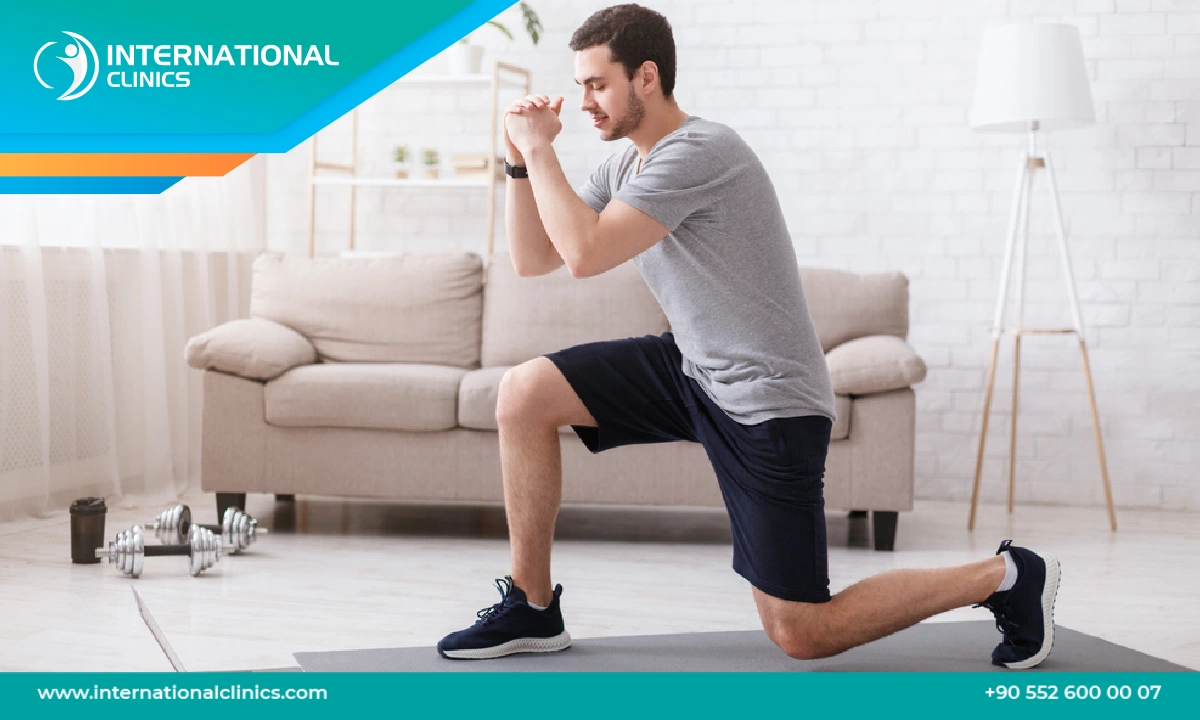
Image Source: internationalclinics.com
Grasping PRP and Healing
PRP stands for Platelet-Rich Plasma. It is a treatment. It uses a little of your own blood.
Doctors take a small amount of your blood. They spin it fast in a machine. This separates the parts of your blood.
They take out the part with many platelets. Platelets are tiny cells. They help your body heal. They have growth factors. These factors are like signals. They tell your body to fix damaged tissue.
The doctor then injects this platelet-rich part back into the injured area. This might be a tendon, ligament, muscle, or joint.
The goal is to use your body’s own healing power. The concentrated platelets bring many growth factors to the injury. This can help speed up healing. It can help fix tissues that heal slowly on their own.
Why Healing Takes Time
Healing is a process. It does not happen overnight.
When you get a PRP shot, the platelets start working. They release growth factors. These factors cause a reaction in your body.
New cells start to grow. Blood flow increases. New tissue begins to form.
This process takes weeks and months.
Right after the shot, there is often some swelling and pain. This is normal. It is part of the healing start. The body is reacting to the injection and the platelets.
Putting too much stress on the area too soon can hurt this healing process. It can cause more damage. It can slow down how fast you get better.
That is why rest and careful return to activity are very important after PRP.
The PRP Recovery Timeline: What to Expect
The path to getting back to full activity after PRP varies. It depends on many things.
What was treated? (e.g., knee, shoulder, ankle tendon).
How bad was the injury?
Your overall health.
How well you follow doctor’s orders.
But there is a general timeline. It has different phases.
Phase 1: Right After the Shot (Days 1-3)
This is the time to rest. The goal is to protect the treated area.
You will likely feel some pain and see some swelling after PRP. This is normal. It shows the platelets are starting their work.
Your doctor will tell you what you can and cannot do.
Usually, you should limit movement.
You might need crutches if your leg or ankle was treated.
For an arm or shoulder, you might wear a sling.
The key is to avoid putting stress or weight on the area.
This is when exercise restrictions after PRP are strongest.
You should not do any hard work or exercise.
Simple daily tasks might be okay, but check with your doctor.
Phase 2: Early Healing (Weeks 1-3)
The initial pain and swelling should start to get better.
The growth factors are actively working. New tissue is starting to form.
You can usually start light, controlled movement.
This is when when can I walk after PRP usually starts if the injury was in the lower body. You might start with short walks. Slowly increase the distance.
For upper body injuries, you might start gentle range-of-motion exercises. These are often done without any weight.
The goal is to keep the joint moving a little. This helps prevent stiffness. It helps blood flow. But you must be careful not to stress the new healing tissue.
Your doctor or physical therapist will give you specific activity guidelines after PRP for this phase.
Hard exercise is still off-limits. No running. No jumping. No lifting heavy things.
Phase 3: Bringing Back Movement (Weeks 4-8)
This phase is about slowly increasing activity. The healing tissue is getting stronger.
You might start a more formal PRP rehabilitation protocol. This often involves physical therapy.
A therapist guides you through exercises.
They help you get back your full range of motion.
They start you on exercises to make muscles stronger around the injured area.
These exercises are still gentle at first. They get harder over time.
This is when you might start thinking about return to sports after PRP or harder activities like running or weightlifting. But you are not ready yet for full impact or heavy loads.
Light jogging might start later in this phase for lower body issues. Very light weights might be used for upper body strength.
Listening to your body is key here. Pain is a sign to stop or slow down.
Phase 4: Getting Back to Normal (Months 2-6)
Healing continues during this time. The tissue gets stronger and stronger.
You will keep working on your rehabilitation. Exercises get harder. You build more strength and endurance.
This is the phase where running after PRP injection can become more regular. You start slow. Increase distance and speed little by little.
You can add more weight when weightlifting after PRP. Again, start light. Increase weight slowly.
Your physical therapist will help you know when it is safe to do more.
Return to sports after PRP happens in this phase. You do not just jump back in. You slowly get back to sport-specific movements. Then you might join practice at a lower level. Slowly work your way back to full play.
This entire process takes patience. Pushing too hard, too soon, can cause a setback.
Phase 5: Full Recovery (Months 6+)
By this time, the healing should be largely complete. The goal is to maintain strength and function.
You should be back to your normal activities or sports.
Some people might continue a maintenance exercise program. This helps prevent future injuries.
This is a general guide. Your own PRP recovery timeline might be faster or slower. Always follow the specific advice from your doctor and physical therapist.
Activity Guidelines After PRP: What and When
Knowing the general phases helps. But what about specific activities?
Here are some general guidelines. Remember, these can change based on your injury and doctor’s plan.
When Can I Walk After PRP?
For lower body injuries (knee, ankle, foot, hip), walking needs care right after the shot.
* Days 1-3: Very limited walking. You might need crutches. Only walk short steps for necessary things like going to the bathroom. No long walks.
* Weeks 1-3: You can usually start short walks without crutches if your doctor says it’s okay. Start with just a few minutes. Slowly increase how long you walk each day. Listen to any pain.
* Weeks 4-8: Walking distance and speed can increase more. You might walk for 30 minutes or longer. Hill walking or faster walking might start depending on progress.
* Months 2+: Walking should be mostly back to normal. You can walk for fitness or daily tasks without much thought about the injury.
Running After PRP Injection
Running puts more stress on the body than walking. Especially on joints and tendons in the legs and feet.
* Months 0-2: No running at all. Focus on walking and gentle exercises.
* Months 2-4: If recovery is going well and your physical therapist agrees, you might start a walk-to-run program. This means mixing short bursts of running with walking. The running parts are very short at first (e.g., 30 seconds).
* Months 4-6: You can slowly increase running time and distance. Build up gradually. Do not suddenly try to run your normal distance. Avoid hills or hard surfaces at first.
* Months 6+: If fully recovered, you can usually return to regular running. Keep increasing distance and speed slowly.
Weightlifting After PRP
Lifting weights adds load to muscles, tendons, and joints. This needs careful timing.
* Months 0-1: No weightlifting for the treated body part. If your shoulder was treated, do not lift weights with your arm. If your knee was treated, avoid leg weights. You might be able to do very light exercises for other body parts, but check first.
* Months 1-3: You might start very light resistance exercises for the treated area. This is often done with resistance bands or very, very light weights. The focus is on controlled movement and activating muscles, not building strength yet.
* Months 3-6: Slowly add more weight. Start with weights that feel easy. Focus on good form. Increase weight gradually over weeks. Do not lift heavy weights that cause strain or pain.
* Months 6+: As strength returns and healing is complete, you can usually return to your normal weightlifting routine. Continue to increase weight safely and listen to your body.
Return to Sports After PRP
Getting back to a specific sport is the last step. Sports often involve complex movements, speed, jumping, and impact.
* Months 0-3: Focus on basic healing and gentle rehab. No sport-specific training.
* Months 3-6: Begin sport-specific movements in a controlled way. For example, if you play tennis, start with gentle swings without hitting a ball. If you play soccer, start with light kicking without running. Do this away from the game environment.
* Months 6-9+: Gradually return to practice. Start with limited participation. Maybe just part of a practice, avoiding contact or high impact. Slowly increase involvement. Return to full competition only when you have successfully completed all steps of your PRP rehabilitation protocol and feel ready, and your doctor approves.
Exercise Restrictions After PRP: Why They Matter
It might feel frustrating to rest when you want to get better. But the restrictions are there for a good reason.
PRP starts a healing process. New tissue is being made. This new tissue is fragile at first.
Imagine building something with wet cement. You cannot put heavy things on it right away. You must let it set and get strong.
Healing tissue is similar. Putting stress on it too soon can:
* Tear the new tissue.
* Cause more inflammation and pain.
* Slow down the healing process.
* Make the treatment not work as well.
* Lead to a worse outcome.
Following the exercise restrictions after PRP helps protect the healing area. It allows the platelets and growth factors to do their job without being disturbed. It gives the new tissue time to become strong enough to handle more load.
Managing Pain and Swelling After PRP
It is common to have some discomfort right after a PRP shot.
* Pain: The injection itself can sting. Then, as the platelets activate healing, the area can become sore or achy. This is usually worst in the first 1-3 days.
* Swelling: Some puffiness around the injection site is also normal. This is part of the body’s reaction and healing response.
How to help with managing pain after PRP and swelling after PRP:
* Rest: Limit movement as advised. This is the best way to reduce pain and swelling.
* Ice: Apply an ice pack to the area for 15-20 minutes at a time. Do this several times a day, especially in the first 1-2 days. Put a cloth between the ice and your skin.
* Elevation: If possible, raise the treated body part above your heart. This helps fluid drain away and reduces swelling.
* Pain Medicine: Your doctor will tell you what pain relievers you can use. They often advise against using anti-inflammatory medicines like ibuprofen (Advil, Motrin) or naproxen (Aleve). These medicines can block the very inflammation process that PRP is trying to start to trigger healing. Acetaminophen (Tylenol) is usually okay for pain relief. Always ask your doctor first.
* Gentle Movement (Later): As you move into later phases, gentle, controlled movement can actually help reduce stiffness and pain by improving blood flow. But start slow and only do what your doctor or therapist says.
Keep track of your pain and swelling. If it gets much worse, or does not get better after the first few days, call your doctor.
The Importance of a PRP Rehabilitation Protocol
Just getting the PRP shot is usually not enough. Healing needs help. This is where a PRP rehabilitation protocol comes in.
This is a plan for getting you back to full function. It is often designed by a physical therapist.
The protocol starts with rest and protection. Then it moves through different stages.
* Stage 1: Protection and Gentle Range of Motion: Focus on not hurting the area. Do simple movements without resistance to prevent stiffness.
* Stage 2: Basic Strengthening: Start gentle exercises to wake up the muscles around the injury. Use light resistance. Focus on control.
* Stage 3: Advanced Strengthening and Proprioception: Make muscles stronger. Add exercises that challenge balance and coordination (proprioception). This helps the joint feel stable.
* Stage 4: Sport-Specific Training: If you play sports, start practicing movements needed for your sport. Slowly increase speed and intensity.
* Stage 5: Return to Activity: Get back to your sport or full activities step by step.
Following a good PRP rehabilitation protocol is vital. It ensures you:
* Progress at a safe pace.
* Build strength and stability needed to protect the healing tissue.
* Improve your range of motion.
* Get back to your desired activities safely.
* Reduce the chance of reinjury.
Your physical therapist works closely with your doctor. They adjust the plan based on how you are doing. Do not skip rehab sessions or try to rush through the steps on your own.
Factors Influencing Your PRP Recovery Timeline
Not everyone heals at the same speed. Several things can affect your personal PRP recovery timeline:
* Type of Injury: Tendon injuries might heal differently than ligament or muscle injuries.
* Severity of Injury: A small tear heals faster than a large one.
* Location of Injury: Some body parts have better blood flow and might heal faster.
* Your Age: Younger people often heal faster than older people.
* Your Overall Health: Conditions like diabetes or poor circulation can slow healing. Smoking also slows healing.
* Your Diet and Nutrition: Eating healthy foods provides the building blocks for repair.
* How Well You Follow Instructions: Resting when told, doing rehab exercises, and avoiding restricted activities are key.
* Quality of the PRP Preparation: How the blood is processed can affect the concentration of platelets and growth factors.
* Skill of the Doctor: Getting the injection in the exact right spot is important.
Because of these factors, the timelines discussed are just averages. Your doctor will give you the best idea of what to expect for your specific case.
Listening to Your Body
This is one of the most important rules during recovery.
Pain is your body’s signal. It tells you something is wrong or you are doing too much.
* If an exercise causes sharp pain, stop.
* If your activity level increases pain that does not go away quickly, you did too much.
* A little soreness during rehab can be normal, but sharp or increasing pain is not.
Do not try to push through significant pain. This is not the same as pushing yourself during a workout when your muscles are tired. This is protecting healing tissue.
Talk to your doctor or physical therapist about any pain you have. They can adjust your activity guidelines after PRP.
Swelling that increases a lot after activity is another sign you did too much.
Talking with Your Doctor and Therapist
Your medical team is your guide.
Before you get the PRP shot, ask your doctor about the expected recovery. Ask about exercise restrictions after PRP right away.
After the shot, follow their orders closely.
If you have questions about what you can do, ask them. Do not guess.
Work closely with your physical therapist. They are experts in guiding people back to movement after injury or treatment.
They will show you the right exercises. They will tell you when it is safe to do more.
They will help you know the difference between normal rehab soreness and pain that means you should stop.
They are key to a successful return to sports after PRP or other activities.
Summary of Activity Guidelines After PRP (General)
Here is a simple table showing typical timelines for common activities.
REMEMBER: This is a general guide. Your specific timeline may be different. Always follow your doctor’s and therapist’s instructions.
| Activity Type | First Few Days (Phase 1) | Weeks 1-3 (Phase 2) | Weeks 4-8 (Phase 3) | Months 2-6 (Phase 4) | Months 6+ (Phase 5) |
|---|---|---|---|---|---|
| Rest / Protection | High | Moderate | Low | Minimal / None | None |
| When can I walk after PRP? | Very Limited (maybe crutches) | Short, controlled walks | Longer walks, normal pace | Normal daily walking | Normal walking |
| Gentle Range of Motion | Maybe, doctor guided | Start gentle exercises | Increase range of motion | Full range of motion focus | Maintain range of motion |
| Light Resistance | None | None | Start very light resistance | Increase resistance slowly | Heavier weights okay (gradual) |
| Running after PRP injection? | No | No | No | Start walk-to-run (later) | Gradual return to running |
| Weightlifting after PRP? | No for treated area | No for treated area | Very light for treated area | Add more weight gradually | Return to normal weightlifting |
| Return to sports after PRP? | No | No | No | Start sport-specific drills | Gradual return to practice/play |
| Managing Pain/Swelling | Rest, Ice, Elevate, Tylenol (check doctor) | Less needed, continue as advised | Less needed | Usually minimal issues | Should be resolved |
This table gives a quick look at the activity guidelines after PRP. Each step should be managed as part of your PRP rehabilitation protocol.
Avoiding Pitfalls in Recovery
Some things can hurt your recovery. Try to avoid them.
* Doing too much too soon: This is the biggest mistake. It can cause reinjury. Follow the exercise restrictions after PRP.
* Not doing rehab: The PRP helps the tissue heal, but rehab makes the body part strong and functional again. Skipping it can lead to weakness and more injury risk.
* Taking anti-inflammatory medicines (NSAIDs): Medicines like ibuprofen can stop the healing process that PRP starts. Ask your doctor what pain relief is safe.
* Smoking: Smoking reduces blood flow. Healing needs good blood flow. Smoking slows down recovery.
* Poor diet: Your body needs good food to build new tissue. Eat healthy.
* Not listening to your body: Pain is a warning sign. Do not ignore it.
* Not talking to your doctor or therapist: If you are unsure about something, ask. If something feels wrong, tell them.
A successful recovery involves more than just the injection. It requires patience, careful activity progression, and following your medical team’s plan. Your PRP recovery timeline depends on how well you manage these things.
Frequently Asked Questions (FAQ)
Here are some common questions people ask about exercising after PRP.
Q: How soon after PRP can I move the injured area?
A: Gentle, limited movement might start within a few days to a week, but usually not on your own. Your doctor or therapist will tell you when and how to do very careful range-of-motion exercises. Hard movement or exercise is restricted for several weeks.
Q: Can I walk right after getting a PRP shot in my knee?
A: For the first 1-3 days, walking will be very limited. You will likely need crutches to avoid putting full weight on the knee. You can usually start short, careful walks without crutches around 1-3 weeks after the shot, if your doctor says it’s safe.
Q: When can I start running again after a PRP injection for a tendon injury?
A: Running usually is not allowed for the first 2-4 months. You typically start with a walk-to-run program after that, slowly building up distance and speed over many weeks or months.
Q: Is it okay to lift weights after PRP for a shoulder injury?
A: No, not right away. You will have significant exercise restrictions after PRP for the shoulder. You might start very light resistance band exercises around 1-3 months after, and slowly add light weights around 3-6 months. Heavy weightlifting for the shoulder is usually restricted for 6 months or more.
Q: Can I use ice and heat after PRP?
A: Ice is often recommended in the first 24-48 hours to help with swelling after PRP and pain. Heat is usually not recommended early on, as it can increase swelling. Always check with your doctor about using ice or heat.
Q: How long do the exercise restrictions after PRP last?
A: Significant restrictions last for the first few weeks. More moderate restrictions on specific activities like running or heavy lifting can last for several months. Full return to sports after PRP or intense activities can take 6-12 months, depending on the injury.
Q: What is a PRP rehabilitation protocol?
A: It is a step-by-step plan, often guided by a physical therapist, that helps you safely return to full activity after a PRP injection. It includes specific exercises to improve movement, strength, and function over time.
Q: I feel okay after a few days. Can I exercise?
A: No. Feeling less pain does not mean the tissue is healed and strong. The healing process takes time. Doing too much too soon is risky. Stick to your doctor’s recommended activity guidelines after PRP.
Q: Will I have pain or swelling the whole time I’m recovering?
A: You are likely to have some pain and swelling after PRP in the first few days. This should slowly get better over the next few weeks. You might have some soreness during rehabilitation exercises, but constant or increasing pain is not typical and should be reported to your doctor. Managing pain after PRP is usually most needed in the very beginning.
Returning to exercise after PRP is a process that requires patience and careful planning. Follow the expert guidance you receive to give your body the best chance to heal properly.