
You can often start light activity like gentle walking within a day or two after egg retrieval, but you should wait at least one to two weeks, sometimes longer, before trying strenuous exercise or returning to the gym, depending on your recovery and your doctor’s specific advice. Resuming normal activities after egg retrieval happens slowly. Bloating after egg retrieval can get worse with hard exercise, so stick to light movement initially. Walking after egg retrieval is usually fine and can help with recovery.
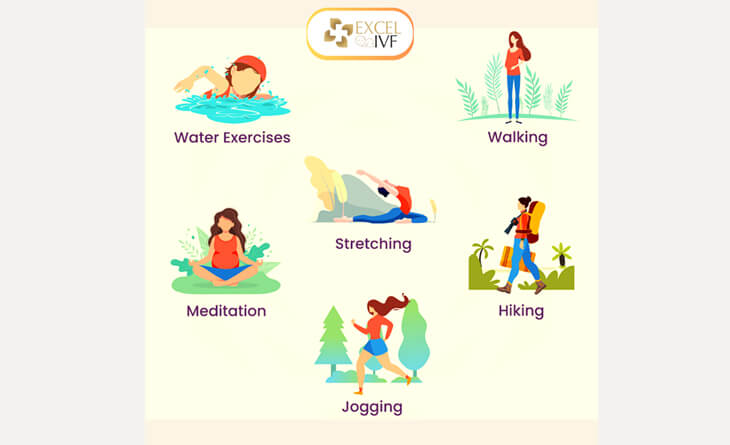
Image Source: excelivf.com
Grasping Egg Retrieval Recovery
Egg retrieval is a key step in the IVF process. It is a minor surgery. Doctors use a needle to collect eggs from your ovaries. Your ovaries are delicate after this. They are bigger than usual. This makes them sensitive.
The time it takes to feel better varies. This is called egg retrieval recovery time. Most people feel some bloating and discomfort. It can feel like period cramps. Some people feel tired. This is a normal part of IVF egg retrieval recovery. It takes time for your body to heal.
Why Rest is Important After Retrieval
Your ovaries grow larger before retrieval. This is because of the fertility medicines. After eggs are taken, they stay big for a while. Sometimes they even get bigger. This makes them heavy. Big, heavy ovaries can twist. This is called ovarian torsion. It is rare but serious. Twisting cuts off blood flow. It needs urgent surgery.
Exercise, especially quick movements, jumping, or twisting, can make this twisting more likely. Hard exercise also increases blood flow to the ovaries. This can make bloating worse. It can also increase the risk of a problem called Ovarian Hyperstimulation Syndrome (OHSS). This is why exercise needs a break.
Post Egg Retrieval Activity Limits
There are things you should not do after egg retrieval. These are post egg retrieval activity restrictions. These rules help keep you safe. They lower the risk of problems.
- No Hard Exercise: Do not run, jump, or do intense workouts.
- No Heavy Lifting: Avoid lifting anything heavy. This means shopping bags, children, or weights.
- No Twisting: Do not do exercises that twist your body. This includes some yoga poses or core work.
- No Baths or Swimming: Avoid submerging in water for a few days. This helps prevent infection. Showers are okay.
- No Sex: Most doctors advise no sex for a week or two.
These limits give your body time to heal. They protect your enlarged ovaries.
When Gentle Movement Is Allowed
Rest is important right after retrieval. But light movement is also good. It can help you feel better. It can help with bloating and stiffness.
Walking after egg retrieval is usually the best first step. You can often start walking within a day or two. Make it a slow, easy walk. Do not push yourself. Just a short walk around your home or outside.
Benefits of light walking:
* It helps with blood flow.
* It can help ease bloating.
* It helps with digestion.
* It can lift your mood.
Start with 5-10 minutes. If you feel okay, you can try a little longer next time. But stop if you feel pain.
Exercise Path After IVF Retrieval
There is no exact date for everyone to return to exercise. It depends on how you feel. It depends on your doctor’s advice. Here are general exercise guidelines after IVF retrieval:
- First 1-2 Days: Focus on rest. Gentle walking is okay if you feel up to it.
- First Week: Continue gentle walking. Avoid anything else strenuous. Your ovaries are still large.
- Second Week: If you feel much better and have no OHSS, you might be able to do very light, low-impact activities. Think very slow cycling on a flat path, or very gentle stretching. Check with your doctor first. Do not do anything that makes you bounce, twist, or strain.
- Two Weeks and Beyond: This is when many people can slowly start adding more activity. But it’s still important to be careful.
It is vital to listen to your body. Pain is a sign to stop. If you have bloating or discomfort, stick to just walking.
What Exercise Looks Like Each Week (Example Timeline)
Remember, this is just a general idea. Your doctor’s advice is most important.
| Time After Retrieval | Activity Level Recommendation | Type of Movement | Things to Definitely Avoid |
|---|---|---|---|
| Day 0 (Retrieval Day) | Rest | Minimal movement, maybe short walks to the bathroom | Any exercise, lifting, twisting |
| Day 1-2 | Rest with light movement | Short, slow walks (5-15 minutes), gentle stretches if comfortable | Strenuous activity, lifting, twisting, sudden movements |
| Day 3 – Week 1 | Light movement | Daily gentle walks (can increase time if comfortable, maybe 20-30 minutes), gentle stretching | Any moderate or intense exercise, running, jumping, heavy lifting, core work, twisting |
| Week 1 – Week 2 | Gentle activity (IF cleared by doctor and no OHSS) | Walking, maybe very slow cycling on flat ground, gentle yoga without twists or inversions. Keep it low impact and light. | Anything that makes you breathless, high impact, heavy lifting, core work, twisting, jumping |
| Week 2 and Later | Gradual return to activity | Slowly add more intensity or duration to walking, cycling, or other low-impact exercise. If feeling well and cleared: Start adding back strength training with light weights, avoiding core or twisting moves initially. | Listen to your body. Stop if you feel pain. Avoid high-impact or heavy lifting until your doctor says it’s fully safe, especially if OHSS was a concern or if you had an embryo transfer. |
This table shows a slow build-up. You stay light for at least a week. Then you move forward only if you feel well.
Managing Bloating and Exercise
Bloating is very common after egg retrieval. Your ovaries are larger. There is fluid shift in your body. Hard exercise can make this bloating worse. It puts pressure on your abdomen. It can also affect fluid balance.
If you feel bloated, stick to walking. Walking can actually help move things along and might ease bloating a little for some people. But any exercise that makes you strain or bounce will likely make the bloating worse. This includes lifting weights, running, or sit-ups.
Listen to your body regarding bloating after egg retrieval exercise. If any movement makes your bloating or discomfort worse, stop. Rest is often the best thing until the bloating improves. Bloating usually goes away within a week or two.
Special Care for OHSS
Sometimes, the ovaries react strongly to the medicine. This can cause Ovarian Hyperstimulation Syndrome (OHSS). OHSS means your ovaries are very large. You have a lot of bloating and fluid buildup. It can range from mild to severe.
OHSS exercise restrictions are very strict. If you have OHSS, you must avoid almost all exercise. This is because the risk of ovarian torsion is much higher. The ovaries are extremely large and fragile. Any sudden movement could be dangerous.
If you have OHSS, your doctor will tell you exactly what you can do. It will likely be minimal movement. Maybe just short walks to the bathroom. Severe OHSS requires medical care. Do not try to exercise through OHSS symptoms. Rest is part of the medical treatment.
Symptoms of OHSS can include:
* Severe bloating or pain
* Nausea or vomiting
* Trouble breathing
* Fast weight gain
* Less urination
If you have these, call your clinic right away.
Returning to the Gym Safely
Returning to gym after egg retrieval needs care. Don’t rush back. Your body has been through a lot. Even if you feel okay, your ovaries might still be bigger than normal.
Most people need to wait at least two weeks before thinking about the gym. If you had OHSS, you will need to wait much longer. If you had an embryo transfer after retrieval, your doctor might have different instructions about exercise before and after the transfer. Strenuous activity close to transfer or during the waiting period is usually discouraged.
When you do go back:
* Start Slow: Do much less than you did before. Use lighter weights. Do fewer reps.
* Keep it Low Impact: Avoid running, jumping, or intense cardio at first. Walking on a treadmill or using an elliptical gently is better.
* Avoid Core Work: Do not do sit-ups, crunches, or planks right away. These strain your abdomen.
* Avoid Twisting: Be careful with machines or exercises that make you twist your body.
* Listen to Your Body: This is the most important rule. If something hurts or feels wrong, stop immediately. Pain, increased bloating, or discomfort means you are doing too much.
* Talk to Your Doctor: Get approval from your fertility doctor before you return to the gym. They know your specific situation.
The goal is a slow, safe return. Your focus is on recovery and potentially a healthy pregnancy. Intense workouts can wait.
Key Points for Your Recovery
- Rest First: The first 1-2 days are for rest.
- Walk Gently: Light walking is usually okay soon after.
- Avoid Hard Things: No heavy lifting, hard exercise, jumping, or twisting.
- Know the Risks: Understand why you need to be careful (ovarian torsion, OHSS).
- OHSS Means More Rest: If you have OHSS, follow strict rest rules.
- Listen to Your Body: Pain or increased bloating means stop.
- Talk to Your Doctor: Always follow their specific advice.
Your recovery is important. Be patient with yourself. Your body needs time to heal from egg retrieval. Focusing on rest and light movement helps set you up for the next steps in your IVF journey.
Frequently Asked Questions
Q: How long does the bloating last after egg retrieval?
A: Bloating is common. For most people, it starts to get better after a few days. It can take one to two weeks to go away completely. Light walking can sometimes help ease it. Hard exercise usually makes it worse.
Q: Can I do yoga after egg retrieval?
A: Avoid most yoga poses for at least one to two weeks. Many yoga poses involve twisting, bending, or inversions. These can be risky with enlarged ovaries. Gentle, non-twisting stretches might be okay after the first week if you feel well, but always ask your doctor first. Stick to simple floor stretches without straining.
Q: What if I feel a sharp pain when I move?
A: Stop moving immediately. Rest. If the pain is strong or does not go away quickly, call your fertility clinic right away. Sharp pain can be a sign of something needing medical attention, like potential ovarian torsion.
Q: Can I go back to work after egg retrieval?
A: Many people take the day of retrieval off. Some take the next day too. When you can go back depends on your job and how you feel. If your job is not physically demanding, you might feel ready after a day or two. If your job involves lifting or lots of moving, you might need more time. Listen to your body and talk to your clinic.
Q: Does exercise affect embryo transfer or implantation?
A: Strenuous exercise around the time of embryo transfer or in the days after is generally not advised. While studies are not fully clear, clinics often recommend rest and limited activity. The focus after transfer is creating a calm environment in the uterus. Heavy impact or strain is usually thought to be unhelpful. Light walking is usually okay and sometimes encouraged.
Q: How will I know if my ovaries are back to normal size?
A: Your doctor might do an ultrasound appointment after your retrieval or before an embryo transfer. This check can show the size of your ovaries. You usually cannot tell just by how you feel, though reduced bloating is a good sign things are returning to normal.
Q: What kind of “light activity” is okay?
A: Light activity means things like:
* Slow walking
* Gentle stretching (no twisting or deep bends)
* Moving around your house
* Sitting or standing gently
It does not mean:
* Jogging or running
* Jumping jacks
* Lifting weights
* Spin class
* Yoga with twists
* Pilates reformer
* Ab workouts
Keep it simple, slow, and easy on your body.
Getting through egg retrieval is a big step. Taking care of your body afterward is key. Be kind to yourself, prioritize rest, and follow your medical team’s guidance. Your health and recovery are the most important things.