
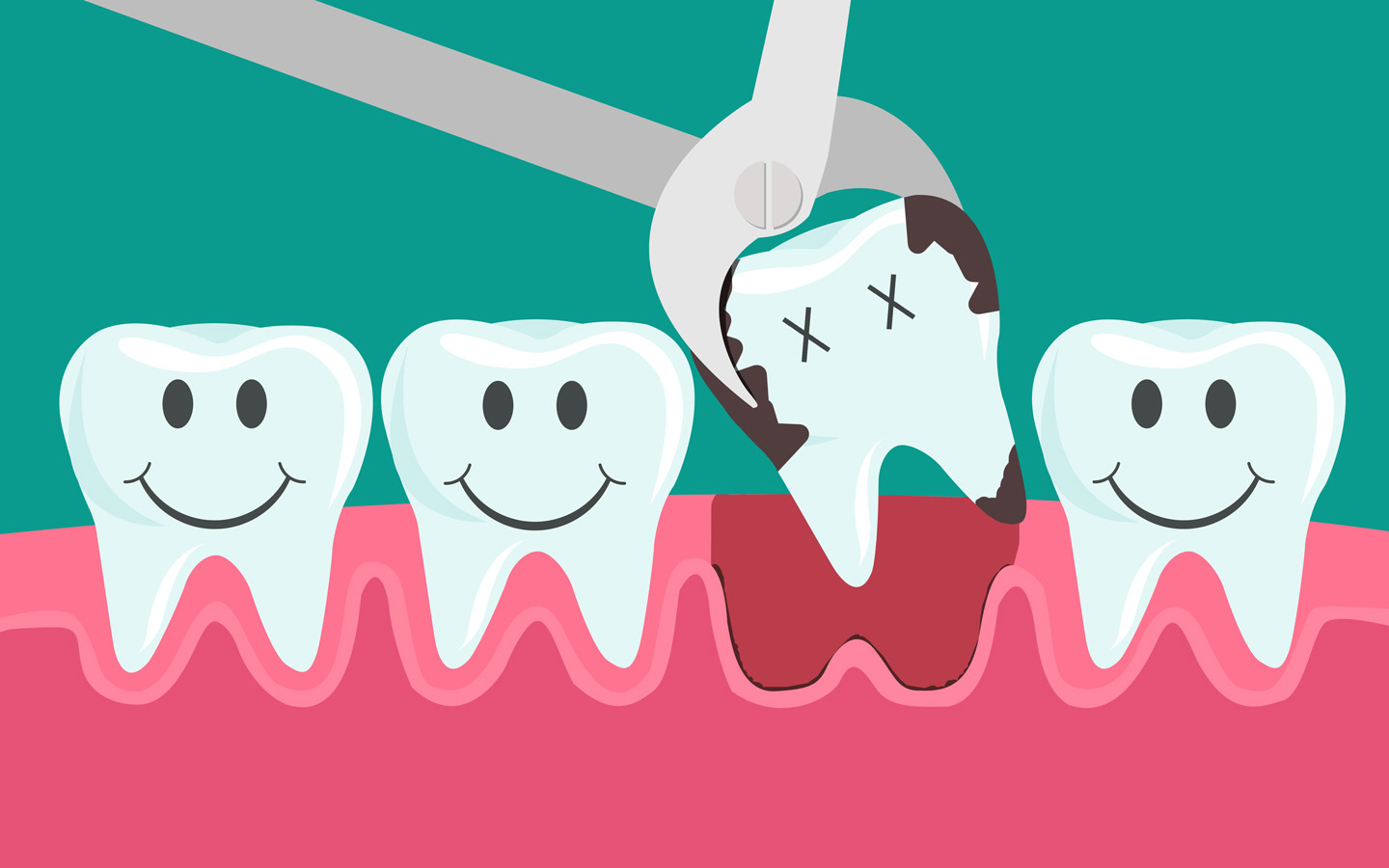
Image Source: www.medicomdtx.com
How Long After A Tooth Extraction Can I Exercise Safely?
After a tooth extraction, you might wonder, “Can I exercise right away?” or “When can I workout after tooth extraction?” The short answer is: no, you should not exercise right away. Most dentists advise waiting at least 24 to 48 hours before doing any physical activity after tooth removal, and often longer for strenuous exercise after extraction. The main goal is to protect the blood clot that forms in the empty socket. This clot is key for proper healing and helps prevent a painful condition called dry socket. Rushing back into activity too soon can lead to serious problems and slow down your tooth extraction recovery time.
Why Rest is Key: The Science Behind Healing
Your body needs time to heal after a tooth extraction. This process starts with the formation of a blood clot. This clot acts like a natural bandage over the empty socket. It protects the bone and nerves underneath. Any activity that dislodges this clot can cause problems.
The Blood Clot’s Crucial Role
When a tooth comes out, blood fills the socket. This blood quickly clots. This clot is very important. It stops bleeding and acts as a base for new bone and gum tissue to grow. Think of it as a protective plug. Without this plug, the socket is open to the air. It is also open to food bits and bacteria.
Preventing Dry Socket
The most common worry after a tooth extraction, especially with exercise, is dry socket. This happens when the blood clot moves or breaks down before the area heals. When the clot is lost, the bone and nerves in the socket become exposed. This causes intense pain. The pain can spread to your ear, eye, or neck. It often feels much worse than the original toothache. Dry socket can also cause bad breath and a bad taste in your mouth.
Things that can lead to dry socket include:
- Sucking actions: Using a straw, smoking, or spitting forcefully.
- Too much rinsing: Swishing water or mouthwash too hard.
- Strenuous activity: Exercise increases blood flow and pressure. This can dislodge the clot.
Avoiding these things is part of dry socket prevention exercise guidelines. Allowing the clot to stay put is crucial.
General Tooth Extraction Recovery Time
The full tooth extraction recovery time varies for everyone. It depends on several things:
- Type of extraction: A simple pull heals faster than a surgical removal of an impacted tooth.
- Your general health: People who are healthy often heal faster.
- How well you follow aftercare rules: Following your dentist’s advice is very important.
Most people start to feel much better after about 3 to 4 days. Full healing of the gum tissue can take 3 to 4 weeks. The bone inside the socket can take many months to fully fill in.
During this time, your body is working hard. It is rebuilding tissue and repairing the area. Any stress on the body can slow this down. Exercise is a form of stress, even if it is good for you normally. Right after surgery, your body needs to focus all its energy on healing.
Activity Restrictions After Dental Extraction
Your dentist will give you specific dental extraction activity restrictions. These rules are put in place to help you heal. They are meant to prevent problems like dry socket or bleeding.
- No heavy lifting: This can raise blood pressure in your head. It can dislodge the clot.
- No bending over: Like lifting, this can also increase pressure in your head.
- Avoid intense cardio: Running, jumping, or fast movements can increase blood flow too much. This can cause bleeding or dislodge the clot.
- Stay away from contact sports: Any bump to the face or mouth can reopen the wound.
- Do not use a straw: The sucking action can pull out the blood clot.
- Do not smoke: Smoking slows healing. It also increases the risk of dry socket.
- Avoid hot liquids or foods: These can increase blood flow and pain.
It is easy to forget these rules when you feel a bit better. But sticking to them, especially in the first few days, is vital. Your body’s internal healing process is delicate. It needs peace and quiet to do its job.
Safe Exercise Timeline: Day-by-Day Guide
Knowing when you can get back to your workout after tooth extraction is key. Here is a general timeline. Remember, your dentist’s advice is always best. They know your specific case.
First 24-48 Hours (Critical Phase)
This is the most important time for rest.
- Goal: Protect the blood clot. Stop any bleeding. Keep swelling down.
- Activity: Absolutely no post-extraction exercise. Zero physical activity after tooth removal.
- What to do:
- Rest at home.
- Keep your head raised, even when sleeping. Use extra pillows.
- Apply ice packs to your face if there is swelling. Do this for 15-20 minutes, then off for 15-20 minutes.
- Eat soft foods. Avoid chewing near the extraction site.
- Do not rinse your mouth hard. Gently swish after 24 hours if your dentist says so.
- Avoid bending, lifting, or straining.
- Why it matters: Blood pressure rises during exercise. This pressure can pop out the clot. This leads to pain and dry socket. Even light exercise can be too much at this stage.
Days 3-7 (Gentle Movement)
If you feel good and have no pain or swelling, you can slowly start some very light movements.
- Goal: Slowly bring back very light activity. Do not risk the clot.
- Activity: Very gentle physical activity after tooth removal. No strenuous exercise after extraction.
- What to do:
- Walking: You can try short, slow walks. Make sure it is not too far. Keep your pace very slow. Stop if you feel any throbbing or discomfort.
- Light housework: Very light chores are okay. Avoid anything that makes you bend or lift.
- No running: Running after tooth extraction is still too much.
- No lifting weights: Lifting weights after tooth extraction is also too much.
- No intense sports: Avoid anything that causes heavy breathing or changes in blood pressure.
- Why it matters: The blood clot is still forming. It is still fragile. Any sudden moves or big changes in blood pressure can cause issues. Listen to your body. If it hurts, stop.
Week 2 Onward (Gradual Return)
Around day 7 to 10, most people can start to return to more normal activities. This is if healing is going well.
- Goal: Slowly increase exercise. Get back to a normal routine.
- Activity: Gradual return to more typical post-extraction exercise.
- What to do:
- Running: You can try running after tooth extraction, but start slow. Do short distances at a gentle pace. Increase slowly over a few days.
- Lifting weights: You can begin lifting weights after tooth extraction. Start with lighter weights than usual. Do fewer repetitions. Focus on good form. Avoid holding your breath and straining.
- Swimming: This is generally fine if the wound is closed. Avoid diving or strong strokes that could increase pressure.
- Yoga/Pilates: Gentle sessions are usually okay. Avoid inverted poses or poses that put pressure on the head.
- Why it matters: While the surface may look healed, the deeper tissues are still repairing. Too much too soon can still cause issues. Be patient. Build up your activity slowly. If you feel any pain, stop.
Specific Exercise Types: What to Watch For
When you do start to exercise, be careful with certain types of movement.
Running After Tooth Extraction
Running involves full-body movement. It can increase blood pressure and heart rate a lot.
- Early days (Day 1-7): Do not run. The bouncing and increased blood flow can dislodge your blood clot. This is a common blood clot disruption exercise concern.
- After 7-10 days: If your healing is good, you can try a very light jog. Start with short distances. Keep your pace slow. If you feel any throbbing, pain, or discomfort near the extraction site, stop at once. It is a sign you are pushing too hard. Gradually increase your speed and distance over several days.
- Listen to your body: Pay close attention to how you feel. Any sign of pain, swelling, or bleeding means you need to stop.
Lifting Weights After Tooth Extraction
Lifting weights, especially heavy ones, can put a lot of strain on your body. It can also raise your blood pressure sharply.
- Early days (Day 1-7): Do not lift weights. This includes even light weights or bodyweight exercises that cause straining. Any straining can increase pressure in your head and mouth. This pressure can dislodge the clot. It can also cause new bleeding.
- After 7-10 days: If healing is good, you can try lifting very light weights. Do this with more reps instead of heavy weights. Avoid movements that make you hold your breath or strain your body. Think about seated exercises. Focus on form. Do not lift anything heavy that requires a big push.
- Avoid the “Valsalva maneuver”: This is when you hold your breath and push down, like when you lift heavy weights. This creates a lot of pressure in your head. This pressure can easily dislodge the blood clot.
- Always start light: Begin with weights much lighter than you normally use. Gradually increase the load over the next week or two.
Other Strenuous Exercise After Extraction
Many other types of strenuous exercise after extraction can also be risky early on.
- High-intensity interval training (HIIT): Avoid this for at least two weeks. It involves quick bursts of intense effort. This causes big changes in heart rate and blood pressure.
- Contact sports: Any sport where you might get hit in the face (like basketball, soccer, martial arts) should be avoided for at least a month. Even a small bump can cause serious issues.
- Swimming: You can swim if the wound is closed and you are not doing intense laps. Avoid diving. Also, be careful in chlorinated water. This can irritate the wound. A general guideline is to wait at least 7 days.
- Yoga or Pilates: Gentle, restorative yoga is often okay after a few days. But avoid inverted poses (like headstands or downward dog) for at least a week or two. These poses bring blood rushing to your head. This increases pressure near the extraction site.
- Cycling: Light, flat-road cycling can be fine after 3-4 days. Avoid intense uphill cycling or mountain biking. These can cause jarring or too much effort.
Signs You’re Doing Too Much
Your body will tell you if you are overdoing it. Pay attention to these signs:
- Throbbing pain: A steady or pulsing pain at the extraction site means you need to stop.
- Bleeding: Any new or increased bleeding means you are pushing too hard.
- Swelling: New swelling or an increase in existing swelling is a warning sign.
- Dizziness or lightheadedness: These are signs that your body is under too much stress.
- Bad taste or smell: This could be a sign of infection or dry socket.
- Feeling tired or weak: Your body is still healing. It needs energy for that.
If you notice any of these signs, stop your activity right away. Rest. Apply ice if needed. If symptoms do not get better, call your dentist.
How to Prevent Blood Clot Disruption Exercise
To keep your blood clot safe during recovery, here are key actions:
- Strict rest for 24-48 hours: No matter how good you feel, skip all physical activity after tooth removal during this critical window.
- Slow return to activity: Do not go from zero to full intensity. Slowly add exercise back into your routine.
- Keep your head still: Avoid activities that cause your head to bounce or jerk.
- Avoid straining: Do not hold your breath and push. This increases pressure in your head.
- Stay hydrated: Drink plenty of water. This helps your body heal.
- Eat soft, cool foods: Avoid anything that needs hard chewing or hot items that can increase blood flow.
- Do not use a straw: The sucking motion can pull out the clot.
- Do not smoke: Smoking is a major risk factor for dry socket.
- Listen to your body: This is the most important rule. If you feel any pain or discomfort, stop immediately.
Tips for a Smooth Post-Extraction Exercise Return
Returning to your workout after tooth extraction safely is important. Here are some tips to help:
- Talk to your dentist: Before you start any exercise, ask your dentist when it is safe for you. They know your health history and the details of your extraction.
- Start with walking: This is the safest first step. It is low impact and does not raise your heart rate too much.
- Stay cool: Overheating can cause blood vessels to expand, which could lead to bleeding. Exercise in a cool place.
- Stay hydrated: Drink lots of water before, during, and after your gentle exercise. Dehydration can slow healing.
- Wear loose clothing: Tight clothing can restrict blood flow and make you uncomfortable.
- Keep your head up: Try to avoid bending over or doing exercises where your head is below your heart.
- Modify your routine: Be willing to change your usual workout. Do less reps. Lift lighter weights. Go slower.
- Be patient: Healing takes time. Do not rush it. Pushing too hard can set you back. It might even need another visit to the dentist.
- Eat well: Good nutrition supports your body’s healing process. Focus on soft, healthy foods.
- Sleep enough: Rest helps your body recover. Make sure you get plenty of sleep.
When to Call Your Dentist
It is important to know when to seek help. Call your dentist right away if you experience any of these:
- Severe pain: Pain that does not get better with medicine, or pain that gets worse. This might be a sign of dry socket or infection.
- Heavy bleeding: Bleeding that does not stop after 30 minutes of gentle pressure with gauze.
- Persistent swelling: Swelling that gets worse after 2-3 days, or new swelling that appears.
- Fever: A temperature over 100°F (37.8°C) could mean an infection.
- Pus: Any yellow or white fluid coming from the extraction site.
- Bad taste or smell: A strong, unpleasant taste or smell, which can mean infection or dry socket.
- Numbness: If numbness from the anesthetic lasts longer than a few hours.
These signs mean something might be wrong. Getting help early can prevent more serious problems.
Conclusion
Returning to physical activity after tooth removal needs careful planning. Your body needs time to heal. The first 24 to 48 hours are crucial for forming a stable blood clot. This clot protects you from dry socket and infection. Strenuous exercise after extraction, like running after tooth extraction or lifting weights after tooth extraction, should be avoided for at least a week, sometimes two. Always listen to your body and your dentist’s advice. Following dental extraction activity restrictions helps ensure a smooth tooth extraction recovery time. By being patient and careful, you can get back to your full workout routine safely.
Frequently Asked Questions (FAQ)
Is light walking okay the day after a tooth extraction?
No, it is best to avoid all physical activity, even light walking, for the first 24 to 48 hours. This allows the blood clot to form and stay put.
How long until I can run after wisdom tooth extraction?
For wisdom tooth extraction, which is often more complex, it is generally advised to wait at least 7 to 10 days before starting any light running. Listen to your body and increase your activity very slowly.
Can I lift light weights after 3 days?
It is usually best to wait a full week (7 days) before attempting any weight lifting, even light weights. The risk of increasing blood pressure and dislodging the clot is still high before then.
What happens if I exercise too soon after tooth extraction?
Exercising too soon can cause the blood clot to dislodge, leading to a painful dry socket. It can also cause increased bleeding, swelling, and a longer recovery time.
When can I play sports after tooth extraction?
For contact sports, you should typically wait at least 3-4 weeks. For non-contact sports, you might be able to return to light play after 10-14 days, but always check with your dentist.