
What is functional fitness? Functional fitness trains your muscles to work together and prepare them for real-life activities. Can I do functional fitness at home? Yes, you can do many functional fitness exercises at home with little to no equipment. Who is functional fitness for? It’s for everyone, from athletes to seniors looking to improve their daily movement.
For decades, the image of a gym workout often involved machines, isolation exercises, and a focus on building muscle mass in a vacuum. This is the realm of traditional gym workouts. On the other hand, functional fitness takes a different approach, aiming to enhance your body’s ability to perform everyday tasks with greater ease, efficiency, and resilience. While both types of training can contribute to overall health, their philosophies, methods, and outcomes diverge significantly.
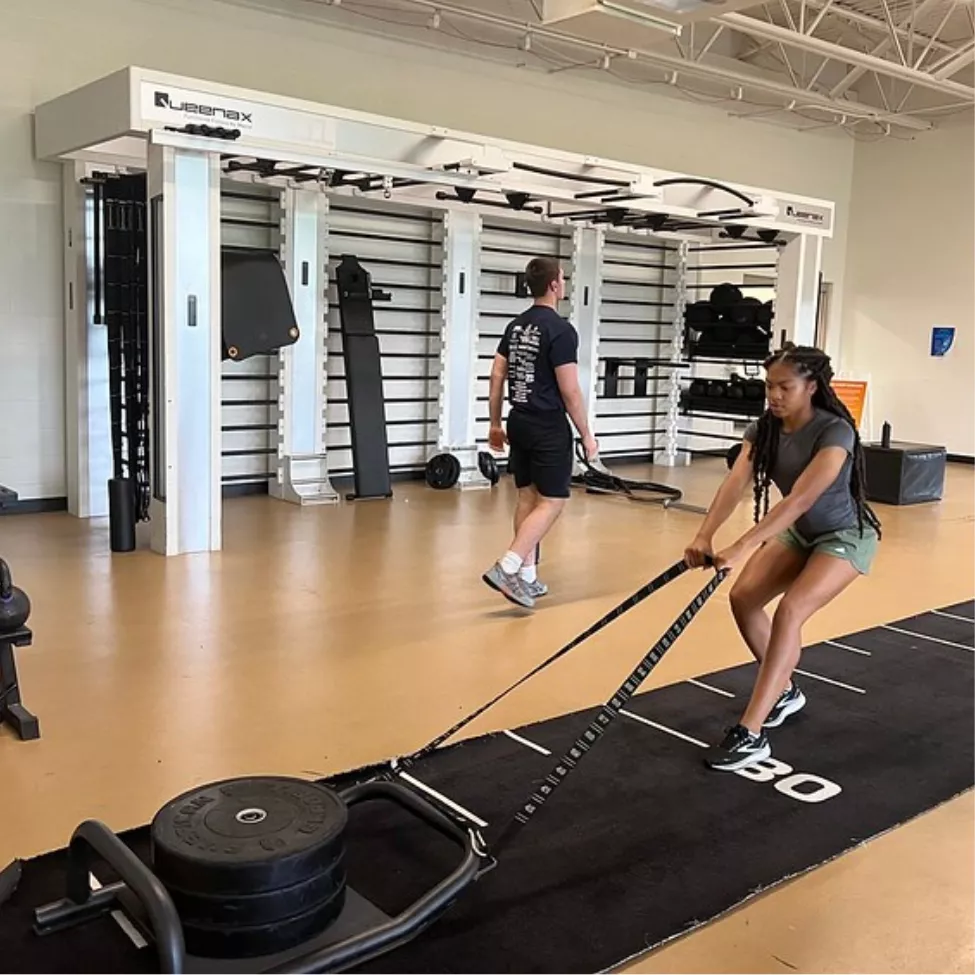
Image Source: jwt-sites-files.storage.googleapis.com
Deciphering the Core Differences
The fundamental divergence between functional fitness and traditional gym workouts lies in their primary objectives and the way they achieve them. Traditional training often prioritizes building individual muscle strength and hypertrophy (muscle growth) in isolation. Think of the bicep curl machine or the leg extension machine. These exercises isolate specific muscle groups.
Functional fitness, conversely, focuses on compound movements that mimic movement patterns used in everyday life. It’s about training your body as a connected unit, much like it operates when you’re lifting groceries, playing with your kids, or reaching for something on a high shelf. This emphasis on integrated movement leads to a more practical and transferable form of strength.
Traditional Gym Workouts: A Closer Look
Traditional gym workouts typically revolve around a structured approach to building muscle and increasing strength through isolation exercises. This often involves machines designed to target specific muscle groups, free weights used for single-joint movements, and cardio equipment for cardiovascular health.
Key Characteristics of Traditional Gym Workouts:
- Isolation Exercises: Focus on working one muscle group at a time (e.g., bicep curls, triceps pushdowns, leg extensions).
- Machine-Based Training: Utilizing machines that guide movement and often reduce the need for stabilizer muscles.
- Hypertrophy Focus: A common goal is to increase muscle size and definition.
- Body Part Splits: Workouts are often divided by muscle groups (e.g., “chest day,” “leg day”).
- External Resistance: Primarily using weights, dumbbells, and machines.
While traditional training can be effective for building a sculpted physique and improving raw strength, it can sometimes neglect the coordination and integration of muscles required for complex, real-world actions. You might have impressive bicep strength, but struggle with the coordination needed to carry a heavy box effectively.
Functional Fitness: Training for Life
Functional fitness is built on the principle of training your body for the demands of daily living and specific activities. It’s about enhancing your ability to move well, feel strong, and prevent injury in all aspects of your life. This type of training emphasizes natural movement patterns that your body performs every day.
Key Characteristics of Functional Fitness:
- Compound Movements: Exercises that engage multiple muscle groups and joints simultaneously (e.g., squats, deadlifts, lunges, overhead presses, carries).
- Integration of Muscles: Training muscles to work together as a coordinated unit.
- Core Strength Emphasis: A strong core is vital for stability and power in most functional movements.
- Balance and Stability: Incorporating exercises that challenge your balance and proprioception (your body’s awareness in space).
- Variety of Equipment: Can utilize bodyweight, resistance bands, kettlebells, medicine balls, stability balls, and free weights.
- Real-Life Activities Mimicry: Exercises are designed to mimic actions like lifting, pushing, pulling, squatting, and twisting.
- Holistic Approach: Focuses on improving overall physical capability, not just isolated muscle strength.
The goal of functional fitness is to build everyday strength and improve athletic performance by enhancing the body’s ability to move efficiently and powerfully in a coordinated manner. It’s about creating a resilient and capable body that can handle whatever life throws at it.
Fathoming the Mechanics: Movement Patterns and Exercise Selection
The way exercises are performed and the types of movements chosen are central to the distinction between these two training styles.
Traditional Gym: Isolating and Building
In a traditional gym setting, the emphasis is often on controlled, linear movements. Machines are designed to isolate muscles, guiding the user through a pre-determined range of motion. Free weights are also used, but often for exercises that primarily involve a single joint or a limited range of motion.
Examples of Traditional Exercises:
- Leg Extensions: Isolates the quadriceps.
- Hamstring Curls: Isolates the hamstrings.
- Bicep Curls: Isolates the biceps.
- Triceps Pushdowns: Isolates the triceps.
- Chest Press Machine: Works the chest, shoulders, and triceps with guided movement.
While these exercises are effective for building targeted muscle mass, they don’t always translate directly to improved performance in complex, multi-joint activities.
Functional Fitness: Integrating and Moving
Functional fitness, on the other hand, prioritizes compound movements and embraces the complexity of human biomechanics. Exercises are chosen because they engage multiple muscle groups and joints in a coordinated fashion, mimicking how we move in the real world.
Examples of Functional Movements:
- Squats: Mimics sitting down and standing up, lifting objects from the ground. Engages quads, hamstrings, glutes, core, and back.
- Deadlifts: Mimics picking up heavy objects. Engages the entire posterior chain (hamstrings, glutes, back), core, and forearms.
- Lunges: Mimics walking and stepping. Engages quads, hamstrings, glutes, and challenges balance.
- Overhead Press: Mimics pushing something overhead. Engages shoulders, triceps, upper back, and core.
- Carries (Farmer’s Walks): Mimics carrying groceries or heavy items. Engages grip strength, traps, core, and legs.
- Medicine Ball Throws/Slams: Mimics explosive movements and rotational power. Engages core, hips, shoulders, and back.
These functional movements require the brain to send signals to multiple muscles simultaneously, enhancing neuromuscular coordination and building a more robust and practical strength. This is the essence of strength and conditioning in its most applied form.
Goals and Outcomes: What Do You Want to Achieve?
The intended outcomes of functional fitness and traditional gym workouts are distinct, even though both can lead to improvements in health and fitness.
Traditional Gym: Aesthetics and Isolated Strength
For many, traditional gym workouts are a pathway to achieving specific aesthetic goals. The focus on isolation exercises and progressive overload for muscle growth can lead to impressive visual results – increased muscle definition, size, and symmetry. It can also lead to significant improvements in maximal strength within specific lifts.
Potential Outcomes of Traditional Training:
- Increased Muscle Hypertrophy: Building larger and more defined muscles.
- Improved Maximal Strength: Lifting heavier weights in isolated movements.
- Enhanced Aesthetics: Achieving a more muscular or sculpted physique.
- Increased Bone Density: As with most resistance training.
- Improved Cardiovascular Health: When combined with cardio.
However, the strength gained in isolation might not always translate seamlessly to functional strength. Someone who can bench press 300 pounds might still struggle with carrying a heavy suitcase up a flight of stairs if their core and supporting muscles aren’t well-trained for coordinated movement.
Functional Fitness: Performance and Everyday Capability
Functional fitness aims to enhance your overall physical capability and improve your quality of life. The goal is not just to look good, but to feel good and perform well in all aspects of life. This type of training directly impacts your ability to handle everyday tasks with ease and reduces the risk of injury.
Potential Outcomes of Functional Fitness:
- Enhanced Everyday Strength: Making daily activities like carrying groceries, climbing stairs, and lifting children easier.
- Improved Athletic Performance: Directly translating to better performance in sports and physical activities.
- Increased Injury Resilience: A stronger, more coordinated body is less prone to strains and sprains.
- Better Balance and Coordination: Crucial for preventing falls, especially as we age.
- Improved Posture: By strengthening the core and supporting muscles.
- Greater Mobility and Flexibility: Many functional movements require a good range of motion.
- Enhanced Neuromuscular Efficiency: Muscles and the brain work together more effectively.
Functional fitness is also highly effective for sport-specific training. Athletes in various disciplines can tailor their functional workouts to mimic the demands of their sport, leading to more targeted improvements in agility, power, and endurance. This is a cornerstone of effective strength and conditioning programs in competitive sports.
Integrating Training: A Synergistic Approach?
While we’ve highlighted the differences, it’s important to note that the lines can blur, and a truly comprehensive fitness plan might incorporate elements of both. For instance, an athlete might use traditional isolation exercises to address specific muscle weaknesses or imbalances that hinder their sport-specific training, while still prioritizing functional movements for overall performance.
When Traditional Might Be Favored:
- Bodybuilding or Physique Competition: Where maximal muscle hypertrophy and definition are the primary goals.
- Rehabilitation from Specific Injuries: Sometimes targeted isolation exercises are necessary to rebuild a particular muscle before reintroducing more complex movements.
- Targeting Specific Weaknesses: If a particular muscle group is significantly lagging and impacting overall movement, isolation might be used temporarily.
When Functional Fitness Shines:
- General Population Fitness: For most people seeking to improve their health, mobility, and ability to perform daily tasks.
- Athletes: For enhancing performance, agility, power, and injury prevention across various sports.
- Older Adults: To maintain independence, prevent falls, and improve quality of life.
- Preventing Musculoskeletal Issues: By building a resilient and well-coordinated body.
Integrated training combines the benefits of both approaches. This might look like a strength and conditioning program that includes heavy compound lifts for overall strength, alongside targeted isolation work for specific muscle development, and dynamic functional movements to improve agility and coordination.
Tools of the Trade: Equipment and Environment
The equipment used and the environment in which training takes place can also reflect the philosophical differences between functional and traditional gym workouts.
Traditional Gym Environment:
- Dominance of Machines: Cybex, Nautilus, Life Fitness, etc.
- Free Weights: Barbells, dumbbells, weight plates.
- Cardio Machines: Treadmills, ellipticals, stationary bikes.
- Mirrors: Often prominent for form checking during isolation movements.
- Dedicated Spaces: Areas for specific machine use or weight lifting.
Functional Fitness Environment:
- Open Space: Often prioritized for movement.
- Variety of Equipment: Kettlebells, medicine balls, resistance bands, plyo boxes, sandbags, TRX suspension trainers, battle ropes.
- Free Weights: Barbells and dumbbells are still essential, but often used for more complex, multi-joint lifts.
- Bodyweight: A significant tool for functional training.
- Less Emphasis on Machines: Machines that restrict movement are generally avoided.
The functional fitness space often feels more dynamic and less compartmentalized, encouraging a wider array of movements and interactions with different types of resistance.
Functional Fitness vs. Traditional Gym: A Comparative Table
To summarize the key differences, let’s look at a comparative table:
| Feature | Traditional Gym Workouts | Functional Fitness |
|---|---|---|
| Primary Goal | Muscle hypertrophy, isolated strength, aesthetics | Everyday strength, performance, injury prevention, coordination |
| Movement Focus | Isolation exercises, single joints | Compound movements, multiple joints, movement patterns |
| Muscle Engagement | Targets individual muscle groups | Trains muscles to work together as a unit |
| Exercise Examples | Leg extensions, bicep curls, chest press machine | Squats, deadlifts, lunges, carries, overhead press, medicine ball work |
| Equipment Emphasis | Machines, isolation-focused free weight exercises | Free weights, bodyweight, kettlebells, medicine balls, bands, etc. |
| Real-Life Transfer | Less direct transfer to complex daily tasks | High transfer to real-life activities |
| Core Emphasis | Often secondary to limb movements | Integral to most movements, core is a primary focus |
| Balance/Stability | May be limited by machine guidance | Actively challenged and trained |
| Ideal For | Bodybuilders, physique athletes, targeted muscle gain | General population, athletes, seniors, injury prevention |
Can Functional Fitness Replace Traditional Gym Workouts?
The answer is nuanced. For someone whose primary goal is to achieve maximum muscle size and definition, a traditional bodybuilding split might be more efficient. However, for the vast majority of people who want to improve their overall health, physical capability, and resilience, functional fitness offers a more direct and practical path.
Many experts advocate for an integrated training approach that blends the strengths of both. You can absolutely achieve significant muscle growth and strength gains through functional training by employing progressive overload and challenging yourself with more complex and heavier variations of compound movements. The key is how you structure your program and what your ultimate objectives are.
Frequently Asked Questions (FAQ)
Q1: Is functional fitness better than traditional gym workouts?
It depends on your goals. Functional fitness is better for improving your ability to perform everyday tasks and enhancing athletic performance. Traditional gym workouts might be more direct for achieving significant muscle hypertrophy and isolated strength. Both can be beneficial for overall health.
Q2: Do I need special equipment for functional fitness?
While some specific tools like kettlebells or medicine balls can be helpful, you can do a great deal of functional fitness with just your bodyweight. Many exercises mimic natural movements and require minimal to no equipment.
Q3: Can functional fitness build muscle?
Yes, absolutely. By progressively overloading compound movements and challenging yourself with appropriate intensity and volume, you can effectively build muscle mass through functional fitness. Exercises like squats, deadlifts, and carries recruit a large amount of muscle fibers.
Q4: Is functional fitness suitable for beginners?
Yes, functional fitness is very suitable for beginners. You can start with bodyweight exercises and gradually progress to using lighter weights and more complex movements as your strength and coordination improve. The focus on proper form and natural movement patterns is crucial for beginners.
Q5: How does functional fitness help with injury prevention?
Functional fitness strengthens the muscles that support your joints and improves your coordination and balance. By training your body to move efficiently and with proper movement patterns, you reduce the strain on your musculoskeletal system, making you less susceptible to injuries during everyday activities or sports. This is a key aspect of strength and conditioning.
Q6: What is an example of a functional fitness workout?
A sample functional fitness workout might include:
* Warm-up: Dynamic stretches like arm circles, leg swings, torso twists.
* Main Workout:
* Goblet Squats (3 sets of 10-12 reps)
* Push-ups (3 sets to near failure)
* Walking Lunges (3 sets of 10-12 reps per leg)
* Dumbbell Rows (3 sets of 10-12 reps per arm)
* Plank (3 sets, hold for 30-60 seconds)
* Farmer’s Walk (3 sets, walk for 30-60 seconds)
* Cool-down: Static stretching.
This routine incorporates compound movements that mimic daily tasks and engage multiple muscle groups.