
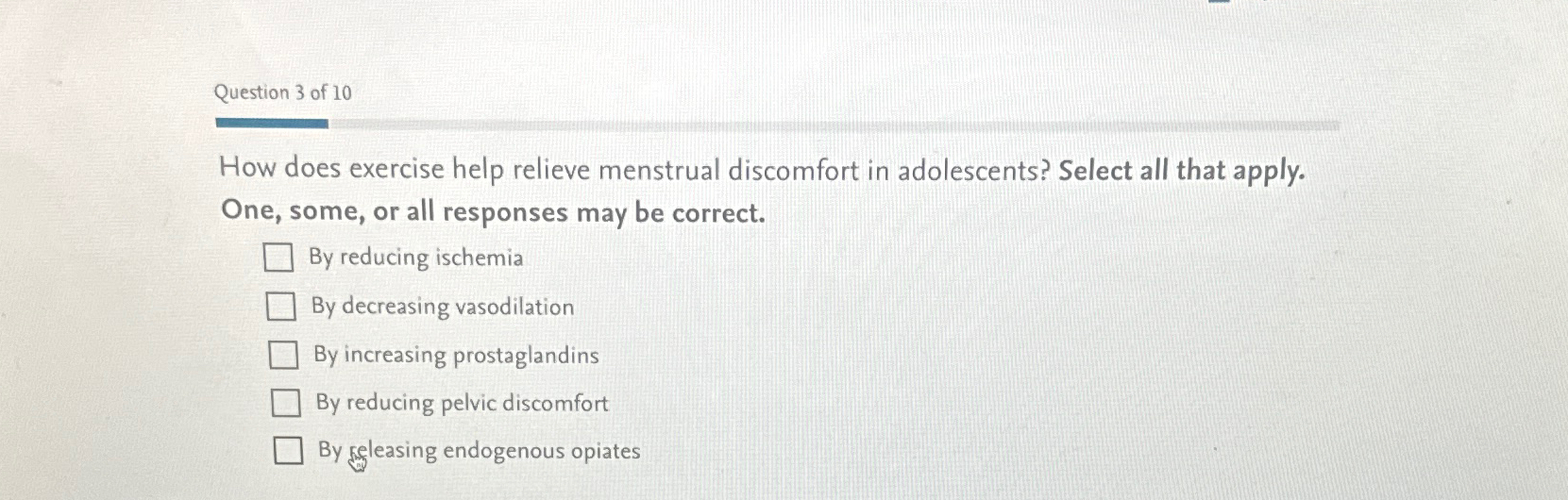
Yes, exercise can significantly help relieve menstrual discomfort in adolescents. Regular physical activity can ease period pain, reduce bloating, and improve mood, contributing to overall teen health and better management of periods.
Adolescence is a pivotal time for many reasons, and for those who menstruate, it often brings a new set of experiences, including menstrual cycles. While these cycles are a natural part of women’s health, they can sometimes be accompanied by discomfort, commonly known as menstrual discomfort or period pain. This can range from mild inconvenience to significant distress, impacting daily life, school attendance, and overall well-being. Fortunately, there’s a powerful, accessible tool that can make a real difference: exercise. This comprehensive guide explores how physical activity helps adolescents manage their periods and boost their health.
Image Source: media.cheggcdn.com
The Science Behind Period Pain and Exercise
Menstrual cramps, also known as dysmenorrhea, are a common complaint among teenagers. They are typically caused by uterine contractions stimulated by hormone-like substances called prostaglandins. These prostaglandins are released in the uterine lining and cause the uterine muscles to contract, squeezing blood vessels and restricting oxygen supply to the uterine muscle. This lack of oxygen leads to pain.
Exercise, however, offers a multi-faceted approach to tackling this discomfort.
How Exercise Works to Alleviate Discomfort
- Endorphin Release: During exercise, the body releases endorphins. These are natural mood lifters and pain relievers. Think of them as your body’s own natural painkillers and mood boosters. They work by blocking pain signals to the brain and creating a sense of well-being. This can directly counteract the pain associated with menstrual cramps.
- Improved Blood Circulation: Physical activity enhances blood flow throughout the body, including to the pelvic region. Better circulation can help reduce the buildup of prostaglandins and ease muscle tension, both of which contribute to period pain. When blood flows more freely, it can help carry away pain-causing substances and deliver more oxygen to the muscles, allowing them to relax.
- Hormonal Balance: Regular exercise contributes to a healthier hormonal balance overall. While the menstrual cycle itself is driven by hormones, imbalances or fluctuations can sometimes exacerbate symptoms. Consistent physical activity can help regulate hormones, potentially leading to more predictable cycles and less intense discomfort. This can be a significant factor in long-term teen health.
- Reduced Stress and Tension: Stress can often amplify physical discomfort, including menstrual cramps. Exercise is a well-known stress reliever. By engaging in physical activity, adolescents can reduce their overall stress levels, which can, in turn, lessen the perceived intensity of period pain. When you’re less stressed, your body is better equipped to handle pain signals.
- Bloating Relief: Many individuals experience bloating and water retention during their period. Exercise, particularly activities that get you moving, can help stimulate digestion and reduce water retention, providing much-needed bloating relief. Sweating during exercise also helps the body eliminate excess fluids.
Types of Exercise That Offer the Most Benefits
Not all exercises are created equal when it comes to managing menstrual discomfort. While any movement is generally good, certain types of physical activity are particularly effective.
Gentle and Rhythmic Activities
These types of exercises are excellent for warming up the body and promoting relaxation without causing excessive strain.
- Walking: A brisk walk is an accessible and effective way to get the blood flowing. It’s low-impact and can be done almost anywhere. Aim for 30 minutes or more at a comfortable pace.
- Cycling: Whether outdoors or on a stationary bike, cycling provides a good cardiovascular workout. It helps improve circulation and can be quite enjoyable, contributing to mood improvement.
- Swimming: The buoyancy of water can be incredibly soothing for aching muscles. Swimming is a full-body workout that is gentle on the joints and promotes relaxation.
- Yoga: Yoga is renowned for its ability to improve flexibility, reduce stress, and promote deep relaxation. Certain poses, like child’s pose or gentle twists, can be particularly helpful for relieving menstrual cramps. The focus on breathwork also aids in stress reduction and pain management.
- Tai Chi: This ancient Chinese practice involves slow, deliberate movements and deep breathing. It’s excellent for improving balance, reducing stress, and promoting a sense of calm, which can be beneficial for managing periods.
Moderate Aerobic Exercise
For those who feel up to it, moderate cardio can offer significant relief.
- Jogging or Running: A moderate jog can boost endorphin levels substantially. Start slowly and increase intensity as you feel comfortable.
- Dancing: Dancing is a fun and energetic way to get your heart rate up. It’s a great way to release pent-up energy and tension, often leading to a mood improvement.
- Aerobics Classes: Many fitness classes, like Zumba or step aerobics, are designed to be engaging and effective cardiovascular workouts.
Strength Training
While not always the first thing people think of for period pain, strength training can also play a role in long-term menstrual health.
- Weightlifting: Building muscle can improve your body’s overall metabolism and hormonal regulation.
- Bodyweight Exercises: Activities like squats, lunges, and push-ups can be done anywhere and help strengthen muscles, contributing to better posture and reduced strain on the back, which can sometimes be affected by period pain.
Incorporating Exercise into a Teen’s Routine
Making exercise a regular part of a teen’s life requires a thoughtful approach. It’s not just about the type of exercise, but how it’s integrated.
Timing is Key
- Before Your Period: Starting an exercise routine even before your period begins can help build resilience and potentially lessen the severity of symptoms when they arrive.
- During Your Period: Listen to your body. If you’re experiencing severe pain, it’s okay to opt for gentler activities or take a rest day. However, for mild to moderate discomfort, light to moderate exercise can often provide relief. Don’t let the thought of discomfort deter you from moving altogether.
- After Your Period: Continue your exercise routine to maintain hormonal balance and overall health.
Making it Enjoyable
The key to consistency is making exercise something teens look forward to, not dread.
- Find Activities You Love: If you hate running, don’t force yourself to run. Try dancing, swimming, or a sport you enjoy.
- Exercise with Friends: Working out with a friend can provide motivation and make the experience more fun. It also fosters social connections, contributing to teen health.
- Set Realistic Goals: Start small and gradually increase the duration and intensity of your workouts. Celebrate your achievements along the way.
- Variety is the Spice of Life: Mix up your workouts to prevent boredom and work different muscle groups.
Practical Tips for Managing Periods with Exercise
- Hydration: Drink plenty of water before, during, and after exercise, especially when experiencing bloating.
- Nutrition: Fuel your body with nutritious foods. A balanced diet supports overall energy levels and can help manage hormonal fluctuations.
- Listen to Your Body: This is the most crucial advice. If you are experiencing severe pain, nausea, or dizziness, rest. Pushing yourself too hard can be counterproductive.
- Warm-up and Cool-down: Always start with a gentle warm-up and end with a cool-down and stretching to prevent injuries and ease muscle recovery.
Beyond Period Pain: Broader Exercise Benefits for Teen Health
The positive impact of exercise extends far beyond just easing menstrual discomfort. It’s a cornerstone of overall teen health and well-being.
Physical Health Advantages
- Weight Management: Regular physical activity helps maintain a healthy weight, reducing the risk of obesity-related health issues.
- Stronger Bones and Muscles: Exercise builds strong bones and muscles, crucial for growth and development during adolescence. This contributes to long-term women’s health.
- Improved Cardiovascular Health: Aerobic exercise strengthens the heart and lungs, reducing the risk of heart disease later in life.
- Better Sleep: Physical activity can improve sleep quality, helping teens feel more rested and alert.
Mental and Emotional Well-being
- Mood Improvement: As mentioned earlier, endorphins released during exercise are powerful mood boosters, helping to combat feelings of sadness or anxiety.
- Stress Reduction: Exercise is a fantastic way to manage the everyday stresses of school, social life, and adolescence.
- Increased Self-Esteem and Confidence: Achieving fitness goals and feeling stronger can significantly boost a teen’s self-esteem and confidence.
- Improved Cognitive Function: Studies show that exercise can enhance concentration, memory, and overall brain function, which can be beneficial for academic performance.
Frequently Asked Questions (FAQ)
Here are some common questions about exercise and menstrual discomfort in adolescents:
Q1: How soon can I expect to feel relief from period pain after exercising?
A1: You might feel some relief shortly after a workout due to endorphin release. However, for more sustained benefits, consistent exercise is key. Many find that regular physical activity over time leads to less intense pain overall during their periods.
Q2: Can I exercise if I have very heavy periods?
A2: For most people, exercise is safe even with heavy periods. However, it’s important to listen to your body. If you feel dizzy, weak, or excessively fatigued, it’s best to choose a gentler form of exercise or rest. Staying hydrated and ensuring you have adequate iron intake is also crucial with heavy periods.
Q3: What if I experience nausea or dizziness during my period and feel too unwell to exercise?
A3: This is a sign to be gentle with yourself. Focus on hydration and rest. When you feel a bit better, try very light activities like gentle stretching or a short, slow walk. Don’t push yourself if you feel significantly unwell.
Q4: How much exercise is recommended for managing periods?
A4: The general recommendation for adolescents is at least 60 minutes of moderate-to-vigorous physical activity most days of the week. For period management, even 30 minutes of moderate activity several times a week can make a difference. The most important thing is consistency.
Q5: Are there any exercises I should avoid during my period?
A5: It’s generally advisable to avoid extremely strenuous or high-impact activities if you are experiencing severe pain or discomfort. Also, avoid exercises that put excessive strain on your abdomen or lower back if those areas are particularly sensitive. However, for most people, the benefits of most forms of exercise outweigh the risks, provided they listen to their body.
Q6: Can exercise help with PMS symptoms other than cramps, like mood swings and bloating?
A6: Absolutely! Exercise is fantastic for mood improvement, helping to alleviate irritability and mood swings associated with PMS. The physical exertion also aids in reducing water retention and promoting digestion, which can lead to significant bloating relief.
Conclusion
Exercise is a powerful, natural, and accessible tool for adolescents to manage menstrual discomfort and enhance their overall well-being. By incorporating regular physical activity, teens can experience a reduction in period pain, less bloating, and a significant boost in mood and mental health. It’s not just about alleviating temporary discomfort; it’s about building healthy habits that support lifelong women’s health. Encouraging adolescents to find activities they enjoy and to listen to their bodies is crucial for fostering a positive relationship with exercise and for thriving throughout their lives. Investing in physical activity is an investment in a healthier, happier future for every teen.