
A pedometer helps people reach their fitness goals in many ways. It counts your steps, making it easy to track your daily activity monitoring. This simple act of counting steps gives you clear benefits of step tracking. Seeing your steps go up acts as great fitness tracker motivation. It helps you set and achieve walking goals, whether big or small. Pedometers also show you an estimate of your calorie burn. This makes progress tracking for exercise simple and clear. Over time, using a pedometer can help you increase your physical activity. It guides you in setting fitness targets and forming healthy habits.
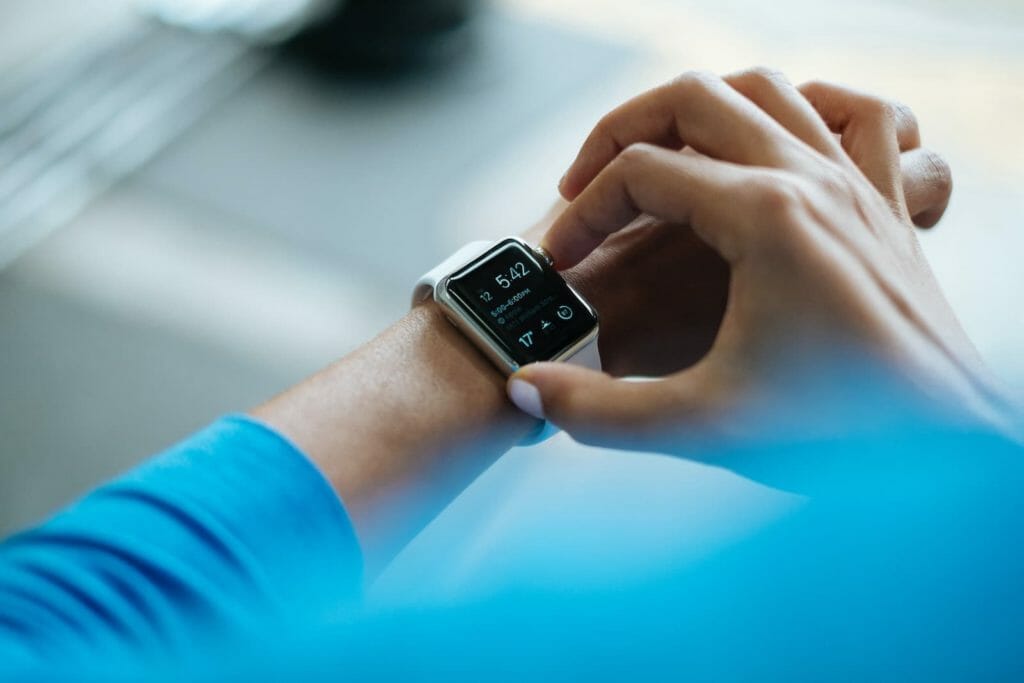
Image Source: fitnessproject.us
What is a Pedometer?
A pedometer is a small device. It counts your steps. It is a type of wearable technology for health. Most pedometers clip onto your clothes. Some are worn on your wrist. Others are built into smartphones. They work by sensing your body’s motion. Each swing of your hip or arm counts as a step.
How Do Pedometers Work?
Old pedometers used a pendulum. It swung with each step. A spring brought it back. This movement turned a gear. The gear counted the steps.
Modern pedometers are more advanced. They use tiny sensors. These sensors are called accelerometers. They measure movement in different directions. A small chip inside reads these movements. It knows when you take a step. It then adds one to your total.
Some pedometers use GPS too. They can track distance more exactly. They also know your speed. Many smartwatches have this built-in.
The Power of Knowing Your Steps
Knowing your steps is a big first step. It shows you what you do each day. You might think you move a lot. But a pedometer shows the truth. This daily activity monitoring is very helpful.
Seeing Your Baseline Activity
First, a pedometer shows your starting point. You wear it for a few days. You do your normal routine. The pedometer tells you how many steps you take. This is your baseline. It might be 3,000 steps. Or 5,000 steps. Knowing this number is key. You cannot improve what you do not measure.
Benefits of Step Tracking
Tracking steps has many clear benefits.
* Awareness: You become more aware of your movement. You see how often you sit. You see how much you walk.
* Simple Goal Setting: It makes goals easy to set. You want to walk more. How much more? A pedometer helps you decide.
* Instant Feedback: It gives you feedback right away. You walk to the store. You check your steps. You see the increase.
* Motivation: Seeing your steps go up feels good. It makes you want to keep going. This is a big part of fitness tracker motivation.
Setting Clear Targets
Once you know your steps, you can set targets. This is where a pedometer truly shines. It helps you set fitness targets that you can reach. The common goal is 10,000 steps a day. But any increase is good.
Why 10,000 Steps?
The idea of 10,000 steps started in Japan. It became popular worldwide. It is a good goal for many reasons.
* It is enough to get good health benefits.
* It is a challenge for most people.
* It means you are active throughout the day.
However, 10,000 steps might not be right for everyone. If you take 3,000 steps now, 10,000 is a big jump. A pedometer helps you make smaller, steady goals.
Crafting Personal Walking Goals
You can start small. Add 500 steps to your daily baseline. Do this for a week. Then add 500 more. This gradual way works best. It makes achieving walking goals easier.
* Step 1: Find your baseline. Wear the pedometer for 3-5 days. See your average steps.
* Step 2: Set a small, new goal. Add 500-1,000 steps to your average.
* Step 3: Stick to it for a week. Make sure you meet this new goal every day.
* Step 4: Increase again. Once it feels easy, add more steps.
This slow increase helps you build strength. It also helps you build a habit.
Fitness Tracker Motivation Through Data
One of the biggest helpers is motivation. A pedometer offers strong fitness tracker motivation. It does this by showing you data. You see your progress. This makes you want to do more.
Seeing Your Daily Progress
Every step you take adds up. Your pedometer shows the total. This number goes up all day. It feels good to see it grow. It is like a game. You want to beat your last score.
Progress Tracking for Exercise
Many pedometers store your data. You can see steps for each day. You can see steps for each week. This progress tracking for exercise is powerful.
* Charts and Graphs: Many apps show your steps in charts. You see lines going up. This shows your hard work.
* Streaks: Some apps show “streaks.” This means how many days in a row you hit your goal. You do not want to break a streak. This drives you to keep moving.
* Reminders: Some pedometers remind you to move. They buzz if you sit too long. This helps you get up and walk.
When you see your progress, you feel successful. This feeling makes you want to keep going. It builds belief in yourself.
Calorie Burn and Your Pedometer
Many pedometers also estimate calorie burn. This is a great way to see how much energy you use. The calorie burn pedometer feature gives you more information.
How Calories Are Estimated
A pedometer uses your steps and other info. It needs your height and weight. You put these details into the device or app.
* Steps: More steps mean more movement.
* Distance: The pedometer estimates distance from your steps.
* Body Info: Your weight matters. A heavier person burns more calories for the same steps.
The pedometer takes this info. It uses a formula. Then it gives an estimate of calories burned.
Using Calorie Data Wisely
This calorie count is an estimate. It is not perfect. But it is still useful.
* Compare Daily Effort: You can compare one day to another. Did you burn more calories today? Why? Maybe you walked more.
* Match Food Intake: It helps you think about food. If you burn more calories, you might eat a bit more. If you burn fewer, you might eat less.
* Feel Good About Movement: It shows that walking burns calories. This helps you see walking as real exercise. It contributes to weight control.
Do not rely only on the pedometer for exact calorie counts. Use it as a guide. It shows how active you are.
Increasing Physical Activity
The main goal of a pedometer is to help you move more. It helps increasing physical activity in many ways. It makes you think about every chance to move.
Finding More Chances to Walk
Once you have a pedometer, you look for ways to get steps.
* Take the Stairs: You might choose stairs instead of the elevator.
* Park Farther Away: You might park at the back of the lot. This adds steps.
* Walk During Breaks: Take short walks during work breaks.
* Walk While Talking: Pace around when on the phone.
* Walk with Friends/Family: Turn social time into active time.
Every small effort adds up. The pedometer shows you this. It makes these small choices feel important.
Making Movement a Habit
A pedometer helps make movement a part of your daily life. It is not just about big workouts. It is about constant, small movements. This is key for increasing physical activity long-term.
* Consistency: The pedometer pushes you to move every day. Not just sometimes.
* Awareness: You become aware of how much you sit. This makes you want to stand up.
* Positive Reinforcement: Reaching your step goal feels good. This good feeling makes you want to do it again.
Healthy Habit Formation
Using a pedometer helps you form healthy habits. It is not just about steps. It is about changing how you live. This forms a strong base for a healthier life.
From Steps to Routine
A pedometer helps turn a simple step count into a routine.
* Daily Check-in: You start checking your steps each day. This becomes a habit.
* Planning Movement: You start planning how to get more steps. “I will walk after dinner.” This planning becomes a habit.
* Small Wins: Each time you reach your goal, it is a win. Many small wins build confidence.
Building a Healthier Lifestyle
This shift in thinking leads to a healthier lifestyle.
* Better Sleep: More physical activity often leads to better sleep.
* Improved Mood: Movement can lift your mood. It can reduce stress.
* Increased Energy: Being active gives you more energy, not less.
* Weight Management: Regular walking helps control weight.
* Reduced Health Risks: More activity lowers risks for many diseases.
The pedometer is a simple tool. But it can kick-start a big change. It helps you make healthy choices without even thinking about it. This is how healthy habit formation happens.
Choosing the Right Pedometer
There are many types of pedometers. Choosing the right one helps you use it best.
Types of Pedometers
- Clip-on Pedometers: These are small devices. You clip them to your belt or pocket. They are simple and often just count steps.
- Wrist-worn Pedometers/Fitness Trackers: These look like watches. They count steps, distance, and calories. Many also track sleep and heart rate. They often link to a smartphone app.
- Smartphone Apps: Most smartphones have built-in pedometer apps. They use the phone’s sensors. They are free if you already have a phone.
- Smartwatches: These are advanced wrist devices. They do everything a fitness tracker does. They also let you make calls, send texts, and much more.
What to Look For
When choosing a pedometer, think about:
* Accuracy: How well does it count steps? Check reviews.
* Ease of Use: Is it simple to set up and read?
* Comfort: If it’s a wearable, does it feel good?
* Features: Do you just want steps? Or do you want calories, heart rate, or sleep tracking?
* Battery Life: How long does the battery last?
* App Quality: If it has an app, is it easy to use? Does it show good data?
* Price: Pedometers range from cheap to very costly.
Tips for Maximizing Pedometer Use
Having a pedometer is one thing. Using it well is another. Here are tips to get the most out of it.
Wear It Consistently
The best way to get accurate data is to wear it every day. Put it on first thing in the morning. Take it off only when you sleep or shower (if it is not waterproof). Consistency gives you the truest picture of your activity.
Set Realistic Goals
Do not jump from 3,000 to 10,000 steps overnight. Start small. Add 500-1,000 steps a week. Celebrate small wins. This keeps you motivated. Remember, setting fitness targets that are too hard can lead to giving up.
Find a Walking Buddy
Walk with a friend or family member. It makes walking more fun. You can encourage each other. You can even make it a friendly competition. This adds to the fitness tracker motivation.
Break Up Your Day
You do not have to walk all steps at once. Break your walking into chunks.
* Take a 10-minute walk in the morning.
* Walk at lunchtime.
* Take short walks during breaks.
* Walk after dinner.
Every little bit helps to increase your physical activity.
Make It a Game
Challenge yourself.
* “Can I beat yesterday’s steps?”
* “Can I reach my goal before noon?”
* “How many steps can I get while doing chores?”
This makes step counting fun.
Track Your Food (Optional)
Some pedometer apps let you track food. This helps connect your calorie burn pedometer data to your diet. It gives a bigger picture of your health.
Review Your Progress
Regularly look at your data.
* Check your steps at the end of each day.
* Look at your weekly average.
* See how many times you hit your goal.
This progress tracking for exercise keeps you informed and engaged. It reinforces the benefits of step tracking.
Beyond Steps: Other Pedometer Features
While counting steps is key, many modern pedometers do more. These added features can give even more support for your fitness goals.
Distance Tracking
Most pedometers also show distance. They use your step count and stride length. This lets you know how far you have walked. It helps with achieving walking goals related to distance, like “walk 5 miles this week.”
Calorie Burn Estimation
As discussed, this feature estimates calories burned. It gives you a sense of energy used.
Sleep Monitoring
Many wrist-worn pedometers track sleep. They sense how much you move at night. This can show:
* How long you slept.
* How well you slept (restless vs. deep sleep).
Good sleep is vital for health. This feature helps you see if you are getting enough.
Heart Rate Monitoring
Some pedometers have a heart rate sensor. This tells you how fast your heart beats.
* Resting Heart Rate: A lower resting heart rate often means better fitness.
* Exercise Zones: During exercise, it can show if you are working hard enough.
GPS Tracking
Advanced pedometers have GPS. This tracks your route, speed, and distance very accurately. It is great for running or cycling.
Smart Notifications
Many wrist devices show phone alerts. You can see calls, texts, or app alerts. This means you do not have to check your phone as often.
These extra features give you a more complete picture of your health. They add to the overall wearable technology for health experience.
Real-Life Success Stories (Illustrative Examples)
Let’s imagine how a pedometer can help different people.
Sarah, the Office Worker
Sarah sat at a desk all day. She rarely moved. Her pedometer showed she took only 2,500 steps a day. She decided to change.
* Goal: Increase to 5,000 steps in a month.
* Actions: She started taking short walks on her breaks. She walked to a further coffee shop. She walked around her house while on calls.
* Result: Within weeks, she easily hit 5,000 steps. Her energy grew. She felt less tired after work. Her pedometer showed steady progress tracking for exercise.
Mark, the Retiree
Mark wanted to stay active in retirement. He bought a pedometer to help. His initial steps were around 4,000.
* Goal: Reach 8,000 steps daily.
* Actions: He joined a walking group. He walked his dog twice a day instead of once. He started doing chores around the house that involved more movement.
* Result: He consistently hit his goal. He felt stronger. His doctor praised his increased physical activity. The pedometer gave him constant fitness tracker motivation.
Emily, the Mom
Emily struggled to find time for exercise with two small kids. Her pedometer showed about 6,000 steps, but mostly from chasing kids. She wanted more focused movement.
* Goal: Add 30 minutes of brisk walking every day, aiming for 10,000 steps total.
* Actions: She started walking with her kids in the stroller in the morning. She used her pedometer to ensure her walks were long enough. She made a game of getting more steps on family outings.
* Result: She felt fitter and had more energy for her kids. She was achieving walking goals she never thought possible, and her healthy habit formation made her a role model.
These stories show how a pedometer is a simple yet powerful tool. It helps real people make lasting changes.
Interpreting Pedometer Accuracy
It’s important to know that pedometers are not 100% perfect. But they are good enough for most uses.
Factors Affecting Accuracy
- Placement: Where you wear it matters. Wrist pedometers might miss steps if your arm is still (e.g., pushing a shopping cart). Hip pedometers are often more accurate for steps.
- Movement Type: Pedometers count steps. They might not be as accurate for activities like cycling or swimming.
- Stride Length: For distance and calorie burn, the pedometer estimates your stride. If you do not set your height correctly, or if your stride changes (e.g., running vs. walking), it affects accuracy.
- Technology: Better sensors usually mean better accuracy.
Using Data Despite Small Errors
Do not worry about a few missed steps. The value of a pedometer is in the trend.
* Focus on Trends: Is your average step count going up over days and weeks? That is what matters.
* Relative, Not Absolute: Use the numbers to compare your own activity. If you get 8,000 steps today and 7,500 yesterday, you know you moved more today. The exact number might be slightly off, but the comparison is valid.
* Consistency is Key: The more consistently you wear it, the more useful the data becomes, even with small errors.
A pedometer is a tool for self-awareness and motivation. Its main job is to show you how much you move and encourage you to move more. For this, even a slightly imperfect pedometer works very well.
Conclusion: Your Partner in Fitness
A pedometer is more than just a step counter. It is a powerful partner in your fitness journey. It starts by giving you clear data on your daily activity monitoring. This forms the basis for setting fitness targets that are real and achievable.
The instant feedback and detailed progress tracking for exercise provide constant fitness tracker motivation. Seeing your steps go up, your distance increase, and your calorie burn pedometer estimates rise makes you feel good. This feeling drives you to keep moving forward.
By helping you achieve walking goals and encouraging you to find more opportunities for increasing physical activity, a pedometer helps you form healthy habits that last. It turns the big goal of “getting fit” into small, manageable steps.
Whether you choose a simple clip-on device or a smart, feature-rich wearable technology for health, the core benefit remains. A pedometer makes you aware of your movement. It motivates you to do more. And in doing so, it helps you step by step, literally, towards a healthier, more active life.
Frequently Asked Questions (FAQ)
Q1: How many steps should I aim for each day?
A1: Many people aim for 10,000 steps. But this depends on your fitness level. If you are new, start with your current steps. Then add 500-1,000 steps each week. Gradually increase your goal.
Q2: Is a pedometer accurate for calorie burn?
A2: A pedometer gives an estimate for calorie burn. It is not 100% precise. But it is good for comparing your activity levels each day. Use it as a guide, not an exact number.
Q3: Can a pedometer track other activities besides walking?
A3: Most pedometers are best for walking and running. Some advanced ones can track other activities if they involve arm or leg movement. However, they may not be as accurate for things like cycling or swimming. Dedicated devices are better for those.
Q4: Should I wear my pedometer all the time?
A4: Yes, for the best results, wear it as much as possible. Wear it all day from morning until night. This gives you the most complete picture of your daily activity. Take it off for showering or swimming if it is not waterproof.
Q5: What is the best way to get more steps each day?
A5: Look for chances to move more. Take the stairs instead of the elevator. Park farther away. Walk during phone calls. Take short walks on breaks. Walk with a friend. These small changes add up fast.
Q6: Can a pedometer help with weight loss?
A6: Yes, a pedometer can help with weight loss. It encourages you to increase your physical activity. More activity means more calories burned. When combined with a healthy diet, this can lead to weight loss.
Q7: How often should I check my steps?
A7: You can check your steps throughout the day. This helps you know how close you are to your goal. Many people check in the morning, at midday, and before bed. This helps you adjust your activity.
Q8: Are smartphone pedometer apps as good as dedicated pedometers?
A8: Smartphone apps are quite good for basic step counting. They use your phone’s built-in sensors. But dedicated pedometers or fitness trackers can be more accurate. They may also offer more features, like heart rate or sleep tracking.