
To clean rubber gym floors easily, you start with simple daily steps like sweeping or vacuuming to get rid of loose dirt. Then, you use a damp mop with a special cleaning solution made for rubber floors. It’s important to use the right kind of cleaner and not too much water. Regular cleaning keeps the floor safe, looking good, and lasting a long time.
Gym floors made of rubber are tough and great for workouts. They protect the floor underneath, help stop slips, and make things quieter. But because people sweat and move around a lot, these floors can get dirty, smelly, and hold germs. Cleaning them the right way is a must for any gym, whether it’s big or small, public or in your home. This guide will tell you the best ways to keep your rubber gym floor clean and fresh without a lot of hard work.
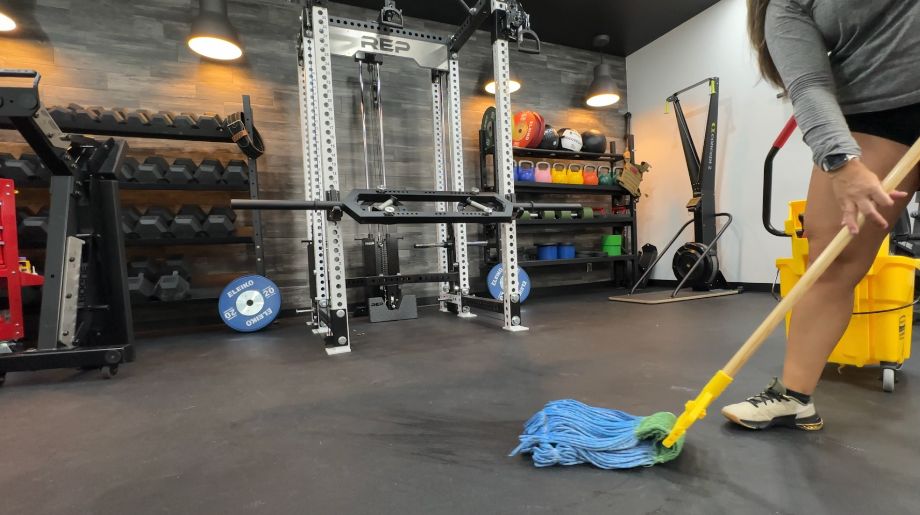
Image Source: www.garagegymreviews.com
Why Cleaning Your Rubber Gym Floor Matters
Keeping your gym floor clean is more than just making it look nice. It has important benefits for the people using the gym and for the floor itself.
Good for Health and Cleanliness
Think about all the people working out. Sweat drips, shoes track in dirt, and germs can build up fast. A dirty floor is a perfect spot for bacteria and viruses to grow. Cleaning and disinfecting regularly helps stop the spread of germs. This makes the gym safer and healthier for everyone.
Makes the Floor Last Longer
Rubber floors are an investment. Dirt, sand, and grit are like tiny sandpaper. If they stay on the floor, they can scratch and wear away the surface over time. Sweat and some chemicals can also break down the rubber. Regular cleaning takes away these things, helping your floor stay strong and last for many years.
Keeps It Looking Nice
A clean floor looks better. It shows you care about the space. Scuff marks and dirt make a gym look old and not well cared for. Cleaning keeps the colors bright and the surface looking new. This makes the gym a nicer place to be.
Stops Bad Smells
Sweat and moisture getting into the rubber can cause bad smells over time. This is especially true for rubber gym mats. Cleaning helps remove the things that cause smells. Proper drying after cleaning is also key to keeping the air in the gym fresh. Learning about removing odor from gym mats is part of keeping the whole space smelling clean.
Daily Maintenance of Rubber Gym Floor
The first step to an easy cleaning routine is doing a little bit every day. This stops dirt from building up and makes bigger cleaning jobs easier. This is the most important part of daily maintenance of rubber gym floor.
Getting Rid of Loose Stuff
Every day, you need to get rid of loose dirt, dust, hair, and small stones.
- Sweeping: Use a soft-bristle broom or a large dust mop. Push all the loose stuff into a pile and pick it up. Do this in all areas, especially near doors where people walk in.
- Vacuuming: A vacuum made for hard floors works well. It can pick up small bits that a broom might miss. Make sure the vacuum doesn’t have a rough brush roll that could harm the rubber. Look for vacuums with soft brushes or just suction. Vacuuming is often faster and more complete than sweeping, especially in bigger areas.
Quick Clean-Ups
Deal with spills or wet spots as soon as you see them.
- Wipe Spills Fast: Sweat, water from bottles, or other liquids should be wiped up right away with a clean cloth or paper towel. Don’t let liquids sit on the rubber for too long.
- Small Dirty Spots: If you see a small dirty spot, use a damp cloth with a little bit of your safe rubber floor cleaner solution to wipe it clean. Don’t wait for it to become part of a bigger mess.
Doing these simple things daily makes a big difference in how clean your floor stays and how often you need to do a deeper clean.
Regular Cleaning Steps
Beyond daily cleaning, you need to wash the floor regularly. How often depends on how many people use the gym. A busy gym might need this every week, while a home gym might only need it every two weeks or even less often.
Picking the Right Tools
Having the right tools makes the job easier and better.
- The Mop: For rubber gym flooring, the best mop is usually a flat mop with a microfiber pad. Microfiber is great because it grabs dirt and holds onto it. Flat mops are easy to control and you can rinse and wring the pad well. Avoid old-fashioned string mops that push dirt around and hold too much water. Knowing the best mop for rubber gym flooring is key.
- Buckets: You will need two buckets: one for your clean cleaning solution and one for rinsing your dirty mop pad. This keeps you from putting dirty water back on the floor.
- Wringer: If your mop system has a wringer, use it. Wringing out the mop pad very well is important. Rubber floors should not get too wet.
Finding the Best Cleaner
Choosing the right cleaner is very important. The wrong cleaner can damage the rubber, make it slippery, or leave a sticky film. You need the best cleaner for rubber gym floor that is safe and effective.
- Look for “Neutral pH”: Rubber floors do best with cleaners that are pH neutral. This means they are not too acidic and not too alkaline (basic). Cleaners that are too strong on either side can break down the rubber over time. Check the cleaner label for “pH neutral” or a pH number around 7.
- Cleaners Made for Rubber: Many companies make cleaners specifically for rubber floors or sports floors. These are often the safest bet because they are tested to work well without hurting the material. These are great rubber gym floor cleaner solutions.
- Avoid Harsh Stuff: Never use cleaners with bleach, strong acids (like vinegar in high amounts), strong alkaline cleaners (like ammonia or harsh degreasers), or petroleum-based products. These can damage, fade, or make the rubber sticky.
The Step-by-Step Cleaning Process
Here is how to clean your rubber gym floor regularly:
- First, Clean Up Loose Dirt: Sweep or vacuum the entire area thoroughly. You don’t want to push dirt around with your mop.
- Prepare Your Solution: Fill one bucket with clean water and the amount of rubber gym floor cleaner solution recommended on the product label. Do not use more cleaner than suggested, as this can leave residue. Fill the second bucket with just clean water for rinsing.
- Dip and Wring the Mop: Dip your clean mop pad into the bucket with the cleaning solution. Very, very important: Wring out the mop until it is just damp, not wet. It should not be dripping. Too much water can get into the seams or glue lines and cause problems.
- Mop a Small Area: Start mopping a small section of the floor. Use overlapping strokes. If the area is very dirty, you might need to go over it a couple of times.
- Rinse the Mop: After mopping a small area, rinse your mop pad completely in the rinse bucket. Swish it around to get the dirt out.
- Wring Again: Wring the mop pad out very well again before putting it back in the cleaning solution bucket.
- Repeat: Keep dipping in solution, mopping a small section, rinsing in the rinse bucket, and wringing out the mop. Change the water in both buckets when they look dirty. This is important for getting the floor clean instead of just spreading dirt around.
- Let It Dry: Allow the floor to air dry completely. This is important to prevent smells and make sure the floor is not slippery. If possible, open windows or use fans to help it dry faster. Make sure the floor is totally dry before anyone walks on it or puts weights down.
Deep Clean Rubber Gym Floor
Sometimes, regular cleaning isn’t enough, especially in high-use areas or if there’s a lot of dirt ground into the floor. This is when you need to deep clean rubber gym floor.
When to Deep Clean
- The floor looks dull or feels sticky even after regular cleaning.
- There are tough stains that won’t come out with normal mopping.
- There’s a noticeable smell that won’t go away.
- The gym gets extremely heavy use.
How often you deep clean depends on use, but maybe every few months or twice a year for most gyms.
How to Deep Clean
Deep cleaning often involves a bit more effort or different tools.
- Stronger, Safe Cleaner (Use with Care): You might use a slightly stronger concentration of your regular rubber floor cleaner if the label allows for deep cleaning. Or you might use a specific deep cleaning solution made for rubber floors (again, check it’s safe). Follow the instructions exactly.
- More Scrubbing Power: For deep cleaning, you might use a soft brush or a scrub pad made for hard floors (check it won’t scratch rubber). You can gently scrub tough spots.
- Auto Scrubber Machine: For large gyms, an auto scrubber machine is the best way to deep clean. These machines put down cleaner, scrub the floor, and then pick up the dirty water all in one step. Make sure the machine has soft pads or brushes meant for rubber or vinyl floors. Test it on a small hidden area first. Make sure the machine doesn’t leave too much water behind.
Steps for Deep Cleaning (Manual)
- Prepare: Sweep or vacuum very well.
- Mix Cleaner: Prepare the deep cleaning solution according to the product’s instructions.
- Apply: Apply the solution to a small section of the floor. Let it sit for the time the cleaner bottle says (this lets it break down dirt), but do not let it dry.
- Scrub: Use a mop or a soft brush/scrub pad to scrub the section. Focus on dirty areas.
- Remove Dirty Water: Use your mop (rinsing and wringing often in a clean water bucket) or a wet vacuum to pick up all the dirty water. It’s important to remove the dirty water, not just spread it.
- Rinse: If the cleaner requires rinsing (check the bottle), mop the area again using only clean water to remove any cleaner residue. Make sure the mop is well-wrung.
- Dry: Let the floor dry completely. Use fans if possible.
Deep cleaning takes more time but can make a big difference in how clean and fresh your floor is.
Fixing Specific Problems
Rubber floors can get specific kinds of dirt and damage. Here’s how to deal with some common ones.
How to Remove Scuff Marks from Rubber Flooring
Black scuff marks from shoes are very common in gyms.
- Try Gentle Rubbing: Often, you can rub a scuff mark with a clean, dry cloth or a pencil eraser (the white kind is best).
- Use Your Cleaner: Put a small amount of your regular rubber gym floor cleaner solution on a cloth or a soft nylon brush. Gently rub the scuff mark.
- Melamine Sponge (Magic Eraser): A melamine sponge (like a Magic Eraser) can often lift scuff marks. Dampen the sponge slightly with water and rub the mark gently. Be careful not to rub too hard, as these can be slightly abrasive if used with too much pressure. Test in a hidden spot first.
- Special Scuff Removers: There are products made just for removing scuff marks from floors. Make sure the product says it is safe for rubber flooring before you use it.
Always clean the area with your regular floor cleaner and rinse after treating scuff marks.
Removing Odor from Gym Mats
Bad smells are often caused by sweat, dirt, and moisture getting trapped in the rubber. This is a common issue with gym mats.
- Clean Regularly: The best way to stop smells is to clean the mats often using your rubber gym floor cleaner solution. Make sure to clean both sides if possible, or at least the side that touches the floor underneath.
- Dry Completely: After cleaning, it is very important to let the mats dry fully. Hang them up or prop them so air can get to both sides. A damp mat will quickly start to smell bad again.
- Use an Odor-Control Cleaner: Some rubber floor cleaners have ingredients that help neutralize smells. Look for these if odor is a big problem.
- Ventilation: Improve air flow in the gym. Open windows or use fans to help dry the floor and mats and air out the space.
- Avoid Too Much Water: Again, using too much water when cleaning can make the odor problem worse by trapping moisture.
- Check Underneath: Sometimes the floor under the mats needs cleaning too. Lift mats regularly to clean the main floor underneath them.
How to Disinfect Rubber Gym Floor
Killing germs is very important in a gym. You need to disinfect the floor regularly, especially in high-touch or high-sweat areas.
- Clean First: Disinfectants work best on a clean surface. Always clean the floor to remove dirt and grime before you disinfect.
- Choose a Safe Disinfectant: Not all disinfectants are safe for rubber. Look for a disinfectant product that states it is safe for rubber floors or non-porous surfaces and check the label for approved materials. Some rubber floor cleaners are also disinfectants.
- Follow Instructions: Read the disinfectant label carefully. It will tell you:
- How to mix it with water (if needed).
- How to apply it (usually with a mop or spray).
- How long it needs to stay wet on the surface to kill germs (this is called “dwell time”). This is very important – if it dries too fast, it won’t kill the germs.
- Apply and Dwell: Apply the disinfectant evenly across the area you want to disinfect. Make sure the surface stays visibly wet for the required dwell time. You might need to reapply if it starts to dry in spots.
- Rinse (If Needed): Some disinfectants require a rinse after the dwell time. Check the bottle. If so, mop with clean water.
- Dry: Let the floor dry completely.
Disinfecting regularly adds another layer of safety to your cleaning routine.
Special Things to Think About
Cleaning Recycled Rubber Flooring
Many gym floors are made from recycled rubber, often from old tires. Cleaning recycled rubber flooring is much like cleaning regular rubber flooring, but there are a few small differences.
- Surface Texture: Recycled rubber can sometimes have a slightly rougher or more open texture than smooth rubber. This means dirt might get trapped more easily in the small holes or bumps.
- More Sweeping/Vacuuming: Daily sweeping and vacuuming are extra important to lift dirt out of the texture before it gets ground in.
- Rinsing: You might need to rinse a bit more thoroughly after mopping to make sure all the cleaner is out of the texture. Leftover cleaner can attract dirt.
- Stains: Recycled rubber might be more likely to show oil stains or grease marks. Deal with spills quickly.
Overall, the same rules apply: use pH neutral cleaners, avoid harsh chemicals, don’t use too much water, and dry well.
New Floor Cleaning
If you just had a new rubber floor put in, ask the installer if there are any special first-cleaning instructions or if there’s a short waiting period before cleaning. Usually, the first cleaning is a light one to remove any dust from installation.
Dealing with Spills
Different spills need slightly different actions:
- Water/Sweat: Wipe up immediately with a cloth.
- Drinks (Juice, Soda): Wipe up immediately. These have sugar which can leave a sticky residue. Clean the spot with a little cleaner and water, then wipe with plain water to rinse, and dry.
- Oily Liquids: These are tricky because oil can stain rubber. Wipe up as much as possible right away. Use a cleaner specifically designed to handle grease and oil, making sure it’s safe for rubber. You might need to deep clean the spot. Act very fast.
Which Cleaning Products are Safe?
Let’s go over again what kinds of cleaning products are safe for rubber floors and what to avoid. Knowing this protects your floor and your investment. These are the cleaning products safe for rubber floors you want to use.
What to Look For:
- Neutral pH Cleaners: As mentioned, cleaners with a pH around 7 are ideal. They clean well without being too harsh on the rubber.
- Cleaners Made for Rubber or Sports Floors: These are formulated to be compatible with rubber materials.
- Water-Based Cleaners: Most safe rubber floor cleaners are water-based.
- Enzymatic Cleaners (for Odor): These cleaners use helpful enzymes to break down the stuff that causes smells, especially from organic matter like sweat. They can be very good for removing odor from gym mats.
- Mild Dish Soap (Small Amount, Use with Caution): In a pinch, a very small amount of mild dish soap mixed with a lot of water can clean dirt. However, dish soap can leave residue, so use it rarely and rinse very well. Specialized floor cleaners are better.
What to NEVER Use:
- Bleach or Products with High Chlorine: Bleach can fade the color, break down the rubber structure, and leave a harmful residue.
- Ammonia or Strong Alkaline Cleaners: These are too harsh and can damage the rubber.
- Acidic Cleaners (like Vinegar in high amounts): Acids can weaken the rubber over time. While diluted vinegar is sometimes used on other floor types, it’s generally best to avoid on rubber.
- Petroleum-Based Products or Solvents: Things like gasoline, paint thinners, or cleaners with strong solvents will damage and dissolve rubber.
- Oil-Based Cleaners or Furniture Polish: These will make the floor slippery and can damage the rubber.
- Abrasive Cleaners or Pads: Powdery cleaners or rough scrubbing pads will scratch the surface of the rubber.
Always read the label of any cleaning product before using it on your rubber gym floor. If you’re not sure, test it on a small, hidden piece of the flooring first.
Picking the Best Mop for Rubber Flooring
We touched on this, but let’s make it clear why the right mop matters and how to use it. The best mop for rubber gym flooring helps you clean well without using too much water.
Why Flat Microfiber Mops are Good
- They Don’t Use Lots of Water: You can wring the microfiber pad very well, so you’re only putting a small amount of dampness on the floor. This is important because too much water can get under the floor and harm the glue, or get into the rubber and cause smells.
- They Grab Dirt: The tiny fibers in microfiber are great at picking up and holding onto dust, dirt, and grime, instead of just pushing it around.
- Easy to Rinse: Microfiber pads rinse out easily in your rinse bucket.
- Machine Washable: The pads can be washed in a washing machine, so you start with a truly clean mop head every time.
How to Use Your Mop Correctly
- Always Start with a Clean Pad: Don’t use a dirty mop pad from another cleaning job.
- Use the Two-Bucket Method: One bucket for cleaner mix, one for rinsing the dirty pad. This is crucial to avoid putting dirty water back on the floor.
- Wring It REALLY Well: This can’t be said enough. The pad should be damp, not wet. If you squeeze it, water should not drip out easily.
- Mop in Sections: Don’t try to do the whole floor at once. Mop a small area, rinse your pad, wring it, and go to the next section.
- Change Water Often: As soon as the water in either bucket starts to look cloudy or dirty, dump it and get fresh water and cleaner mix.
Using the right mop the right way protects your floor and gets it cleaner.
Making a Simple Cleaning Plan
Putting all this together, here’s a basic plan you can follow:
| How Often? | What to Do | Why? | Tools/Cleaners |
|---|---|---|---|
| Every Day | Sweep or Vacuum | Remove loose dirt that scratches floor. | Soft broom or hard-floor vacuum. |
| Wipe up spills right away | Prevent stains and sticky spots. | Cloth or paper towel, possibly a little safe cleaner for sticky spills. | |
| Regularly | Damp Mop with Safe Cleaner (Weekly/Bi-weekly) | Clean away sweat, body oils, ground-in dirt. | Two buckets, flat microfiber mop, rubber gym floor cleaner solution (neutral pH). |
| Rinse mop often, wring well | Get floor clean, avoid too much water. | Two buckets, wringer. | |
| Let floor dry completely | Prevent smells, slips, and glue problems. | Fans (optional). | |
| As Needed | Remove Scuff Marks | Keep floor looking clean. | Soft cloth, soft brush, pencil eraser, melamine sponge, special scuff remover. |
| Deep Clean | Tackle built-up dirt, tough stains, odors. | Safe deep cleaner, soft brush/scrub pad, auto scrubber (for large areas). | |
| Disinfect | Kill germs. | Safe disinfectant for rubber. | |
| Deal with Odors | Keep gym smelling fresh. | Regular cleaning, thorough drying, odor-control cleaner, ventilation. |
Consistency is key. Sticking to a regular cleaning plan, especially daily maintenance, will make the floor easier to keep clean in the long run.
Frequently Asked Questions (FAQ)
Can I use a regular household floor cleaner on my rubber gym floor?
It’s best not to unless the cleaner specifically says it is safe for rubber or sports floors. Many household cleaners contain harsh chemicals, bleaches, or ammonia that can damage rubber over time. Always check the label or use a cleaner known to be safe for this material.
Can I use a steam mop on my rubber gym floor?
No, you should not use a steam mop. The high heat from steam can damage the rubber and the glue holding the floor down. Also, introducing that much hot moisture is bad for rubber floors.
How often should I deep clean my rubber gym floor?
This depends on how much the gym is used. For a busy commercial gym, you might deep clean quarterly (every 3 months) or even monthly in very high-traffic areas. For a home gym, once or twice a year is usually enough. Watch the floor – if it looks dull or feels sticky after regular cleaning, it’s probably time for a deep clean.
What should I do about sticky spots on the floor?
Sticky spots are usually caused by spilled sugary drinks or leftover cleaner residue. For fresh spills, wipe immediately. For dried sticky spots, use your regular rubber gym floor cleaner solution and a bit of gentle rubbing. If it’s leftover cleaner, you might need to mop that area again using just clean water to rinse the residue away. Deep cleaning can also help with overall residue.
Will cleaning help with the rubber smell?
New rubber floors often have a strong smell, which usually fades over time with good ventilation. For older floors, bad smells are typically caused by sweat and bacteria soaking in. Regular cleaning, using an odor-control cleaner, and ensuring the floor dries completely after cleaning are the best ways to remove odor from gym mats and the floor itself. Good air flow in the gym also helps a lot.
What’s the difference between cleaning recycled rubber flooring and standard rubber?
Cleaning recycled rubber flooring follows the same basic steps (sweep, damp mop with safe cleaner, dry). However, recycled rubber can sometimes have a rougher texture that traps dirt more easily, so daily sweeping/vacuuming is extra important, and you might need to rinse a bit more thoroughly to get dirt and cleaner out of the texture.
Wrapping Up
Keeping your rubber gym floor clean might seem like a lot of work, but breaking it down into daily, regular, and occasional deep cleaning steps makes it manageable. Using the right tools like a flat microfiber mop, choosing cleaning products safe for rubber floors (especially neutral pH rubber gym floor cleaner solutions), and avoiding harsh chemicals are key. Regular cleaning removes dirt, deals with scuff marks from rubber flooring, helps with removing odor from gym mats, and lets you safely disinfect rubber gym floor. By following these steps, your rubber gym floor will stay clean, safe, and last for a long time, providing a great space for everyone to work out.