
Can you get out of a gym contract? Yes, you absolutely can get out of a gym contract, but it often requires understanding the specific terms of your agreement and following a set procedure.
So, you’ve signed up for a gym membership with the best intentions. You pictured yourself achieving fitness goals, feeling energized, and becoming a healthier you. But life happens. Maybe your schedule changed, you moved, or you simply found that the gym isn’t the right fit for you anymore. Whatever the reason, you’re now wondering: how do I get out of a gym contract? This guide will help you navigate the often-confusing world of gym contract termination and provide you with the knowledge you need to successfully cancel your gym membership.
It’s a common predicament. Many people find themselves locked into gym contract early termination situations that feel impossible to escape. However, armed with the right information, you can often find a way out without unnecessary stress or financial penalty. We’ll explore common reasons for gym membership cancellation policy adherence, legal ways to break a gym contract, and even potential gym contract loopholes.
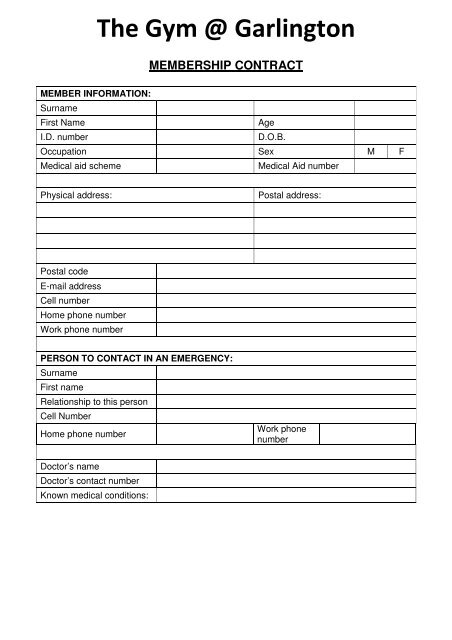
Image Source: img.yumpu.com
Deciphering Your Membership Agreement
The first and most crucial step in canceling gym membership is to carefully read your gym contract. This document is legally binding, and it contains all the terms and conditions regarding your membership, including how to end it. Don’t rely on verbal assurances from sales staff; the written contract is what matters.
Key Clauses to Look For
When you’re poring over your contract, keep an eye out for these specific clauses:
- Cancellation Policy: This section will outline the procedure for ending your membership. It might specify notice periods, required methods of communication (e.g., written notice, in-person, certified mail), and any associated fees.
- Term Length: Most gym contracts have a fixed term (e.g., 12 months, 24 months). Some may automatically renew if you don’t cancel within a specific window before the term ends.
- Early Termination Clause: This is the most critical part if you want to leave before your contract is up. It will detail the conditions under which you can terminate early and what penalties might apply.
- Membership Freeze or Suspension: Some contracts allow you to temporarily pause your membership for a fee, which might be a better option than outright cancellation if you plan to return later.
- Home Address/Contact Information Changes: Many contracts require you to notify the gym if your contact details change. Failure to do so could impact your ability to receive important notifications from the gym.
Common Reasons for Gym Contract Termination
While you can generally cancel a gym contract for any reason by fulfilling the agreed-upon terms, certain circumstances may allow for gym contract early termination without penalty. These often fall under specific clauses within your agreement or consumer protection laws.
Medical Reasons
If you become ill or injured and can no longer use the gym’s facilities, many contracts allow for termination.
Requirements for Medical Termination
- Doctor’s Note: You will almost always need a written statement from a qualified medical professional confirming your inability to use the gym.
- Specific Duration: The note should ideally specify that the condition is long-term or permanent, making gym usage impossible.
- Timeliness: Submit the documentation promptly after receiving it.
Relocation
Moving to a new area, especially one far from any affiliated branches of the gym, is another common reason for canceling gym membership.
Relocation Clause Specifics
- Distance Clause: Many contracts include a clause that allows for termination if you move a certain distance away (e.g., 25 miles, 50 miles) from the gym or any of its branches.
- Proof of Residence: You will likely need to provide proof of your new address, such as a utility bill, driver’s license, or lease agreement.
Membership Transfer
Some fitness club contract exit clauses may allow you to transfer your membership to another person. This can be a good option if you want to avoid cancellation fees entirely.
Transferring Your Membership
- Contractual Allowance: Check if your contract permits membership transfers.
- Transfer Fees: The gym may charge a fee for processing the transfer.
- New Member Agreement: The new member might need to sign an agreement or pay a joining fee.
Gym Facility Issues
If the gym significantly alters its services, closes facilities, or experiences prolonged operational issues, you might have grounds for termination.
Grounds for Complaint
- Closure of Facilities: If key amenities like the pool or specific training areas are permanently closed without prior notice.
- Reduced Operating Hours: A substantial reduction in opening hours could be grounds for termination.
- Unsatisfactory Conditions: Persistent issues with cleanliness, equipment maintenance, or safety could be relevant.
Legal Ways to Break a Gym Contract
Beyond the specific clauses in your contract, consumer protection laws in your jurisdiction might offer further avenues for legal ways to break a gym contract.
Consumer Protection Laws
These laws vary by region, but they often protect consumers from unfair or deceptive business practices.
- Cooling-Off Periods: Some consumer laws mandate a “cooling-off” period after signing a contract, during which you can cancel without penalty. This is typically a few days.
- Misleading Advertising: If the gym’s advertising or sales promises were demonstrably false and induced you to sign the contract, this could be grounds for cancellation.
- Unconscionable Contracts: In rare cases, a contract might be deemed unconscionable due to extremely unfair terms or pressure tactics used during signing.
Breach of Contract by the Gym
If the gym fails to uphold its end of the agreement, you may have a right to terminate the contract.
Gym’s Obligations
- Maintaining Facilities: The gym is obligated to keep its facilities in a safe, clean, and functional condition.
- Providing Services: They must offer the services they advertised and that are covered by your membership.
- Honoring Contract Terms: They must adhere to all terms outlined in your membership agreement.
If the gym breaches its obligations, you should formally notify them in writing, stating the specific breach and your intention to terminate the contract if the issue isn’t resolved.
How to Effectively Cancel Your Gym Membership
Once you’ve identified your reason and checked your contract, it’s time to act. A clear, documented process is essential for successful gym membership cancellation.
Step-by-Step Guide to Terminating
- Review Your Contract: As mentioned, this is paramount. Identify the exact requirements for gym contract termination.
- Gather Documentation: Collect any supporting documents, such as a doctor’s note, proof of relocation, or evidence of gym non-compliance.
- Write a Formal Cancellation Letter: This is the most professional and legally sound way to initiate the process.
- Address: Send it to the gym’s corporate office or the address specified in the contract for cancellations.
- Key Information: Include your full name, membership number, contact information, and a clear statement of your intention to cancel.
- Reason: Briefly state the reason for cancellation and attach any supporting documents.
- Effective Date: Specify the date you wish the cancellation to be effective, aligning with any notice periods.
- Request Confirmation: Ask for written confirmation of your cancellation and the final amount owed, if any.
- Send Via Certified Mail: This provides proof of delivery. Keep a copy of the letter and the mailing receipt.
- Follow Up: If you don’t receive confirmation within the timeframe specified in the contract or a reasonable period (e.g., 10-14 days), follow up with a phone call and then another written communication.
When Verbal or Email Isn’t Enough
While an email might seem convenient, many gym contract termination clauses require formal written notice, often via certified mail. Relying solely on verbal communication or a standard email can leave you vulnerable if the gym claims they never received your request.
Handling a Gym Contract Dispute
Sometimes, gyms make it difficult to cancel, or they may charge you fees you believe are unwarranted. This is where a gym contract dispute can arise.
Navigating Disagreements
- Keep Records: Maintain copies of all correspondence, payment records, and contract documents.
- Communicate Clearly: When disputing a charge or a cancellation refusal, be polite but firm. State your case clearly and reference the contract terms or relevant laws.
- Escalate Within the Gym: If your initial attempt to resolve the issue with the gym staff fails, try escalating to a manager or the corporate office.
- Consider Consumer Protection Agencies: If you cannot reach a resolution with the gym, consider contacting your local consumer protection agency or the Better Business Bureau.
- Small Claims Court: For significant financial disputes, small claims court can be an option. You’ll need to present your case and evidence to a judge.
Finding Gym Contract Loopholes
While not always advisable due to potential ethical or legal ramifications, some individuals look for gym contract loopholes to exit their agreements. It’s important to approach this cautiously.
Potential Loopholes (Use with Caution)
- Contractual Ambiguities: If a clause in your contract is unclear or contradictory, you might be able to argue for an interpretation favorable to you. This often requires legal advice.
- Unenforceable Clauses: Certain clauses might be deemed unenforceable by consumer protection laws. For example, excessively high early termination fees might be challenged.
- Minor Breach by Gym: If the gym has committed a minor breach of contract that you can clearly demonstrate, it might be grounds for cancellation, but this is a risky approach.
Important Note: Attempting to exploit loopholes without a clear legal basis can backfire, leading to further penalties or legal action. It’s always best to try to resolve your situation through the stated channels or by proving a legitimate reason for cancellation.
Alternatives to Immediate Cancellation
Before you commit to the full gym contract termination process, consider if there are any alternatives that might suit your situation better.
Membership Freezing
If you’re temporarily unable to use the gym due to travel, a short-term injury, or a busy period, freezing your membership can be a good option.
Benefits of Freezing
- Preserves Membership: You don’t lose your current membership rate.
- Avoids Cancellation Fees: You avoid the costs associated with gym contract early termination.
- Convenient Return: It’s easy to reactivate your membership when you’re ready.
Freezing Considerations
- Fees: Some gyms charge a small fee for freezing.
- Duration Limits: There are often limits on how long you can freeze your membership.
- Contract Terms: Check your contract for specific rules on freezing.
Membership Transfer
As mentioned earlier, transferring your membership to someone else can be a way to exit gracefully and avoid penalties, especially if your contract allows it.
The Financial Implications of Early Termination
Leaving a gym contract before its term is up can sometimes involve financial penalties. Understanding these is crucial for making an informed decision.
Early Termination Fees
- Calculation: These fees are often calculated based on the remaining balance of your contract, minus a percentage for early payment or a fixed administrative fee.
- Legality: The reasonableness of these fees can vary by jurisdiction. In some places, excessively high fees might be challenged.
- Negotiation: In some cases, you might be able to negotiate the fee with the gym, especially if you have a compelling reason for leaving.
Outstanding Balances
Ensure you settle any outstanding membership fees or charges before formally terminating, as this can impact your credit or lead to further collection efforts.
Terminating Health Club Membership: A Broader Look
The principles discussed for gym contracts largely apply to other fitness facilities as well, including health clubs and specialized studios. The key is always to refer to your specific fitness club contract exit agreement.
Specifics for Health Clubs
- More Comprehensive Services: Health clubs might offer a wider range of services (e.g., spa treatments, classes), which could be reflected in their contract terms.
- Personal Training Contracts: If your membership includes personal training packages, ensure these are also addressed in your cancellation strategy. These are often separate agreements.
- Community-Based Clubs: Smaller, community-focused health clubs might have more flexible cancellation policies, but always verify this in writing.
When to Seek Professional Advice
If you’re facing a particularly complex gym contract dispute, or if the gym is being unreasonable, consider seeking professional advice.
Legal Counsel
A lawyer specializing in consumer law can review your contract and advise you on your rights and the best course of action.
Consumer Advocacy Groups
These organizations can offer guidance and support for consumers facing contract disputes.
Frequently Asked Questions (FAQ)
Q1: Can I cancel my gym membership if I just don’t go anymore?
A1: Generally, no. Most contracts require you to fulfill the agreed-upon term or have a valid reason for early termination as outlined in the contract (e.g., medical, relocation). Simply not using the facilities is usually not sufficient grounds for free cancellation.
Q2: How much notice do I need to give to cancel my gym membership?
A2: This varies significantly by gym contract. It’s often between 30 and 90 days. You must check your specific contract for the required notice period and the method of delivery (e.g., certified mail).
Q3: What happens if I stop paying my gym membership fees?
A3: If you stop paying without formally canceling, you will likely incur late fees, penalties, and interest. The gym may also send your account to a collection agency, which can negatively impact your credit score. It’s always better to go through the proper cancellation procedure.
Q4: Can I cancel my gym membership if the gym closes for renovations?
A4: If the closure is temporary and the gym clearly communicates the reopening date and keeps you informed, you may not be able to cancel. However, if the renovations are extensive, prolonged, and significantly impact the services you contracted for, you might have grounds to argue for termination. Check your contract and local consumer laws.
Q5: What is a “cooling-off” period for gym memberships?
A5: A cooling-off period, if provided by law or by the gym’s policy, is a short timeframe (usually a few days) after signing the contract during which you can cancel without penalty. Not all jurisdictions or gyms offer this.
Q6: My gym charged me an early termination fee, but I think it’s too high. Can I dispute it?
A6: Yes, you can dispute it. Research your local consumer protection laws regarding contract cancellation fees. If the fee appears excessively high or punitive, you might have a case. Present your argument in writing, citing relevant laws, and be prepared to escalate if necessary.
Q7: Is it possible to find gym contract loopholes to get out of my membership?
A7: While some contracts might contain ambiguities or clauses that could be challenged, attempting to exploit loopholes without a clear legal basis is risky. It’s generally safer and more effective to adhere to the contract’s stated cancellation policy or to rely on legitimate reasons for termination such as medical issues or relocation.
Q8: What are my gym membership obligations?
A8: Your primary gym membership obligations typically include paying your membership fees on time, adhering to the gym’s rules and code of conduct, and following the contract’s terms for cancellation.
Q9: How do I ensure my gym membership cancellation policy is followed by the gym?
A9: The best way is to follow the policy precisely yourself. Submit your cancellation in writing via certified mail, keep copies of everything, and request written confirmation. If they fail to comply, you have documented proof of your efforts.
Q10: What should I do if the gym is not providing the services I paid for?
A10: If the gym fails to provide services outlined in your contract (e.g., broken equipment, closed facilities, lack of staff), document these issues. You can use this as a basis for a gym contract dispute or even grounds for gym contract early termination. Inform the gym in writing about the deficiencies and your desired resolution.
Navigating the end of a gym contract can feel daunting, but by staying informed and methodical, you can successfully manage your fitness club contract exit. Remember, clear communication and adherence to the terms of your agreement are your strongest allies.