
How do I become a fitness model?** To become a fitness model, you need dedication to a healthy lifestyle, a well-defined physique, and a strong understanding of the industry. It requires consistent effort in training, nutrition, and building a professional presence.
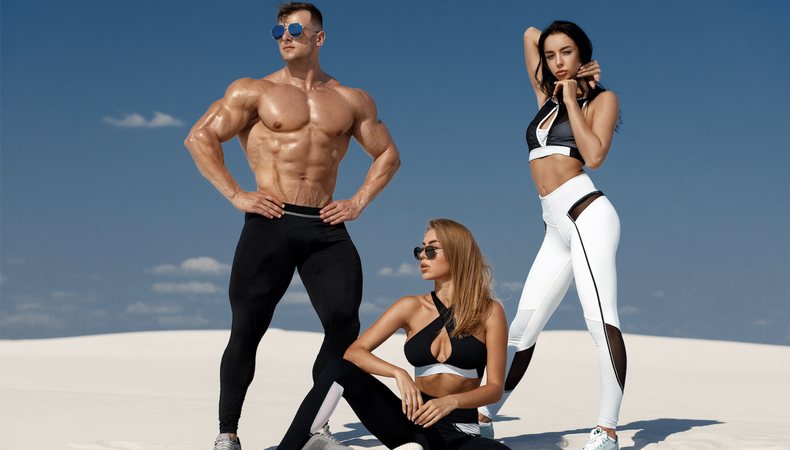
Image Source: d26oc3sg82pgk3.cloudfront.net
Embarking on the Fitness Modeling Journey
So, you want to be a fitness model. It’s a visually driven industry that celebrates health, strength, and dedication. This career path isn’t just about looking good; it’s about embodying a lifestyle that inspires others. For aspiring fitness models, the journey begins with a clear vision and a commitment to the disciplines required. It’s a field where your body is your canvas, and your dedication is your brush.
The Foundational Pillars: Fitness Modeling Requirements
Before you even think about submitting photos, it’s crucial to grasp the core fitness modeling requirements. These are the non-negotiables that agencies and clients look for.
Physique and Aesthetics
The most obvious requirement is a fit and toned physique. This doesn’t necessarily mean being a competitive bodybuilder, but rather possessing a lean, muscular, and healthy-looking body. The specific fitness model physique can vary depending on the niche.
- Lean Body Fat Percentage: Generally, a lower body fat percentage is desired, showcasing muscle definition.
- Muscle Tone and Definition: Visible muscle tone in key areas like abs, arms, shoulders, and legs is important.
- Proportion and Symmetry: A balanced and symmetrical physique is often preferred.
- Healthy Appearance: Clear skin, healthy hair, and bright eyes contribute to an overall healthy image.
Health and Lifestyle
Fitness modeling is a testament to a healthy lifestyle. This means demonstrating a commitment beyond just aesthetics.
- Energy and Vitality: You should exude an energetic and vibrant presence.
- Nutritional Awareness: A good understanding of healthy eating is essential.
- Discipline: The ability to stick to strict training and diet regimens is paramount.
Professionalism and Personality
Beyond the physical, your demeanor and attitude play a significant role.
- Confidence: Being comfortable in your own skin and confident in front of a camera is vital.
- Punctuality and Reliability: Always arrive on time and be prepared for shoots or events.
- Adaptability: Be able to take direction from photographers and clients.
- Positive Attitude: A cheerful and cooperative attitude makes you a pleasure to work with.
Sculpting Your Body: Fitness Model Diet and Training
The fitness model diet and training is the bedrock of this career. It’s a continuous process of refinement and dedication.
Training Regimens
The goal of training is to build and maintain a lean, defined, and athletic physique.
- Strength Training: Focus on compound movements that work multiple muscle groups.
- Squats
- Deadlifts
- Bench Press
- Overhead Press
- Rows
- Cardiovascular Exercise: Essential for fat loss and endurance.
- High-Intensity Interval Training (HIIT): Effective for burning calories in short bursts.
- Steady-State Cardio: Activities like running, cycling, or swimming for longer durations.
- Flexibility and Mobility: Incorporate stretching and mobility work to prevent injuries and improve posture.
- Yoga
- Pilates
- Dynamic stretching
Sample Weekly Training Split (Example):
| Day | Focus | Exercises |
|---|---|---|
| Monday | Legs & Glutes | Squats, Lunges, Deadlifts, Glute Bridges, Hamstring Curls, Calf Raises |
| Tuesday | Chest & Triceps | Bench Press, Incline Press, Dumbbell Flyes, Triceps Pushdowns, Overhead Extensions |
| Wednesday | Back & Biceps | Pull-ups, Rows, Lat Pulldowns, Bicep Curls, Hammer Curls |
| Thursday | Shoulders & Abs | Overhead Press, Lateral Raises, Front Raises, Face Pulls, Crunches, Leg Raises |
| Friday | Full Body / Active Recovery | Light cardio, stretching, foam rolling, or a lighter circuit workout |
| Saturday | Cardio & Core | HIIT session or steady-state cardio, Plank variations, Russian Twists |
| Sunday | Rest | Complete rest or light active recovery |
Nutritional Strategies
Nutrition is as important as training, if not more so, for achieving the desired physique.
- Balanced Macronutrient Intake:
- Protein: Crucial for muscle repair and growth. Aim for lean sources like chicken breast, fish, lean beef, eggs, and plant-based proteins.
- Carbohydrates: Provide energy. Focus on complex carbs like sweet potatoes, brown rice, oats, quinoa, and vegetables.
- Healthy Fats: Important for hormone production and overall health. Sources include avocados, nuts, seeds, and olive oil.
- Hydration: Drinking plenty of water is vital for performance and recovery.
- Meal Timing: While less critical than overall intake, consuming protein and carbs around workouts can be beneficial.
- Supplementation: Consider supplements like whey protein, BCAAs, creatine, and multivitamins, but prioritize whole foods.
Example Daily Meal Plan:
| Meal | Description |
|---|---|
| Breakfast | Oatmeal with berries, a scoop of whey protein, and a handful of almonds. OR Scrambled egg whites with spinach and whole-wheat toast. |
| Mid-Morning Snack | Greek yogurt with a small piece of fruit. OR A small handful of mixed nuts and a protein bar. |
| Lunch | Grilled chicken breast or salmon with a large mixed green salad and a side of quinoa or sweet potato. |
| Afternoon Snack | Rice cakes with almond butter. OR A protein shake with a banana. |
| Dinner | Lean steak or baked cod with steamed broccoli and a portion of brown rice. |
| Evening Snack (Optional) | Casein protein shake for slow digestion overnight. OR A small portion of cottage cheese. |
Building Your Professional Identity: The Fitness Model Portfolio
Your fitness model portfolio is your calling card. It’s the visual representation of your hard work and potential.
Essential Elements of a Portfolio
A strong portfolio showcases your versatility and ability to perform in front of the camera.
- High-Quality Photography: Invest in professional photos. The quality of your images directly reflects your professionalism.
- Variety of Shots: Include a mix of:
- Headshots: Clear, well-lit shots of your face, showing your personality.
- Full-Body Shots: Demonstrating your physique from different angles.
- Action Shots: Posing during exercise or showcasing movement.
- Lifestyle Shots: Showing you in a natural, everyday fitness-related setting.
- Close-ups: Highlighting muscle definition.
- Showcasing Versatility: If you have different looks or can portray different vibes (e.g., athletic, strong, healthy, approachable), make sure your portfolio reflects this.
- Clean and Organized: Present your best work clearly. Avoid clutter or overly edited images.
Professional Photo Shoots
- Choose the Right Photographer: Look for photographers experienced in fitness or commercial work. Review their portfolios.
- Communicate Your Vision: Discuss the types of shots you want and the brands you’re targeting with your photographer.
- Wardrobe Selection: Bring a variety of athletic wear, swimwear, and casual clothing that highlights your physique and fits the shoot’s theme.
- Posing Practice: Practice posing in front of a mirror to develop a repertoire of strong and flattering poses.
Navigating the Industry: Fitness Model Casting and Auditions
Getting work in fitness modeling involves actively seeking out opportunities and excelling in fitness model casting and fitness model auditions.
Where to Find Opportunities
- Online Casting Platforms: Websites and apps dedicated to casting calls for models and actors often list fitness modeling jobs.
- Modeling Agency Websites: Reputable agencies will have an “apply” or “submissions” section.
- Social Media: Follow brands, magazines, and photographers in the fitness industry. They often announce casting calls on their platforms.
- Industry Events: Fitness expos and competitions can be great places to network and be seen.
Preparing for Casting Calls and Auditions
- Research the Client: Understand the brand or publication you’re auditioning for. What is their aesthetic? Who is their target audience?
- Dress Appropriately: Wear tight-fitting athletic wear that clearly shows your physique.
- Bring Your Portfolio: Have a physical or digital copy of your portfolio ready.
- Be Prepared to Pose: You’ll likely be asked to demonstrate your posing skills.
- Showcase Your Personality: Engage with the casting director or client with enthusiasm and confidence.
- Follow Instructions: Pay close attention to any specific instructions provided for the audition.
What Clients Look For
- Physique and Presentation: How well you meet the specific needs of the project.
- Photogenic Qualities: How you look on camera.
- Professionalism: Your attitude, punctuality, and ability to take direction.
- Brand Alignment: Whether your look and personality fit the brand’s image.
- Social Media Presence: Many clients will check your social media to gauge your reach and engagement.
Getting Noticed: How to Get Scouted for Fitness
Being scouted can be a game-changer, but it often happens when you’re already actively working on your career and visibility.
Building Your Online Presence
- Social Media Powerhouse: Platforms like Instagram, TikTok, and YouTube are crucial.
- Consistent Posting: Share high-quality photos and videos of your training, nutrition, and lifestyle.
- Engage Your Audience: Respond to comments and messages. Build a community around your fitness journey.
- Use Relevant Hashtags: #fitnessmodel #fitfam #gymlife #workoutmotivation #modelsearch #fitnessphotography, etc.
- Showcase Your Personality: Let your authentic self shine through.
- Professional Website/Blog: Consider creating a simple website to showcase your portfolio, bio, and contact information.
Networking and Visibility
- Attend Fitness Events: Go to expos, competitions, and workshops. Mingle with photographers, brand representatives, and other industry professionals.
- Collaborate: Work with photographers, videographers, and other fitness enthusiasts to create content and expand your reach.
- Enter Fitness Competitions: While not mandatory, participating in fitness or bodybuilding shows can increase your visibility and credibility.
- Be Approachable: When you’re at the gym or at an event, be open to conversations. You never know who might be looking for new talent.
Connecting with the Industry: Fitness Model Agencies
Working with fitness model agencies can provide access to a wider range of opportunities and professional guidance.
How Agencies Work
- Representation: Agencies act as intermediaries, connecting you with clients for modeling jobs.
- Contracts: They typically take a percentage of your earnings as their commission.
- Career Guidance: Reputable agencies can offer advice on your portfolio, career path, and negotiations.
Finding and Approaching Agencies
- Research Reputable Agencies: Look for agencies that specialize in fitness, commercial, or lifestyle modeling. Check their websites and see which models they represent.
- Submission Guidelines: Follow each agency’s specific submission process carefully. This usually involves submitting your portfolio, stats, and contact information.
- Be Patient: It can take time to get a response. Don’t get discouraged if you don’t hear back immediately.
- Avoid Scams: Be wary of agencies that ask for large upfront fees before you’ve secured any work.
The Fitness Model Career Path
The fitness model career path is diverse and can evolve over time.
Initial Stages
- Building a Strong Portfolio: This is your primary focus.
- Gaining Experience: Start with smaller, local jobs or collaborations to build your resume.
- Developing Your Online Presence: Crucial for visibility.
Growth and Expansion
- Securing Agency Representation: Opens doors to bigger clients and projects.
- Working with Major Brands: Fitness apparel companies, supplement brands, gyms, and health publications are common clients.
- Print and Editorial Work: Appearing in fitness magazines, advertisements, and online editorials.
- Commercial Work: Featuring in commercials or promotional videos related to health and fitness.
Potential Diversification
- Social Media Influencer: Leveraging your platform to promote brands and products.
- Brand Ambassador: Becoming a long-term representative for a fitness brand.
- Fitness Coach/Trainer: Your expertise in fitness can lead to a career in coaching.
- Public Speaking/Motivator: Inspiring others with your journey and knowledge.
Frequently Asked Questions About Becoming a Fitness Model
Here are some common questions aspiring fitness models often have:
Q1: Do I need to be a professional athlete to be a fitness model?
A1: No, you don’t need to be a professional athlete. While a high level of fitness is required, the focus is on a visually appealing and healthy physique that resonates with the public. Brands look for relatable individuals who embody a healthy lifestyle.
Q2: How old do I need to be to become a fitness model?
A2: There isn’t a strict age limit. However, most agencies prefer models to be at least 18 years old. The emphasis is more on your physique and professionalism than your age. You can have a long career in fitness modeling by maintaining your health and adapting to industry trends.
Q3: What if I don’t have a “perfect” body?
A3: The definition of a “perfect” body in fitness modeling is subjective and varies by client. Many campaigns look for diverse body types, as long as they represent health, strength, and dedication. Focus on being the best version of yourself and showcasing your unique attributes. Authenticity and personality are also highly valued.
Q4: How much money can a fitness model make?
A4: Income varies greatly depending on experience, client, type of work (print, commercial, social media), and location. Entry-level work might pay a few hundred dollars per day, while established models with strong social media influence can earn significantly more, including appearance fees, endorsements, and campaign rates.
Q5: How long does it take to get into fitness modeling?
A5: There’s no set timeline. It depends on your dedication to training and nutrition, your ability to build a strong portfolio, and your networking efforts. Some people get noticed relatively quickly, while for others, it’s a longer journey of consistent effort and persistence.
Q6: Should I get plastic surgery to become a fitness model?
A6: It’s generally not recommended or necessary. The fitness modeling industry often celebrates natural athleticism and a healthy physique. Focusing on consistent training and nutrition is the most effective way to achieve your desired look. Authenticity is key, and many brands seek real people who embody a healthy lifestyle.
By focusing on these key areas—from sculpting your physique and mastering your nutrition to building a professional portfolio and actively seeking opportunities—you can lay a solid foundation for a successful career as a fitness model. Remember, persistence, a positive attitude, and a genuine passion for fitness are your greatest assets.