
So, you’re asking, “How can I get motivated to go to the gym and beat laziness?” The answer lies in building consistent exercise habits, finding your fitness motivation, and setting clear personal fitness goals. Many people struggle with this, but with the right strategies, you can make staying active a natural part of your life.
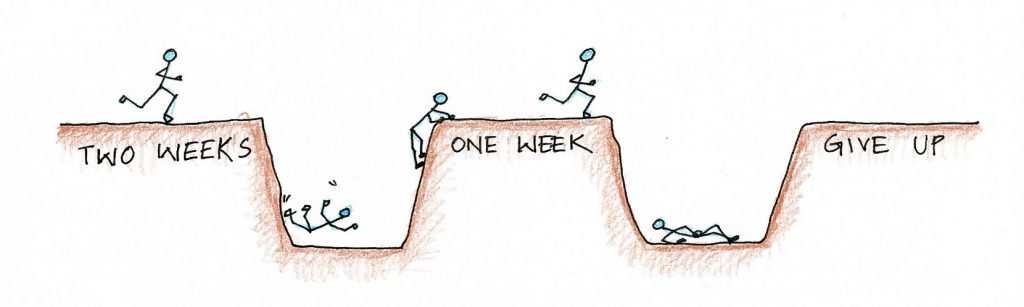
Image Source: www.scotthyoung.com
Finding Your Spark: Igniting Fitness Motivation
Feeling unmotivated to hit the gym is incredibly common. That cozy couch, the lure of binge-watching, or simply feeling drained after a long day can make working out seem like a monumental task. But what if you could flip that script? What if going to the gym felt less like a chore and more like a rewarding part of your day? Let’s explore how to find that inner drive.
Discovering Your “Why”
The most powerful fitness motivation comes from within. Before you even think about lifting weights or hitting the treadmill, take time to truly understand why you want to exercise. Is it to improve your energy levels? To feel stronger and more confident? To manage stress? To live a longer, healthier life?
- Write it down: Don’t just think about it; jot down your reasons. Keep this list somewhere visible – on your mirror, your fridge, or as your phone’s wallpaper.
- Visualize success: Imagine yourself achieving your fitness goals. How will you feel? What will you be able to do? This mental rehearsal can be a powerful motivator.
- Connect to emotions: Link your goals to positive emotions. Feeling healthy and strong can bring joy, confidence, and a sense of accomplishment.
Setting Achievable Personal Fitness Goals
Vague goals like “get fit” are hard to track and even harder to feel motivated by. Instead, set SMART goals:
- Specific: Instead of “lose weight,” aim for “lose 5 pounds.”
- Measurable: How will you track progress? Weigh-ins, measurements, how many reps you can do.
- Achievable: Don’t aim to lose 20 pounds in a week. Set realistic targets.
- Relevant: Does this goal align with your overall “why”?
- Time-bound: Give yourself a deadline. “Lose 5 pounds by the end of the month.”
Example Goal Setting:
| Goal Area | Vague Goal | SMART Goal |
|---|---|---|
| Weight Loss | Get thinner | Lose 3 pounds in the next 2 weeks. |
| Strength | Get stronger | Increase bench press weight by 10 lbs in 1 month. |
| Endurance | Run more | Run a 5k without stopping in 6 weeks. |
| Consistency | Go to the gym more | Attend the gym 3 times per week for 1 month. |
Creating Workout Inspiration
Sometimes, the biggest hurdle is just getting started. Workout inspiration can come from various sources.
- Follow fitness influencers: Find people on social media who inspire you with their dedication and positive attitudes.
- Listen to energetic music: Create a killer playlist that makes you want to move.
- Explore new activities: Boredom is a motivation killer. Try different types of workouts – dancing, swimming, cycling, team sports, or hiking.
Overcoming Laziness: Practical Strategies for Consistent Exercise Habits
Laziness is often a symptom of deeper issues, like feeling overwhelmed, lacking clear direction, or simply not enjoying the process. Let’s break down how to tackle it head-on.
The Power of a Routine
Building exercise habits is about making the gym a non-negotiable part of your day, like brushing your teeth.
- Schedule it like an appointment: Block out time in your calendar for your workouts. Treat it with the same importance as a work meeting or doctor’s appointment.
- Start small: If a full hour at the gym feels daunting, commit to just 15-20 minutes. Often, once you start, you’ll find yourself doing more.
- Prep the night before: Lay out your gym clothes, pack your bag, and prepare your water bottle. The fewer obstacles in the morning, the better.
Embracing Your Gym Routine
Your gym routine doesn’t have to be complicated or exhausting, especially when you’re starting.
Making the Gym Accessible
- Choose a convenient location: A gym close to home or work will reduce travel time and excuses.
- Go during off-peak hours: If crowded gyms demotivate you, try going early in the morning or late at night.
- Invest in comfortable gear: Feeling good in your workout clothes can make a surprising difference.
Structuring Your Workouts
- Focus on compound movements: Exercises like squats, deadlifts, and push-ups work multiple muscle groups at once, making your workouts more efficient.
- Mix it up: Prevent boredom by rotating your exercises or trying different training styles (strength training, cardio, HIIT, yoga).
- Keep a workout log: Tracking your progress (weights lifted, reps completed, duration) provides tangible evidence of your improvement and fuels motivation.
Building Discipline: The Long Game
Motivation ebbs and flows, but discipline is what keeps you going even when motivation is low.
Cultivating Mental Toughness
- Reframe negative thoughts: Instead of “I don’t want to go,” try “I’ll feel better after I go.”
- Focus on the feeling post-workout: Remember that rush of endorphins and sense of accomplishment.
- Practice delayed gratification: Understand that the immediate comfort of not exercising is fleeting, while the long-term benefits are substantial.
The Importance of Consistency Over Intensity
It’s better to have a consistent, moderate workout routine than sporadic, intense sessions. This is key to staying active for the long haul.
Leveraging Accountability
Having someone to answer to can significantly boost your commitment.
Finding an Accountability Partner
- Workout buddy: Find a friend, family member, or colleague who also wants to get fit. Schedule workouts together.
- Join a class or group: The shared experience and instructor guidance can be highly motivating.
- Hire a personal trainer: While an investment, a trainer provides expert guidance, personalized plans, and direct accountability.
Digital Accountability Tools
- Fitness apps: Many apps track your workouts, set goals, and offer community support.
- Wearable fitness trackers: Devices like smartwatches can monitor your activity levels, heart rate, and sleep, providing valuable data and nudges.
Prioritizing Health and Wellness
Remember that your gym visits are part of a larger commitment to your health and wellness.
Fueling Your Body
- Balanced nutrition: Eat a healthy diet that supports your fitness goals. Proper nutrition provides the energy needed for workouts and aids in recovery.
- Hydration: Drink plenty of water throughout the day, especially before, during, and after exercise.
- Adequate sleep: Aim for 7-9 hours of quality sleep per night. Sleep is crucial for muscle repair, energy restoration, and overall well-being.
Listening to Your Body
While pushing yourself is important, so is preventing injury and burnout.
- Warm-up and cool-down: Always dedicate time for these essential parts of your workout.
- Rest days: Your muscles need time to recover and rebuild. Don’t skip rest days!
- Don’t ignore pain: Differentiate between muscle soreness and sharp, debilitating pain. If you feel pain, stop and assess.
Frequently Asked Questions (FAQ)
Q1: What if I have zero motivation?
If you have zero motivation, start with the smallest possible step. Can you just put on your workout clothes? Can you walk to the gym door? Can you do 5 minutes of stretching? Often, starting is the hardest part, and once you begin, inertia will carry you forward. Focus on showing up, not on the intensity of the workout.
Q2: I feel too tired to go to the gym. What should I do?
Feeling tired is a common barrier. First, assess if you’re getting enough sleep and eating well. If you are, consider that exercise can actually increase your energy levels. Try a lighter workout than usual or a short burst of activity. Sometimes, just moving your body can combat fatigue. If you are consistently exhausted, it might be worth consulting a doctor.
Q3: How do I stay motivated long-term?
Long-term motivation comes from making exercise a habit and focusing on the journey, not just the destination. Celebrate small victories, find activities you genuinely enjoy, and be patient with yourself. Remember your “why” and adjust your goals as needed. Building discipline is key – it’s about showing up even when you don’t feel like it.
Q4: What if I feel self-conscious at the gym?
Many people feel self-conscious, especially when starting. Remember that most people are focused on their own workouts. Wear clothes you feel comfortable in, focus on your own progress, and consider going during less crowded times if it helps. As you become more confident, this feeling will likely fade.
Q5: Can I get motivated by setting rewards?
Absolutely! Setting small rewards for yourself when you reach milestones can be a great motivator. This could be a new workout outfit, a massage, or enjoying a favorite healthy treat. Just ensure the reward doesn’t undermine your fitness goals.
By implementing these strategies, you can transform your approach to the gym and build sustainable exercise habits. Remember, progress isn’t always linear, but with consistent effort and the right mindset, you can beat laziness and achieve your personal fitness goals, leading to a healthier, happier you.