
Can you write off gym membership self-employed? Generally, no, a gym membership is a personal expense, not a business one. However, there are very rare and specific cases where a self-employed individual might claim a health club membership tax deduction if it is truly an ordinary and necessary business expense, directly required for their work, and not for general health. This strict IRS rule means most people cannot deduct it. Let us look deeper into what the IRS says and how you can manage your self-employed tax deductions.
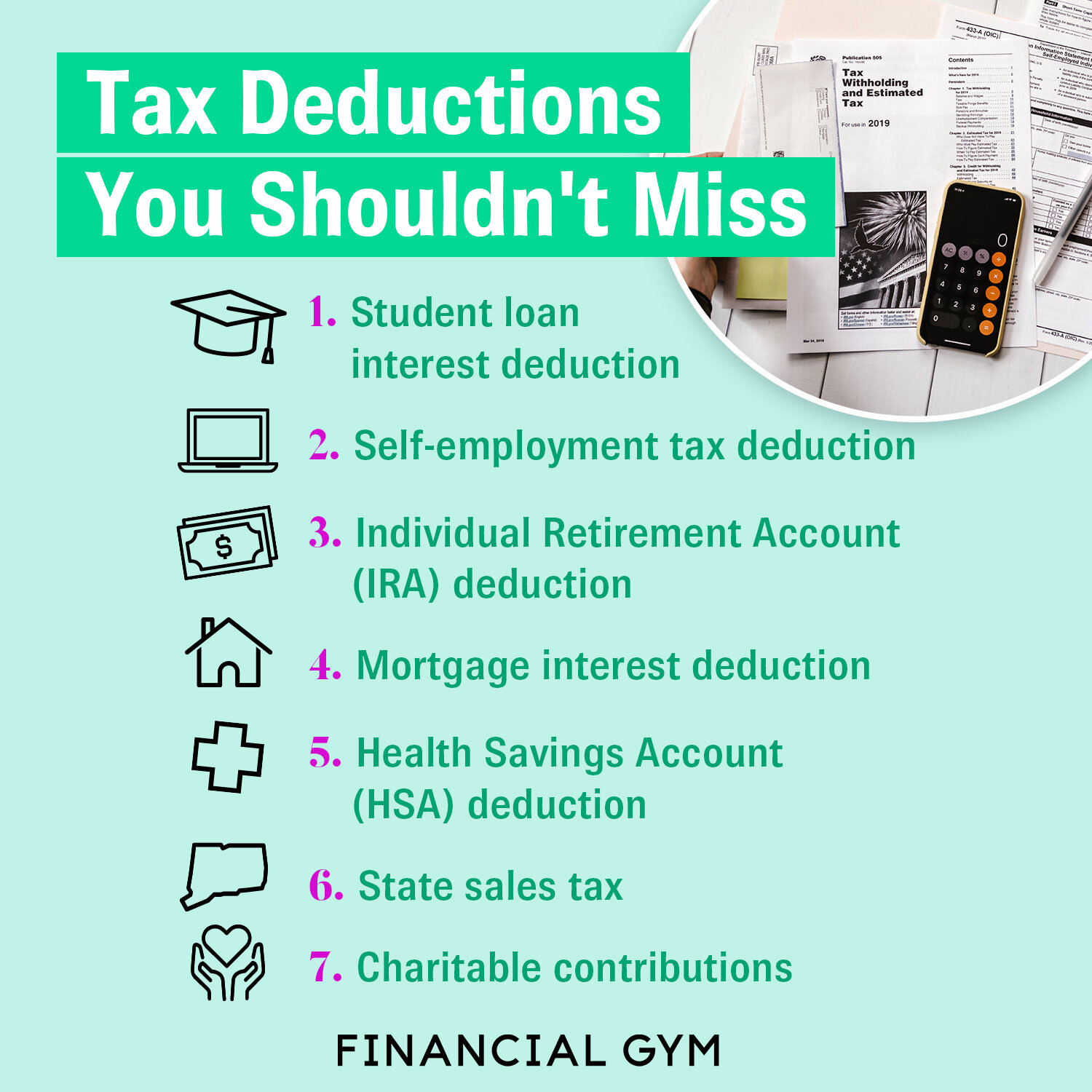
Image Source: images.squarespace-cdn.com
Grasping Business Expense Write-Offs for the Self-Employed
Being self-employed brings many freedoms. It also brings the need to manage your own taxes. One big benefit is the ability to claim business expense write-offs. These deductions lower your taxable income. This means you pay less in taxes. But not all expenses count. The IRS has clear rules about what you can deduct. It is very important to know these rules. If you do not, you could face penalties.
Deciphering Ordinary and Necessary Business Expenses
The heart of IRS rules for business expenses is simple. An expense must be “ordinary” and “necessary.”
* Ordinary: This means it is a common and accepted expense in your type of business. Other businesses like yours would also have this cost. It does not have to be a recurring cost.
* Necessary: This means the expense is helpful and right for your business. It does not have to be vital or required. But it must help you do your work or earn income.
Think of it this way: Does the expense directly help you do your job or make money? Is it something other people in your field also pay for? If yes, it might be deductible. If not, it is likely a personal expense.
Let’s apply this to a gym membership. For most people, a gym membership is a personal choice. It helps them stay fit. It improves their general health. These are good things. But they are not usually needed for a business. The IRS sees these as personal benefits, not business ones. This is why a health club membership tax deduction is so rare.
Distinguishing Personal from Business Expense IRS Views
The IRS is very clear about personal vs business expense IRS treatment. They want to see a strong link. The expense must directly serve your business. It cannot just have an indirect benefit. For example, staying healthy is good for everyone. It helps you work better. But the cost of staying healthy, like a gym membership, is almost always a personal expense. It is not a business one.
Think of it like this:
* A doctor might suggest you eat healthy. You do. But the cost of your groceries is not a business expense. It is personal.
* You need to sleep to work. But your rent or mortgage is not a business expense (unless you have a home office deduction). It is personal.
The IRS sees health as a personal benefit. They do not allow most general health costs as business deductions. This includes gym memberships. It also includes special diets or general medical care. These are for your personal well-being. They are not direct costs of doing business.
The Very Narrow Path for a Health Club Membership Tax Deduction
So, when can a gym membership pass the “ordinary and necessary” test? It is extremely rare. The IRS looks for a direct, undeniable link. The gym membership must be a basic and required part of your job. It cannot be for general fitness.
Specific Scenarios Where It Might Apply
There are almost no general cases where this applies. But let’s look at the few types of self-employed individuals who might argue for it.
Fitness Professional Tax Deductions: A Special Case
If you are a self-employed fitness professional, things change a bit.
* Personal Trainers: A personal trainer might use a gym membership. It could be for their own training. This helps them stay in top physical shape. This is needed to perform their job. It also helps them show proper form to clients. The gym might also be where they meet clients.
* Professional Athletes: A self-employed professional athlete relies on their physical peak condition. A gym membership is crucial for their training. It is part of their work. Without it, they cannot compete.
* Models or Actors: Sometimes, a model or actor needs to maintain a very specific physique for roles. If a certain body type is a job requirement, a gym membership could be part of that cost. This is still a tricky area. It needs very clear proof.
Even for these jobs, the rules are strict. The gym membership must be more than just “helpful.” It must be a direct job requirement. It must be needed to earn income.
Table 1: Potential Deductibility of Gym Membership by Profession
| Self-Employed Profession | Gym Membership Deductible? | Explanation (IRS View) |
|---|---|---|
| Freelance Writer | No | General health benefit. Not directly needed for writing. |
| Web Designer | No | General health benefit. Not directly needed for design work. |
| Personal Trainer | Possibly | If used for own training required to perform job or demonstrate. |
| Professional Athlete | Possibly | Essential for maintaining job-required physical condition and performance. |
| Self-Employed Carpenter | No | General health benefit. Not directly needed for carpentry. |
| Actor/Model | Rarely, with strong proof | If a specific physique is a direct, contractually required part of the job. |
| Consultant | No | General health benefit. Not directly needed for consulting. |
As you can see, the “possibly” and “rarely” categories are very narrow. For most independent contractor tax benefits, health club memberships are not one of them.
The “De Minimis” Benefit Rule: A Limited Exception
There is a small exception called the “de minimis” fringe benefit rule. This rule applies to benefits that are so small in value that accounting for them is not practical. For example, if an employer provides a very small company gym or health facility to all employees, it might not be taxed. However, this rule usually applies to employees and employers. It does not typically apply to self-employed individuals paying for their own membership. Unless you have a very unique business setup where a gym is part of a larger, shared, and truly minimal business facility, this rule will not apply to your personal gym membership cost.
Deciphering IRS Rules Self-Employed Expenses Beyond the Gym
To better understand why gym memberships are hard to deduct, let’s look at other IRS rules self-employed expenses.
Common Business Expense Write-Offs
Many business costs are clearly deductible. These help you run your business day-to-day.
* Office Space: Rent for an office, or a portion of your home expenses if you have a dedicated home office.
* Supplies: Pens, paper, software, unique tools for your trade.
* Travel: Costs for business trips. This includes airfare, hotels, and some meals.
* Marketing: Website costs, ads, business cards.
* Professional Development: Courses, books, or seminars directly related to improving your business skills.
* Insurance: Business liability insurance, professional malpractice insurance.
* Vehicle Expenses: Costs related to using your car for business, either actual expenses or the standard mileage rate.
These are all clear examples of ordinary and necessary expenses. They directly help you earn income.
Expenses That Are Often Confused with Business Expenses
Some costs seem like they might be business-related but are usually not.
* Commuting Costs: Driving from your home to your main workplace is a personal expense. It is not deductible. However, driving from your main workplace to a client site is deductible.
* General Education: If you go back to college for a new degree that prepares you for a new field, the costs are usually not deductible. But if you take a course to improve your skills in your current business, it might be.
* Personal Attire: Clothes you wear for work are generally not deductible. This includes suits, dresses, etc. But if you buy a uniform that you cannot wear outside of work (like a doctor’s scrubs or a construction worker’s hard hat), it is deductible.
A gym membership falls into this “often confused” category. It provides a personal benefit, even if it indirectly helps your work.
Freelancer Health Expense Deductions: What Is Allowed?
Freelancer health expense deductions are different from a gym membership. While a gym membership is rarely deductible, other health-related costs can be.
Health Insurance Premiums
This is a big one for self-employed individuals. If you pay for your own health insurance, you can often deduct the premiums. This is known as the Self-Employed Health Insurance Deduction.
* Who can claim it? You must be self-employed and not eligible to join an employer-sponsored health plan (either your own or your spouse’s).
* What it covers: It includes premiums for medical, dental, and long-term care insurance.
* How it works: It is an “above-the-line” deduction. This means it reduces your adjusted gross income (AGI). This is often better than an itemized deduction.
This deduction shows that the IRS does allow some health-related costs. But they are very specific ones, like health insurance. They are not general fitness costs.
Medical Expenses (Itemized Deduction)
You can deduct unreimbursed medical expenses that exceed a certain percentage of your AGI. This is an itemized deduction. It is claimed on Schedule A.
* What it covers: Doctor visits, prescription drugs, some medical equipment, etc.
* High Threshold: This deduction is hard to claim for many. Only the amount above 7.5% of your AGI is deductible. For example, if your AGI is $50,000, you can only deduct medical costs over $3,750. A gym membership, if it were medical, would need a doctor’s specific prescription. And it would need to be part of a larger deductible amount. This is very rare.
Wellness Program Tax Implications
Many companies offer wellness programs to their employees. These might include gym memberships, health screenings, or wellness challenges. The tax rules for these depend on who offers them and how.
Employer-Provided Wellness Programs
If an employer offers a wellness program, it is generally not taxable to the employee. This is usually seen as a non-cash fringe benefit. It aims to improve employee health and morale. The employer can often deduct the cost as a business expense. This is because they are providing it for their workforce. It benefits their business by having healthier, more productive employees.
Self-Employed and Wellness
For self-employed individuals, there is no “employer” to provide a program. You are both the employer and the employee. This is why you cannot deduct a general wellness program for yourself. It goes back to the personal vs business expense IRS distinction.
- No Direct Deduction: You cannot deduct the cost of a personal wellness program as a business expense. This includes things like:
- Health coaching (unless you are coaching others as part of your business)
- Meditation apps
- Healthy food delivery services
- Gym memberships (as discussed)
These are seen as personal choices for personal well-being. They do not meet the “ordinary and necessary” business test.
Independent Contractor Tax Benefits: A Broader Look
Being an independent contractor brings many tax benefits. But it also means you pay self-employment tax. This covers Social Security and Medicare.
* Deduction for One-Half of Self-Employment Tax: This is a big benefit. You can deduct half of what you pay in self-employment taxes. This lowers your adjusted gross income (AGI).
* SEP IRA or Solo 401(k): These are retirement plans for the self-employed. You can contribute a lot of money to them. These contributions are deductible. They lower your taxable income.
* Home Office Deduction: If you use a part of your home regularly and exclusively for business, you can deduct expenses related to that space. This can be a portion of your rent, mortgage interest, utilities, and insurance.
* Business Travel: As mentioned, business trips are deductible.
* Professional Dues and Subscriptions: Fees for professional organizations or trade publications related to your business.
* Software and Hardware: Computer software and equipment used for your business.
These examples show the wide range of legitimate self-employed tax deductions. They all meet the “ordinary and necessary” rule. They directly support your ability to earn income. A gym membership simply does not fit into this common list.
Crucial Steps: Documentation and Record-Keeping
If you ever decide to try and deduct a gym membership (only if you meet the extremely rare criteria), documentation is key. The IRS will question this. You will need strong proof.
What to Keep
- Receipts: Keep all gym membership receipts.
- Contracts: Keep your membership contract.
- Business Records: Show how the gym use is directly linked to your business.
- Specific Job Requirements: If you are a professional athlete, keep contracts that show physical demands.
- Client Meetings: If you train clients at this specific gym, keep records of those client sessions.
- Marketing: Show how the gym is part of your professional image. Maybe you film workouts there for your online fitness business.
- Calendars/Logs: Keep a log of how often you use the gym for business purposes versus personal. This is very important. If you use it for both, you must clearly split the cost. This is known as “proration.”
Why Good Records Matter
Good records protect you. If the IRS audits you, they will ask for proof. Without it, your deduction will be denied. You might also face penalties and interest. For a gym membership, the burden of proof is very high. You need to show that it is not for general health. You need to show it is directly required for your business.
Navigating an IRS Audit
An IRS audit can be stressful. If you claim unusual business expense write-offs, you increase your chances of an audit. A gym membership deduction is a red flag for the IRS. They know it is almost always a personal expense.
What to Expect in an Audit
- Information Request: The IRS will send you a letter asking for specific documents.
- Explanation: You will need to explain why each expense is a business deduction.
- Proof: You must provide solid proof. This means receipts, invoices, contracts, and detailed logs.
- IRS Agent Questions: The agent will ask many questions. Be honest and clear.
If you cannot prove an expense is business-related, it will be disallowed. You will then owe more taxes. You will also owe interest and possibly penalties. It is often wise to work with a tax professional if you face an audit.
“What If” Scenarios and Edge Cases
Let’s look at some very specific situations. These are still unlikely to result in a deduction. But they highlight how strict the IRS rules are.
Gym as a Business Meeting Place
What if you meet clients at the gym? Or hold business discussions there? This is still not likely to make the membership deductible. The primary purpose of the gym is usually physical exercise. Even if you hold a meeting there, the cost of the membership itself is for access to fitness equipment. The cost of the meeting (like buying coffee for a client) might be deductible. But not the membership. The IRS looks at the primary purpose of the expense.
A Gym Located in Your Office Building
If your office building has a gym that all tenants can use, and its cost is part of your overall rent, then it is technically covered under your rent expense. You are not paying for a separate “gym membership.” This is different from joining an outside gym. However, if you are a self-employed person who just rents a desk in a co-working space that happens to have a gym, and you pay an extra fee for that gym, that extra fee would still be seen as personal.
Doctor’s Prescription for Exercise
What if your doctor prescribes exercise? For example, to manage a specific medical condition. Does this make a gym membership deductible? No. As discussed under medical expenses, even doctor-prescribed exercise is generally not deductible. It falls under general health improvement. To be deductible, it would need to be for a very specific, diagnosed medical condition. It would need to be part of a formal medical treatment plan. And the gym would need to be structured like a specialized medical facility, not a general gym. This is highly unlikely.
Final Thoughts on Your Self-Employed Tax Deductions
The world of self-employed tax deductions offers many ways to save. But it is vital to know the rules. The IRS is very strict about what counts as a business expense. They want to see a direct link to your income-earning activities.
For most self-employed people, a gym membership is a personal expense. It improves your personal well-being. It does not directly produce business income. While staying healthy is good for your work, the cost of doing so is usually not deductible.
Focus on claiming legitimate business expenses. These are costs that are truly ordinary and necessary for your trade or business. Always keep excellent records. If you are unsure, talk to a qualified tax professional. They can help you make sure you are following IRS rules. This way, you can maximize your independent contractor tax benefits without risking penalties.
Frequently Asked Questions (FAQ)
Is a gym membership ever fully tax-deductible for the self-employed?
No, it is almost never fully tax-deductible. In rare cases, a small portion might be deductible if it meets the very strict “ordinary and necessary” business expense test. This applies mainly to specific fitness professionals who must maintain a certain physical condition for their job.
Can I deduct my gym membership if my doctor recommends it for my health?
No. Even if a doctor recommends or prescribes exercise, a general gym membership is still considered a personal expense by the IRS. It aims to improve your general health, not directly your business income.
What is the difference between a “personal” and a “business” expense for the IRS?
A personal expense benefits you directly in your daily life (e.g., food, general health). A business expense directly helps you run your business or earn income (e.g., office supplies, business software). The IRS requires a clear and direct link to your business for an expense to be deductible.
Are there any health-related deductions for self-employed individuals?
Yes. The most common is the self-employed health insurance deduction. You can often deduct premiums for medical, dental, and long-term care insurance if you are self-employed and not eligible for an employer-sponsored plan. General medical expenses can also be deducted as an itemized deduction if they exceed a certain percentage of your adjusted gross income.
What kind of documentation do I need if I try to deduct a gym membership?
You would need extremely detailed proof. This includes receipts, contracts, and specific logs showing how the gym use is directly and exclusively tied to your business. You would also need to show that it is a required part of your job, not just beneficial. This is very difficult to prove to the IRS.
Does the IRS consider wellness programs deductible for the self-employed?
No. General wellness programs, like gym memberships or health coaching for yourself, are considered personal expenses for the self-employed. They are not typically deductible as business expenses.