
Image Source: www.ahs.com
Can You Put Gym Shoes In The Washing Machine? A Guide
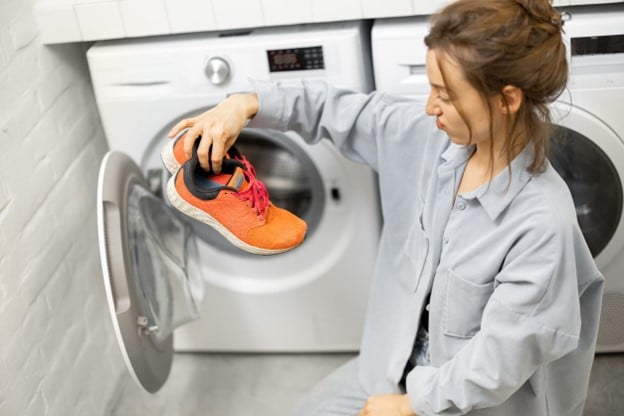
Yes, you can put most gym shoes in the washing machine, but there are important steps and precautions to take to avoid damaging your footwear or the machine. Properly cleaning your athletic shoes can extend their lifespan and keep them looking and smelling fresh.
The Quick Answer to Your Sneaker Cleaning Conundrum
So, you’ve hit the gym, logged some miles, or just generally lived in your favorite pair of sneakers. Now they’re looking a little worse for wear, maybe a bit pungent, and you’re wondering if the washing machine can be your savior. The straightforward answer is: yes, you can wash gym shoes in the washing machine, but not all of them, and definitely not without preparation.
This guide will walk you through the process of cleaning your athletic shoes using your washing machine, offering shoe cleaning tips and advice on the best way to clean sneakers for various types of footwear. We’ll cover how to wash gym shoes, whether it’s safe for your athletic shoes laundry, and how to tackle washing smelly gym shoes.
Fathoming the Washing Machine Approach for Trainers
The idea of tossing your trainers into the washing machine might seem like a quick fix, but it’s crucial to approach this with care. Not all athletic footwear is created equal, and some materials and construction methods simply aren’t designed to withstand the rigors of a washing machine cycle.
Why Wash Your Gym Shoes?
Beyond just aesthetics, keeping your gym shoes clean is important for a few reasons:
- Hygiene: Sweat, dirt, and bacteria can build up, leading to odors and potential skin issues.
- Performance: Clean shoes can feel lighter and more comfortable, potentially improving your workout experience.
- Longevity: Regular cleaning, done correctly, can help prevent material degradation and keep your shoes in better shape for longer.
- Odor Control: This is a big one, especially for those who find themselves washing smelly gym shoes frequently.
What Types of Gym Shoes Are Machine-Washable?
Generally, most sneakers washing machine cycles are best suited for:
- Canvas shoes: These are usually quite durable and can handle a wash.
- Synthetic fabric shoes: Many modern athletic shoes are made from polyester, nylon, or other synthetic materials that are generally washable.
- Mesh shoes: The breathable mesh uppers are often fine in a washing machine.
What Types of Gym Shoes Should NOT Go in the Washing Machine?
It’s vital to know when to avoid the washing machine for shoes. Steer clear of machine washing for:
- Leather or Suede shoes: The water and agitation can damage these natural materials, causing them to stiffen, crack, or lose their color.
- Shoes with delicate embellishments: Sequins, beads, or intricate embroidery can be torn off in the wash.
- Shoes with glued-in components: Excessive water and heat can weaken the adhesives, causing parts of the shoe to come loose.
- High-performance running shoes: While some may be, many specialized running shoes have advanced cushioning or support systems that could be compromised by machine washing. It’s always best to check the manufacturer’s recommendations.
- Shoes with metal parts: Eyelets or decorative metal accents can rust or damage the machine.
Preparing Your Athletic Shoes for the Wash Cycle
Before you even think about pressing the start button, proper preparation is key to successful athletic shoes laundry. This is where the magic happens, and it’s all about protecting your shoes and your washing machine.
Step 1: The Initial Clean-Up
- Remove laces and insoles: Wash these separately. Laces can often be tossed into a delicates bag and washed with your regular laundry. Insoles might be too delicate for the machine, so hand-washing them with mild soap and water is usually a better bet. Let them air dry completely.
- Brush off loose dirt: Take your shoes outside and give them a good whack together. Use a dry brush (an old toothbrush works wonders for nooks and crannies) to remove as much dry dirt, mud, and debris as possible. This prevents excessive mud from clogging your washing machine.
Step 2: Pre-Treat Stains
- Spot cleaning: For stubborn stains, a bit of pre-treatment can make a world of difference. Use a mild detergent or a specialized shoe cleaner. Gently scrub the stained areas with a soft brush.
Step 3: Protecting Your Shoes and Machine
- Use a mesh laundry bag: This is non-negotiable. Place your shoes inside a mesh laundry bag designed for washing shoes or a delicates bag. This helps prevent them from banging around excessively inside the drum and potentially causing damage.
- Add towels: To further cushion your shoes and prevent them from banging against the drum, toss in a couple of old towels with your wash. This is especially helpful if you’re only washing one pair of shoes.
The Washing Machine Cycle: Finding the Right Settings
Choosing the correct settings is crucial for effective sneakers washing machine cleaning without causing harm.
The Ideal Wash Cycle
- Water Temperature: Use cool or cold water. Hot water can damage adhesives, warp plastics, and cause colors to fade or bleed.
- Spin Cycle: Opt for a low spin speed. A high spin cycle can put undue stress on the shoes and potentially damage them.
- Wash Cycle Type: A gentle or delicate cycle is your best friend. This minimizes agitation and protects the materials of your athletic shoes.
Detergent Do’s and Don’ts
- Detergent Amount: Use a small amount of mild detergent. Avoid harsh chemicals, bleach, or fabric softeners, as these can degrade the materials or leave residue.
- No Fabric Softener: Fabric softeners can coat the fibers and reduce the breathability of athletic footwear.
What NOT to Put in with Your Shoes
- Regular Laundry: It’s generally best to wash shoes separately from your regular clothes. The dirt and grit from the shoes can transfer to your garments, and the agitation can damage delicate fabrics.
Drying Your Gym Shoes: The Critical Final Step
The way you dry your gym shoes is just as important as the washing process. Improper drying can lead to deformation, lingering odors, and damage.
Air Drying is Best
- Never use a clothes dryer: The high heat from a dryer is the enemy of most athletic footwear. It can melt glues, warp materials, and shrink components.
- Stuff them to maintain shape: Once the wash is complete, remove your shoes from the washing machine and the mesh bag. Stuff them loosely with plain white paper towels or plain newspaper (avoid colored inks as they can transfer). This helps absorb excess moisture and maintains the shoe’s shape as it dries. Change the paper/newspaper if it becomes saturated.
- Find a well-ventilated spot: Place your shoes in a location with good airflow, away from direct sunlight or heat sources. A fan can help speed up the drying process.
- Allow ample drying time: Depending on the humidity and the type of shoe, this can take anywhere from 12 to 48 hours. Ensure they are completely dry before wearing them or storing them.
Dealing with Lingering Odors
If you’re washing smelly gym shoes, sometimes a single wash isn’t enough.
- Baking Soda: Sprinkle baking soda inside your shoes after washing and let them sit for a few hours (or overnight) before brushing it out. This is a great odor absorber.
- Vinegar Solution (Diluted): A solution of equal parts white vinegar and water can be used to wipe down the inside of the shoes before washing. Ensure you rinse this off or let it air out thoroughly.
Alternative Cleaning Methods: When the Washing Machine Isn’t an Option
For shoes that are not suitable for machine washing, or if you prefer a more hands-on approach, there are excellent alternatives. These shoe cleaning tips are vital for preserving delicate materials.
Hand Washing Your Sneakers
This is often the safest and most effective way to clean most types of athletic footwear, especially those with leather, suede, or delicate construction.
- Gather your supplies: You’ll need a mild soap or specialized shoe cleaner, a soft brush (an old toothbrush is great for details), a sponge, and clean cloths.
- Prepare the shoes: Remove laces and insoles as you would for machine washing. Brush off loose dirt.
- Make a cleaning solution: Mix a small amount of mild detergent or shoe cleaner with cool water in a bowl.
- Gentle scrubbing: Dip your brush into the soapy water and gently scrub the shoes. Work in sections, focusing on soiled areas. For tougher spots, you might need to let the soapy water sit for a few minutes before scrubbing.
- Wipe and rinse: Use a clean, damp cloth to wipe away the soap and dirt. Rinse the cloth frequently. Avoid submerging the shoes in water if they contain materials that shouldn’t get too wet.
- Tackle insoles and laces: Wash these separately by hand as mentioned earlier.
- Drying: Follow the same air-drying principles as outlined for machine washing.
Using Cleaning Wipes or Sprays
For quick touch-ups and light cleaning, specialized sneaker cleaning wipes or sprays can be very effective. These are ideal for removing surface dirt and can be used on a wider range of materials, including some leathers.
Shoe Care for Athletic Footwear: Beyond the Wash
Proper care for your athletic footwear extends beyond just cleaning. A little attention can significantly prolong their life and keep them performing their best.
Regular Maintenance
- Air them out: After each use, especially after a sweaty workout, take your shoes out of your gym bag and let them air out. This helps prevent odor buildup.
- Stuff them: When not in use, stuffing shoes with newspaper or shoe trees can help them retain their shape and absorb moisture.
- Rotate your shoes: If you work out frequently, avoid wearing the same pair every day. Rotating your shoes allows them to fully dry out and recover between uses.
Dealing with Odors Proactively
- Odor-absorbing inserts: You can buy or make inserts that help absorb moisture and odors.
- Sprays: Use anti-bacterial or odor-eliminating sprays specifically designed for shoes.
- Sunlight: Occasional exposure to direct sunlight can help kill bacteria and reduce odors, but be mindful of prolonged exposure which can cause fading.
Storage
- Store your shoes in a cool, dry place away from direct sunlight and extreme temperatures.
Quick Reference: Machine Washing Your Gym Shoes at a Glance
Here’s a handy table summarizing the key steps for a successful sneakers washing machine experience.
| Step | Action | Why it’s Important |
|---|---|---|
| Preparation | Remove laces and insoles. Brush off loose dirt. Pre-treat stains. | Protects shoes and machine from damage, ensures thorough cleaning. |
| Protection | Place shoes in a mesh laundry bag. Add old towels to the wash. | Cushions shoes, prevents banging against the drum. |
| Washing Machine Settings | Cool/cold water, gentle/delicate cycle, low spin speed. Use mild detergent. | Prevents heat damage, material breakdown, and structural compromise. |
| Detergent | Use mild detergent sparingly. Avoid bleach and fabric softener. | Protects material integrity and breathability. |
| Drying | Air dry only. Stuff with paper towels/newspaper to maintain shape. Ensure complete dryness before wearing. | Prevents heat damage from dryers, helps retain shape, avoids lingering moisture. |
Frequently Asked Questions (FAQ)
Q1: Can I wash my running shoes in the washing machine?
A1: Generally, yes, but check the manufacturer’s care instructions. Some high-performance running shoes have specialized materials or construction that may not withstand machine washing. If unsure, hand washing is the safer bet.
Q2: How often should I wash my gym shoes?
A2: Wash them when they are visibly dirty or start to smell. Over-washing can also degrade materials, so clean them as needed rather than on a strict schedule.
Q3: What is the best way to clean sneakers made of suede or leather?
A3: Suede and leather shoes should almost always be hand-washed or cleaned with specialized cleaners. Avoid the washing machine and excessive water. Use a suede brush for suede and a leather cleaner and conditioner for leather.
Q4: Can I use bleach to wash my gym shoes?
A4: No. Bleach can damage the materials, weaken adhesives, and cause colors to fade or yellow. Stick to mild detergents.
Q5: My gym shoes still smell after washing. What can I do?
A5: Ensure they were thoroughly dried. Try stuffing them with baking soda overnight or wiping the insides with a diluted vinegar solution (equal parts white vinegar and water) before re-drying them completely. Ensure good air circulation during drying.
Q6: Can I use a washing machine for shoes without laces?
A6: Yes, but the preparation steps remain the same. Ensure you brush off all loose dirt before placing them in a protective bag.
By following these guidelines, you can confidently keep your gym shoes clean and fresh, ensuring they serve you well through many workouts. Remember, careful preparation and the right settings are key to successful cleaning sneakers and extending the life of your athletic footwear.