
Many people wonder, “Can I use HSA for gym membership?” and “Are gym fees HSA eligible?”. The direct answer is usually no, gym fees are not typically considered HSA eligible fitness expenses for general health. However, there is a key exception: you can pay for a gym membership or other health savings account fitness costs if your doctor says it is medically necessary to treat a specific disease or medical condition.
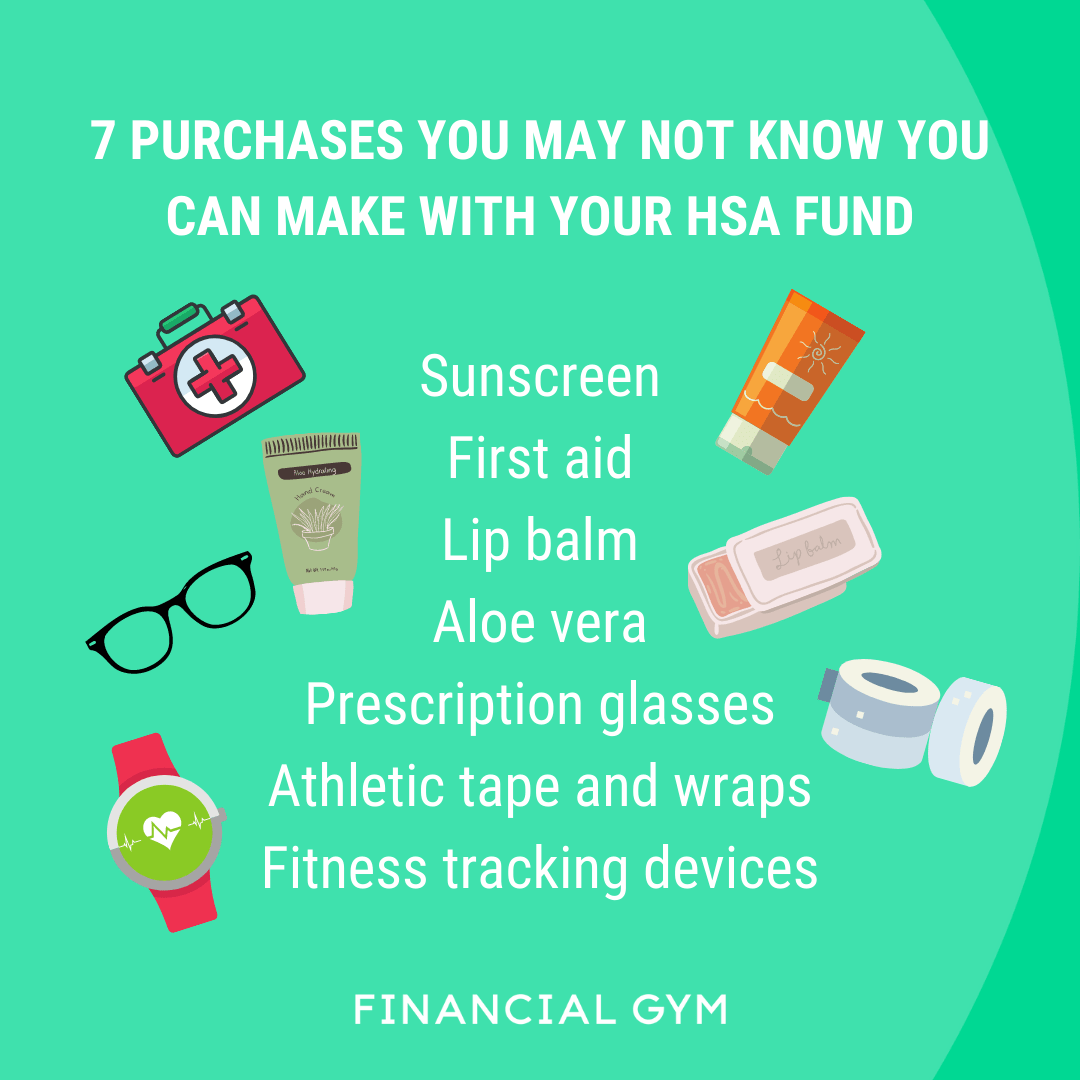
Image Source: images.squarespace-cdn.com
What is an HSA?
Let’s start with what an HSA is. HSA stands for Health Savings Account. It is a special savings account. You can put money into it to pay for certain health care costs. HSAs work with a High Deductible Health Plan (HDHP). An HDHP means you pay more health costs yourself before your insurance starts paying.
Tax Benefits of HSAs
HSAs offer great tax benefits.
* Money goes in tax-free: You put money into your HSA before taxes are taken out. This lowers your taxable income.
* Money grows tax-free: The money in your HSA grows over time, and you do not pay taxes on the earnings.
* Money comes out tax-free: When you use the money to pay for HSA qualified medical expenses, you do not pay taxes on the money you take out.
This makes the HSA a triple tax advantage. It helps you save money on health costs and taxes.
Grasping HSA Spending Rules
There are rules about how you can use HSA money. The money must be used for “qualified medical expenses.”
What are Qualified Medical Expenses?
Qualified medical expenses are costs for medical care. The IRS (Internal Revenue Service) has rules about what counts. These costs are mostly for treating, curing, or helping with a sickness, injury, or body problem.
Here are some common qualified medical expenses from the HSA qualified medical expenses list:
* Doctor visits
* Hospital stays
* Prescription medicines
* Medical equipment (like crutches)
* Dental care (cleanings, fillings)
* Vision care (eye exams, glasses)
* Lab tests and X-rays
* Therapy (physical therapy, mental health therapy)
The IRS gives a full list in Publication 502. It is a good idea to check this list.
Fitness Costs and Your HSA
Now, let’s talk about fitness costs. This includes things like gym memberships, fitness classes, and personal trainers.
Generally, these costs are for general health and fitness. They help you stay healthy or get in shape. The IRS does not see these as medical costs if they are just for general well-being. So, your regular gym membership is usually not an HSA eligible fitness expense.
When Gym Costs Might Qualify
There is a time when gym costs can be HSA eligible. This happens if a doctor says the fitness activity is needed to treat a specific health problem.
Think of it this way: If going to the gym is part of treating a sickness or injury, it might count as a medical expense. It is not just about staying healthy. It is about fixing or helping a known health issue.
This is where the “medical necessity” rule comes in. The activity must be medically necessary. A doctor must say it is needed because of a diagnosed medical condition.
The Role of a Doctor’s Letter
If you want to use your HSA for a gym or fitness cost, you will almost always need a doctor letter for gym HSA use. This letter is very important.
What should the doctor letter include?
* It must state the specific medical condition you have.
* It must say why the doctor is recommending fitness or a gym membership for this condition.
* It should explain how the fitness activity will help treat the condition.
* It should be specific about the type of activity or facility needed, if possible.
For example, if a doctor says you need to lose weight to manage a heart problem, they might recommend a structured exercise program or gym membership. In this case, the gym might be seen as part of the treatment for the heart problem. This is different from just going to the gym to lose a few pounds for looks.
Using HSA for weight loss program costs can sometimes qualify. But again, it usually needs a doctor’s note. The weight loss must be part of treating a specific illness, like severe obesity, heart disease, or diabetes. It is not for weight loss just to look better.
Interpreting IRS Guidelines
Let’s look closer at what the IRS says. IRS rules define medical expenses. They are costs for the diagnosis, cure, comfort, treatment, or prevention of disease. They are also for changing how the body works.
General fitness does not fit this definition. It is not treating a specific disease. It is for general good health. The IRS does not see general health as treating a specific problem.
However, if a doctor says exercise is part of treating a disease, it can qualify. For example, costs for a program to help you stop smoking might be covered. This is because smoking is a disease. Costs for a weight-loss program might be covered if recommended by a doctor to treat obesity or another disease caused by being overweight.
The key is that the expense must be primarily for the medical care of a specific condition. If you join a gym mainly to lose weight because your doctor said you need to for your health (like treating diabetes), and you have the doctor’s letter, the cost might be HSA eligible. But if you join the gym just to get fit, it is not.
It is not considered preventative care gym membership HSA. Even though exercise is good for preventing future problems, the IRS usually only covers costs related to existing conditions or very specific prevention like vaccines or certain screenings. General wellness activities are not typically covered as preventative care.
Practical Steps for Using HSA Funds
If you think your gym or fitness cost might qualify, here are the steps to take on how to use health savings account for fitness:
Get a Doctor’s Recommendation
Talk to your doctor. Explain your health condition. Ask if they believe a gym membership or specific fitness activity is needed to treat it. If they agree, ask for a detailed letter. This letter is your proof.
The letter should be clear. It needs to state:
* Your medical condition (like “Type 2 Diabetes” or “Severe Obesity” or “Heart Disease”).
* Why the gym or fitness program is needed for this condition.
* What result the doctor expects (like “improve blood sugar control” or “reduce strain on the heart”).
Keep Detailed Records
If you pay for the gym or fitness cost with your HSA money, or plan to pay yourself back, you need to keep records.
Keep these things safe:
* The doctor’s letter.
* Receipts from the gym or fitness program.
* Any other papers showing the cost.
You will need these records if the IRS ever asks to see proof that the expense was qualified. It is important to be ready to show why you used HSA funds for this cost.
Claiming the Expense
You can use your HSA funds in a few ways.
* Pay directly: Some HSA providers give you a debit card. You might be able to use this card to pay the gym. But be careful. The gym might not know or care about HSA rules. They just take the payment. It is your job to make sure the cost is qualified.
* Pay yourself back: You can pay for the gym yourself first. Then, later, take money from your HSA to pay yourself back. You just need to make sure you have the records to show the cost was qualified when you took the money out. There is no time limit to pay yourself back, as long as the expense happened after you opened your HSA.
Regarding gym membership medical expense HSA deduction: It is important to know you do not get a second tax deduction. The tax benefit comes when the money goes into the HSA (it is tax-deductible or pre-tax). When you take it out for a qualified medical expense, that money is simply not taxed again. The benefit is using tax-free money for the cost.
What Doesn’t Your HSA Cover?
To be clear, most fitness costs are NOT covered. Here are examples of things your HSA usually won’t pay for:
- Joining a gym just to lose weight for cosmetic reasons.
- Fitness classes like yoga, Pilates, or spin class for general health.
- Sports leagues or team fees.
- Equipment like running shoes, bikes, or weights.
- Health foods, vitamins, or supplements (unless prescribed by a doctor to treat a specific illness).
- Personal trainers for general fitness.
- Health club dues that are not tied to a medical condition.
Remember, the rule is: Is it primarily to treat a specific medical condition diagnosed by a doctor? If not, it is likely not HSA eligible.
Other Ways to Pay for Fitness
If your gym or fitness cost is not HSA eligible, there are other ways to pay.
- Budgeting: Plan for fitness costs in your regular budget.
- Employer Wellness Programs: Some employers offer programs that help pay for fitness. Ask your HR department.
- Tax Credits/Deductions: While gym fees are not typically deductible as a medical expense on your regular income tax return either (unless they meet the same strict medical necessity rule as HSA and exceed a certain percentage of your income), other medical costs might be. (This is separate from HSA benefits).
Summing Up HSA Fitness Costs
Let’s put it all together about using your HSA for fitness.
- Your HSA is for qualified medical expenses.
- Gym memberships and general fitness costs are usually NOT qualified. They are seen as general health improvements.
- They can be qualified if a doctor says they are medically necessary to treat a specific medical condition.
- You MUST get a detailed doctor’s letter to prove the medical necessity.
- Keep good records (doctor letter, receipts).
- You do not get a second tax deduction for using HSA funds. The tax benefit is in putting the money into the HSA.
Paying for fitness with your HSA is possible, but only in special cases with a doctor’s note. Do not use HSA funds for general gym fees without the right paperwork. If you do, the money you take out could be taxed, and you might have to pay a penalty.
Always check with your HSA plan administrator or a tax advisor if you are unsure if an expense qualifies. They can help you make the right choice. Using your HSA correctly helps you save money and stay healthy!
Common Questions About HSA and Gyms
Can I use my HSA for a gym membership?
Generally, no. Regular gym fees are for general health and are not HSA eligible.
Do I need a doctor’s note to use HSA for the gym?
Yes, almost always. You need a detailed letter from your doctor. The letter must say that the gym membership or fitness program is medically necessary to treat a specific health problem you have.
What kind of doctor’s note do I need?
The letter should name your specific medical condition. It needs to explain why the doctor recommends the fitness activity as part of your treatment. It should also state how it is expected to help your condition.
Are fitness classes like yoga or spin covered by HSA?
The same rules apply. They are not covered for general wellness. They might be covered if a doctor says they are medically necessary to treat a specific condition and you have the required letter.
Is using HSA for weight loss program always allowed?
Only if the weight loss program is part of treating a specific disease, such as severe obesity, heart disease, or diabetes. It is not covered if it is just for general weight loss or cosmetic reasons. You will likely need a doctor’s note stating the medical necessity.
What about preventative care gym membership HSA?
General gym memberships for preventative care are usually not HSA eligible. The IRS typically covers preventative services like screenings and vaccinations, but not general fitness activities for overall health.
Can I pay for sports league fees with my HSA?
No, fees for sports leagues or teams are not considered qualified medical expenses.
What records should I keep if I use HSA for fitness?
Keep the doctor’s letter stating medical necessity and all receipts for the gym or fitness program.
If my gym cost is HSA eligible, do I get a special gym membership medical expense HSA deduction?
No, you do not get a separate deduction for using HSA money. The tax benefit happens when the money goes into your HSA (it is tax-free or pre-tax). Using the money for a qualified cost means you do not pay taxes on the money when you take it out.
Where can I find the official list of HSA qualified medical expenses?
You can find a detailed list in IRS Publication 502, Medical and Dental Expenses. It is available on the IRS website.
What happens if I use HSA money for a non-qualified expense like a general gym membership?
The money you took out for the non-qualified expense will be taxed as regular income. If you are under age 65, you might also have to pay an extra 20% penalty tax on that amount.
Can I use my HSA for health foods?
Usually no, unless the food is needed as part of treating a specific disease and prescribed by a doctor (like special foods for someone with Celiac disease). General healthy food is not HSA eligible.