
Can you gym after wisdom teeth removal safely? Generally, no, not right away. Exercising too soon after having your wisdom teeth taken out is not safe. It can cause problems like more bleeding, swelling, pain, and even a painful issue called dry socket. Your body needs time to rest and heal properly after the surgery. Resuming exercise, especially strenuous physical activity, must wait until your mouth has had a chance to recover and a stable blood clot has formed. Always listen to your body and follow your dentist or surgeon’s post-operative instructions.
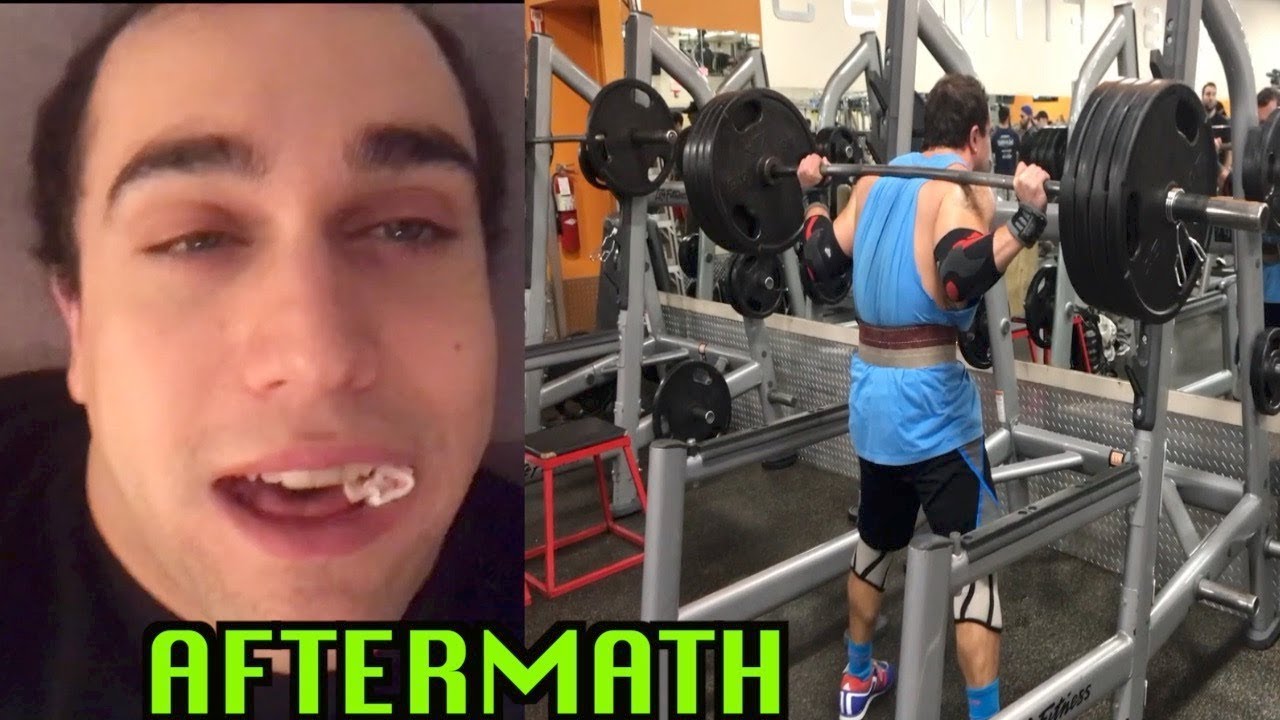
Image Source: i.ytimg.com
Navigating Wisdom Teeth Removal Recovery
Getting your wisdom teeth out is a common surgery. It involves removing one or more teeth located at the back of your mouth. These teeth often don’t have enough space to grow correctly, leading to pain, infection, or other dental problems. After the surgery, your mouth needs to heal. This healing process takes time.
The first few days after surgery are very important. You will likely have swelling, pain, and some bleeding. A blood clot needs to form in the empty socket where the tooth was. This blood clot is like a natural bandage. It protects the bone and nerves underneath and is key to proper healing. Disturbing this clot can lead to complications.
Many people want to get back to their normal routine quickly. This often includes going to the gym or doing other exercise. However, it’s crucial to understand why rushing back to physical activity is risky. Your body is using its energy to heal the surgical site. Putting extra stress on your body through exercise can interrupt this process.
Risks of Exercising Too Soon
Jumping back into exercise after tooth extraction can cause several problems. These risks are why dentists and oral surgeons strongly advise rest.
Bleeding After Wisdom Teeth Removal
Some light bleeding is normal for the first day or so after surgery. However, physical activity increases your heart rate and blood pressure. This increased blood flow can cause the extraction site to bleed more heavily. Heavy or prolonged bleeding slows down healing and can be uncomfortable. You might need to apply more pressure with gauze, which can also disturb the healing site.
Swelling After Surgery
Swelling is a very common side effect of wisdom teeth removal. It usually gets worse for the first 2-3 days before slowly getting better. Exercise, especially activities that involve bending over or putting your head below your heart, can increase blood flow to the head and face. This extra blood flow can make swelling worse or last longer. Managing swelling is a key part of a smooth wisdom teeth removal recovery.
Pain Levels
Pain is expected after surgery. Pain medication is often prescribed or recommended to help manage it. Doing too much too soon, like exercising, can increase pain. Your body signals pain when it’s under stress or needs rest. Ignoring this signal by exercising can make you more uncomfortable and potentially hinder healing.
Dry Socket Risk
This is one of the most significant risks of exercising too soon. A dry socket happens when the blood clot in the socket gets dislodged or dissolves too early. This leaves the underlying bone and nerves exposed, causing intense pain. Strenuous physical activity, especially jumping, running, or heavy lifting, can easily dislodge the fragile blood clot. The increased blood flow and pressure from exercise also play a role. Preventing dry socket risk is a major reason for resting after surgery.
Slowed Healing Time Wisdom Teeth
Your body needs energy to heal. When you exercise, your body uses energy for that activity instead of focusing completely on repairing the surgical site. Pushing your body too hard can slow down the overall healing time wisdom teeth need to recover fully. Proper rest helps your body prioritize tissue repair and regeneration.
Typical Wisdom Teeth Removal Recovery Timeline
Recovery time varies for each person. It depends on things like how many teeth were removed, how difficult the extractions were, and your own body’s healing ability. However, there is a general timeline you can expect.
- Day 1-2: This is often the most uncomfortable period. Swelling and pain are usually at their peak. You need strict rest. Only do very light activities like walking around your home. No strenuous physical activity.
- Day 3-5: Swelling might start to go down slightly. Pain should become more manageable. You can usually start introducing very light, low-impact activities. We will discuss what this means later. Avoid bending, lifting, and anything that raises your heart rate significantly.
- Day 5-7: Pain and swelling should continue to improve. You might feel more like yourself. If your surgeon says it’s okay and you feel up to it, you might be able to do slightly more activity. Still, avoid anything intense.
- Week 2: Most of the pain and swelling should be gone. The extraction sites are still healing, but the initial risks like dry socket are much lower. You can usually start gradually resuming exercise.
- Beyond Week 2: Healing continues. The sockets will fill in with new tissue over weeks or months. By two weeks, most people can return to their normal exercise routines, assuming they have no complications and feel well.
This is just a general guide. Your oral surgeon will give you specific post-operative instructions based on your surgery. Always follow their advice.
Grasping Post-Operative Instructions
Your surgeon’s instructions are your most important guide during wisdom teeth removal recovery. They are tailored to your specific situation. These instructions will cover things like:
- How to manage pain and swelling.
- What to eat and drink (soft foods, no straws).
- How to keep the area clean (gentle rinsing, no vigorous spitting).
- When to take medications.
- Crucially, when and how to safely resume normal activities, including exercise.
Do not ignore these instructions. They are designed to help you heal well and avoid complications. If anything is unclear, call your surgeon’s office and ask questions. They are there to help you.
When Can You Resume Exercise After Extraction?
The big question is when you can start moving more. There’s no single answer that fits everyone. However, we can break it down by type of activity and typical recovery stages.
Very Light Activity (Days 3-7, potentially sooner for some)
- What it looks like: Slow, short walks around your house or a very short, flat walk outside.
- Intensity: Minimal effort. Should not raise your heart rate significantly or make you breathe hard.
- Why it might be okay: Gentle movement can actually help circulation and reduce stiffness. It can also help you feel less confined.
- Precautions: Stop immediately if you feel any pain, increased throbbing, or bleeding. Keep your head elevated. Avoid bending over.
Moderate Activity (Typically after 7 days, often closer to 10-14)
- What it looks like: Longer walks, maybe slow cycling on a flat surface, very light stationary bike.
- Intensity: Your heart rate goes up a bit, you might breathe a little faster, but you can still talk easily.
- Why wait: This level of activity increases blood flow more than light walking. You need to be sure the blood clot is stable.
- Precautions: Start slow. Keep sessions short (15-20 minutes). Avoid activities that involve bouncing, jumping, or quick head movements. Pay close attention to how you feel during and after. If you notice increased pain, swelling, or throbbing, you are doing too much.
Strenuous Physical Activity (Usually after 2 weeks)
- What it looks like: Running, weightlifting, high-intensity interval training (HIIT), contact sports, swimming (especially if vigorous), yoga poses where your head is below your heart.
- Intensity: Makes your heart pump hard, makes you breathe heavily, you might struggle to talk in full sentences.
- Why wait: This type of activity dramatically increases blood pressure and blood flow to the head. It poses the highest dry socket risk and risk of significant bleeding. It puts a lot of stress on your body.
- When it’s okay: Typically not until at least two weeks after surgery, and only if you have healed well, are out of pain, have no swelling, and your surgeon has given the green light. Even then, start back gradually.
Listen to Your Body: This is the most important rule. If you feel tired, sore, or have any discomfort near the extraction sites while trying to exercise, stop. Pushing through pain or discomfort will only make recovery harder and potentially cause problems.
Interpreting Signs You Are Doing Too Much
Your body gives you signals when it’s stressed or needs more rest. After wisdom teeth removal, these signals are even more important to pay attention to, especially when thinking about resuming exercise after extraction.
Signs you are overdoing it:
- Increased pain: The dull ache becomes sharper or more intense.
- Increased throbbing: You feel a pulse-like sensation in the extraction area. This is a sign of increased blood flow.
- New or increased bleeding: The light pinkish color becomes red again, or active bleeding starts.
- Swelling gets worse: Your cheeks puff up again or the swelling that was going down comes back.
- Fatigue: You feel unusually tired or drained after a short period of activity.
- Dizziness or lightheadedness: This can happen if you are dehydrated or your body is still recovering.
If you experience any of these signs, stop what you are doing immediately. Rest, apply ice packs (as advised by your surgeon, usually for the first 24-48 hours), and take prescribed pain medication if needed. Contact your surgeon if the symptoms are severe or don’t improve with rest.
Preventing Blood Clot Dislodgement
Preventing the blood clot from becoming dislodged is crucial for avoiding dry socket. Exercise is a common way this can happen.
Here’s how exercise can lead to blood clot dislodgement:
- Increased Blood Pressure/Flow: As mentioned, exercise makes your heart pump harder, increasing pressure in your blood vessels, including those near the extraction site. This pressure can push the clot out.
- Vibrations and Jarring: Activities like running, jumping, or even heavy lifting can create vibrations or jarring movements in your body that can physically shake the clot loose.
- Bending Over: Exercises that involve putting your head below your waist (like certain yoga poses, burpees, or even picking up weights from the floor) can increase blood pressure in the head and disrupt the clot.
- Straining: Holding your breath and straining during heavy lifts can also dramatically increase pressure in the head and chest, risking the clot.
This is why the recommendation is to avoid strenuous physical activity for at least two weeks. During the early stages (first 7-10 days), even moderate activity can be risky for blood clot stability.
Practical Tips for Resuming Exercise Safely
When you do get the green light to start exercising again, here are some tips for doing it safely:
- Start Slowly: Don’t try to do what you were doing before surgery on the first day back. Begin with much lower intensity and shorter durations.
- Listen to Your Body (Again): This can’t be stressed enough. If something doesn’t feel right, stop.
- Stay Hydrated: Drink plenty of water before, during (if needed), and after your workout. Dehydration can slow healing. Avoid using a straw, especially in the first week, as the suction can dislodge the clot. Sip from a glass or bottle.
- Choose Low-Impact Activities Initially: Stick to things like walking, gentle cycling, or using an elliptical machine. Avoid running, jumping, heavy lifting, or contact sports until you are fully cleared.
- Avoid Bending and Inversion: Stay away from exercises that involve bending over significantly or putting your head below your heart.
- Skip the Pool (Initially): While swimming is low-impact, public pools contain bacteria. It’s best to avoid submerging your surgical sites in pool water until they are well-healed to prevent infection. Check with your surgeon about when swimming is safe.
- Manage Pain and Swelling: If you have any residual pain or swelling, exercising will likely make it worse. Wait until these symptoms are gone or very minimal before attempting exercise.
- Consider the Weather: Extreme heat can increase swelling and fatigue. If it’s hot, exercise in a cool place or wait for a cooler time of day.
- Don’t Push Through Bleeding: If any bleeding starts during exercise, stop immediately. This is a clear sign you are not ready.
- Get Enough Sleep: Your body heals when you rest. Make sure you are getting plenty of sleep during your recovery period.
Why Rest is Part of Healing
Think of rest as an active part of your healing time wisdom teeth require. Your body is working hard behind the scenes. It’s building new tissue, fighting off potential infection, and closing the extraction sites. This work takes energy and resources.
When you rest, you allow your body to dedicate its full resources to this crucial repair process. Exercising, especially strenuous exercise, diverts these resources. It adds stress to your system when it’s already dealing with the stress of surgery.
Adequate rest helps:
- Reduce swelling.
- Minimize pain.
- Allow the blood clot to stabilize and mature.
- Prevent complications like dry socket and infection.
- Speed up the overall recovery timeline.
While it can be frustrating to take a break from your fitness routine, remember that this short pause is an investment in a faster, smoother, and safer recovery. Rushing back could lead to a setback that keeps you out of the gym much longer in the long run.
Crafting a Gradual Return Plan
Once your surgeon gives you the okay to start exercising again, it’s wise to have a plan for resuming exercise after extraction gradually.
Here’s a sample approach:
- Week 1-2 (Post-Surgery): Strict rest, maybe light walking around the house if you feel up to it and your surgeon approves. Focus on hydration and nutrition.
- Week 2 (Assuming Good Recovery): Start with very light cardio. Think a slow walk outside or on a treadmill for 15-20 minutes. No inclines, no running. Do this every other day.
- Week 3: If the light cardio felt fine with no increased pain or swelling, you can try slightly longer walks (20-30 minutes) or introduce a gentle stationary bike at low resistance. Maybe try very light bodyweight exercises that don’t involve bending or straining (like wall push-ups, standing calf raises). Listen carefully to your body.
- Week 4: If everything is feeling good, you can start increasing the duration or intensity slightly. Maybe try a very light jog for short intervals during your walk. If you lift weights, start with very light weights, focusing on high reps and avoiding anything that causes you to strain or hold your breath. Continue avoiding activities with impact or head-down positions.
- Week 5 onwards: If you have reached this point with no issues, you can continue to gradually build back towards your pre-surgery routine. Increase weight slowly, run a bit longer, introduce more complex movements as your body feels ready.
This is just an example. Some people might be able to progress faster, while others may need more time. The key is slow, steady, and responsive to how your body feels. Do not try to jump from sitting on the couch to your hardest workout in one day.
Factors Influencing Your Return to Exercise
Several things can affect how quickly you can get back to exercising:
- Complexity of the Surgery: Removing impacted wisdom teeth or having all four removed is generally more complex and requires a longer recovery than a simple extraction of one tooth.
- Your Healing Rate: Everyone heals differently. Some people naturally recover faster than others.
- Complications: If you developed dry socket, infection, or had excessive bleeding, your recovery will take longer, and your return to exercise will be delayed.
- Your General Health: Being in good health before surgery can sometimes help with recovery, but it doesn’t mean you can skip the essential rest period.
- Your Surgeon’s Recommendations: This is paramount. Your surgeon knows the details of your surgery and your specific healing progress. Always defer to their advice.
The Importance of Hydration and Nutrition
While you are recovering and when you start exercising again, paying attention to what you eat and drink is vital.
- Hydration: Staying well-hydrated supports overall healing and helps manage swelling. Drink plenty of water. Avoid alcohol and sugary drinks which can hinder healing.
- Nutrition: Eating soft, nutritious foods gives your body the building blocks it needs to repair tissue. Focus on things like smoothies (no straw!), yogurt, scrambled eggs, mashed potatoes, well-cooked pasta, and soft vegetables. Avoid hard, crunchy, or spicy foods that can irritate the extraction sites. Getting enough protein and vitamins is especially important for healing.
Proper hydration and nutrition support your wisdom teeth removal recovery whether you are resting or slowly resuming exercise.
Frequently Asked Questions
Here are some common questions people ask about exercise and wisdom teeth recovery:
h5 How soon can I walk on a treadmill after wisdom teeth removal?
You might be able to do very light walking on a treadmill (flat, slow speed) after 3-5 days, but only if you feel well, have minimal pain, and your surgeon approves. Avoid anything faster than a slow walk or any incline for at least a week, and likely longer.
h5 Can I lift weights after wisdom teeth removal?
Heavy weightlifting is considered strenuous physical activity and should be avoided for at least two weeks, and possibly longer, depending on your recovery. Lifting weights increases blood pressure and requires straining, which puts you at high risk for bleeding and dry socket. Start with very light weights and high reps only when cleared by your surgeon.
h5 Is yoga safe after wisdom teeth removal?
Gentle, restorative yoga that doesn’t involve inversions (head below heart), bending over, or strenuous poses might be okay after about a week if you feel up to it. However, any yoga that is physically demanding or involves positions that increase blood flow to the head should be avoided for at least two weeks.
h5 What if I accidentally exercised too soon?
If you exercised too soon and experienced increased bleeding, pain, or swelling, stop immediately. Rest, use ice packs if appropriate (check surgeon’s instructions), and manage pain. If symptoms are severe or you suspect dry socket (intense pain not helped by medication, bad taste/smell), contact your oral surgeon right away.
h5 When can I swim after wisdom teeth removal?
Avoid swimming for at least two weeks. Public pools can contain bacteria that could infect the healing sockets. Also, vigorous swimming is strenuous activity.
h5 Can I run after wisdom teeth removal?
Running involves impact and significantly increases heart rate and blood pressure. It poses a high risk for dry socket and bleeding. You should wait at least two weeks before attempting to run, and even then, start with very short, slow jogs mixed with walking.
h5 What activities are safest during early recovery?
During the first week, the safest activity is rest. Very light walking around your home is generally acceptable if you feel up to it, as long as it doesn’t cause pain or discomfort.
h5 How long does dry socket pain last?
Dry socket pain is usually intense and throbbing and can last for several days or even a week or more until the area starts to heal properly after treatment by your surgeon. It’s much more severe than normal post-operative pain.
Conclusion
Wisdom teeth removal recovery requires patience and rest. While you might be eager to get back to the gym and your normal exercise routine, doing so too soon can lead to painful complications like bleeding, increased swelling, and the serious risk of dry socket due to blood clot dislodgement. Following your post-operative instructions from your oral surgeon is paramount.
Most people need to avoid strenuous physical activity for at least two weeks after surgery. You can gradually introduce very light activities like short walks after the first few days, provided you feel well and have your surgeon’s approval.
Listen carefully to your body for signs you are doing too much, such as increased pain or bleeding. A gradual return to exercise after extraction, starting with low-impact activities and slowly increasing intensity, is the safest approach. Prioritize rest, proper hydration, and good nutrition during your healing time wisdom teeth need. A smooth recovery ensures you can get back to full activity sooner and more safely in the long run.