
Image Source: i.ytimg.com
Can You Get Rid Of Gyno With Exercise? Expert Answers!
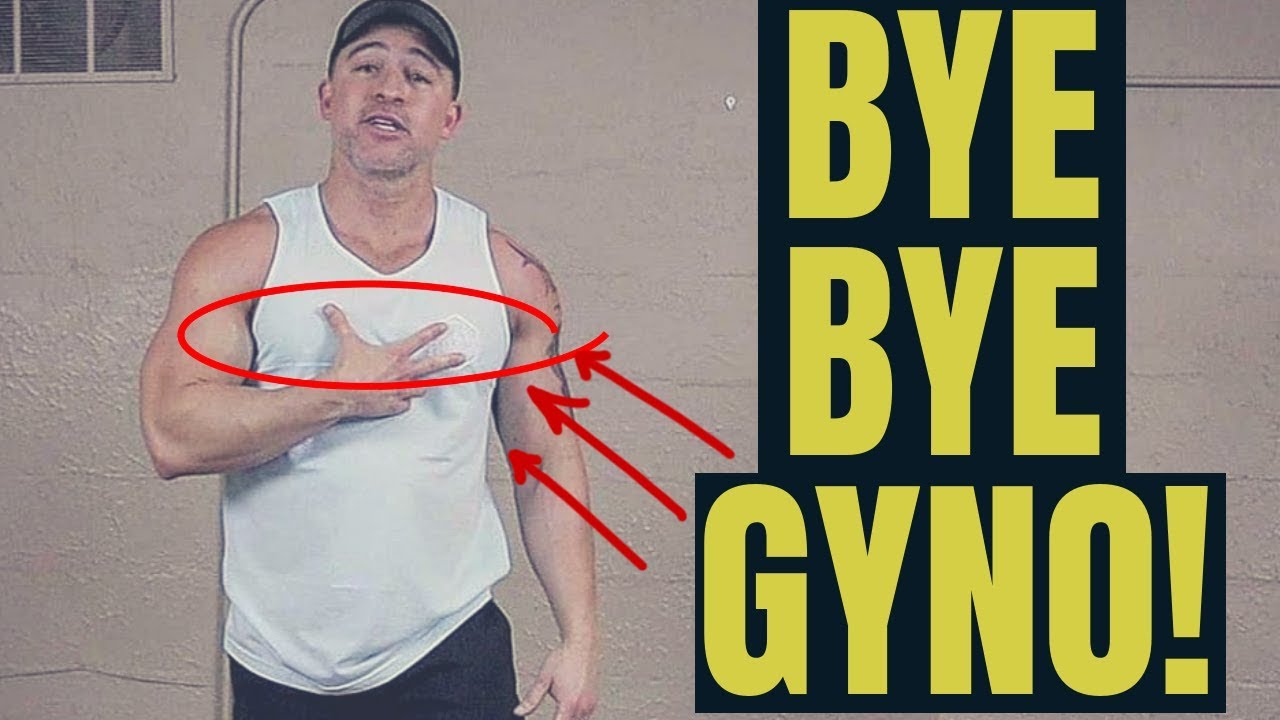
Can you get rid of gyno with exercise? The short answer is: it depends on what type of “gyno” you have. If you have pseudogynecomastia, which is excess fat in the chest area, exercise can certainly help reduce it. However, if you have true gynecomastia, caused by an overgrowth of glandular tissue due to hormonal imbalance, exercise alone cannot make it disappear. For true gynecomastia, medical intervention, often true gynecomastia surgery, is typically the most effective solution. This detailed guide explores the nuances of male breast fat reduction, the role of exercise, diet, and when to seek professional help.
Deciphering Gynecomastia: What Is It, Really?
Many men worry about excess chest tissue. It can look like female breasts, causing distress. But not all enlarged male chests are the same. There are two main types: true gynecomastia and pseudogynecomastia. Knowing the difference is vital for effective treatment.
True Gynecomastia: The Glandular Reality
True gynecomastia happens when there is too much glandular tissue in the male chest. This is often firm to the touch, and it forms a small, often tender, lump directly under the nipple. This condition is caused by a hormonal imbalance gynecomastia, specifically too much estrogen compared to testosterone. This imbalance can happen at different life stages:
- Infancy: Babies often have temporary gynecomastia.
- Puberty: Teen boys may develop it as hormones shift. It usually goes away on its own.
- Aging: Older men can experience it as hormone levels change.
Other causes include certain medicines, health problems, or drug use. Because this is glandular tissue, exercise or diet alone cannot remove it. It’s not fat.
Pseudogynecomastia: The Fatty Illusion
Pseudogynecomastia is simply excess fat in the chest area. This looks like enlarged breasts but has no glandular tissue. It feels soft and squishy. It often goes hand-in-hand with being overweight or obese. The good news? If you have pseudogynecomastia, exercise and diet are powerful tools for male breast fat reduction. Losing overall body fat will reduce the fat in your chest, making it less noticeable.
The table below highlights the key differences:
| Feature | True Gynecomastia | Pseudogynecomastia |
|---|---|---|
| Cause | Hormonal imbalance (estrogen/testosterone) | Excess body fat |
| Tissue Type | Glandular tissue | Adipose (fat) tissue |
| Feel | Firm, rubbery, often tender lump under nipple | Soft, squishy, spreads across chest |
| Appearance | Often localized around nipple | Generally more spread out, less defined |
| Effect of Exercise/Diet | Minimal to no effect on glandular tissue | Can significantly reduce chest size |
| Treatment | Medical evaluation, possible true gynecomastia surgery | Diet, exercise, overall weight loss |
The Role of Exercise in Reducing Chest Size
Exercise plays a huge part, especially if fat is the main issue. It helps reduce overall body fat. It also builds muscle, which can make your chest look better. But remember, exercise alone cannot solve all cases.
Exercise for Pseudogynecomastia: A Path to Reduction
For pseudogynecomastia, exercise is very effective. It helps burn calories and reduce body fat. When you lose fat, your chest fat will shrink too. There is no such thing as “targeted chest fat loss male” where you only lose fat from one spot. You must lose fat from your whole body. But certain exercises can help shape and tone your chest.
Building Pectorals Gynecomastia: Shaping Your Chest
While you cannot spot reduce fat, you can build muscle. Building strong pectoral muscles can help. A well-developed chest can make the area look flatter and more defined. This is especially true if you have a mix of fat and some mild glandular tissue. Strong muscles can provide a better base.
The Power of Strength Training
Strength training is key. It helps build muscle mass and burns calories. More muscle means your body burns more calories, even at rest. This helps with overall fat loss. Focus on exercises that work your chest, shoulders, and triceps.
Here are some effective chest workouts for man boobs:
- Push-ups: A classic bodyweight exercise. You can do them anywhere. Start on your knees if needed, then move to your toes.
- Bench Press: Use a barbell or dumbbells. This is great for building chest size and strength. Make sure to use good form.
- Dumbbell Flyes: This exercise stretches your chest muscles. It helps open up the chest area.
- Incline Press: Working on an incline targets the upper chest. This can help create a fuller look.
- Cable Crossovers: These machines allow you to isolate chest muscles. They give a good squeeze at the end of the movement.
Aim for 3-4 strength training sessions per week. Each session should last 45-60 minutes. Work all major muscle groups, not just your chest. This helps create a balanced physique.
Cardiovascular Exercise: Fat Burning Essential
Cardio exercise burns many calories. This is crucial for overall fat loss. Aim for at least 150-300 minutes of moderate cardio per week. This could be brisk walking, jogging, cycling, swimming, or playing sports.
Examples of effective cardio:
- Running: A simple and effective way to burn calories.
- Cycling: Low impact, good for endurance.
- Swimming: Works your whole body, including chest muscles.
- High-Intensity Interval Training (HIIT): Short bursts of intense exercise followed by brief rest periods. This burns many calories quickly.
Addressing Stubborn Chest Fat Male
Sometimes, chest fat can be very stubborn chest fat male. Even with overall fat loss, some fat may remain. This is often the last place the body wants to give up fat. Keep going with your exercise and diet plan. Consistency is key. Over time, even stubborn fat will reduce.
How Exercise Falls Short for True Gynecomastia
For true gynecomastia, exercise alone is not enough. The glandular tissue cannot be “worked away.” It’s not fat. While exercise improves your overall health and appearance, it won’t remove the firm lump under your nipple. If you have true gynecomastia, you will likely need medical help.
The Critical Role of Diet to Reduce Gynecomastia
Exercise is only one part of the puzzle. What you eat matters even more for fat loss. A healthy diet to reduce gynecomastia is vital. It’s about creating a calorie deficit. This means you burn more calories than you eat.
Prioritizing Whole Foods
Focus on whole, unprocessed foods. These are rich in nutrients and fiber. They keep you full longer.
- Lean Proteins: Chicken, turkey, fish, lean beef, eggs, lentils, beans. Protein helps you feel full and supports muscle growth.
- Fruits and Vegetables: Eat a variety of colors. They are low in calories and high in vitamins and fiber.
- Whole Grains: Brown rice, quinoa, oats, whole-wheat bread. These provide energy and fiber.
- Healthy Fats: Avocados, nuts, seeds, olive oil. These are important for hormone health and feeling satisfied.
Foods to Limit or Avoid
To reduce overall body fat, limit foods that are high in empty calories.
- Sugary Drinks: Sodas, fruit juices, sweetened teas. These add many calories without making you feel full.
- Processed Foods: Chips, cookies, fast food, frozen meals. These are often high in sugar, unhealthy fats, and sodium.
- Excess Alcohol: Alcohol adds empty calories and can interfere with fat burning.
- Refined Grains: White bread, white pasta, white rice. These offer less fiber and nutrients.
Calorie Deficit: The Golden Rule
To lose fat, you must eat fewer calories than your body uses. You can calculate your daily calorie needs online. Then, aim to eat 300-500 fewer calories than that. This creates a steady fat loss.
Sample Daily Meal Plan for Fat Loss
Here is a simple example of a healthy eating day:
| Meal | Example Foods |
|---|---|
| Breakfast | Oatmeal with berries and a scoop of protein powder, or scrambled eggs with spinach and whole-wheat toast. |
| Lunch | Large salad with grilled chicken or fish, plenty of vegetables, and a light vinaigrette. Or a lean turkey sandwich on whole-wheat bread with lots of veggies. |
| Snack | Apple with a handful of almonds, Greek yogurt, or vegetable sticks with hummus. |
| Dinner | Baked salmon or grilled lean steak with steamed broccoli and quinoa. Or a hearty lentil soup with a side salad. |
| Hydration | Drink plenty of water throughout the day. Water helps with metabolism and keeps you feeling full. Aim for 8-10 glasses. |
Consistency in your diet is just as important as consistency in exercise. Small, regular changes add up over time.
Exploring Other Approaches: Beyond Just Exercise
While exercise and diet are powerful, sometimes more is needed. This is especially true for true gynecomastia or very stubborn chest fat.
Gynecomastia Natural Treatment Options
Some sources talk about natural treatments. These often focus on balancing hormones or reducing inflammation. However, scientific proof for these methods for true gynecomastia is often weak.
- Herbal Supplements: Some herbs, like milk thistle or fenugreek, are sometimes suggested to support liver health or hormone balance. Always talk to a doctor before taking supplements. They can interact with medicines.
- Dietary Changes for Hormone Balance: Reducing processed foods, focusing on cruciferous vegetables (like broccoli, cauliflower) that may help with estrogen metabolism. Again, this is more supportive than curative for true gynecomastia.
- Stress Reduction: High stress can affect hormone levels. Techniques like meditation or yoga can help.
These natural approaches might complement a healthy lifestyle, but they are unlikely to cure true gynecomastia. They are more relevant for general well-being and might help with pseudogynecomastia by promoting overall health.
When True Gynecomastia Surgery Is The Answer
For many men with true gynecomastia, surgery is the most effective solution. This is called gynecomastia reduction surgery or male breast reduction. It involves removing the excess glandular tissue, fat, and sometimes skin.
- What Surgery Involves: A surgeon makes small cuts. They may use liposuction to remove fat. They also cut out the hard glandular tissue. Sometimes, they reshape the nipple and areola.
- Results: Surgery offers a permanent solution for the glandular tissue. It can greatly improve chest shape.
- Recovery: Recovery time varies. You will have some swelling and bruising. Most men can return to light activities in a few weeks.
- Who Is a Good Candidate: Men who have true gynecomastia that causes discomfort or emotional distress. They should be at a stable weight and have tried other options (if appropriate). They must also be in good general health.
It’s important to consult with a board-certified plastic surgeon to discuss options and risks.
The Importance of Professional Guidance
Self-diagnosis and self-treatment for gynecomastia are not wise. Always talk to a doctor first.
Why See a Doctor?
- Correct Diagnosis: A doctor can tell you if you have true gynecomastia or pseudogynecomastia. This is the most important first step. They can check for hormonal imbalance or other health issues.
- Rule Out Other Conditions: Rarely, enlarged male breasts can be a sign of a more serious health problem, like a tumor. A doctor can rule these out.
- Personalized Plan: A doctor can help create a personalized plan for you. This might include diet, exercise, medication, or surgery.
- Hormone Testing: If true gynecomastia is suspected, your doctor will likely test your hormone levels. This helps find the root cause.
- Medication Review: Some medications can cause gynecomastia. Your doctor can review your medicines.
Consulting a Nutritionist or Trainer
Once you have a diagnosis, a registered dietitian can help with a personalized diet plan. A certified personal trainer can create safe and effective chest workouts for man boobs and overall fitness. They can guide you on building pectorals gynecomastia without injury.
Final Thoughts on Managing Gynecomastia
Getting rid of excess chest tissue is a journey. It often takes patience and effort.
- Be Patient: Fat loss takes time. Muscle building takes time. Do not expect instant results.
- Be Consistent: Stick to your healthy eating and exercise plan. Even small setbacks are okay. Just get back on track.
- Focus on Overall Health: Don’t just focus on your chest. Aim for a healthy lifestyle that benefits your whole body. This includes enough sleep and managing stress.
- Seek Support: Talk to friends, family, or support groups if you feel alone or frustrated.
- Consider Mental Health: Excess chest tissue can affect self-esteem. If you feel very down, talk to a mental health professional.
In summary, exercise is a very powerful tool for reducing pseudogynecomastia. It helps burn fat and build muscle, improving the chest’s appearance. However, exercise cannot get rid of true gynecomastia, which needs medical attention. By working with experts and staying committed, you can find the best path to a chest you feel good about.
Frequently Asked Questions (FAQ)
Q1: Can I really get rid of gynecomastia without surgery?
A1: If you have pseudogynecomastia (excess fat), yes, you can often get rid of it with consistent exercise and diet. If you have true gynecomastia (glandular tissue), exercise and diet will not remove the glandular tissue. Surgery is typically needed for true gynecomastia.
Q2: How long does it take to see results from exercise and diet for pseudogynecomastia?
A2: Results vary for each person. You might start to see small changes in a few weeks. But significant changes can take months of consistent effort. Stubborn chest fat male can be the last to go.
Q3: Are there specific exercises that target chest fat?
A3: No. You cannot “spot reduce” fat from one area. When you lose body fat through exercise and diet, you lose it from all over your body, including your chest. However, chest workouts for man boobs, like push-ups and bench presses, will build muscle and improve the look of your chest once fat is reduced.
Q4: Is gynecomastia dangerous?
A4: True gynecomastia itself is usually not dangerous. However, it can sometimes be a sign of an underlying medical condition. It’s important to see a doctor for a proper diagnosis to rule out any serious issues.
Q5: Can certain foods help reduce gynecomastia?
A5: Certain foods don’t “reduce” gynecomastia directly. But a healthy diet to reduce gynecomastia helps with overall fat loss. Reducing processed foods and increasing whole foods can help manage body fat. This is especially useful for pseudogynecomastia.
Q6: What if my gynecomastia comes back after surgery?
A6: If you had true gynecomastia surgery, the glandular tissue is removed permanently. It should not grow back. However, if you gain a lot of weight, new fat can accumulate in the chest area, creating a look similar to pseudogynecomastia. Maintaining a healthy lifestyle after surgery is important.