
Yes, you can generally exercise with tendonitis, but it requires careful consideration and specific modifications. The key is to listen to your body, avoid aggravating the condition, and focus on tendonitis rehabilitation exercises that promote healing and strength. Ignoring pain can worsen tendonitis, leading to longer recovery times and potential chronic issues.
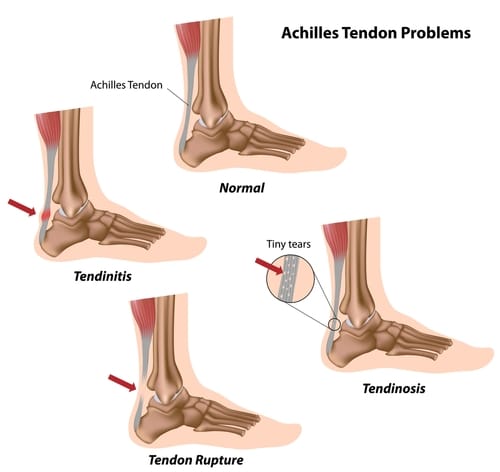
Image Source: cathe.com
Deciphering Tendonitis and Exercise
Tendonitis is inflammation or irritation of a tendon, the thick cords that attach muscle to bone. It’s often caused by overuse, repetitive motions, or sudden injury. Common areas affected include the elbow (tennis elbow, golfer’s elbow), shoulder (rotator cuff tendonitis), wrist, and Achilles tendon. The primary symptom is pain, often worse with movement.
Why Exercise Might Seem Counterintuitive
When you have tendonitis, the affected area hurts. It’s natural to want to rest it completely. However, prolonged inactivity can lead to:
- Muscle weakness: The muscles around the injured tendon can become weak from disuse.
- Stiffness: Joints can become stiff, reducing range of motion.
- Reduced blood flow: Activity increases blood flow, which is crucial for healing.
This is where carefully chosen exercises for tendonitis pain become vital. They aim to stimulate healing without causing further damage.
The Goal: Healing, Not Hurting
The primary goal when exercising with tendonitis is to facilitate healing and rebuild strength and flexibility in the affected area and surrounding muscles. This is a journey, and tendonitis recovery exercises are designed to be progressive.
Navigating the Exercise Landscape with Tendonitis
The most important rule: If it hurts, stop. Pain is your body’s signal that you’re doing too much.
Listening to Your Body’s Signals
- Sharp pain: This is a red flag. Avoid the movement immediately.
- Dull ache: This might be manageable, but monitor it closely. If it intensifies during or after exercise, ease up.
- Pain after exercise: If you experience increased pain hours after a workout, you likely overdid it.
When to Seek Professional Advice
Before starting any new exercise program or resuming activity after a tendonitis flare-up, it’s wise to consult a healthcare professional, such as a doctor, physical therapist, or sports medicine specialist. They can diagnose the specific type and severity of your tendonitis and recommend a personalized plan.
Safe Exercises for Tendonitis: The Foundation
The cornerstone of exercising with tendonitis is focusing on safe exercises for tendonitis. These are typically low-impact exercises tendonitis sufferers can manage.
Warm-up is Non-Negotiable
A proper warm-up prepares your muscles and tendons for activity, making them more pliable and less prone to injury.
- Light aerobic activity: 5-10 minutes of walking, cycling, or swimming.
- Dynamic stretching: Gentle movements that take your joints through their range of motion. Examples include arm circles, leg swings, and torso twists. Avoid static stretching (holding a stretch) before activity.
Low-Impact Cardio Choices
Cardiovascular exercise is essential for overall health and can improve blood flow to injured areas.
- Walking: A gentle way to get moving. Focus on good posture and a comfortable pace.
- Cycling (stationary or outdoor): Adjust the seat height to avoid excessive knee or ankle flexion. Start with low resistance.
- Swimming: An excellent low-impact exercise tendonitis option as the water supports your body weight.
- Elliptical trainer: Provides a cardiovascular workout with minimal joint impact.
Strength Training: Smart and Targeted
Strengthening exercises are crucial for supporting the injured tendon and preventing future issues. However, the approach needs to be modified.
Strengthening Exercises for Tendonitis
The focus should be on controlled movements and lighter weights or resistance bands.
Eccentric Exercises
Eccentric exercises, where the muscle lengthens under tension, are often highly effective for tendonitis rehabilitation. They promote collagen repair in the tendon.
Example: Eccentric Heel Drops for Achilles Tendonitis
1. Stand with the balls of your feet on a step, heels hanging off.
2. Lift yourself up onto your toes (concentric phase).
3. Slowly lower your heels down below the level of the step, feeling a stretch in your calf (eccentric phase). Aim for 3-5 seconds for the lowering phase.
4. Repeat for 10-15 repetitions, 2-3 times a day.
Isometric Exercises
These involve contracting a muscle without changing its length or moving the joint. They can help reduce pain and activate the muscle without stressing the tendon.
Example: Isometric Quadriceps Contraction
1. Sit with your leg extended.
2. Tighten your thigh muscle (quadriceps) as if trying to press your knee down.
3. Hold for 5-10 seconds.
4. Release and repeat 10-15 times.
Light Resistance Training
Using very light weights or resistance bands can help maintain muscle strength around the affected joint.
Example: Bicep Curls with Light Dumbbells (for Elbow Tendonitis)
1. Hold a light dumbbell in your hand, palm facing up.
2. Keep your elbow tucked close to your side.
3. Slowly curl the weight up towards your shoulder, keeping the movement smooth.
4. Slowly lower the weight back down.
5. Focus on slow, controlled movements.
Table: Sample Strengthening Exercises for Common Tendonitis Areas
| Tendonitis Location | Exercise Type | Description |
|---|---|---|
| Rotator Cuff | Isometric External Rotation | Stand with your elbow bent at 90 degrees and tucked to your side. Place the back of your hand against a wall or doorframe. Gently push your hand outwards against the wall, feeling the muscles on the back of your shoulder engage. Hold for 5-10 seconds. |
| Resistance Band Rows | Sit with legs extended, loop a resistance band around your feet. Hold the ends of the band with palms facing each other. Keeping your back straight and shoulders down, pull the band towards your chest, squeezing your shoulder blades together. Slowly return. | |
| Elbow (Tennis/Golfer’s) | Wrist Extension (Light Weight/Band) | Sit with your forearm resting on your thigh, palm down. Hold a light weight or resistance band. Slowly lift your hand upwards at the wrist. Slowly lower it back down. Focus on controlled movement. |
| Wrist Flexion (Light Weight/Band) | Sit with your forearm resting on your thigh, palm up. Hold a light weight or resistance band. Slowly curl your hand upwards at the wrist. Slowly lower it back down. Focus on controlled movement. | |
| Achilles Tendon | Eccentric Calf Raises | As described above, focusing on the slow lowering phase. |
| Towel Scrunches | Sit with your feet flat on the floor. Place a towel underneath your toes. Use your toes to scrunch the towel towards you. Repeat 10-15 times. | |
| Patellar Tendon | Wall Squats (Partial Range) | Stand with your back against a wall, feet shoulder-width apart. Slide down the wall into a partial squat, ensuring your knees do not go past your toes. Hold for a few seconds, then slide back up. Avoid deep squats. |
| Straight Leg Raises | Lie on your back with one leg bent and the other extended. Tighten the thigh muscle of the extended leg and slowly lift it a few inches off the ground. Hold briefly, then slowly lower. |
Stretching: Gentle and Strategic
Stretching helps improve flexibility and reduce muscle tightness, which can contribute to tendonitis. However, the timing and type of stretches are crucial.
Stretching Exercises for Tendonitis
Focus on static stretches after your workout or as a separate session, and always perform them gently.
Static Stretching
Hold stretches for 20-30 seconds, breathing deeply.
Examples:
- Calf Stretch (for Achilles Tendonitis): Stand facing a wall, place your hands on the wall. Step one foot back, keeping the heel on the ground and the leg straight. Lean forward until you feel a stretch in the back calf.
- Forearm Stretch (for Elbow Tendonitis): Extend your arm with your palm facing up. Gently pull your fingers back towards your body with your other hand until you feel a stretch in your forearm. Repeat with your palm facing down.
- Shoulder Stretch (for Rotator Cuff Tendonitis): Gently pull one arm across your chest with the opposite hand, feeling a stretch in the back of the shoulder.
Cool-down: Essential for Recovery
A cool-down helps your body gradually return to its resting state.
- Light cardio: 5 minutes of the same low-impact activity you did for your warm-up.
- Static stretching: Focus on the muscles that were worked, holding stretches for 20-30 seconds.
Tendonitis Exercise Modifications: The Art of Adaptation
Modifying your regular workouts is key to staying active while managing tendonitis.
Identifying Triggering Movements
Pay attention to which movements or exercises exacerbate your pain. These are the ones that need modification or temporary removal.
Adjusting Form and Range of Motion
- Reduce the range of motion: If a full range of motion causes pain, perform the exercise through a pain-free arc.
- Slow down the movement: This can help improve control and reduce stress on the tendon.
- Adjust your grip: For upper body exercises, a neutral grip might be more comfortable than pronated or supinated grips.
Equipment for Support
- Braces and straps: These can help offload the affected tendon during activity. For example, a tennis elbow strap can reduce tension on the tendon.
- Compression sleeves: Can provide warmth and proprioceptive feedback, potentially reducing pain.
Progression: The Gradual Climb
When your pain improves, you can gradually increase the intensity, duration, or frequency of your exercises.
- Start with fewer repetitions or sets.
- Increase weight or resistance very slowly.
- Introduce new movements cautiously.
Exercises to Avoid with Tendonitis: The “Do Not Do” List
Certain exercises put excessive stress on inflamed tendons and should be avoided, especially during the acute phase of tendonitis.
High-Impact Activities
- Running on hard surfaces: Can shock the Achilles tendon and knees.
- Jumping exercises: Plyometrics, jump squats, and jump rope can be too jarring.
- Sports with sudden stops and starts: Basketball, tennis (without modifications), and soccer.
Exercises with Repetitive, Forceful Movements
- Heavy overhead lifting: Can aggravate shoulder tendonitis.
- Fast, jerky movements: Can shock tendons.
- Exercises that directly load the inflamed tendon with significant weight: For example, heavy bicep curls if you have elbow tendonitis, or heavy calf raises if you have Achilles tendonitis.
Stretches That Cause Pain
- Aggressive or ballistic stretching: Avoid bouncing into stretches.
- Stretching the inflamed tendon directly if it causes sharp pain.
Tendonitis-Friendly Workouts: Creating Your Plan
Creating a tendonitis-friendly workout routine involves smart planning and a focus on recovery.
Sample Weekly Workout Schedule (Example: Elbow Tendonitis)
This is a general guideline and should be adjusted based on individual pain levels and doctor recommendations.
Monday:
* Warm-up: 5-10 minutes light cycling.
* Strength: Isometric wrist extensions and flexions (pain-free range), light forearm pronation/supination with no weight.
* Cardio: 20-30 minutes elliptical.
* Cool-down: Gentle forearm stretches.
Tuesday:
* Active Recovery: 30-40 minutes swimming or brisk walking.
* Focus: Gentle stretching of the shoulders and upper back.
Wednesday:
* Warm-up: 5-10 minutes walking.
* Strength: Light shoulder exercises (e.g., isometric external rotation, band rows with light resistance), light bicep curls with very light weight, focusing on controlled eccentric phase.
* Cardio: 20-30 minutes stationary bike.
* Cool-down: Gentle arm and wrist stretches.
Thursday:
* Rest or very light activity like gentle walking.
Friday:
* Warm-up: 5-10 minutes elliptical.
* Strength: Continue with Wednesday’s exercises, possibly slightly increasing reps if pain-free. Focus on eccentric strengthening for forearms.
* Cardio: 20-30 minutes swimming.
* Cool-down: Forearm and wrist stretches.
Saturday:
* Longer duration, lower intensity cardio: 45-60 minutes walking or cycling.
Sunday:
* Rest.
The Role of Rest and Recovery
Adequate rest is as crucial as exercise. It allows your body to repair and rebuild.
- Listen to your body: If you feel fatigued or increased pain, take an extra rest day.
- Prioritize sleep: Good sleep is essential for healing.
Frequently Asked Questions (FAQ)
Q1: Can I run with tendonitis?
Generally, it’s best to avoid running, especially on hard surfaces, if you have tendonitis, particularly in the Achilles or patellar tendons. If you must run, start with very short distances on soft surfaces and focus on a pain-free gait. Consider cross-training with lower-impact activities.
Q2: What are the best exercises for tendonitis pain?
The best exercises are typically those that gently strengthen the surrounding muscles and promote healing without aggravating the tendon. This often includes isometric exercises, eccentric strengthening, and light resistance training. Always consult a professional for personalized recommendations.
Q3: How long does tendonitis take to heal?
The healing time for tendonitis varies greatly depending on the severity, location, and individual factors. It can range from a few weeks to several months. Consistent adherence to a rehabilitation program is key.
Q4: When can I return to my normal workout routine?
You can typically return to your normal routine when you are pain-free during daily activities and can perform sport-specific movements without discomfort. This transition should be gradual and guided by a healthcare professional.
Q5: Should I stretch before or after exercise with tendonitis?
It’s generally recommended to perform dynamic warm-ups before exercise and static stretching after exercise or as a separate session to avoid aggravating an inflamed tendon.
Q6: What is the difference between stretching exercises for tendonitis and strengthening exercises for tendonitis?
Stretching exercises aim to improve flexibility and reduce muscle tightness around the tendon, while strengthening exercises focus on building the capacity of the muscles that support the tendon to reduce the load on the tendon itself. Both are vital components of tendonitis rehabilitation exercises.
By approaching exercise with caution, a focus on tendonitis exercise modifications, and a commitment to gradual progression, you can effectively manage tendonitis and maintain an active lifestyle. Remember, consistency and patience are your greatest allies on the path to recovery.