
Can You Exercise With Low Oxygen Levels: Understand Risks
Can you exercise when your oxygen is low? For most people, the answer is often no, or at least not without careful steps and talking to a doctor first. Exercising with low oxygen, a condition sometimes called hypoxemia, can be risky. It’s vital to grasp the potential dangers and learn safe ways to manage activity if you have breathing problems. Low oxygen exercise safety is a big concern. Knowing your oxygen levels, perhaps using a pulse oximeter exercise, helps you make safer choices about when you can exercise and when it’s best to stop, especially concerning exercise safety low SpO2.
Image Source: my.clevelandclinic.org
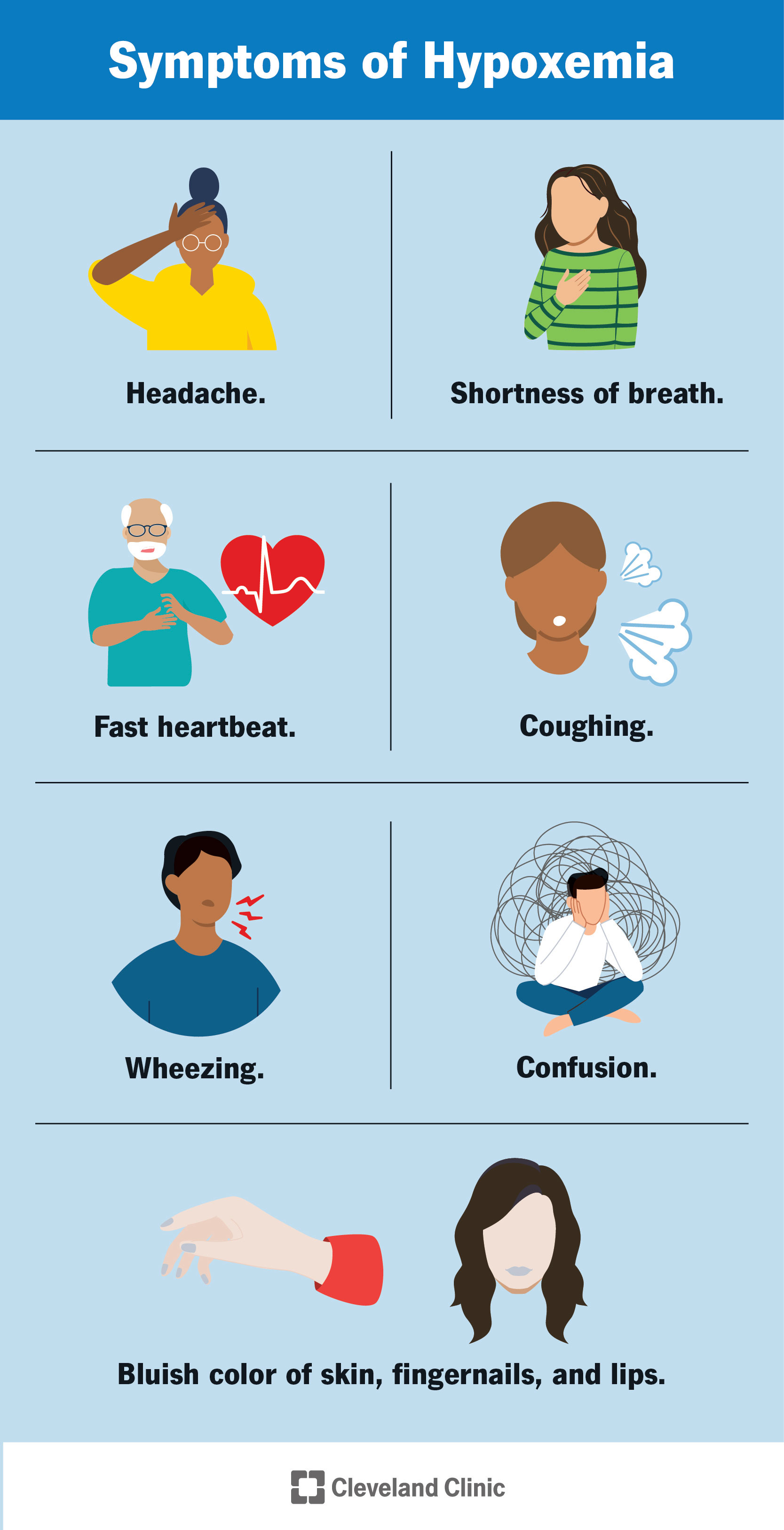
Deciphering Low Oxygen Levels
Your body needs oxygen to work right. We breathe air, and our lungs send oxygen into our blood. The blood carries this oxygen everywhere, to your muscles, brain, and heart.
When your oxygen level is low, it means not enough oxygen is getting into your blood. Doctors measure this level as a percentage. They often use a number called SpO2. A normal SpO2 is usually 95% or higher. Low oxygen, or hypoxemia, often means your SpO2 drops below 90% or sometimes 88%.
Many things can cause low oxygen. Lung diseases are a common reason. Conditions like COPD (Chronic Obstructive Pulmonary Disease), asthma, pneumonia, or pulmonary fibrosis can make it hard for your lungs to get oxygen into your blood. Heart problems can also play a role because the heart pumps the oxygen-rich blood around.
Think of your body like a car engine. It needs fuel (like food) and air (oxygen). If it doesn’t get enough air, it won’t run well. Your body is similar. If your blood doesn’t have enough oxygen, your organs and muscles won’t work as they should.
Knowing what low oxygen means is the first step. It helps you understand why exercise can be tricky when your levels are down.
How Oxygen Gets Around Your Body
Here’s a simple way to see how oxygen moves:
- You breathe in: Air goes into your lungs.
- Lungs work: Small sacs in your lungs called alveoli pass oxygen into tiny blood vessels.
- Blood picks up oxygen: Your red blood cells grab the oxygen.
- Heart pumps: Your heart pumps this oxygen-rich blood through arteries to all parts of your body.
- Body uses oxygen: Muscles, brain, and organs take the oxygen they need.
- Blood returns: Blood without much oxygen goes back to the heart, then to the lungs to get more oxygen.
If any part of this chain doesn’t work well, your oxygen level can drop. This is why people with lung or heart issues often have low oxygen.
Dangers of Working Out with Low Oxygen
Exercise makes your body work harder. Your muscles need more oxygen when you exercise. Your heart pumps faster to send more oxygen-rich blood to them.
If your oxygen level is already low before you start exercising, or if it drops even more during exercise, your body can’t get the extra oxygen it needs. This can cause problems.
Why It’s Risky:
- Muscles don’t get enough power: Muscles need oxygen to make energy. With low oxygen, they can’t work as hard. They get tired fast.
- Heart works too hard: Your heart tries to pump faster to make up for the low oxygen. This puts extra strain on your heart.
- Brain suffers: Your brain needs a lot of oxygen. Low oxygen can affect how you think and feel.
- Symptoms get worse: You might feel much more out of breath. You could feel dizzy or lightheaded. This is part of the risk of dizziness during exercise low oxygen. Shortness of breath exercise is a common symptom that gets worse. Breathing difficulties exercise can become severe.
Imagine running a race when you can only take small, shallow breaths. You wouldn’t be able to run fast or far. Your body would struggle. Exercising with low oxygen is like this.
The dangers are real. Pushing yourself when your oxygen is too low can lead to:
- Severe shortness of breath.
- Extreme tiredness.
- Feeling dizzy or even passing out.
- Putting too much stress on your heart, which could be dangerous if you have heart problems.
- Not being able to finish your activity or even falling.
This is why understanding low oxygen exercise safety is key. It’s not just about feeling uncomfortable; it’s about avoiding serious health issues.
Knowing When to Stop: Low Oxygen Limits
So, when is exercise definitely not safe with low oxygen? This is a crucial part of knowing when not to exercise low oxygen.
There isn’t one single oxygen number that applies to everyone. What’s too low for one person might be different for another. Your doctor will give you the best advice for you.
However, general hypoxemia exercise guidelines often suggest caution or stopping exercise if your SpO2 drops below a certain level. Many healthcare providers use 88% or 90% as a limit during exercise.
Watch These Signs Too:
Besides an oxygen number on a monitor, your body gives you warnings. Pay close attention to these signs of breathing difficulties exercise:
- Much worse shortness of breath: If you suddenly feel very out of breath, more than usual for the exercise.
- Dizziness: Feeling lightheaded, unsteady, or like you might faint. This is a key signal of dizziness during exercise low oxygen.
- Chest pain or tightness: This could be a sign your heart isn’t getting enough oxygen.
- Confusion or trouble thinking: Your brain isn’t getting enough oxygen.
- Blue or grey lips or fingernails: This is a sign of very low oxygen (though not always easy to spot).
- Feeling very weak or sick: More than just normal exercise tiredness.
If you have these symptoms while exercising, it’s a strong sign to stop. Don’t try to push through them. This is vital for exercise safety low SpO2.
Stopping when you feel these signs or when your pulse oximeter shows a low number is part of smart, safe exercise. It prevents putting your body in danger. Always listen to your body; it tells you a lot.
Checking Oxygen: The Pulse Oximeter Exercise Tool
How can you know your oxygen level? The easiest way is with a small device called a pulse oximeter.
A pulse oximeter is a clip you usually put on your finger. It shines a light through your finger and measures how much oxygen is in your blood. It’s painless and quick.
The device shows two main numbers:
- SpO2: This is your oxygen saturation level, shown as a percentage (e.g., 92%).
- Pulse Rate: This is how fast your heart is beating (beats per minute).
Using a pulse oximeter exercise can be very helpful if you have a condition that affects your oxygen levels. It gives you real-time information.
How to Use It During Exercise:
- Before you start: Check your SpO2 level. Is it in your safe range (as discussed with your doctor)?
- During exercise: Check it while you are active, especially as you increase how hard you are working. See if your level is dropping.
- If it drops: If your SpO2 falls below the level your doctor set (like 88% or 90%), slow down or stop the exercise. Rest until your level goes back up.
- After exercise: Check it again to see how quickly your levels recover.
A pulse oximeter is a tool for monitoring, not a replacement for how you feel. If you feel very bad, stop, even if the number looks okay (the device might not be reading right). Make sure the device fits well on your finger and your finger is warm. Cold fingers can cause wrong readings. Nail polish can also sometimes affect the reading.
Discuss using a pulse oximeter during exercise with your doctor. They can tell you what numbers to watch out for and how often to check. Using this tool helps make your exercise routine safer, linking directly to pulse oximeter exercise safety.
Exercise for People with Lung Problems: Grasping the Benefits
Having a lung condition like COPD (Chronic Obstructive Pulmonary Disease), pulmonary fibrosis, or severe asthma often means you have breathing difficulties exercise can make worse. You might feel short of breath doing simple things. Because of this, many people with lung problems avoid exercise. They worry it will make their breathing worse.
However, exercise is actually very important and helpful for people with chronic lung conditions! It’s a key part of managing the disease. This might seem backward, but here’s why exercising with COPD and similar conditions, done safely, is good:
- Strengthens breathing muscles: Exercise makes the muscles you use to breathe stronger.
- Helps muscles use oxygen better: Your arm and leg muscles get better at using the oxygen they get. This means they need less oxygen to do the same amount of work.
- Improves heart health: A stronger heart pumps blood more easily.
- Boosts energy levels: You might feel less tired in your daily life.
- Reduces shortness of breath: Over time, safe exercise can actually decrease how often you feel short of breath with daily tasks.
- Improves mood: Exercise is a natural mood booster.
- Helps manage weight: Important for overall health.
The key is safe exercise. Pushing too hard or exercising when your oxygen is too low without proper support (like supplemental oxygen) is risky. This is where medical guidance is absolutely essential for exercising with COPD and other breathing difficulties exercise. You need a plan tailored to your specific condition and oxygen levels.
Safe Ways to Move: Doctor-Guided Exercise
If you have low oxygen levels or a lung condition, you must work with your doctor to create a safe exercise plan. Guessing is not safe. This is where hypoxemia exercise guidelines come into play.
Pulmonary Rehabilitation Programs: A Great Option
One of the best options for people with lung conditions is a pulmonary rehabilitation program. This is a special program where healthcare professionals help you exercise safely.
What happens in pulmonary rehab?
- Assessment: Doctors and therapists check your health, breathing, and how well you can exercise. They might do an exercise test.
- Tailored Plan: They create an exercise plan just for you. It considers your lung condition, your oxygen levels, and what you can safely do.
- Supervised Exercise: You exercise in a safe place with trained staff watching you. They monitor your breathing, heart rate, and oxygen levels (using a pulse oximeter exercise device).
- Learning: You learn about your condition, how to manage shortness of breath exercise, how to save energy, and how to use medicines or oxygen.
- Support: You meet other people with similar conditions, which can be very encouraging.
Pulmonary rehabilitation exercise is proven to help people with lung diseases feel better and be more active. It’s a key part of learning low oxygen exercise safety.
Other Safe Exercise Approaches:
Even if you don’t do formal pulmonary rehab, your doctor or a physical therapist specializing in breathing problems can help you with hypoxemia exercise guidelines.
- Start Slowly: Begin with very low intensity exercise. Maybe just walking for a few minutes.
- Gradually Increase: Over time, you can slowly add more time or a little more intensity. Don’t rush it.
- Use Supplemental Oxygen: If your doctor says you need it, use oxygen during exercise. This can keep your oxygen levels safe while you move. It’s a crucial part of low oxygen exercise safety for some people. Your doctor will tell you the right oxygen flow rate.
- Monitor Yourself: Use a pulse oximeter exercise device as directed by your doctor. Pay attention to your oxygen levels.
- Listen to Your Body: Stop if you have warning signs like bad shortness of breath exercise or dizziness during exercise low oxygen.
- Breathing Techniques: Learn breathing methods like pursed-lip breathing. This helps you control your breath and can make breathing difficulties exercise easier to manage.
Safe exercise with low oxygen is possible, but it requires planning, monitoring, and medical support. It’s about finding the right balance to get the benefits of exercise without the risks.
Interpreting Signals: What Your Body Tells You
Your body is smart. It sends you signals when something isn’t right. When you have low oxygen levels or a lung condition, it’s extra important to pay attention to these signals during exercise. Ignoring them can be dangerous.
Think of these signals as your body’s warning lights. If a warning light comes on in your car, you stop to check it, right? Do the same with your body.
Warning Signs During Exercise:
- Shortness of Breath Gets Much Worse: It’s normal to feel a little more breathless when exercising. But if you suddenly feel severely out of breath, can’t catch your breath, or your breathing feels much harder than expected for the activity, stop. This is a critical sign related to shortness of breath exercise.
- Severe Dizziness or Lightheadedness: Feeling wobbly, unsteady, or like the room is spinning is not normal. This is a major warning sign of dizziness during exercise low oxygen. Sit or lie down right away.
- Chest Pain, Tightness, or Discomfort: This is always a signal to stop and get medical help right away. It could mean your heart isn’t getting enough oxygen.
- Feeling Very Tired or Weak Suddenly: More than just normal exercise fatigue.
- Feeling Sick to Your Stomach or Nauseous:
- Feeling Confused or Disoriented: Your brain might not be getting enough oxygen.
- Pale, Sweaty, or Clammy Skin:
- Lips or Fingernails Turn Blue or Grey: This is a sign of very low oxygen (cyanosis). It means stop and get medical help.
- Changes in Heartbeat: If your heart starts racing unusually fast, feels like it’s fluttering, or has an irregular beat.
If you experience any of these severe symptoms while exercising, stop immediately. Rest. If symptoms don’t improve quickly (within a few minutes of rest), or if chest pain is present, seek emergency medical help. Don’s delay.
Learning to recognize these signs is a key part of low oxygen exercise safety and managing breathing difficulties exercise effectively. Don’t try to “tough it out.” Your health and safety come first.
Partnering with Your Healthcare Team
We’ve said it before, but it’s worth repeating: if you have low oxygen levels or a condition that causes them, you must talk to your doctor before starting or changing an exercise plan.
Your doctor is your most important partner in exercising safely. They can:
- Figure out why your oxygen is low: They can diagnose the cause (like COPD, heart problems, etc.).
- Assess your overall health: They know your medical history and other conditions you have.
- Perform tests: They might do breathing tests (pulmonary function tests) or exercise tests (like a 6-minute walk test or a cardiopulmonary exercise test) to see how your oxygen levels and breathing respond to activity.
- Recommend pulmonary rehab: They can refer you to a program.
- Prescribe supplemental oxygen for exercise: If tests show your oxygen drops too low during activity, they can prescribe oxygen and tell you how much to use.
- Help you create a safe exercise plan: They can work with you or a physical therapist to develop specific hypoxemia exercise guidelines tailored to you.
- Tell you what oxygen levels are safe for you during exercise: They can set your individual SpO2 limit.
- Advise on a pulse oximeter: They can tell you if you should use one for pulse oximeter exercise monitoring and how to use it correctly.
- Adjust medications: Sometimes, adjusting your breathing medicines can help you exercise better.
Don’t be afraid to ask questions. Tell your doctor about your goals and your fears about exercising. They are there to help you find the safest way to be active.
Working with your healthcare team ensures that your exercise plan supports your health, rather than putting it at risk. This partnership is central to ensuring low oxygen exercise safety.
Planning Your Safe Exercise Path
Once you have talked to your doctor and have a plan, here are some practical tips for exercising safely when managing low oxygen levels:
- Get a Medical Clearance: Make sure your doctor says it’s okay to exercise.
- Understand Your Oxygen Needs: Know what your target SpO2 range is during activity and if you need supplemental oxygen.
- Warm-Up First: Spend 5-10 minutes doing light movements like slow walking or gentle stretches. This prepares your muscles and lungs.
- Cool-Down After: Spend another 5-10 minutes doing slow movements and stretching. This helps your body recover.
- Start with Low Intensity: Begin with activities that don’t make you severely breathless. Walking, cycling on a stationary bike with low resistance, or chair exercises are good starts.
- Focus on Consistency: It’s better to exercise for shorter periods more often (e.g., 10-15 minutes several times a week) than trying to do one long session.
- Use Your Oxygen (if prescribed): Make sure your oxygen equipment is working right and use it as your doctor told you.
- Monitor Your SpO2 and Symptoms: Use your pulse oximeter exercise device if recommended. Watch for warning signs like increased shortness of breath exercise or dizziness during exercise low oxygen.
- Pace Yourself: Don’t try to do too much too soon. Take breaks when you need them.
- Practice Pursed-Lip Breathing: If you feel breathless, use this technique: breathe in through your nose, then breathe out slowly through pursed (tightened) lips, like you’re whistling. Make the exhale longer than the inhale. This helps manage breathing difficulties exercise.
- Stay Hydrated: Drink water before, during (if needed), and after exercise.
- Avoid Extreme Temperatures: Very hot, cold, or humid weather, or very polluted air, can make breathing harder. Exercise indoors or during milder times of day.
- Exercise with a Partner: If possible, exercise with someone who knows about your condition and what to do if you have trouble.
- Know When Not to Exercise: Avoid exercising if you feel sick, have a fever, or your breathing is much worse than usual. This directly relates to when not to exercise low oxygen.
Making exercise a regular part of your life can greatly improve your quality of life, even with low oxygen. Doing it the right way, with proper planning and medical support, ensures low oxygen exercise safety.
Breathing Better While Moving
Managing your breath is key to exercising with breathing difficulties exercise. Simple techniques can help you feel more in control and less breathless during activity.
- Pursed-Lip Breathing: As mentioned, this is a powerful tool. It helps keep your airways open longer when you breathe out, releasing trapped air and making it easier to take the next breath. Use it during activities that make you feel short of breath.
- Diaphragmatic (Belly) Breathing: Learning to breathe using your diaphragm (the muscle under your lungs) can make your breathing more efficient. Put one hand on your chest and one on your belly. Breathe in slowly through your nose, feeling your belly rise more than your chest. Breathe out slowly through pursed lips, feeling your belly fall. Practice this when resting, then try using it during light activity.
- Coordinate Breathing with Movement: Try to breathe out during the hardest part of an exercise. For example, when lifting something, breathe out as you lift. When walking, breathe out for two steps, breathe in for one step (or find a rhythm that works for you).
- Relax: Feeling anxious about shortness of breath can make it worse. Try to stay calm and use your breathing techniques.
These techniques are often taught in pulmonary rehabilitation exercise programs and can significantly help you manage shortness of breath exercise, allowing you to do more with less discomfort while maintaining exercise safety low SpO2.
Conclusion: Safety First with Low Oxygen
Exercising when you have low oxygen levels or a condition that causes breathing difficulties requires careful thought and planning. While exercise is hugely beneficial for people with lung and heart conditions, doing it unsafely can be harmful.
The key takeaway is this: Never start or significantly change an exercise program if you have low oxygen levels without talking to your doctor first. They can help you understand your specific situation, guide you on when not to exercise low oxygen, and help you develop a safe plan.
Using tools like a pulse oximeter exercise device, understanding your personal limits for exercise safety low SpO2, and recognizing warning signs like shortness of breath exercise and dizziness during exercise low oxygen are all vital steps. Programs like pulmonary rehabilitation exercise offer structured, safe environments to learn how to exercise effectively with medical supervision, following expert hypoxemia exercise guidelines and prioritizing low oxygen exercise safety.
With the right approach, support from your healthcare team, and attention to your body’s signals, many people with low oxygen levels can find safe ways to be more active, feel better, and improve their quality of life. Your health and safety should always come first.
Frequently Asked Questions (FAQ)
h4: What SpO2 level is too low for exercise?
There’s no single number for everyone. Many doctors suggest caution or stopping exercise if your SpO2 drops below 88% or 90%. Your doctor will give you the specific number that is safe for you based on your health. Always follow their advice.
h4: Can exercising make my low oxygen worse?
Exercising without proper planning or monitoring can cause your oxygen levels to drop dangerously low. This is why medical guidance is so important. Done safely, with a doctor’s plan and potentially supplemental oxygen, exercise can actually help your body use oxygen more efficiently over time.
h4: Should I use a pulse oximeter every time I exercise?
If you have low oxygen levels or a condition that affects them, using a pulse oximeter during exercise is often recommended by doctors. It helps you and your doctor monitor your oxygen levels and ensure you stay within a safe range.
h4: What are the main risks of exercising with low oxygen?
The main risks include severe shortness of breath, dizziness, putting extra strain on your heart, extreme fatigue, and potentially falling or needing emergency medical help if your oxygen drops too low.
h4: What is pulmonary rehabilitation?
Pulmonary rehabilitation is a program for people with chronic lung diseases. It includes supervised exercise, education on managing your condition, and support. It’s designed to help you exercise safely and improve your quality of life.
h4: Can I exercise with COPD if I have breathing difficulties?
Yes, exercise is very important for people with COPD and breathing difficulties. However, it must be done safely and ideally under medical guidance, such as in a pulmonary rehabilitation program, to manage shortness of breath exercise and ensure low oxygen exercise safety.
h4: What should I do if I feel dizzy during exercise and have low oxygen?
Stop exercising immediately. Sit or lie down. Rest until the dizziness and your breathing improve. If symptoms don’t get better quickly or are severe (like chest pain or confusion), get emergency medical help.
h4: How can I make exercise safer if I have low oxygen?
Work with your doctor to get a safe exercise plan. Consider pulmonary rehabilitation. Use a pulse oximeter if recommended. Use supplemental oxygen if prescribed. Start slowly, listen to your body, and know the warning signs to stop.