
Yes, you absolutely can exercise with hemorrhoids, and in many cases, doing so can be beneficial for managing your condition. The key is to choose the right types of exercises and to perform them in a way that doesn’t put undue stress on your body, especially your rectal area.
Hemorrhoids, those swollen veins in the rectum and anus, can be a source of discomfort and pain. Many people with hemorrhoids worry that exercise will make their symptoms worse. However, a sedentary lifestyle can actually contribute to or worsen hemorrhoids by leading to constipation and increased pressure in the pelvic region. Regular physical activity, on the other hand, can promote healthy bowel movements, improve circulation, and help manage weight, all of which are beneficial for hemorrhoid sufferers.
This comprehensive guide will delve into how you can safely incorporate exercise into your routine while living with hemorrhoids, focusing on specific movements, important considerations, and lifestyle factors that support your well-being.
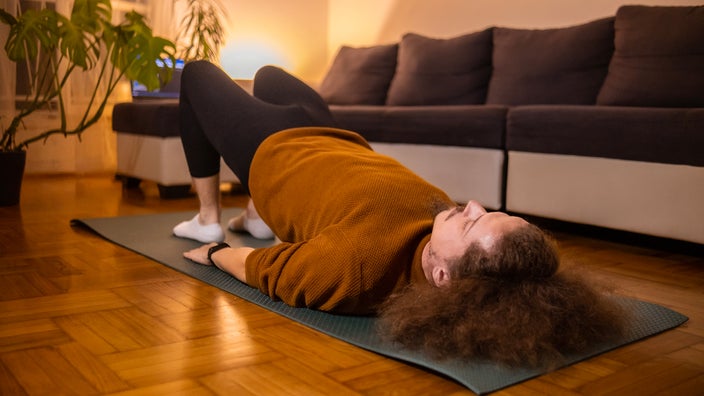
Image Source: www.grxstatic.com
The Connection Between Exercise and Hemorrhoids
The relationship between physical activity and hemorrhoids is multifaceted. While certain strenuous activities might exacerbate existing hemorrhoids, a consistent and appropriate exercise regimen can be a powerful tool in preventing and managing them.
Why Exercise Can Help
- Promoting Bowel Regularity: Exercise is a natural stimulant for bowel movements. By increasing intestinal activity, it helps prevent constipation, a major culprit behind increased pressure on the veins in the rectal area. Regular, soft stools are less likely to cause straining, which is a primary trigger for hemorrhoid flare-ups. This links directly to constipation relief.
- Improving Blood Circulation: Physical activity boosts overall blood flow throughout the body. Better circulation can help reduce pressure in the veins of the lower body, including those in the rectal area.
- Weight Management: Excess body weight, particularly around the abdomen, can put significant pressure on the pelvic veins, contributing to hemorrhoids. Exercise, combined with a healthy diet and hemorrhoids, is crucial for maintaining a healthy weight.
- Stress Reduction: Chronic stress can impact digestion and bowel habits. Exercise is a well-known stress reliever, which can indirectly benefit hemorrhoid symptoms.
Activities to Approach with Caution
Some exercises can increase intra-abdominal pressure and strain, potentially worsening hemorrhoid symptoms. These include:
- Heavy weightlifting: Lifting very heavy weights can cause significant straining.
- High-impact activities: Activities like running, jumping, or intense aerobics can cause jarring movements.
- Activities involving prolonged sitting or straining: Cycling for extended periods or exercises that require holding your breath and bearing down.
Safe Exercise Strategies for Hemorrhoid Sufferers
The key to exercising with hemorrhoids lies in choosing activities that are gentle on the body and avoiding movements that increase pressure.
Focus on Low-Impact Cardio
Low-impact cardio exercises are excellent for improving cardiovascular health without putting excessive stress on your body. They keep your heart rate up and promote circulation, aiding in digestion and preventing constipation.
- Walking: A brisk walk is one of the simplest and most effective exercises. It stimulates bowel function and improves circulation. Aim for at least 30 minutes most days of the week.
- Swimming: The buoyancy of water supports your body, making swimming and water aerobics incredibly gentle. It’s a full-body workout that promotes circulation without any impact.
- Cycling (Moderate): While prolonged, intense cycling can be problematic, moderate cycling on a comfortable seat, with upright posture, can be beneficial. Ensure your bike is properly fitted to avoid straining.
- Elliptical Trainer: This machine provides a cardiovascular workout similar to running but without the impact, making it a good option.
- Rowing: Rowing machines offer a comprehensive workout that is generally low-impact.
Embracing Gentle Strength Training
You don’t have to give up strength training entirely. The goal is to modify your approach:
- Focus on lighter weights and higher repetitions: This builds muscle tone without the heavy straining associated with maximal lifts.
- Prioritize proper breathing: Exhale on exertion and inhale on the return. Never hold your breath and strain.
- Choose bodyweight exercises: Push-ups, squats (with good form), lunges, and planks can be highly effective.
- Avoid exercises that cause downward pressure: Certain abdominal exercises that involve significant straining might need to be modified or avoided.
The Power of Pelvic Floor Exercises
Strengthening your pelvic floor muscles can be incredibly beneficial for hemorrhoid management. These muscles play a vital role in supporting the rectum and anal canal.
Kegel Exercises: Your Best Friend
Kegel exercises, also known as pelvic floor exercises, involve contracting and relaxing the muscles that you use to stop the flow of urine. When done correctly and consistently, they can:
- Improve muscle tone in the pelvic region.
- Aid in bowel control.
- Potentially reduce the pressure on hemorrhoidal veins.
How to do Kegels:
- Identify the muscles: To find them, try to stop the flow of urine mid-stream. These are your pelvic floor muscles. Alternatively, imagine tightening your anal sphincter.
- Contract: Squeeze these muscles and hold for 3-5 seconds.
- Relax: Release the muscles completely for 3-5 seconds.
- Repeat: Aim for 10-15 repetitions, 3 times a day.
It’s important not to overdo Kegels or perform them incorrectly. Overly tight pelvic floor muscles can sometimes lead to other issues. If you are unsure, consult a physical therapist specializing in pelvic floor rehabilitation.
Yoga and Flexibility for Hemorrhoid Relief
Certain yoga poses and regular stretching can be extremely beneficial for individuals with hemorrhoids. Yoga for hemorrhoids can improve digestion, promote relaxation, and increase blood flow.
Beneficial Yoga Poses:
- Child’s Pose (Balasana): This resting pose gently stretches the hips and can help relax the abdominal muscles.
- Cat-Cow Pose (Marjaryasana-Bitilasana): This gentle spinal movement stimulates the digestive organs and can help relieve tension.
- Supine Spinal Twist: This pose can aid in digestion and release tension in the lower back and abdomen.
- Legs-Up-the-Wall Pose (Viparita Karani): While not a direct yoga pose, this inversion can help improve circulation and reduce swelling in the lower extremities, which can indirectly benefit hemorrhoid discomfort.
- Gentle Forward Folds: Poses like Uttanasana (Standing Forward Bend) can be done with bent knees to avoid straining.
Poses to Approach with Caution or Avoid:
- Inversions that put pressure on the abdomen: While some inversions can be beneficial, those that significantly increase abdominal pressure might be best avoided during a flare-up.
- Poses requiring intense core engagement with breath-holding: Focus on breathing smoothly throughout your practice.
It is crucial to listen to your body. If any pose causes discomfort or increases pain, modify it or skip it. Practicing with a qualified yoga instructor who is aware of your condition is highly recommended.
Lifestyle Factors Supporting Exercise and Hemorrhoid Management
Exercise is just one piece of the puzzle. Several lifestyle adjustments are vital for managing hemorrhoids and ensuring your exercise routine is effective and comfortable.
The Crucial Role of Diet
Your diet and hemorrhoids are intrinsically linked. What you eat directly impacts your bowel function and the risk of constipation.
Prioritizing Fiber Intake
Increasing your fiber intake is paramount. Fiber adds bulk to your stool, making it softer and easier to pass, thus preventing straining.
- Soluble Fiber: Found in oats, barley, beans, lentils, apples, and citrus fruits. It forms a gel-like substance in your digestive tract.
- Insoluble Fiber: Found in whole grains, vegetables (especially leafy greens), and wheat bran. It adds bulk and speeds up the passage of food through the intestines.
Aim for 25-30 grams of fiber per day. Gradually increase your fiber intake to avoid gas and bloating.
Staying Hydrated
Adequate fluid intake is essential for fiber to work effectively. Water helps soften stools and facilitates their passage. Aim for at least 8 glasses (64 ounces) of water daily. Other healthy fluids like herbal teas and clear broths also contribute.
Limiting Foods That Can Cause Constipation
- Processed foods: Often low in fiber and high in fat and sugar.
- Dairy products: For some individuals, dairy can contribute to constipation.
- Red meat: Can be harder to digest for some.
- Alcohol and caffeine: Can dehydrate the body, making stools harder.
The Importance of Stool Softeners
If dietary changes aren’t enough, your doctor might recommend stool softeners. These medications work by drawing water into the stool, making it softer and easier to pass without straining. They are not laxatives, meaning they don’t stimulate bowel movements but rather make the process gentler. Always consult your doctor before starting any new medication, including over-the-counter stool softeners.
Habits for Healthy Colon Health
Maintaining good colon health is central to preventing and managing hemorrhoids. This involves:
- Responding to the urge to defecate: Don’t ignore the sensation to have a bowel movement. Delaying it can lead to harder stools.
- Avoiding prolonged sitting on the toilet: This puts extra pressure on the rectal veins. Limit your toilet time to a few minutes.
- Practicing good hygiene: Keep the anal area clean and dry.
Listening to Your Body: When to Modify or Rest
Even with the best intentions, there might be times when you need to adjust your exercise routine.
Recognizing Warning Signs
Pay attention to your body’s signals. If you experience any of the following during or after exercise, it’s time to stop or modify:
- Increased pain or discomfort in the rectal area.
- Bleeding from the anus.
- A feeling of pressure or heaviness.
- Dizziness or nausea.
Modifying Your Workout
If you notice mild discomfort, consider:
- Reducing the intensity or duration.
- Switching to a gentler exercise.
- Taking more frequent breaks.
- Focusing on breathing techniques.
When to Seek Medical Advice
If your hemorrhoid symptoms are severe, persistent, or accompanied by significant bleeding or pain, it’s crucial to consult a healthcare professional. They can diagnose the severity of your condition and provide personalized recommendations for exercise and treatment.
Frequently Asked Questions (FAQ)
Can I run with hemorrhoids?
Running can be jarring and may increase pressure on hemorrhoids for some individuals. If you want to run, start with shorter distances and slower paces. Listen to your body and consider cross-training with lower-impact activities like swimming or cycling. If you experience pain, it’s best to avoid running.
Is cycling bad for hemorrhoids?
Prolonged, intense cycling, especially with an aggressive riding posture, can sometimes exacerbate hemorrhoids due to pressure and friction. However, moderate cycling with a comfortable saddle and an upright posture can be beneficial for circulation and overall health. If you experience discomfort, adjust your bike fit or consider other forms of cardio.
How long should I wait to exercise after a hemorrhoid flare-up?
It’s best to rest from strenuous activity during a significant hemorrhoid flare-up. Once the acute pain and swelling subside, you can gradually reintroduce gentle exercises like walking or swimming. Listen to your body and slowly increase the intensity as you feel comfortable.
Can Kegel exercises help reduce hemorrhoids?
Yes, Kegel exercises can strengthen the pelvic floor muscles, which provide support to the rectal area. Stronger pelvic floor muscles may help reduce the strain on hemorrhoidal veins and improve overall bowel control.
What are the best exercises for hemorrhoid prevention?
The best exercises for hemorrhoid prevention include low-impact cardio like walking, swimming, and cycling (moderate), along with exercises that improve core strength and promote healthy bowel function. Maintaining a consistent exercise routine is key.
How does diet affect hemorrhoids and exercise?
A high-fiber, high-fluid diet and hemorrhoids go hand-in-hand. Proper nutrition ensures soft stools, preventing constipation and the need to strain during exercise or bowel movements. This supports your ability to exercise comfortably and effectively. Adequate fiber intake is crucial for colon health.
Should I use stool softeners if I exercise?
If you struggle with constipation despite a good diet and exercise, stool softeners can be a helpful adjunct. They make bowel movements easier and reduce straining, which is beneficial for hemorrhoid sufferers who are active. Always discuss with your doctor before starting any medication.
By adopting a mindful approach to exercise and incorporating healthy lifestyle habits, you can effectively manage your hemorrhoids and continue to enjoy the many physical and mental benefits of staying active.