
Yes, you can absolutely exercise with a pessary! Many people who use pessaries for pelvic organ prolapse or urinary incontinence continue to lead active and fulfilling lives, including participating in various forms of pessary and physical activity. The key is to choose the right pessary, ensure it’s fitted correctly, and listen to your body. This guide will delve into how to safely and effectively engage in pessary and sports, exercising with vaginal support, and maintaining a healthy fitness routine.
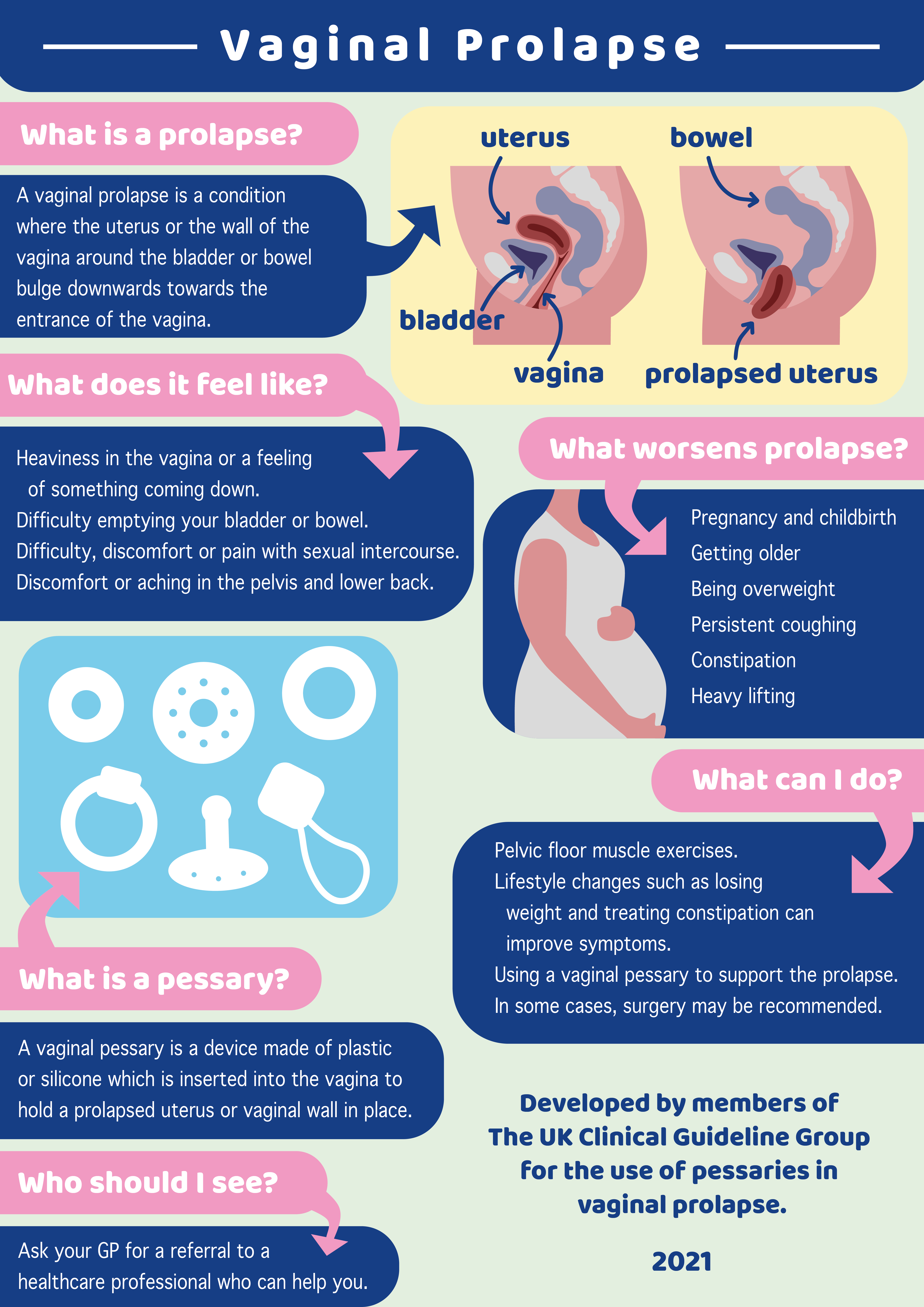
Image Source: thepogp.co.uk
Exploring Pessary Use and Physical Fitness
A pessary is a medical device inserted into the vagina to support pelvic organs. It can significantly improve quality of life for individuals experiencing issues like pelvic organ prolapse (POP) or stress urinary incontinence (SUI). Many worry that using a pessary means giving up their active lifestyle. This is largely a misconception. With proper care and the right approach, pessary and fitness can go hand-in-hand.
Types of Pessaries and Their Impact on Activity
There are various shapes and sizes of pessaries, each designed for different needs. The type you use can influence your ability to participate in certain activities.
- Ring Pessaries: These are common and come with or without support. They are often suitable for mild to moderate prolapse. Many individuals can engage in regular exercise with a well-fitted ring pessary.
- Donut Pessaries: Similar to ring pessaries but with a hole in the center, they offer good support.
- Gellhorn Pessaries: These have a stem and are often used for more significant prolapse or when other pessaries haven’t been effective. They provide firm support but might feel more noticeable during certain movements.
- Cube Pessaries: These are designed to be removed daily and are often used for severe prolapse or when there is significant vaginal dryness. While they offer strong support, their temporary nature might require adjustment around exercise schedules.
Your healthcare provider will help you choose the best pessary for your specific condition and lifestyle. A well-fitted pessary should feel comfortable and secure during daily activities, including exercise.
When to Consider Adjustments for Pessary and Physical Activity
While most exercises are generally safe, there might be times when you need to make adjustments or consult your doctor.
- Discomfort or Pain: If you experience any pain or significant discomfort during or after exercise, stop immediately and consult your healthcare provider. This could indicate an ill-fitting pessary or that the activity is too strenuous for your current situation.
- Increased Discharge: Some women may notice a slight increase in vaginal discharge, which is normal as the pessary can stimulate mucus production. However, if the discharge is foul-smelling, colored, or accompanied by itching, it could be a sign of infection and requires medical attention.
- Feeling of Prolapse: If you feel your pessary has shifted or your prolapse symptoms are returning during exercise, it’s a sign that your pessary might need adjustment or a different type.
Navigating Pessary and Sports: A Closer Look
Participating in pessary and sports is a reality for many women. The perception that a pessary is a limiting factor needs to be addressed. For the majority, especially with appropriate pessary selection, sports are well within reach.
Low-Impact vs. High-Impact Activities
The intensity and type of exercise are crucial considerations.
Low-Impact Exercises
These are generally very safe and often recommended for women using pessaries.
- Walking: An excellent way to stay active.
- Swimming: The buoyancy of water supports the body, reducing stress on pelvic organs.
- Cycling (Stationary and Outdoor): Ensure a comfortable seat to avoid pressure on the perineal area.
- Yoga and Pilates: These focus on core strength and flexibility, which can be beneficial for pelvic health. However, be mindful of certain poses that put excessive strain on the pelvic floor.
- Elliptical Trainer: Provides a good cardiovascular workout without the impact of running.
High-Impact Exercises
These require more careful consideration, especially when first starting or if your pelvic floor weakness is significant.
- Pessary and Jogging: Jogging or running can be a concern for some. It’s essential to have a well-fitting pessary and potentially strengthen your pelvic floor muscles before undertaking regular jogging. Start with shorter durations and gradually increase.
- Pessary and High-Impact Activities: This includes sports like basketball, tennis, or dancing that involve jumping and sudden movements. While possible, it might require a more robust pessary and a well-conditioned pelvic floor.
- Skipping and Jumping Jacks: These can place significant stress on the pelvic floor.
Considerations for Specific Sports
- Team Sports: Many women can participate in team sports. The key is to listen to your body and stop if you feel any discomfort or pressure.
- Racquet Sports: Tennis, badminton, and squash involve quick movements and rotations. Ensure your pessary is secure.
- Dancing: Different types of dancing have varying levels of impact. Ballet might require more control than ballroom dancing.
Exercising with Vaginal Support: Beyond the Pessary
The concept of exercising with vaginal support extends beyond just wearing a pessary. It involves building overall pelvic floor strength and awareness, which complements the support provided by the pessary.
Pessary and Pelvic Floor Exercises
This is a crucial combination for maintaining pelvic health and supporting your active lifestyle.
- Kegel Exercises: These are fundamental for strengthening the pelvic floor muscles. They involve contracting and relaxing the muscles that you use to stop the flow of urine.
- Technique: Imagine you are trying to stop yourself from passing gas or urine mid-stream. Squeeze these muscles, hold for a few seconds, and then relax.
- Consistency is Key: Aim for sets of 10-15 repetitions, several times a day.
- Integration with Pessary: Performing Kegels with a pessary in place can help you better feel and engage your pelvic floor muscles, potentially enhancing the pessary’s effectiveness and your own support.
- Other Pelvic Floor Exercises: Beyond Kegels, there are exercises like pelvic tilts, bridges, and specific Pilates or yoga poses that can further strengthen the pelvic floor and surrounding core muscles.
The Role of Core Strength
A strong core (abdominal muscles, back muscles, and pelvic floor) is vital for supporting the pelvic organs and maintaining stability during exercise.
- Pessary and Abdominal Exercises: Certain abdominal exercises can be beneficial, but some might need modification.
- Safe Options: Plank variations, bird-dog, and modified crunches with proper form are generally good.
- Exercises to Approach with Caution: Traditional sit-ups or exercises that involve extreme flexion of the spine or bearing down can put extra pressure on the pelvic floor and potentially dislodge the pessary or exacerbate prolapse symptoms if not performed correctly. Focus on controlled movements and engaging your core without straining.
- Pessary and Weightlifting: When lifting weights, proper breathing techniques are crucial. Exhaling during the exertion phase helps prevent the Valsalva maneuver (holding your breath and bearing down), which increases intra-abdominal pressure and can strain the pelvic floor. Start with lighter weights and focus on form.
Maintaining an Active Life with a Pessary
Living an active life with a pessary is not just possible; it’s often encouraged. The benefits of exercise for overall health, mood, and well-being are immense.
Pessary and Aerobic Exercise
Pessary and aerobic exercise is generally well-tolerated and highly beneficial. Aerobic activities improve cardiovascular health, aid in weight management (which can reduce pressure on the pelvic floor), and boost mood.
- Benefits:
- Improved heart health
- Weight management
- Increased stamina
- Mood enhancement
- Better sleep
- Recommendations:
- Start slowly and gradually increase intensity and duration.
- Warm up before and cool down after each session.
- Stay hydrated.
Listening to Your Body: The Most Important Rule
The most critical aspect of exercising with a pessary is to be attuned to your body’s signals.
- Pay Attention to Sensations: Any new or worsening pain, pressure, or a feeling of the pessary shifting is a cue to stop and reassess.
- Track Your Progress: Keep a journal of your exercise routine and how you feel afterward. This can help identify activities that work well and those that might need modification.
- Communicate with Your Doctor: Regular check-ups with your healthcare provider are essential. Discuss your exercise plans and any concerns you may have. They can offer personalized advice and ensure your pessary is still the right fit and type for your activity level.
Hygiene and Pessary Care
Proper hygiene is paramount when using a pessary, especially if you are exercising regularly.
- Washing: Wash your hands thoroughly before and after handling the pessary.
- Cleaning: Clean your pessary as directed by your healthcare provider. This often involves washing it with mild soap and water daily or weekly, depending on the type.
- Lubrication: Your doctor may recommend a water-based lubricant for easier insertion and removal.
Common Questions About Pessaries and Exercise
Here’s a look at some frequently asked questions:
FAQ Section
Q1: Can I go to the gym with a pessary?
A1: Yes, most women can go to the gym with a pessary. You can engage in various gym activities, including cardio machines like treadmills, ellipticals, and stationary bikes, as well as weight training. Focus on proper form, especially with abdominal exercises and weightlifting, to protect your pelvic floor.
Q2: Will my pessary fall out during exercise?
A2: A properly fitted pessary should not fall out during exercise. The vaginal muscles and the pessary’s design work together to keep it in place. If you experience this, it’s crucial to consult your doctor as the pessary might need to be refitted or a different type may be needed.
Q3: Is it safe to run with a pessary?
A3: Running is a high-impact activity. While many women can run with a pessary, it depends on the severity of their prolapse or incontinence, the type of pessary, and the effectiveness of their pelvic floor muscles. It’s advisable to discuss running with your healthcare provider and start gradually, paying close attention to how your body feels.
Q4: Can I do squats and lunges with a pessary?
A4: Yes, squats and lunges can often be performed with a pessary. These exercises can even help strengthen the pelvic floor muscles. However, focus on controlled movements and ensure you are engaging your core and pelvic floor correctly to avoid undue pressure. If you feel discomfort, reduce the range of motion or the weight.
Q5: What kind of exercises should I avoid with a pessary?
A5: Generally, you should avoid exercises that involve excessive straining, holding your breath while bearing down (Valsalva maneuver), or those that cause significant pain or pressure. High-impact activities that feel uncomfortable or lead to symptoms of prolapse or incontinence should be modified or avoided until your pelvic floor is stronger or your pessary is adjusted. Your healthcare provider can offer specific guidance based on your condition.
Q6: How do I know if my pessary is fitted correctly for exercise?
A6: A correctly fitted pessary should feel secure and comfortable during your daily activities, including exercise. You shouldn’t feel it shifting, causing pain, or a sense of urgency to urinate. If you experience any of these symptoms during or after exercise, it’s time to see your doctor for a fitting check.
Q7: Do I need to remove my pessary to exercise?
A7: For most pessary types (ring, donut, Gellhorn), removal is not typically necessary for exercise. Some temporary pessaries, like cube pessaries, might be removed daily, but this is part of their usual management rather than a specific exercise precaution. Always follow your healthcare provider’s instructions regarding pessary removal.
Q8: Can I strengthen my pelvic floor while wearing a pessary?
A8: Yes, wearing a pessary can sometimes help you become more aware of your pelvic floor muscles, making it easier to perform Kegel exercises correctly. It’s an excellent way to combine the support of the pessary with your own muscle strengthening efforts.
Conclusion: Embracing an Active Lifestyle
The presence of a pessary does not need to signal the end of your active life. By choosing the right pessary, ensuring a proper fit, and being mindful of your body’s signals, you can continue to enjoy a wide range of physical activities. From pessary and aerobic exercise to pessary and jogging, and even more demanding pessary and high-impact activities, an active lifestyle is achievable. Remember, combining your pessary with dedicated pessary and pelvic floor exercises is the most effective strategy for maintaining pelvic health and enjoying all the benefits of physical fitness. Always consult with your healthcare provider to tailor your exercise plan to your individual needs and ensure your pessary is working optimally for you.