
Yes, you can often exercise with a Holter monitor on. It is usually safe to do so. Your doctor might even want you to keep up your normal daily activities. This includes your usual amount of Holter monitor physical activity. But there are key rules to follow. You should always listen to your doctor’s specific advice. Do not exercise if your doctor tells you not to. Also, stop and seek help if you feel new or bad symptoms. The goal is to get a true picture of your heart’s action during your normal life.
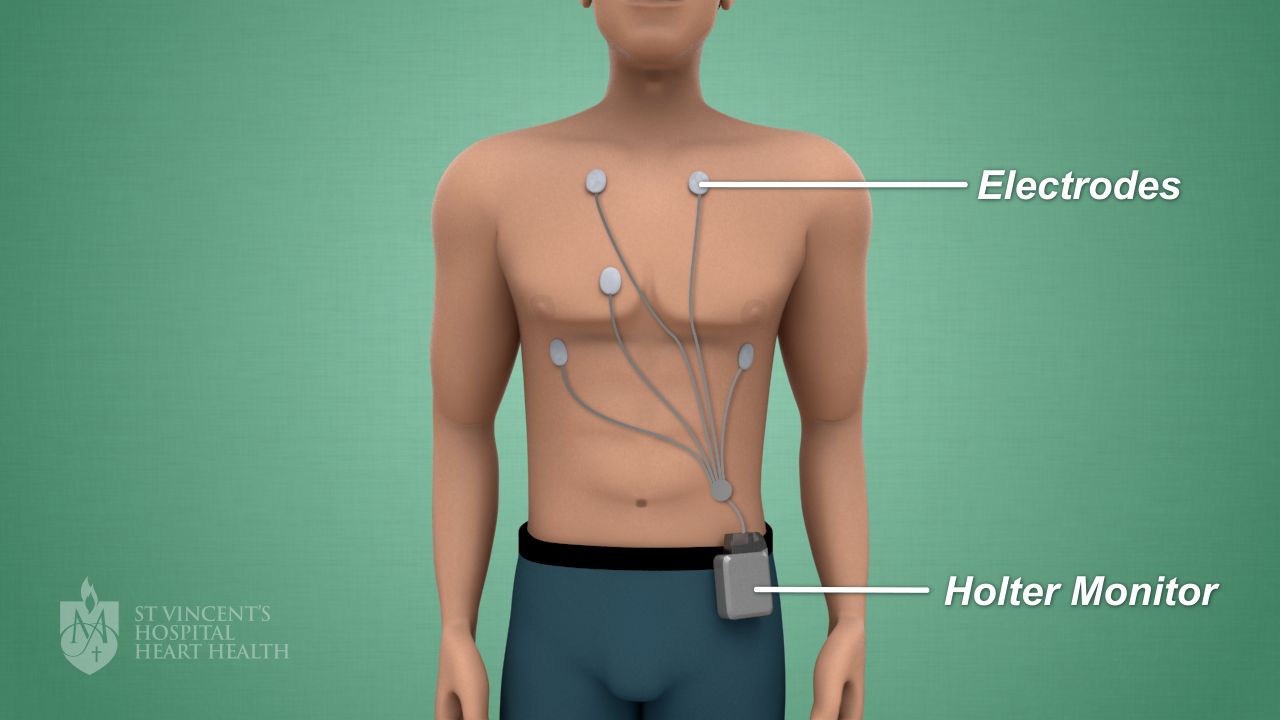
Image Source: www.svhhearthealth.com.au
Deciphering the Holter Monitor’s Role
A Holter monitor is a small, portable device. Doctors use it to record your heart’s electrical activity. It tracks your heart rhythm over a period of time. This can be 24 to 48 hours. Sometimes, it might be for a few days or even weeks.
This device helps doctors find heart problems. These problems might not show up during a short check-up. A regular EKG test only lasts a few minutes. It might miss heart issues that come and go. The Holter monitor gives a longer look at your heart. It records every heartbeat. This way, doctors can see how your heart acts throughout your normal day. It helps them find irregular heartbeats or other issues.
The monitor connects to your chest with small sticky patches called electrodes. These electrodes send signals to the monitor. The monitor then stores this data. You wear the device on a belt or in a small pouch. It is light and easy to carry.
Why Your Daily Routine Matters for Monitoring
When you wear a Holter monitor, your doctor wants to see how your heart acts. They want to see it in your normal life. This includes all your regular activities. They want you to keep doing what you usually do. This is very important.
Your usual Holter monitor physical activity gives important data. If you change your routine, the data might not be real. For example, if you stop exercising, the monitor won’t see how your heart works during activity. This can hide problems that only happen when you are active.
Doctors want to link any symptoms you feel to your heart’s action. If you feel dizzy during your usual morning walk, the monitor can record your heart at that time. This helps the doctor make a diagnosis. They can see if your heart rhythm changes when you have symptoms. This real-world data is key. It helps your doctor understand your heart health better. So, try to stick to your daily schedule as much as you can. This includes your usual exercise.
Basic Guidelines for Moving with Your Monitor
When you wear a Holter monitor, some general rules help keep the device working. These rules also help get good data.
- Always follow doctor’s advice: Your doctor knows your health best. They will give you specific instructions. These might be different for each person. Always do what they say.
- Keep the monitor dry: The Holter monitor is not waterproof. You cannot get it wet. This means no showers, baths, or swimming. We will talk more about this later.
- Do not remove electrodes or device: The sticky patches on your chest must stay on. Do not take them off. Do not unhook the wires. Do not take off the monitor itself. If a patch comes loose, try to stick it back on if you can. If it comes off completely or the device breaks, call your doctor’s office.
- Log your activities and symptoms: You will get a diary or a log sheet. Write down everything you do. Note down what time you do it. Also, write down any symptoms you feel. For example, if you feel chest pain during a brisk walk, write down the time, what you were doing, and what the symptom felt like. This helps the doctor match your feelings to your heart’s activity.
- Avoid magnets or strong electric fields: These can mess up the monitor’s readings. Stay away from things like MRI machines. Also avoid electric blankets, strong magnets, or areas with big electrical equipment.
Following these rules helps ensure the monitor works well. It also helps get the best information for your doctor.
Managing Sweat While Wearing Your Device
Many people worry about sweating with Holter monitor on. This is a real concern. Sweat can cause problems with the device.
- Sweat can loosen electrodes: The sticky patches need to stay firmly on your skin. Sweat makes skin wet and slippery. This can make the electrodes come loose. If they lift off, they can’t record your heart’s signals well. This can lead to bad readings or no readings at all.
- Sweat can get into the device: Even a small amount of sweat can harm the monitor itself. Most Holter monitors are not water-resistant. If sweat gets into the device, it can stop working. This means the test cannot be completed.
Here are some tips to manage sweat:
- Wipe skin dry often: Gently pat your skin around the electrodes and under the device. Use a clean, dry cloth. Do this often, especially during activity.
- Pat, don’t rub: Rubbing can pull on the electrodes. It can also cause skin irritation. Gently patting is better.
- Consider moisture-wicking clothes: Wear loose, breathable clothes. Clothes made of materials that pull sweat away from your body can help. Avoid tight clothes that trap moisture.
- Secure electrodes well: Make sure the electrodes are pressed firmly onto your skin. Your doctor might give you extra medical tape to use. You can put this tape over the edges of the electrodes. This helps them stay put. Ask your doctor if this is okay.
- Avoid activities that cause excessive sweating if possible: If you usually do very intense workouts that make you sweat a lot, talk to your doctor. They might suggest lighter options for the monitoring period. If you must do a high-sweat activity, follow the tips above extra carefully.
Keeping the area dry helps ensure good contact for the electrodes. It also protects the monitor. This helps get accurate results from your exercise with heart monitor.
Key Limitations on Your Fitness Routine
While you can exercise, there are some Holter monitor workout restrictions. These are in place to protect the device and get good data.
- Water immersion: This is the most important rule. You cannot get the device wet. This means no showering, bathing, swimming, hot tubs, or saunas. Even steam can harm the device. You will need to take sponge baths while wearing the monitor. You might get instructions to unclip the monitor briefly to bathe. But the electrodes must stay on. Do not get the electrodes wet either.
- Contact sports: Sports like football, basketball, or rugby are out. Any activity where you might get hit can damage the monitor. It can also pull off the electrodes. This makes the test fail.
- High-impact activities: Running very fast, jumping, or intense aerobics might loosen the electrodes. The repeated jarring motions can cause them to peel off. This can lead to bad readings.
- Activities with strong vibrations: Riding a jackhammer or using very vibrating tools should be avoided. Strong vibrations can harm the internal parts of the monitor.
- Extremely strenuous activities: Talk to your doctor before doing very hard exercise. High-intensity workouts cause a lot of sweat and movement. This makes it harder to keep the electrodes on. It also increases the risk of damage. Your doctor might ask you to do lighter exercise.
- Magnetic fields: As mentioned before, stay away from strong magnets. This includes MRI machines. It also includes large speakers or industrial equipment. These can erase the data or damage the monitor.
Always think about how your activity might affect the monitor. If you are unsure, it’s best to choose a safer, less intense option. Or call your doctor’s office to ask.
Wearing Holter Monitor During Exercise: Safe Choices
Many forms of exercise are safe while wearing a Holter monitor. The key is to choose low-impact and moderate activities. These allow for good cardiac monitoring during activity without harming the device.
Light Exercise Holter Monitor Options
These types of activities are generally safe and encouraged:
- Walking: A normal walk is fine. Even a brisk walk is usually okay. This is one of the best ways to get your heart rate up slightly without causing issues.
- Light jogging (if approved): If you regularly jog, your doctor might approve light jogging. Keep the intensity low to reduce sweat and electrode movement.
- Gentle stretching: Stretching exercises are good. They don’t involve much movement of the chest or intense sweating.
- Yoga (no inversions or excessive bending/twisting): Gentle yoga can be done. Avoid poses where you are upside down. Also avoid deep twists or bends that might pull on the wires or electrodes.
- Stationary bike (low intensity): Riding a stationary bike at a slow or moderate pace is a good option. It’s low impact and you can control your effort level.
- Elliptical machine (low intensity): Similar to a stationary bike, an elliptical provides a smooth, low-impact workout.
The goal is to let your heart act normally during your day. This includes typical levels of exertion. Your doctor wants to capture how your heart works during these times. They want to see if any symptoms appear.
Vigorous Exercise Holter Monitor Use
Generally, vigorous exercise Holter use is not advised. Doctors usually discourage high-intensity workouts.
- High intensity means more sweat: As discussed, sweat is a major problem for electrodes and the device. Vigorous exercise causes a lot of sweat.
- High intensity means more movement: Running hard, jumping, or rapid movements increase the risk of electrodes coming off. They can also damage the monitor by banging it around.
- If approved, special care needed: In very rare cases, your doctor might ask you to do vigorous exercise. This might be if your symptoms only appear during very intense activity. If this happens, your doctor will give you very specific instructions. You would need to take extra care to secure the electrodes and device. You would also need to watch for any issues.
Always talk to your doctor about your specific exercise routine. They will tell you what is safe for you during your monitoring period.
Tips for Keeping Your Monitor Secure During Activity
Proper Holter monitor care during exercise is vital. It ensures the electrodes stay put. It also keeps the monitor safe.
- Secure Electrodes:
- Extra tape: Ask your doctor or the clinic if you can use medical tape. You can put this tape around the edges of the electrodes. This helps them stay firmly on your skin. Make sure the tape is breathable.
- Clean skin: Before electrodes are placed, your skin should be clean and dry. Sometimes, the skin is shaved. This helps the electrodes stick better.
- Secure Device:
- Tight-fitting clothes: Wear a snug-fitting t-shirt or tank top. This helps hold the wires and electrodes close to your body. It stops them from snagging or pulling.
- Special pouch or fanny pack: Most clinics provide a small pouch for the monitor. You can wear this on a belt. A small fanny pack can also work. Make sure the pouch keeps the monitor stable. It should not swing or bounce.
- Place correctly: Wear the device in a place where it won’t be easily bumped or pulled. Many people wear it on their hip or torso.
- Check Connections: Briefly check your wires and electrodes before and after exercise. Make sure nothing has come loose. Do this gently.
- Stay Dry: Do your best to minimize sweat. If you start sweating, gently pat the skin dry with a clean cloth.
- Avoid Bumping: Be mindful of the monitor’s location. Try not to bump it against doors, furniture, or other objects. A direct hit could damage it.
- Protect from pets and children: Keep the monitor out of reach of curious pets or young children. They might accidentally pull on the wires or damage the device.
By taking these steps, you help ensure your Holter monitor works correctly. This gives your doctor the best data to help your heart.
Noting Down Your Feelings During Activity
Logging your symptoms during Holter monitoring exercise is extremely important. The monitor records your heart’s electrical activity. Your diary records how you feel and what you are doing. Together, these two pieces of information give your doctor a complete picture.
- Keep a detailed diary: You will be given a small notebook or a special form. Use it! Write down everything. Don’t rely on your memory.
- Record:
- Date and time: Write down the exact time you started and stopped an activity. Note when a symptom began and ended.
- Type of activity: Be specific. Instead of “exercise,” write “brisk walk,” “light jogging,” or “stretching.”
- Heart rate (if you can measure it): If you have a fitness tracker, note your heart rate during the activity. Also note your heart rate when symptoms happen. This is helpful but not required.
- Symptoms: This is crucial. Write down any feeling that is not normal for you. This includes:
- Chest pain (describe it: sharp, dull, tight, crushing).
- Dizziness or lightheadedness.
- Shortness of breath (how bad was it?).
- Palpitations (feeling your heart race, flutter, skip a beat, or pound).
- Unusual fatigue or tiredness.
- Weakness.
- Fainting or nearly fainting.
- Any other unusual feeling.
- How long symptoms lasted: Did it last a few seconds, minutes, or longer?
- What you were doing when symptoms started/stopped: Were you walking up stairs? Resting? Lifting something light?
- Any remedies tried: Did you sit down? Did it go away on its own?
- Why this matters: When your doctor reviews the Holter data, they will look for changes in your heart rhythm. They can then match these changes to what you wrote in your diary. For example, if you wrote, “Felt dizzy during a walk at 10:15 AM,” the doctor can check your heart rhythm at exactly 10:15 AM. This helps them find the link between your heart and your symptoms.
Your diary is as important as the monitor itself. It helps your doctor understand what’s happening with your heart.
Warning Signs to Look Out For
While exercising with a Holter monitor is generally safe, there are times you need to stop. You should call your doctor or seek medical help if you experience certain signs.
- Severe chest pain: If you feel crushing pain, pressure, or tightness in your chest. This is especially true if it spreads to your arm, neck, jaw, or back.
- Extreme dizziness or fainting: If you feel like you might pass out, or if you actually do.
- Prolonged or severe shortness of breath: If you are very breathless, even when resting. Or if it’s much worse than usual with light effort.
- Sudden, very fast or irregular heartbeat: If your heart suddenly starts racing, pounding, or fluttering badly. This is especially true if it comes with other symptoms.
- If electrodes come off and you cannot reattach them: If one or more patches come off, the monitor won’t work right. If you can’t stick them back on securely, call your clinic.
- If the device stops working: If the monitor lights go out, or it seems dead, call your doctor.
- Any symptom your doctor told you to watch for: Your doctor might have given you specific symptoms to look out for. Always follow their advice.
In cases of severe symptoms like sudden chest pain or fainting, call emergency services right away. Do not wait to call your doctor’s office. Your health is the most important thing.
Why Staying Active Can Be Good for Your Test
Some people might think it’s better to rest a lot while wearing a Holter monitor. They might want to avoid any problems. But usually, your doctor wants you to live your normal life. There are good reasons for this.
- Captures how your heart works under typical stress: Most heart problems that need a Holter monitor happen during everyday activities. They might not happen when you are at rest. By staying active, you show how your heart deals with normal stress and effort.
- Provides a clearer picture for diagnosis: If you spend your monitoring period resting, the doctor won’t see how your heart acts during activity. This can lead to an incomplete picture. It might even miss the problem that needs to be found.
- Helps doctors find exercise-induced arrhythmias: Some heart rhythm problems only show up when you exercise. These are called exercise-induced arrhythmias. If you avoid activity, the monitor won’t catch them. This could delay a correct diagnosis.
- Avoids skewing data by being overly inactive: If you are much less active than usual, the data won’t reflect your true heart health. It might suggest your heart is fine when it’s not. Or it might miss an issue that only happens when you are active.
By safely continuing your usual Holter monitor physical activity, you help your doctor get the most useful information. This helps them make the best decisions for your heart health.
Do’s and Don’ts of Exercise with a Holter Monitor
Here is a quick guide to help you remember what to do and what to avoid while exercising with your Holter monitor.
| Do’s | Don’ts |
|---|---|
| Follow your doctor’s exact orders. | Submerge the device or electrodes in water. |
| Log all activities and any symptoms. | Play contact sports or high-impact games. |
| Keep electrodes secure and skin dry. | Do very strenuous or vigorous exercise unless approved. |
| Wear loose, breathable, moisture-wicking clothes. | Go to saunas, steam rooms, or hot tubs. |
| Engage in light, approved exercise like walking. | Go near strong magnets (like MRI machines). |
| Gently wipe away sweat often. | Sleep on your stomach (can pull wires). |
| Keep the monitor safe and dry. | Remove the electrodes or device yourself. |
| Ask your doctor if you are unsure about an activity. | Ignore new or worsening symptoms. |
| Check your connections regularly. | Use electric blankets. |
| Protect the device from bumps or impacts. | Take long, hot showers (even sponge baths should be quick and careful). |
Frequently Asked Questions
How long can I wear a Holter monitor?
Most Holter monitor tests last for 24 to 48 hours. Some extended studies use similar devices that can be worn for several days, weeks, or even a month. Your doctor will tell you how long you need to wear it.
Can I shower with a Holter monitor on?
No, you cannot shower or bathe with a Holter monitor on. The device is not waterproof. You will need to take sponge baths. Your doctor or the clinic will give you instructions on how to do this. You might be able to briefly unclip the monitor and keep it completely dry while carefully washing certain parts of your body. The electrodes must stay on your skin.
What happens if an electrode falls off?
If an electrode falls off, try to stick it back on firmly. Make sure your skin is dry. If it won’t stay, or if many fall off, call your doctor’s office or the clinic right away. They might ask you to come in to have them reattached. This is important to ensure the test collects good data.
Does the Holter monitor hurt?
No, wearing a Holter monitor itself does not hurt. The electrodes are sticky patches. Some people might find them a bit itchy or feel slight skin irritation. When the electrodes are removed, it’s like taking off a bandage. It might pull a little, but it’s not painful.
Can I lift weights with a Holter monitor?
Light weightlifting might be okay if approved by your doctor. Avoid heavy weights. Heavy lifting can cause sudden changes in blood pressure. It can also cause a lot of sweating and muscle movement. This could loosen the electrodes or make the device unsafe. If you do lift, keep the weights light and the movements controlled. Avoid any exercises that put direct pressure on the chest or pull on the wires.
How is the data from the Holter monitor read?
After you return the monitor, the data is downloaded to a computer. Special software then analyzes all the heartbeats recorded. A heart doctor (cardiologist) will review the results. They look for any abnormal heart rhythms or changes that match your symptoms. They also check how your heart rate changed throughout the day. Then, they send a report to your doctor.
Conclusion
Exercising with a Holter monitor on is generally safe. It is often encouraged. Your doctor wants to see how your heart works during your normal Holter monitor physical activity. This helps them get the best picture of your heart health. It can help find issues that only happen during certain activities.
Always follow your doctor’s specific advice. Pay close attention to the care instructions for the device. Remember to keep the monitor dry. Avoid activities that are too rough or cause too much sweat. Most importantly, keep a detailed log of your activities and any symptoms during Holter monitoring exercise. If you feel new or severe symptoms, seek medical help. By working with your doctor and taking good care of the monitor, you help ensure an accurate diagnosis. This test is a key step in helping your doctor make the best decisions for your heart.