
Yes, you can exercise with a burn wound, but only with careful consideration, proper wound care, and physician approval. The ability to engage in physical activity depends on the severity and location of the burn, the stage of the healing process, and your overall health. Pushing yourself too soon or incorrectly can lead to complications, hindering your recovery and potentially causing re-injury.
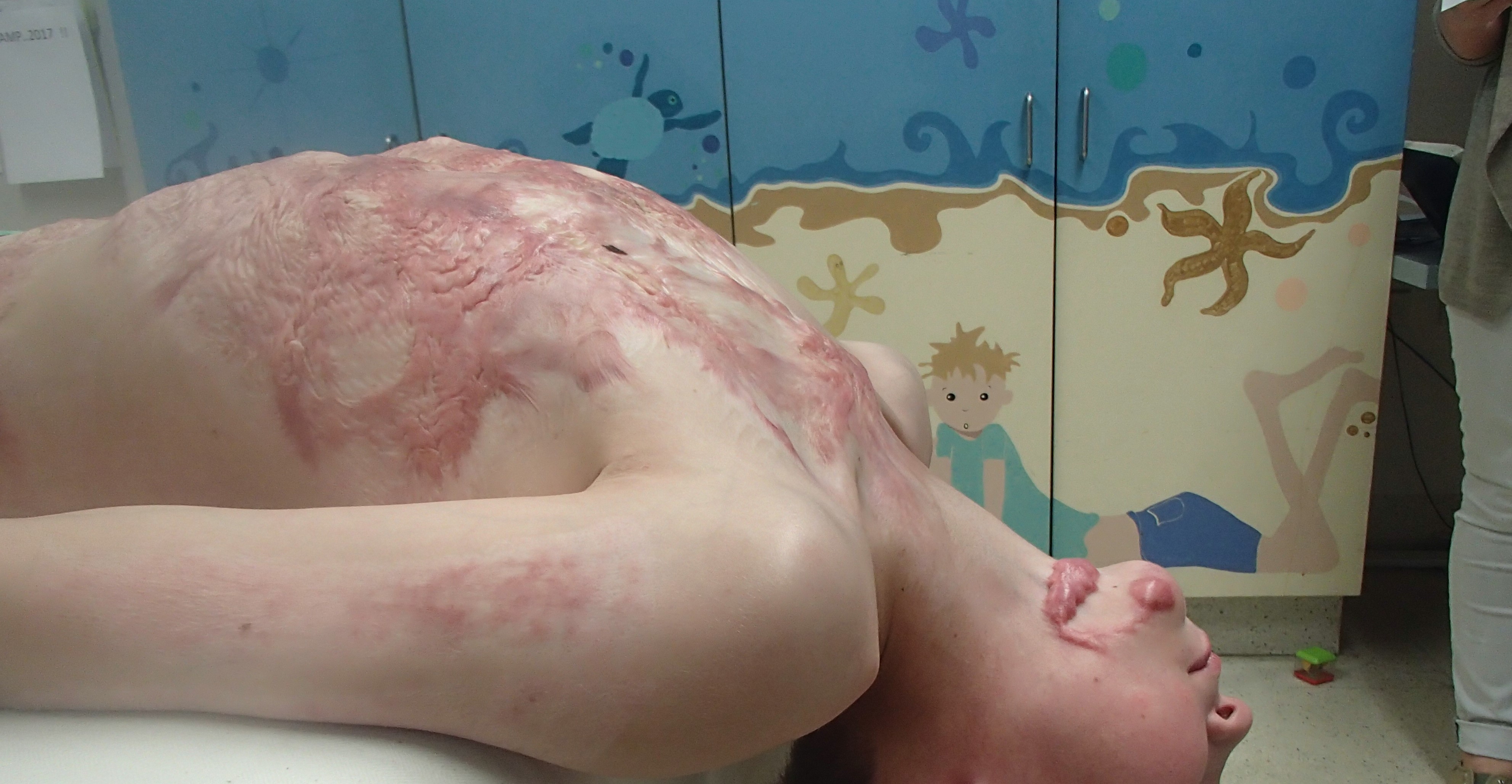
Image Source: beyondburns.org
Gauging Your Readiness for Movement
Deciding when and how to reintroduce exercise after a burn injury is a critical step in the rehabilitation journey. It’s not a one-size-fits-all answer, and your healthcare team, including doctors and physical therapy professionals, will be your most important guides. They will assess several factors to determine your readiness and tailor a plan that prioritizes your safety and promotes optimal healing.
Factors Influencing Exercise Decisions
Several key elements play a role in determining if and how you can exercise with a burn wound. These include:
-
Burn Severity and Depth: The extent and depth of the burn are paramount. Superficial burns (first-degree) that affect only the outer layer of skin generally allow for earlier and more varied movement than deeper burns (second and third-degree) that involve multiple layers of skin and potentially underlying tissues. Deeper burns require more extensive wound care and may have longer activity restrictions.
-
Burn Location: Burns on joints or areas prone to stretching and friction are more challenging. For example, a burn on an elbow or knee might require more cautious movement than a burn on a forearm or calf to prevent strain on the healing skin and underlying tissues. The risk of the wound reopening or developing scar tissue that limits range of motion is higher in these areas.
-
Presence of Infection: An active infection in the burn wound is a major contraindication for exercise. Exercise increases blood flow, which can potentially spread the infection to other parts of the body. Until the infection is cleared with appropriate medical treatment, all physical activity should be halted.
-
Pain Levels: While some discomfort is expected during recovery, persistent or severe pain during movement is a signal to stop. Pain can indicate that you are stressing the healing tissues too much or that the wound is not yet ready for that level of activity.
-
Wound Closure Status: Open wounds are at a higher risk of infection and further damage. Exercise is generally not recommended until the wound is closed and stable. Even with closed wounds, special precautions are often necessary.
-
Overall Health and Fitness: Your pre-burn health and fitness level will influence your recovery rate and your ability to return to exercise. Individuals who were active before their injury may find it easier to regain their strength and endurance, but they still need to adhere to the same safety guidelines.
Medical Team’s Role in Your Return to Activity
Your medical team will be instrumental in guiding your return to exercise. This typically includes:
- Burn Specialists and Surgeons: They oversee the medical management of the burn and will give the go-ahead for increasing physical activity.
- Physical Therapists (PTs): PTs are experts in movement and rehabilitation. They will assess your range of motion, strength, and functional abilities. They will develop personalized exercise programs, demonstrate proper techniques, and advise on necessary exercise modifications.
- Occupational Therapists (OTs): OTs focus on helping you regain the ability to perform daily activities. They may also be involved in recommending exercises that improve fine motor skills and hand function if the burn affected these areas.
Gradual Progression: The Cornerstone of Safe Exercise
Returning to exercise after a burn wound is a marathon, not a sprint. The key is to start slowly and gradually increase the intensity, duration, and type of physical activity as your body heals. This phased approach minimizes the risk of setbacks and optimizes the benefits of movement.
Phase 1: Early Mobilization and Gentle Movement
In the immediate aftermath of a burn, especially for more severe burns, the focus is on preventing complications and maintaining basic function. This phase is heavily guided by your medical team.
Early Goals:
- Preventing Stiffness: Gentle passive or active-assisted range of motion exercises are crucial to prevent joints from becoming stiff due to immobility. This is especially important for burns involving joints.
- Maintaining Circulation: Light movements can help improve blood flow to the injured area, which is essential for the healing process.
- Reducing Swelling: Elevating the burned limb and performing gentle movements can help manage edema (swelling).
Recommended Activities:
- Passive Range of Motion (PROM): A therapist or caregiver moves your limb through its normal range of motion.
- Active-Assisted Range of Motion (AAROM): You move the limb with help from a therapist, caregiver, or a simple assistive device.
- Active Range of Motion (AROM): You move the limb yourself through its available range.
- Deep Breathing Exercises: Important for lung function, especially if the burn affects the chest or if there was smoke inhalation.
- Gentle Stretching: Focused on the unburned or less affected areas to maintain flexibility.
Important Note: All exercises in this phase must be performed within pain-free limits and with meticulous wound care to protect the healing skin.
Phase 2: Building Strength and Endurance
Once the initial healing is well underway and your wounds are stable (often a few weeks to months, depending on the burn), you can begin to gradually increase the intensity and variety of your physical activity. This phase is where physical therapy plays a significant role in guiding your progression.
Goals for Phase 2:
- Restoring Muscle Strength: Burns can lead to muscle atrophy (wasting) due to immobility and the body’s metabolic response to injury. Targeted strengthening exercises are essential.
- Improving Cardiovascular Health: Gradually reintroducing aerobic exercise helps improve stamina and overall fitness.
- Enhancing Functional Mobility: Exercises aim to restore your ability to perform daily tasks and eventually more strenuous activities.
Exercise Modifications and Considerations:
- Low-Impact Aerobics: Activities like stationary cycling, swimming (once wounds are fully healed and watertight), or walking are excellent starting points.
- Resistance Training: Begin with light weights or resistance bands. Focus on proper form to avoid stressing the healing tissues. Your physical therapy professional will guide you on appropriate exercises and progression.
- Flexibility and Mobility: Continue with stretching exercises, paying close attention to any areas where scar tissue might be limiting range of motion. Special techniques like scar massage may be recommended by your therapist.
- Protection of Wounds: Ensure that clothing or bandages do not rub against healing areas. For exercises involving potential friction or impact, consider protective padding or specialized garments recommended by your medical team.
- Hydration and Nutrition: Proper hydration and nutrition are vital for muscle repair and energy levels during exercise.
Phase 3: Return to Pre-Injury Activity Levels
This is the ultimate goal of rehabilitation. It involves gradually returning to your previous exercise routines and sport-specific activities. This phase requires patience and continued communication with your healthcare team.
Key Aspects of Phase 3:
- Progressive Overload: Slowly increasing the demands on your body (e.g., lifting heavier weights, running longer distances) is necessary to continue building strength and endurance.
- Sport-Specific Training: If you participated in sports, your physical therapy program will incorporate movements and drills specific to your sport.
- Monitoring for Signs of Re-injury: Pay attention to your body. Any increase in pain, swelling, or wound opening is a sign that you may be progressing too quickly.
- Long-Term Scar Management: Scar tissue can continue to mature for months or even years. Ongoing stretching, massage, and use of silicone sheeting or pressure garments may be recommended to improve flexibility and reduce scar appearance. This directly impacts your range of motion and comfort during exercise.
Specific Exercise Types and Burn Wound Precautions
The type of exercise you can safely do will vary based on your burn’s characteristics. Here’s a breakdown of common exercise types and the precautions you need to take.
Aerobic Exercise
Aerobic exercise, like walking, jogging, swimming, cycling, and dancing, is crucial for cardiovascular health and stamina.
- Walking: Often one of the first forms of aerobic exercise reintroduced. Start with short durations on level surfaces. Gradually increase distance and pace as tolerated.
- Cycling: Stationary cycling is excellent as it allows for controlled resistance and less impact than outdoor cycling initially. Ensure the seat and handlebars are adjusted for comfort and to avoid pressure on any burn areas.
- Swimming: This can be highly beneficial, providing a low-impact, full-body workout. However, it should only be done once wounds are completely closed and watertight. Chlorine or salt in the water can irritate healing skin, so discuss this with your doctor. Use waterproof bandages if recommended.
- Jogging/Running: This is typically a later stage of recovery. Ensure your lower extremities are strong, your joints have good range of motion, and there is no discomfort or instability.
Precautions for Aerobic Exercise:
- Protective Clothing: Wear loose-fitting, breathable clothing that doesn’t chafe against the skin.
- Hydration: Drink plenty of water before, during, and after exercise.
- Sun Protection: Burned skin is highly sensitive to the sun. If exercising outdoors, use high-SPF sunscreen on any exposed healed skin and wear protective clothing.
- Listen to Your Body: If you experience pain, dizziness, or shortness of breath, stop immediately.
Strength Training
Strength training is vital for rebuilding muscle mass lost during immobility.
- Bodyweight Exercises: Squats, lunges, push-ups (modified if needed), and planks can be excellent starting points. Focus on controlled movements.
- Resistance Bands: Offer variable resistance and are portable. They allow for a wide range of exercises without the heavy weight that could stress healing tissues.
- Free Weights and Machines: As you progress, you can incorporate dumbbells, barbells, and weight machines. Start with very light weights and gradually increase as strength improves.
Precautions for Strength Training:
- Avoid Direct Pressure: Do not place weights or equipment directly on or near the burn site, especially if it’s still sensitive or has fragile healing skin.
- Proper Form: Prioritize correct technique over lifting heavy weight. Poor form can lead to injury, which is detrimental to your recovery.
- Targeted Muscle Groups: Work with your physical therapy team to identify which muscle groups need strengthening and how to do it safely around the burn areas.
- Range of Motion: Ensure you have adequate range of motion in the joints involved in the exercise before attempting it with resistance. If scar tissue limits movement, focus on scar management and flexibility exercises first.
- Compression Garments: If prescribed, ensure compression garments are worn correctly and do not restrict circulation during exercise.
Flexibility and Range of Motion Exercises
Flexibility and maintaining range of motion are crucial, especially if burns were located near joints. Scar tissue can significantly restrict movement if not addressed.
- Stretching: Gentle, sustained stretches are key. Hold each stretch for 15-30 seconds, breathing deeply. Avoid bouncing.
- Dynamic Stretching: Controlled, fluid movements through the range of motion can be used as a warm-up. Examples include arm circles and leg swings.
- Scar Massage: Your therapist may teach you techniques for massaging scar tissue to help it become more pliable and reduce tightness. This is vital for improving range of motion.
- Splinting/Bracing: In some cases, your therapist might use splints or braces to help maintain range of motion or stretch tight scar tissue over time.
Precautions for Flexibility and ROM Exercises:
- Gentle Approach: Never force a stretch. Pain is a sign to ease off.
- Consistency: Regular, consistent stretching is more effective than infrequent, aggressive sessions.
- Focus on Problem Areas: Pay extra attention to areas with tight scar tissue or reduced range of motion.
Understanding Scar Tissue and Its Impact on Exercise
Scar tissue is a natural part of the healing process, but it can have a significant impact on your ability to exercise. It’s less flexible than normal skin and can restrict movement, cause discomfort, and even limit blood flow if extensive.
How Scar Tissue Affects Movement:
- Reduced Elasticity: Scar tissue lacks the elasticity of healthy skin, leading to tightness and a limited range of motion.
- Adhesions: Scars can form adhesions, sticking to underlying tissues and further restricting movement.
- Pain and Itching: Scar tissue can be sensitive and itchy, which can be distracting or uncomfortable during physical activity.
- Hyperpigmentation/Hypopigmentation: Scars can change the color of the skin, making it more vulnerable to sun damage.
Strategies for Managing Scar Tissue During Exercise:
- Early Intervention: Starting scar management techniques as soon as wounds are closed is crucial. This often involves wound care specialists, physical therapy, and occupational therapy.
- Scar Massage: Regular massage helps to break down collagen fibers in the scar, making it softer and more pliable. This directly improves range of motion.
- Stretching: As mentioned, consistent stretching is vital.
- Silicone Gel Sheets and Pressure Garments: These are often recommended by healthcare providers to help flatten and soften scars, improving their flexibility and reducing the risk of hypertrophic scarring or keloids.
- Moisturizing: Keeping the healed skin and scar tissue moisturized can prevent dryness and cracking, which can be painful and hinder movement.
When to Pause or Modify Your Exercise Routine
Even with the best intentions, there might be times when you need to adjust your exercise plan. Recognizing these signs is crucial for preventing setbacks.
Red Flags That Warrant Pausing or Modifying Exercise:
- Increased Pain: Any sharp, new, or significantly increased pain during or after exercise.
- Wound Reopening: If any part of the healed wound breaks open.
- Increased Swelling or Redness: Signs of inflammation or potential infection.
- Fever: A clear indicator of infection.
- Drainage from the Wound: Any pus or unusual discharge.
- Excessive Fatigue: Feeling unusually tired or weak, beyond normal exercise exertion.
- Blistering: New blisters forming on or around the burn site.
- Numbness or Tingling: Can indicate nerve irritation or compression.
If you experience any of these symptoms, stop exercising immediately and consult your healthcare provider or physical therapist. They can help determine the cause and advise on how to proceed safely.
The Importance of Professional Guidance
Navigating the complexities of exercising with a burn wound is best done with expert support. Your physical therapy team is your greatest ally in this process.
How a Physical Therapist Can Help:
- Personalized Assessment: They will evaluate your specific burn, range of motion, strength, and overall functional status.
- Tailored Exercise Plan: They design an exercise program that is safe, effective, and progresses with your healing process. This includes specific exercise modifications.
- Technique Instruction: They teach you the correct form for all exercises to maximize benefits and minimize injury risk.
- Scar Management: They can provide guidance and techniques for managing scar tissue to improve flexibility and reduce discomfort.
- Gradual Progression: They help you safely advance your physical activity levels as you heal.
- Education and Support: They provide valuable information about wound care, pain management, and what to expect during recovery.
Frequently Asked Questions (FAQ)
Can I go to the gym after a burn injury?
Yes, you can go to the gym, but only after consulting with your doctor and physical therapist. They will advise you on which types of equipment and exercises are safe for your stage of recovery. You will likely need to start with lighter weights and modified exercises, focusing on proper form and avoiding any strain on the healing areas. Always protect your skin and be mindful of hygiene at the gym.
How long do I need to wait before exercising normally?
The timeline for returning to normal exercise varies greatly depending on the severity and location of the burn, the success of wound care, and your individual healing process. For minor burns, you might be able to resume light activities within a few weeks. For severe burns requiring grafting or extensive rehabilitation, it could take several months or even longer. Always follow your medical team’s recommendations.
What should I do if my burn wound hurts when I exercise?
If your burn wound hurts during exercise, stop immediately. Pain is your body’s signal that something is wrong. It could mean you are pushing too hard, the wound is not fully healed, or there’s an issue with the exercise modifications. Consult your doctor or physical therapist to assess the situation and adjust your activity plan accordingly.
Is swimming safe for burn wound recovery and exercise?
Swimming can be an excellent form of exercise once your burn wounds are completely closed and watertight. The buoyancy of the water reduces stress on joints, making it a low-impact option. However, chemicals in pool water (like chlorine) or salt in ocean water can irritate healing skin. Always discuss with your doctor when it’s safe to immerse the burn area in water and what wound care precautions to take. You might need waterproof dressings.
How does scar tissue affect my ability to exercise?
Scar tissue is less elastic than normal skin, which can lead to tightness and restrict your range of motion in the affected area. This can make certain movements uncomfortable or difficult, impacting your ability to perform exercises effectively or even complete daily tasks. Proper scar management, including massage and stretching guided by a physical therapist, is crucial for improving flexibility and restoring optimal range of motion.
Can I use compression garments during exercise?
If your healthcare provider has prescribed compression garments or pressure wraps to help manage scar tissue, you can typically wear them during exercise. These garments can provide support, improve circulation, and help remodel scars. Ensure they fit properly and do not restrict blood flow or cause excessive discomfort during your physical activity. Discuss their use during exercise with your therapist.
What are the most important principles of exercising with a burn wound?
The most important principles are safety, gradual progression, and listening to your body. Always get medical clearance before starting, prioritize meticulous wound care, begin with gentle movements, and slowly increase intensity and duration. Pay close attention to any pain or signs of complications, and don’t hesitate to seek guidance from your healthcare team, especially your physical therapy professionals, throughout your recovery.