
Yes, you absolutely can exercise with a bulging disc, and in most cases, it’s highly recommended as a key part of your recovery. Exercising safely helps reduce pain, strengthen the muscles that support your spine, improve flexibility, and promote healing. The right kind of movement is much better than resting completely for too long.
A bulging disc can cause pain, stiffness, and sometimes nerve symptoms like sciatica. While it might hurt to move at first, staying active with careful, guided exercises is vital for getting better. This guide will show you how to move safely and effectively to help manage your symptoms and regain strength.
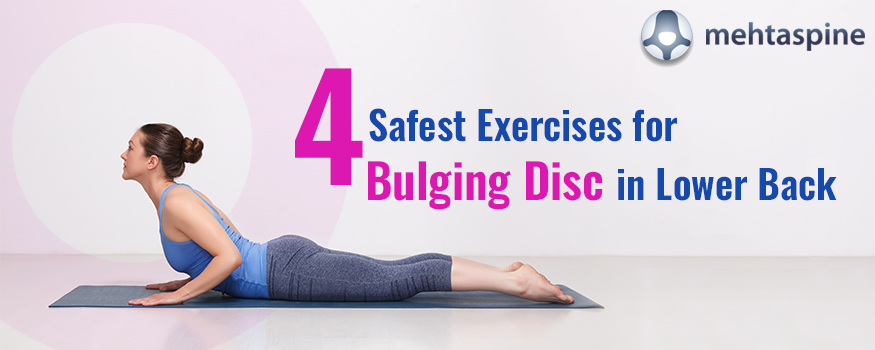
Image Source: www.mehtaspine.co.uk
What is a Bulging Disc?
Imagine your spine as a stack of bones called vertebrae. Between each bone is a soft, rubbery cushion called a disc. These discs act like shock absorbers. Each disc has a tough outer layer and a soft, gel-like center.
A bulging disc happens when the outer layer of the disc weakens or moves out of place. This lets the soft inner part push outwards, like a tire getting a bulge before it goes flat. The disc doesn’t necessarily break open. It just swells or extends beyond its normal edge.
This bulge can press on nearby nerves, causing pain, tingling, or numbness. If the bulge is big or in the lower back, it can irritate the large sciatic nerve, leading to sciatica pain down the leg. A bulging disc is often seen as an early stage before a herniated disc, where the outer layer actually tears and the inner material leaks out. Both conditions, sometimes called a slipped disc, can cause similar problems.
Why Exercise is Good for Your Back
When you have a bulging disc, you might feel like moving makes it worse. But the right kind of movement is powerful medicine for your back.
- Stronger Support: Exercise builds strength in your core muscles (stomach, back, and sides) and the muscles around your spine. These strong muscles act like a natural brace for your back, taking pressure off the injured disc.
- Better Blood Flow: Movement increases blood flow to the injured area. Blood carries oxygen and nutrients needed for healing.
- Less Stiffness: Gentle movement keeps your joints and muscles flexible. This reduces stiffness and improves your ability to move easily.
- Pain Relief: While it seems odd, certain exercises can actually help reduce nerve pressure and calm muscle spasms, leading to less pain over time. Endorphins, natural pain relievers, are also released when you exercise.
- Improved Posture: Exercise can help you stand and sit taller, which puts less stress on your discs.
Staying still for too long can actually make back pain worse. Muscles get weak, stiff, and lose their ability to support the spine. This can slow down healing and make you more likely to have pain again.
Simple Rules for Exercising Safely
Before starting any new exercise program, especially with a back problem, it’s very important to talk to your doctor or a physical therapist. They can tell you if exercise is right for you and what types are best.
Here are some simple rules to follow:
- Listen to Your Body: This is the most important rule. If an exercise causes sharp pain or makes your existing pain much worse, stop doing it. Some mild discomfort or muscle fatigue is okay, but sharp or shooting pain is a warning sign.
- Start Slowly: Don’t try to do too much too soon. Begin with a few repetitions of gentle exercises. Gradually increase the number of reps, sets, or the duration as you get stronger and feel better.
- Focus on Good Form: Doing exercises the right way is crucial to avoid further injury. Watch videos, use a mirror, or work with a physical therapist to make sure your form is correct.
- Breathe: Don’t hold your breath. Breathe deeply and smoothly throughout each exercise.
- Be Consistent: Doing a little bit of exercise regularly is much better than doing a lot occasionally. Aim for short, frequent sessions.
- Warm Up: Always warm up your muscles before exercising with 5-10 minutes of light activity like walking.
- Cool Down: Finish your workout with some gentle stretches.
Exercises You Should Probably Avoid
Just as some exercises are helpful, others can put too much stress on a bulging disc and make things worse. Knowing which ones to skip is key for safe exercise with a bulging disc.
Here are some exercises and movements that are often on the list of exercises to avoid with bulging disc pain:
- Heavy Lifting: Especially lifting with a rounded back or twisting while lifting. This puts immense pressure on the spinal discs.
- High-Impact Activities: Running, jumping, and other activities that involve jarring movements can compress the spine.
- Twisting Movements: Exercises like Russian twists or even excessive twisting during daily activities can aggravate a bulging disc.
- Deep Bends: Touching your toes with straight legs or deep forward bends can put too much strain on the lower back.
- Full Sit-ups: Traditional sit-ups put a lot of pressure on the lumbar spine. Crunches might also be too much for some people.
- Leg Lifts While Lying on Back: Lifting both legs straight up from the floor while lying on your back can strain the lower back muscles and discs.
- Any Exercise That Increases Your Pain Significantly: As mentioned before, listen to your body. If an exercise causes sharp pain, stop.
It’s important to remember that everyone is different. What bothers one person with a bulging disc might be okay for another. Always consult with a physical therapist or doctor about your specific case and what movements are safe or unsafe for you.
Safe Exercises for Bulging Disc
The goal of safe exercises for bulging disc is to strengthen the supporting muscles and improve flexibility without putting harmful pressure on the spine. These exercises often focus on the core, hips, and back muscles. Many of these are also useful as bulging disc recovery exercises.
Here are some types of safe exercises:
Low-Impact Cardio
These activities get your heart rate up and improve blood flow without pounding your spine.
- Walking: Start with short walks on flat surfaces. Gradually increase distance and speed as you feel comfortable. Walking is excellent for overall back health.
- Swimming or Water Aerobics: The buoyancy of water reduces gravity’s effect on your spine, making movement easier and less painful. Swimming gentle strokes or doing exercises in the water are great options.
- Stationary Biking: A reclined bike (recumbent bike) is often more comfortable for people with back pain than an upright bike. Adjust the seat and handlebars to maintain a comfortable, slightly reclined posture.
Gentle Core Strengthening
Building a strong core is crucial for supporting your spine. These exercises focus on engaging the deep core muscles gently.
- Pelvic Tilts:
- Lie on your back with your knees bent and feet flat on the floor.
- Flatten your lower back against the floor by tightening your abdominal muscles and glutes.
- Hold for a few seconds, then release.
- Repeat 10-15 times.
- Dead Bug:
- Lie on your back with your knees bent at a 90-degree angle, shins parallel to the floor. Your arms should be straight up towards the ceiling.
- Engage your core to press your lower back gently into the floor.
- Slowly lower your opposite arm and leg towards the floor at the same time. Keep your lower back pressed into the floor – do not let it arch.
- Only lower your arm and leg as far as you can without your back arching.
- Return to the start position slowly.
- Repeat with the other arm and leg.
- Do 5-10 repetitions on each side.
- Bird-Dog:
- Start on your hands and knees, with your hands directly under your shoulders and knees under your hips. Keep your back straight and neck neutral.
- Tighten your abdominal muscles gently.
- Slowly extend one arm straight forward and the opposite leg straight back, keeping them parallel to the floor. Keep your back flat – do not let it arch or round.
- Hold for a few seconds, then slowly return to the start position.
- Repeat with the other arm and leg.
- Do 5-10 repetitions on each side.
- Modified Plank (Knee Plank):
- Start on your hands and knees. Lower down onto your forearms.
- Your body should form a straight line from your head to your knees.
- Engage your core muscles, imagining pulling your belly button towards your spine.
- Hold this position for 15-30 seconds, or as long as you can maintain good form without pain.
- Rest and repeat 2-3 times. As you get stronger, you can try holding for longer or eventually progress to a full plank on your toes if appropriate and pain-free.
Stretches for Bulging Disc Pain
Gentle stretching can help improve flexibility and reduce muscle tension, which can ease pain. These are examples of stretches for bulging disc pain.
- Knee-to-Chest Stretch (Single Leg):
- Lie on your back with knees bent and feet flat.
- Gently bring one knee towards your chest, holding behind your thigh or on top of your knee.
- Hold for 20-30 seconds, feeling a gentle stretch in your lower back and hip.
- Repeat on the other side. Do 2-3 times per side.
- Piriformis Stretch (Figure 4): The piriformis muscle, deep in the buttock, can press on the sciatic nerve. Stretching it can help with sciatica exercises.
- Lie on your back with knees bent and feet flat.
- Cross one ankle over the opposite knee, forming a figure-4 shape.
- Gently pull the supporting thigh towards your chest until you feel a stretch in the buttock of the crossed leg.
- Hold for 20-30 seconds.
- Repeat on the other side. Do 2-3 times per side.
- Cat-Cow Stretch:
- Start on your hands and knees.
- As you inhale, drop your belly towards the floor and lift your head and tailbone towards the ceiling (Cow pose).
- As you exhale, round your back towards the ceiling, tucking your chin to your chest and tailbone down (Cat pose).
- Move slowly and gently between these two positions for 5-10 repetitions.
Recommended Exercises for Lumbar Bulging Disc
When you have a bulging disc in your lower back (lumbar spine), specific exercises are often recommended to target the muscles that support this area and ease pressure. These fall under the umbrella of recommended exercises for lumbar bulging disc. Many of the core exercises mentioned above are excellent for the lumbar spine. Here are a few more:
- McKenzie Method Exercises: These exercises, particularly extensions, are often prescribed by physical therapists for disc issues. They aim to centralize the pain (move it from the leg back into the lower back), which can be a sign of healing. A common one is the Press-up:
- Lie on your stomach, hands flat near your shoulders like you’re about to do a push-up.
- Keeping your hips and lower body relaxed on the floor, gently press up onto your forearms or hands, arching your back. Go only as far as you can without increasing leg pain. You might feel pressure in your lower back; this is often okay if it doesn’t increase leg symptoms.
- Hold for a few seconds, then lower back down.
- Repeat 10 times.
- Important: Only do McKenzie exercises if they feel right and don’t increase your leg pain. A physical therapist can guide you on the correct form and whether these are suitable for you.
- Glute Bridges:
- Lie on your back with knees bent and feet flat on the floor, hip-width apart.
- Tighten your glutes and abdominal muscles.
- Lift your hips off the floor until your body forms a straight line from your shoulders to your knees.
- Hold for a few seconds, then slowly lower back down.
- Repeat 10-15 times. This strengthens the glutes, which are important for supporting the lower back.
These recommended exercises for lumbar bulging disc, when done correctly and consistently, can significantly help in managing pain and improving function.
Physical Therapy for Bulging Disc
One of the most effective ways to learn how to exercise safely with a bulging disc is through physical therapy. A physical therapist is an expert in movement and rehabilitation. Getting physical therapy for bulging disc issues is highly recommended.
What a physical therapist does:
- Assessment: They will evaluate your specific condition, including your pain levels, range of motion, strength, and posture.
- Personalized Program: Based on your assessment, they create a customized exercise plan tailored to your needs and abilities. This plan will include safe exercises for bulging disc, stretches, and strategies for managing pain.
- Proper Technique: They teach you how to perform each exercise correctly to ensure you get the most benefit and avoid injury.
- Progression: They guide you on how to gradually increase the intensity and difficulty of your exercises as you get stronger.
- Pain Management: They may use other techniques like manual therapy, heat, ice, or electrical stimulation to help manage your pain and allow you to exercise more comfortably.
- Education: They teach you about your condition, proper body mechanics for daily activities, and how to prevent future problems.
Working with a physical therapist is especially helpful for figuring out which specific herniated disc exercises (which are often the same as slipped disc exercises or bulging disc exercises) are right for you at each stage of recovery. They can help you modify exercises if needed and ensure you are not doing anything that makes your condition worse.
Managing Bulging Disc Pain with Exercise
Exercise is a key tool for managing bulging disc pain, but it’s part of a bigger picture.
Here’s how exercise fits into managing bulging disc pain:
- Regular Routine: Stick to your exercise program consistently. Short, daily sessions are often better than long, infrequent ones.
- Incorporate Movement into Daily Life: Avoid sitting or standing in one position for too long. Take short walks, change positions often, and use good posture.
- Listen to Pain, But Don’t Fear Movement: It’s normal to have some discomfort when you start moving, especially if you’ve been inactive. But sharp or increasing nerve pain (like sciatica) means stop or modify the exercise. Learn to tell the difference between muscle fatigue and nerve pain.
- Combine Exercise with Other Strategies:
- Good Posture: Be mindful of how you sit, stand, and sleep.
- Ergonomics: Set up your workspace to support your back.
- Heat and Ice: Use ice to calm inflammation after activity, or heat to relax tight muscles before gentle movement.
- Mindfulness/Stress Reduction: Stress can increase muscle tension and pain perception.
- Healthy Weight: Maintaining a healthy weight reduces pressure on your spine.
Exercise helps you take an active role in your recovery and managing bulging disc pain. It empowers you by showing you that movement can help, rather than harm.
Bulging Disc Recovery Exercises: The Path Forward
Bulging disc recovery exercises are not a one-time fix. They are part of a journey towards long-term spine health.
The recovery process typically involves phases:
- Acute Phase (Painful Start): Focus on gentle movements, pain relief, and perhaps very light core engagement under guidance. Avoid anything that makes pain worse.
- Recovery Phase: This is where most people start physical therapy. The focus is on gentle strengthening, stretching, and improving basic function. You’ll start incorporating safe exercises for bulging disc and targeted stretches for bulging disc pain.
- Strengthening Phase: As pain decreases, exercises become more challenging. You’ll work on building stronger core muscles, glutes, and back muscles. McKenzie method or similar extension exercises might be increased here if they help.
- Maintenance Phase: Once your pain is significantly better and function is restored, the goal is to maintain your strength and flexibility to prevent future problems. This involves continuing a regular exercise routine that includes a mix of cardio, strength training, and flexibility.
Bulging disc recovery exercises should be progressive. What feels challenging at first will become easier. You’ll gradually move from basic movements to more functional exercises. Always work with a healthcare professional, like a physical therapist, to know when and how to progress safely.
Consistency is key in this recovery phase. Regular exercise, even on days when you feel a little stiff, can prevent stiffness from getting worse and keep your muscles ready to support your spine.
Sciatica Exercises and a Bulging Disc
A bulging disc, especially in the lower back, is a common cause of sciatica. Sciatica is pain that travels along the path of the sciatic nerve, which branches from your lower back through your hips and buttocks and down each leg.
Certain exercises can help relieve sciatica pain caused by a bulging disc. These are often included in a broader set of herniated disc exercises or slipped disc exercises aimed at decompressing the nerve or strengthening surrounding muscles.
Sciatica exercises often include:
- Nerve Glides (Sciatic Nerve Sliders): These gentle movements help the sciatic nerve slide more freely as you move, which can reduce irritation. A physical therapist can teach you the correct way to do these, as doing them incorrectly can worsen symptoms. A common version involves sitting on a chair, keeping your back straight, and gently lifting one leg while flexing your foot, then lowering it.
- Piriformis Stretch: As mentioned before, the piriformis muscle can compress the sciatic nerve. Stretching it can offer relief.
- Lumbar Extension Exercises (McKenzie Method): For some people with sciatica from a disc bulge, extending the spine can help move the bulge away from the nerve, centralizing the pain. Again, this must be guided and monitored by a professional.
- Core and Glute Strengthening: Strong core and glute muscles provide better support, reducing strain on the lower back and the sciatic nerve.
Not all sciatica exercises are right for everyone. What helps one person might hurt another, especially depending on exactly how the disc is pressing on the nerve. This is another reason why professional guidance is so important.
Integrating Exercise into Daily Life
Beyond structured workouts, how you move throughout the day impacts your back health, especially with a bulging disc. Integrating exercise principles into daily life is part of managing bulging disc pain with exercise.
- Mindful Movement: Pay attention to how you bend, lift, sit, and stand.
- Proper Lifting: Bend your knees and keep your back straight. Let your legs do the work. Hold objects close to your body.
- Ergonomic Seating: Use a chair that supports the natural curve of your lower back. Take breaks from sitting every 30-60 minutes to stand and move around.
- Sleeping Position: Sleeping on your side with a pillow between your knees, or on your back with a pillow under your knees, can help keep your spine in a neutral position.
- Walking Breaks: If your job involves sitting for long periods, set reminders to get up and walk for a few minutes.
These simple changes, combined with your safe exercises for bulging disc program, contribute significantly to your recovery and long-term well-being. Think of movement not just as exercise, but as a way of life that supports your spine.
The Importance of Consistency
Consistency is king when it comes to managing a bulging disc with exercise. It’s like taking medicine; it works best when taken regularly.
- Habit Formation: Regular exercise, even short sessions, helps build a habit. This makes it easier to stick with your program long-term.
- Gradual Improvement: Consistent effort leads to gradual but steady improvements in strength, flexibility, and pain levels. You won’t see results overnight, but with consistency, you will progress.
- Preventing Relapse: Maintaining a regular exercise routine helps keep your back muscles strong and flexible, reducing the risk of future pain episodes.
- Managing Flare-ups: If you have a minor flare-up, knowing your safe exercises for bulging disc can help you manage the pain and recover faster, rather than becoming inactive.
Aim to make your recovery exercises a regular part of your week. It could be daily stretches, a few core exercises every other day, and regular walks or swims. Find a routine that fits your life and stick to it.
Crafting Your Exercise Routine
Putting together a safe exercise routine involves balancing different types of movement. Here’s a simple structure you might follow, adapting it based on your physical therapist’s advice:
Daily:
- Gentle stretching (like Cat-Cow, knee-to-chest) – 5-10 minutes
- Short walks – 10-20 minutes
3-5 Times Per Week:
- Low-impact cardio (walking, stationary bike, swimming) – 20-40 minutes
- Gentle core strengthening (pelvic tilts, dead bug, bird-dog, knee plank) – 15-20 minutes
- Specific recommended exercises for lumbar bulging disc (like glute bridges or gentle McKenzie press-ups if advised) – 10-15 minutes
As Needed/Guided:
- Sciatica exercises (nerve glides, piriformis stretch) – Perform as directed, especially if experiencing leg pain.
Remember to start with the lowest number of repetitions or shortest duration and slowly build up. Focus on quality of movement over quantity.
Table: Example Weekly Exercise Plan (Adjust based on pain and professional advice)
| Activity Type | Examples | Frequency Per Week | Duration/Sets/Reps | Notes |
|---|---|---|---|---|
| Warm-up | Gentle walk, arm circles | Daily | 5-10 minutes | Always warm up! |
| Gentle Stretching | Cat-Cow, Knee-to-Chest, Piriformis Stretch | Daily | 10-15 minutes | Hold each stretch 20-30 seconds. |
| Low-Impact Cardio | Walking, Stationary Bike, Swimming | 3-5 times | 20-40 minutes | Start slow, increase time gradually. |
| Core Strengthening | Pelvic Tilts, Dead Bug, Bird-Dog, Knee Plank | 3-5 times | 15-20 minutes | Focus on control and form. |
| Lumbar Specific | Glute Bridges, (McKenzie Press-ups if advised) | 3-5 times | 10-15 minutes / 10-15 reps | Stop if pain increases. |
| Sciatica Focus | Nerve Glides, Piriformis Stretch | As needed | 1-3 sets / 10-15 reps/glides | Use when experiencing leg symptoms. |
| Cool-down | Gentle static stretches | Daily | 5-10 minutes | Helps muscles relax. |
This table is just an example. Your actual plan should be guided by your pain levels and recommendations from a healthcare professional, especially a physical therapist.
Progressing Safely
As you get stronger and your pain lessens, you can gradually make your exercises more challenging. This might mean:
- Doing more repetitions of an exercise.
- Doing more sets of an exercise.
- Holding stretches or planks for longer periods.
- Increasing the speed or distance of walking or biking.
- Adding resistance bands to exercises like glute bridges.
- Moving to slightly more challenging core exercises (again, guided by a professional).
Progression should always be slow and cautious. Pay close attention to how your back feels. If a step up in intensity causes your pain to return or worsen significantly, back off and return to the previous level of activity.
Never rush the process. Bulging disc recovery exercises are about building a strong foundation over time, not about setting speed records or lifting the heaviest weight.
Living Well with a Bulging Disc
A bulging disc can be a painful and frustrating condition, but it doesn’t mean you have to stop moving or give up activities you enjoy forever. By focusing on safe exercises for bulging disc, incorporating recommended exercises for lumbar bulging disc and stretches for bulging disc pain, and working with professionals like physical therapists, you can actively manage your condition.
Remember that consistent effort, proper form, and listening to your body are the cornerstones of exercising safely with a bulging disc. Whether you are focusing on herniated disc exercises, slipped disc exercises, or specific sciatica exercises, the principles remain the same: move gently, strengthen wisely, and stretch carefully. Managing bulging disc pain with exercise is a powerful approach that can lead to significant improvement and a return to a more active, less painful life.
Keep in mind that recovery takes time. Be patient with yourself, celebrate small victories, and stay committed to your exercise program. Your back will thank you for it.
Frequently Asked Questions (FAQ)
Q: Can walking help a bulging disc?
Yes, walking is often one of the best and safest forms of exercise for a bulging disc. It’s low-impact, improves circulation, and helps keep your spine mobile. Start with short walks on flat ground and gradually increase distance and speed as you feel comfortable.
Q: Are crunches bad for a bulging disc?
Traditional crunches and sit-ups can put a lot of pressure on the lumbar spine and are often exercises to avoid with a bulging disc. There are safer ways to strengthen your core, such as pelvic tilts, dead bugs, or knee planks, which your physical therapist can show you.
Q: How long does it take to recover from a bulging disc with exercise?
Recovery time varies greatly depending on the person, the severity of the bulge, and consistency with exercise and other treatments. Some people feel better within weeks, while others may take several months or longer. Regular, safe exercise is a key factor in promoting recovery and preventing future issues.
Q: Should I exercise if my back pain is severe?
If you are experiencing severe pain, especially sharp or shooting nerve pain (like sciatica), it’s crucial to consult with your doctor or physical therapist before exercising. In severe cases, rest or very gentle, specific movements guided by a professional may be necessary initially. Once the severe pain calms down, a graded exercise program will typically begin.
Q: What’s the difference between a bulging disc and a herniated disc?
A bulging disc is when the disc pushes outward beyond its normal edge. A herniated disc (or slipped disc) is when the tough outer layer of the disc tears, and the soft inner material pushes out or leaks. A bulging disc is often seen as a step before a full herniation, but both can cause similar symptoms, including pain and sciatica, and often require similar exercise approaches (like herniated disc exercises or slipped disc exercises guided by a professional).
Q: Can exercise fix a bulging disc completely?
Exercise cannot physically “put the bulge back in,” but it can significantly reduce your symptoms and improve your function. By strengthening the muscles that support the spine, improving flexibility, and promoting better posture, exercise takes pressure off the disc and can allow the body to heal and adapt, leading to less pain and greater mobility.
Q: Is yoga or Pilates good for a bulging disc?
Both yoga and Pilates can be beneficial, as they focus on core strength, flexibility, and mindful movement. However, many poses in both disciplines need to be modified or avoided if you have a bulging disc. It’s best to start with a class or instructor specifically trained in working with back conditions, or to get advice from your physical therapist on which movements are safe for you. Avoid poses that involve deep forward bends, strong twists, or significant spinal flexion under load.
Q: How often should I do bulging disc recovery exercises?
Consistency is key. Aim for daily gentle movements and stretches, and 3-5 times per week for targeted strengthening and cardio, or as recommended by your physical therapist. Short, regular sessions are often more effective than long, infrequent ones.