
Can you exercise after tooth extraction? The simple answer is no, not right away. After a tooth extraction, your body needs time to heal. Getting enough rest is very important. Moving your body too much too soon can cause problems like increased bleeding or a painful dry socket. This guide will help you know when it is safe to move again and what to do.
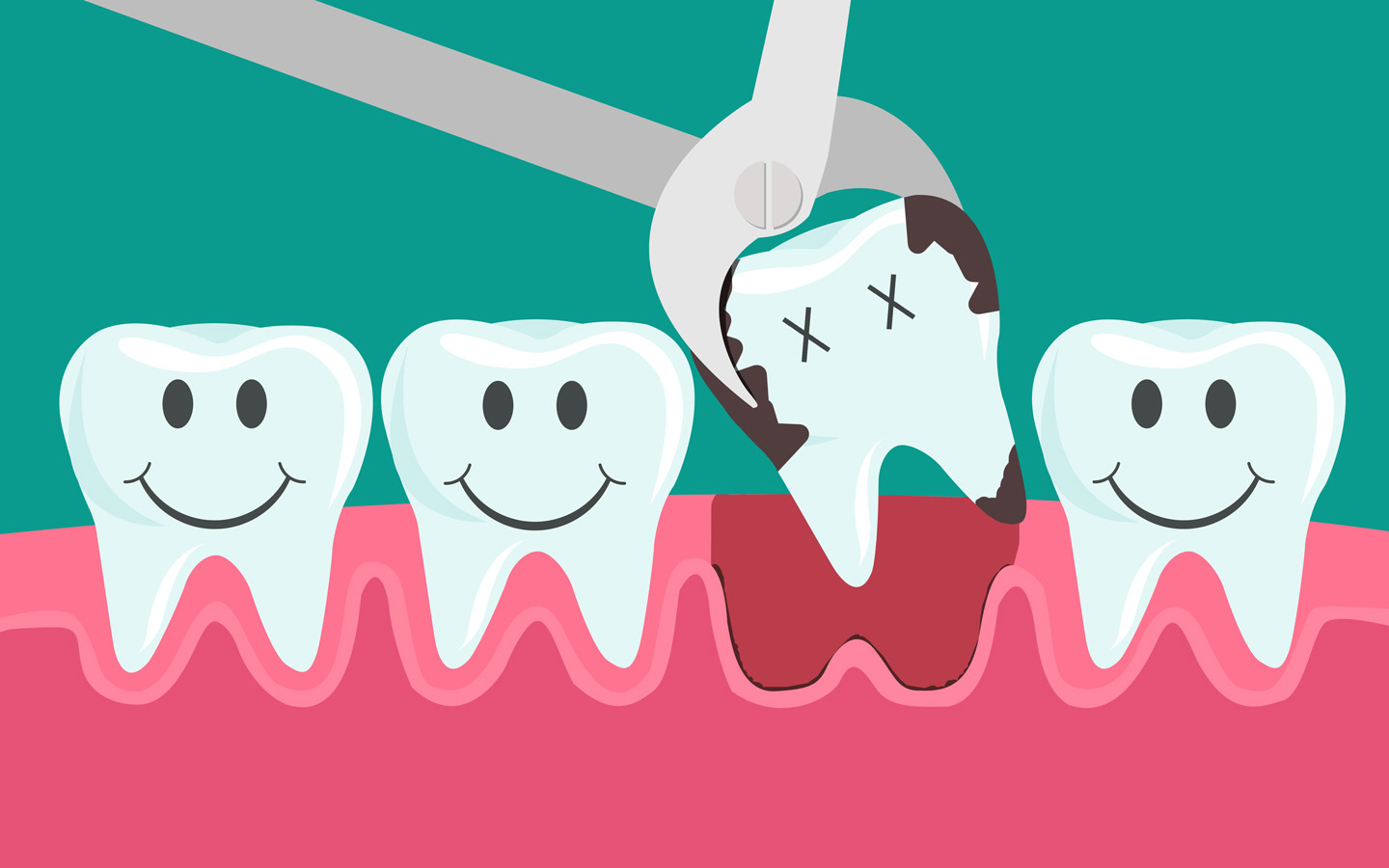
Image Source: www.medicomdtx.com
Grasping Why Immediate Rest is Key
After a tooth comes out, your body starts to heal right away. A blood clot forms in the empty spot. This clot is like a natural bandage. It helps stop bleeding. It also protects the bone and nerves below. This clot is vital for proper healing. It lets new tissue grow. It also keeps out food bits and germs.
If you move around too much, you can dislodge this clot. This is called a “dry socket.” A dry socket hurts a lot. It also slows down healing. That is why resting is so important right after surgery. Your body is working hard to fix itself. You need to give it a chance to do that work.
Pitfalls of Moving Too Fast
Exercising too soon after tooth removal can lead to several problems. These issues can make your recovery longer and more painful. Knowing these risks helps you make smart choices.
Dry Socket and Exercise
One of the biggest risks of exercising too soon is a dry socket. This happens when the blood clot in the empty tooth space comes out too early. It leaves the bone and nerves open to the air. This causes a lot of pain. The pain can spread to your ear, eye, or neck. It often feels like a dull ache or sharp throbbing.
Exercise makes your heart beat faster. It raises your blood pressure. This extra pressure can make the blood clot fall out. So, dry socket and exercise are a bad mix. It is very important to avoid any activity that could dislodge that clot. This includes things like running, jumping, or even bending over too much.
Bleeding from Exercise After Extraction
When you exercise, your blood pressure goes up. This is normal. But after a tooth extraction, higher blood pressure can cause problems. It can make the wound bleed again. Even a small amount of bleeding can be scary. It can also make it harder for the wound to heal. You might notice the bleeding even a day or two after the surgery. This is a clear sign you have done too much. Bleeding from exercise after extraction is a sign to stop and rest.
More Swelling and Pain
Movement can also make swelling worse. It can increase pain around the extraction site. Your body is already trying to manage inflammation. Adding stress from exercise makes this harder. Swelling can make it hard to open your mouth. It can also make eating painful. You want to reduce swelling, not make it worse.
Risk of Infection
Any open wound carries a risk of infection. While not directly caused by exercise, disrupting the healing process can raise this risk. If the clot dislodges, the empty socket is more open to germs. An infection can cause more pain, swelling, and even fever. This will definitely slow down your recovery.
When to Move Again: A Gentle Pace
So, when to exercise after tooth extraction? The general rule is to wait at least 24 to 48 hours. For some people, it might be longer. It really depends on your specific surgery. It also depends on how well you are healing. Your dentist will give you exact advice. But here is a general idea.
The key is to start slow. Listen to your body. If something hurts, stop. If you feel dizzy, stop. If you see bleeding, stop. Your body will tell you what it can handle. Do not push through pain. Pain is a sign that you are doing too much. This gradual approach helps keep you safe. It helps prevent problems like dry socket or bleeding.
Your Activity Schedule After Surgery
Here is a general post-extraction workout timeline. Remember, this is a guide. Always follow your dentist’s specific instructions.
Days 1-2: Strict Rest
These first 48 hours are the most important for healing. This is when the blood clot is forming. It is also when it is most fragile.
- No exercise at all. This means no running, no lifting, no bending over. Avoid strenuous exercise post-op completely.
- Keep your head raised. Use pillows to prop your head up, even when sleeping. This helps reduce swelling.
- Rest. This is the time to relax. Watch movies, read books, or just sleep.
- No straws or spitting. The sucking action can pull out the clot.
- Do not smoke. Smoking slows healing and raises the risk of dry socket.
Days 3-7: Gentle Movement Begins
After the first two days, you can start to add very light physical activity post extraction. But be very careful.
- Light walking: Gentle walks are usually okay. Think a stroll around your home. Do not walk fast. Do not go for long distances.
- Gentle stretches: You can do very light, slow stretches. Do not stretch your jaw or neck too much. Avoid anything that makes you strain.
- Avoid anything that makes you sweat or breathe hard. Your heart rate should stay low.
- No heavy lifting.
- No bending over. Keep your head above your heart.
- Watch for signs of trouble. If you feel more pain, see bleeding, or get dizzy, stop right away.
- Still avoid straws, spitting, and smoking.
Week 2 Onward: Gradual Increase
If you are healing well, you can slowly add more activity. But still, be careful. This is not the time to go back to your hardest workouts.
- Low-impact exercise: You can slowly try activities like stationary cycling, walking on a treadmill, or very light yoga.
- Gym workout after tooth extraction: When considering a gym workout after tooth extraction, start very light. Use much lighter weights than normal. Do more repetitions with less weight. Avoid exercises that strain your jaw or put your head below your heart.
- Running after wisdom tooth removal: If you had a wisdom tooth removed, especially a complex one, wait longer. Running after wisdom tooth removal can be risky. The jarring motion can dislodge clots. Wait at least 7-10 days, or even two weeks, before trying light jogging. Start with short distances. Keep your pace slow.
Beyond Two Weeks: Back to Normal?
By two weeks, many people feel much better. The healing process is well underway. You can often return to most normal activities. However, it is still wise to be cautious.
- Listen to your body. If you feel any pain or discomfort, stop.
- Consult your dentist. Before going back to full, strenuous workouts, talk to your dentist. They can check your healing. They can tell you if it is safe.
- Gradual return. Even if cleared, do not jump straight into your hardest workout. Gradually increase the intensity and duration of your exercise.
- Running after wisdom tooth removal: For those who had wisdom teeth out, you might need more time. Some people take three to four weeks to feel fully ready for intense running or high-impact sports.
This table summarizes the activity timeline:
| Time After Extraction | Recommended Activity | Things to Avoid | Notes |
|---|---|---|---|
| Days 1-2 | – Complete rest | – Any exercise (running, lifting, bending) – Strenuous activity – Spitting, straws, smoking |
Crucial for blood clot formation. Keep head elevated. |
| Days 3-7 | – Light walking (short, slow) – Gentle stretching (no strain) |
– Moderate to strenuous exercise – Heavy lifting – Bending over – Activities that raise heart rate significantly |
Start very slow. Listen to your body for any pain or bleeding. |
| Week 2 Onward | – Stationary cycling (light) – Light treadmill walking – Very light yoga – Gradual, light gym workout (lighter weights) – Gentle jogging (if healing well, not for wisdom teeth usually) |
– High-impact sports – Heavy weightlifting – Activities that strain the jaw or cause jarring |
Increase intensity slowly. Still avoid head-down positions. |
| Beyond 2-3 Weeks | – Gradual return to most activities – Consult dentist before full return to strenuous exercise |
– Any activity that causes pain or discomfort | Your dentist will give the final OK for full activity. |
Safe Ways to Be Active
When you are ready to start moving, choosing the right activities is important. These are safe activities after tooth removal that are less likely to cause problems:
- Gentle Walking: A slow walk around your house or a quiet park is often okay after the first few days. It helps with blood flow without putting too much stress on your body.
- Stationary Cycling (Light): If you have access to a stationary bike, a very light, easy pedal can be fine. Keep the resistance low. Keep your heart rate down.
- Light Stretching (Careful): Gentle stretches for your arms, legs, and back can feel good. Avoid any stretches that pull on your neck or jaw. Do not bend your head lower than your heart.
- Chair Yoga (Modified): Some very gentle chair yoga poses, without any inversions or strenuous movements, might be acceptable. Again, listen to your body closely.
- Avoid Water Activities: Swimming or other water sports should be avoided for at least a week. The pressure changes and potential for bacteria in water can cause issues.
Always remember: if you feel any discomfort or pain, stop what you are doing right away. It is not worth risking your healing.
Warning Signals: When You’ve Done Too Much
Your body will tell you if you have pushed it too hard. Pay attention to these signs of overexertion tooth extraction:
- Increased Pain: If your pain gets worse after exercise, you have done too much. The pain might be throbbing or sharp.
- More Bleeding: Any new or increased bleeding from the extraction site is a definite warning. It means you have put too much pressure on the healing area.
- Swelling: If swelling around your jaw or face increases after activity, you need more rest.
- Throbbing Sensation: A strong throbbing feeling in the extraction area can mean you have disrupted the clot or caused inflammation.
- Bad Taste or Smell: This can be a sign of a dry socket or infection. It means the clot is gone or germs are present. Seek help immediately.
- Fever: A fever indicates a possible infection. This needs medical attention.
- Nausea or Dizziness: Feeling sick or lightheaded can mean you are pushing your body too hard.
If you notice any of these signs, stop exercising immediately. Rest. Apply a cold compress if swelling is present. If symptoms persist or worsen, call your dentist. Do not wait.
Wisdom Tooth Special Notes
Wisdom tooth removal is often more complex than pulling a single tooth. This is especially true if the tooth was impacted (stuck under the gum or bone). Because of this, recovery can take longer.
- More Swelling and Bruising: Wisdom tooth extractions often lead to more swelling and bruising. This means more rest is needed.
- Longer Healing: The larger wound and deeper surgery mean it takes more time for the area to heal well.
- Greater Dry Socket Risk: The lower jaw wisdom teeth are especially prone to dry socket. This is why strict rest is even more vital.
- Running after wisdom tooth removal: This needs extra caution. The jarring motion of running can put more stress on the healing area. It can easily dislodge the clot. It is often best to wait at least 10-14 days, or even three to four weeks, before trying any running, even light jogging. Your dentist will give you the best advice here.
- Gym workout after tooth extraction (wisdom tooth): Be very cautious with upper body strength training. Avoid any exercises that make you clench your jaw or strain your neck.
Always talk to your oral surgeon or dentist about specific recovery times for wisdom teeth. They know your case best.
Helping Your Body Heal Well
Beyond resting and slowly starting exercise, there are other ways to help your recovery. These tips can make your healing smoother and faster.
- Follow Dentist’s Orders: Your dentist gives you specific instructions. Follow them exactly. This includes taking medicines as told.
- Use Cold Compresses: For the first 24-48 hours, put an ice pack on your cheek. Do this for 20 minutes on, 20 minutes off. It helps reduce swelling and pain.
- Eat Soft Foods: Stick to soft foods for the first few days. Think soup, yogurt, mashed potatoes, and scrambled eggs. Avoid crunchy, hard, or sticky foods that might get stuck or irritate the wound.
- No Smoking or Straws: These actions create suction. Suction can pull out the blood clot. It raises the risk of a dry socket a lot.
- Gentle Oral Hygiene: Brush your other teeth gently. Avoid the extraction site for the first day. After 24 hours, you can gently rinse your mouth with warm salt water. Do not swish hard. Just let the water flow over the area.
- Stay Hydrated: Drink plenty of water. Avoid hot drinks, alcohol, and fizzy sodas for the first few days.
- Get Enough Sleep: Sleep helps your body repair itself. Make sure you get plenty of rest at night.
- Manage Pain: Take pain medicine as prescribed by your dentist. Do not wait until the pain is severe.
By following these simple steps, you give your body the best chance to heal quickly and well.
Conclusion
Exercising after tooth extraction requires patience and careful steps. The first 24 to 48 hours are critical for forming a stable blood clot. Disrupting this clot can lead to painful issues like a dry socket. It can also cause bleeding and prolong your recovery.
Begin with complete rest. Slowly introduce very light physical activity post extraction after a few days. Always listen to your body. Watch for signs of overexertion tooth extraction like increased pain or bleeding. For activities like running after wisdom tooth removal or gym workout after tooth extraction, wait longer. Get the okay from your dentist before returning to strenuous exercise. Prioritizing your healing now means a faster, smoother return to your normal routine later.
Frequently Asked Questions
Q1: Can I run after tooth extraction?
No, you should not run right after a tooth extraction. For simple extractions, wait at least 3-5 days. For wisdom teeth or more complex extractions, wait 7-14 days or even longer. Running increases your heart rate and blood pressure. This can dislodge the blood clot and cause bleeding or a dry socket.
Q2: What light exercises can I do after extraction?
After the first 2-3 days, you can try very light activities. These include gentle walking around your home. You can also do very gentle stretches. Stationary cycling at a very low intensity might be okay too. Always keep your heart rate low. Avoid bending over or straining.
Q3: When can I lift weights after tooth extraction?
You should avoid lifting weights for at least 5-7 days after a simple extraction. For more complex cases, wait 10-14 days. When you do return, start with very light weights. Do not strain. Heavy lifting increases blood pressure. This can cause bleeding or dislodge the blood clot.
Q4: What if I accidentally exercised too soon?
If you exercised too soon, stop immediately. Check for new bleeding or increased pain. If you experience severe pain, a bad taste, foul smell, or ongoing bleeding, contact your dentist right away. These could be signs of a dry socket or other problems.
Q5: How long until I can exercise normally?
For simple extractions, most people can return to normal exercise within 7-10 days. For wisdom teeth or complex extractions, it might take 2-4 weeks. The exact time depends on how well you heal. Always get your dentist’s approval before returning to your full exercise routine.