
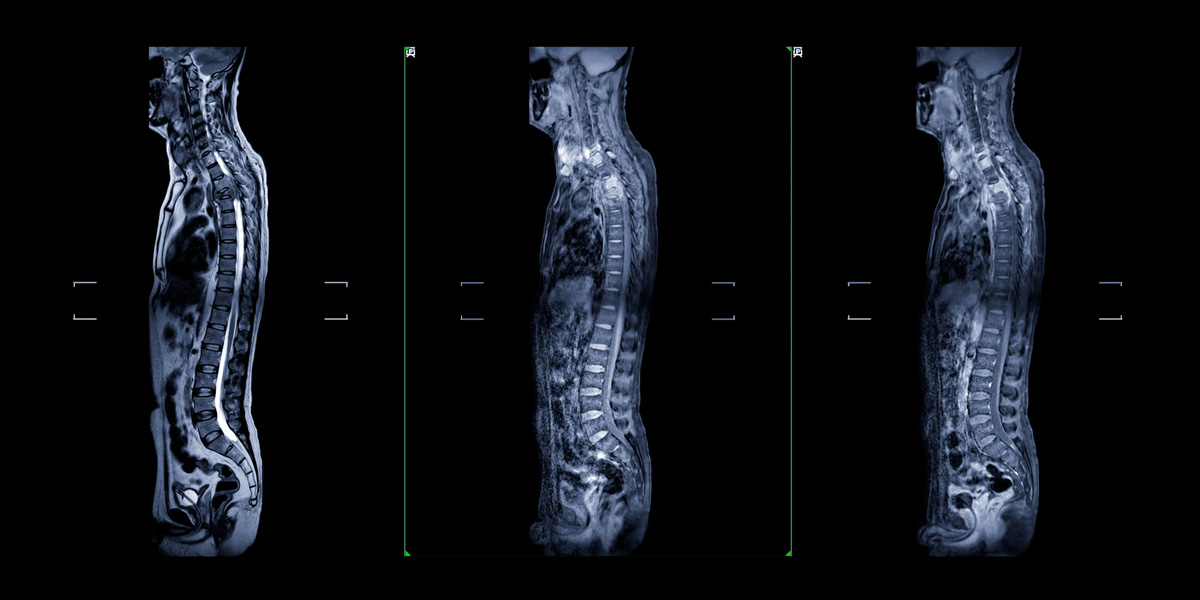
Image Source: americanhealthimaging.com
Can You Exercise After MRI With Contrast?
Yes, generally, you can exercise after an MRI with contrast, but it’s crucial to listen to your body and consider a few important factors related to MRI contrast safety and contrast agent clearance. Most people can resume their normal physical activity levels without issue once the MRI scan is completed. However, specific considerations apply depending on the type of contrast agent used and your individual health.
Navigating Post-MRI Activities and Exercise
Magnetic Resonance Imaging (MRI) is a powerful diagnostic tool that uses magnetic fields and radio waves to create detailed images of organs and tissues. Often, a contrast agent is injected to enhance the visibility of certain structures, helping radiologists detect abnormalities more effectively. A common question for many patients is about their post-MRI activities, particularly when it comes to exercise after contrast dye.
Why Contrast is Used in MRIs
Contrast agents, most commonly gadolinium-based contrast agents (GBCAs) for MRIs, work by altering the magnetic properties of tissues they reach. This alteration causes them to appear brighter or darker on the MRI scans, providing clearer differentiation between normal and abnormal tissues.
- Improved Visualization: Highlights blood vessels, tumors, inflammation, and other abnormalities.
- Enhanced Detail: Allows for more precise diagnosis and staging of diseases.
- Early Detection: Can reveal subtle changes that might otherwise be missed.
Types of MRI Contrast Agents
The two main categories of contrast agents used in medical imaging are:
- Gadolinium-Based Contrast Agents (GBCAs): These are predominantly used in MRI scans. Gadolinium is a rare earth metal. GBCAs are administered intravenously. The body typically eliminates these agents through the kidneys.
- Iodine-Based Contrast Agents: While more commonly used in CT scans and angiography, iodine contrast agents are generally not used in standard MRIs. They are also eliminated through the kidneys. It’s important to distinguish between these as the concerns and recommendations for iodine contrast exercise may differ slightly, though kidney function remains the primary factor.
The Body’s Process: Contrast Agent Clearance
After an MRI with contrast, the body’s primary focus is on contrast agent clearance. This process primarily occurs via the kidneys.
How GBCAs Are Eliminated
Gadolinium contrast agents are filtered out of the bloodstream by the kidneys and excreted in the urine.
- Kidney Function: For individuals with normal kidney function, most of the gadolinium contrast agent is cleared from the body within a few hours to a couple of days.
- Timeframe: Typically, over 90% of the contrast agent is eliminated within 24 hours. The remaining small amount is usually cleared within a few days.
Factors Affecting Clearance
Several factors can influence how quickly the contrast agent is cleared from your system:
- Kidney Health: This is the most significant factor. Individuals with impaired kidney function will take longer to clear the contrast agent.
- Hydration Levels: Staying well-hydrated can assist the kidneys in flushing out the contrast agent.
- Type of GBCA: While all GBCAs are designed for excretion, there can be slight variations in their clearance rates.
Resuming Exercise Post-Contrast: What You Need to Know
The general consensus from medical professionals and MRI safety guidelines is that resuming exercise post-contrast is usually safe. However, it’s not a one-size-fits-all answer.
Immediate Post-Scan Considerations
Immediately after your MRI, you might feel a bit tired or disoriented due to lying still in a confined space. Some people may experience mild side effects from the contrast agent.
- Mild Side Effects: These can include a temporary metallic taste in the mouth, a cool sensation at the injection site, or a headache. These are usually short-lived and do not prevent exercise.
- Injection Site: Ensure the area where the IV was inserted does not show signs of excessive bruising or swelling.
Exercise After Gadolinium Contrast
For individuals with healthy kidneys, engaging in physical activity after MRI is generally encouraged. In fact, for some, light exercise might even help with circulation and the elimination process.
- Light to Moderate Exercise: Starting with light activities like walking, stretching, or cycling at a moderate pace is a good approach.
- Listen to Your Body: Pay attention to how you feel. If you experience any unusual symptoms such as dizziness, nausea, or chest pain, stop exercising and consult your doctor.
- Hydration is Key: Drink plenty of water after your MRI to help your kidneys flush out the contrast agent. This is beneficial whether you exercise or not.
Exercise After Iodine Contrast (Less Common for MRI)
As mentioned, iodine contrast is not typically used for MRIs. However, if you have received iodine contrast for another procedure and are cleared for activity, similar principles apply. Good hydration is paramount for kidney function and the clearance of iodine-based agents.
Potential MRI Contrast Side Effects and Exercise
While MRI contrast side effects are generally rare and mild, it’s good to be aware of them, especially when considering physical activity after MRI.
Common, Mild Side Effects
- Nausea and Vomiting: Some individuals might feel nauseous, which could make strenuous exercise uncomfortable.
- Headache: A mild headache can occur.
- Dizziness: Feeling lightheaded might make balance-based exercises or high-intensity workouts risky.
- Skin Reactions: Itching or rash at the injection site.
These mild side effects typically do not warrant a complete cessation of exercise but might influence the intensity or type of activity you choose initially.
Rare but Serious Reactions
In very rare cases, individuals can experience more severe allergic reactions to contrast agents, including:
- Anaphylaxis: A severe, life-threatening allergic reaction.
- Nephrogenic Systemic Fibrosis (NSF): This is a very rare but serious condition linked to certain types of GBCAs in patients with severe kidney disease. It causes thickening and hardening of the skin, joints, eyes, and internal organs. This is why screening for kidney function before administering GBCAs is crucial.
If you have a history of allergies or kidney problems, it is essential to discuss these concerns with your doctor before your MRI.
When to Delay or Modify Exercise
There are specific situations where you might need to delay or modify your exercise routine after an MRI with contrast.
Pre-existing Health Conditions
- Kidney Disease: If you have any form of kidney disease, you should follow your doctor’s specific advice regarding contrast agent clearance and post-MRI activities. They may recommend increased fluid intake and a longer waiting period before resuming strenuous physical activity after MRI.
- Heart Conditions: If you have a heart condition, it’s always best to consult your cardiologist before resuming any exercise, especially after a medical procedure.
- Allergies: If you have a history of severe allergic reactions, particularly to contrast agents or medications, inform your doctor.
Specific Contrast Agent Concerns
While most modern GBCAs are designed for safety, discussions have arisen regarding gadolinium retention in the body. Current research generally indicates that the amount of retained gadolinium is very small and not associated with adverse health effects in individuals with normal kidney function. However, if you have concerns, discussing them with your radiologist or physician is advisable. The concern is generally around gadolinium contrast exercise routines for individuals with compromised kidney function or those who have received multiple GBCA injections.
Recommendations for Physical Activity After MRI
To ensure a safe and smooth transition back to your exercise routine:
Hydration
- Drink Plenty of Water: This is the most crucial recommendation. Adequate hydration supports kidney function, which is vital for eliminating the contrast agent. Aim for more fluids than usual in the 24-48 hours following your scan.
Gradual Return
- Start Slowly: Don’t jump back into intense workouts immediately. Begin with light activities and gradually increase the intensity and duration as you feel comfortable.
- Monitor Your Body: Pay close attention to any signals your body is sending. Fatigue, unusual aches, or discomfort are indicators that you might be overexerting yourself.
Consult Your Doctor
- Pre-existing Conditions: If you have any underlying health issues, especially related to your kidneys or heart, always seek medical advice before resuming exercise.
- Unusual Symptoms: If you experience any concerning MRI contrast side effects after your scan, contact your healthcare provider.
Research and Safety Guidelines
MRI safety guidelines are constantly evolving based on new research. Organizations like the American College of Radiology (ACR) provide recommendations for the safe use of contrast agents.
- ACR Manual on Contrast Media: This manual offers comprehensive guidelines for the administration of contrast agents, including screening protocols and management of adverse reactions.
- Gadolinium Retention Studies: While studies on gadolinium retention are ongoing, current evidence suggests minimal risk for most patients with normal kidney function.
Fathoming Gadolinium Contrast Exercise Safely
For most individuals with healthy kidneys, gadolinium contrast exercise poses no significant risk. The body is efficient at clearing these agents. The key is to ensure your kidneys are functioning optimally.
Interpreting Iodine Contrast Exercise Recommendations
Similarly, for iodine contrast exercise, the emphasis remains on hydration and listening to your body, especially if you have any kidney-related concerns.
Summary Table: Exercise Post-MRI with Contrast
| Factor | Recommendation | Considerations |
|---|---|---|
| General Activity | Resume normal post-MRI activities as you feel ready. | Listen to your body; avoid overexertion initially. |
| Hydration | Increase fluid intake, especially water. | Aids contrast agent clearance. |
| Exercise Intensity | Start with light to moderate exercise. | Gradually increase intensity and duration. |
| Kidney Function | Crucial for contrast agent clearance. | Individuals with impaired kidney function need medical advice before exercising after contrast dye. |
| Side Effects | Be aware of potential mild side effects (nausea, headache, dizziness). | If severe reactions occur, seek immediate medical attention. |
| Specific Concerns | Discuss gadolinium contrast exercise or iodine contrast exercise with your doctor if you have health issues. | Pre-existing conditions (kidney/heart disease) require personalized medical guidance. |
| MRI Safety Guidelines | Follow general MRI safety guidelines and physician advice. | These guidelines ensure patient safety during and after the MRI procedure. |
Comprehending Post-MRI Activities and Exercise
The overarching message is that for the vast majority of people, an MRI with contrast does not prevent them from exercising. The body is designed to process and eliminate these agents efficiently. The most critical factor in ensuring safe physical activity after MRI is maintaining good hydration and being attuned to your body’s signals.
Frequently Asked Questions (FAQ)
Q1: How long does it take for MRI contrast dye to leave my body?
A: For most individuals with normal kidney function, the majority of the gadolinium-based contrast agent is cleared from the body within 24 hours, with almost all of it eliminated within a few days.
Q2: Can I go to the gym after an MRI with contrast?
A: Yes, you can generally go to the gym. However, it’s advisable to start with lighter activities and gradually increase the intensity based on how you feel.
Q3: Are there any specific exercises I should avoid after an MRI with contrast?
A: Unless you experience significant side effects like dizziness or severe nausea, there are no specific exercises you must avoid. However, it’s wise to postpone very strenuous or high-impact activities until you feel fully recovered.
Q4: What if I have kidney problems? Can I still exercise after an MRI with contrast?
A: If you have kidney problems, it is essential to consult your doctor before the MRI and discuss your post-MRI activities, including exercise. They will provide specific recommendations based on your kidney function and the type of contrast used.
Q5: Should I drink more water after an MRI with contrast?
A: Yes, drinking plenty of water after your MRI is highly recommended. It supports your kidneys in efficiently clearing the contrast agent from your system.
Q6: What are the main MRI contrast side effects to watch out for?
A: Common side effects are usually mild, such as a metallic taste, mild nausea, or a headache. In rare cases, more severe allergic reactions can occur. If you experience anything unusual or concerning, contact your healthcare provider.
Q7: Is exercising after gadolinium contrast different from exercising after iodine contrast?
A: While iodine contrast is not typical for MRIs, both types are cleared by the kidneys. The primary advice for exercise after contrast dye for both is good hydration and listening to your body. The safety considerations for gadolinium contrast exercise are generally more discussed due to its use in MRIs and the topic of gadolinium retention.
Q8: Do MRI safety guidelines say anything about exercising after contrast?
A: General MRI safety guidelines focus on the safe administration of contrast and managing immediate adverse reactions. They don’t typically restrict exercise post-scan for individuals with normal health, but they emphasize patient consultation with healthcare providers for personalized advice.