
Can you exercise after an endoscopy biopsy? In most cases, yes, you can usually do light exercise fairly soon after, but you must wait longer for strenuous activity. The exact time depends on what your doctor says, how you feel, and if you had a biopsy. Taking a small sample (a biopsy) adds a bit more time needed for recovery. It’s very important to listen to your doctor’s specific instructions about when it is safe for you to start moving more again.
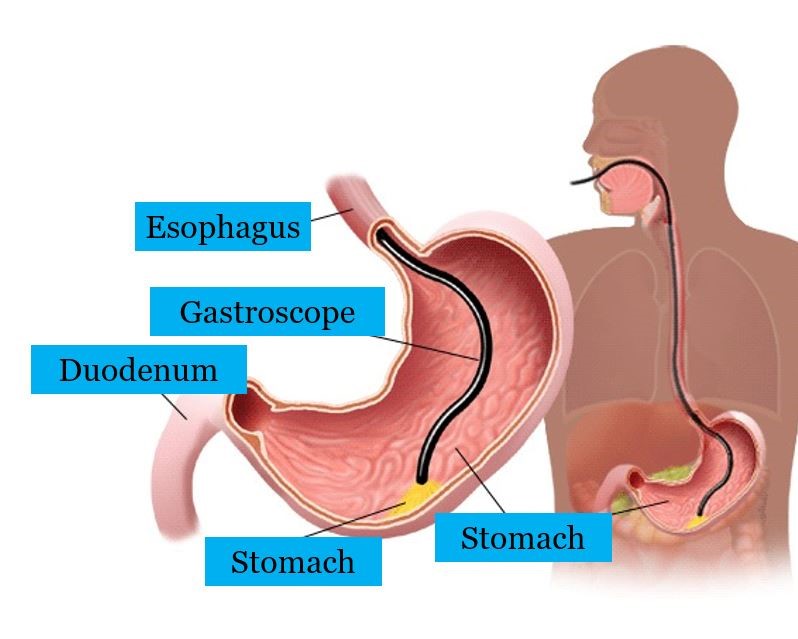
Image Source: drmaherabbas.com
Deciphering Endoscopy and Biopsy
Before we talk about moving your body, let’s quickly look at what an endoscopy and a biopsy are.
What is an Endoscopy?
An endoscopy is a way for doctors to look inside your body. They use a long, thin, flexible tube. This tube has a tiny camera and a light on the end. Doctors put it into your body through a natural opening.
- Upper Endoscopy: The tube goes in through your mouth. It lets doctors see your esophagus (food pipe), stomach, and the start of your small intestine. This is also called an EGD (esophago-gastro-duodenoscopy).
- Colonoscopy: The tube goes in through your bottom. It lets doctors see your large intestine (colon) and the very end of the small intestine.
- Other Types: There are other kinds, like bronchoscopy (for lungs) or cystoscopy (for bladder). This article focuses mostly on upper endoscopy and colonoscopy.
The doctor guides the tube carefully. They watch pictures on a screen. This helps them check for problems like swelling, redness, ulcers, or growths.
What is a Biopsy?
Sometimes, the doctor sees something that looks unusual. They might want to test it more closely. This is where a biopsy comes in.
- Using tiny tools passed through the endoscopy tube, the doctor takes a very small piece of tissue.
- Taking this tiny sample is called a biopsy.
- It doesn’t usually hurt when they take the sample.
- The tissue sample is then sent to a lab.
- Experts in the lab look at it under a microscope.
- This helps them understand exactly what the tissue is. It can show if there are infections, swelling, or unhealthy cells like cancer.
So, an endoscopy lets doctors see inside, and a biopsy lets them take a tiny piece for a closer look. Both are safe and common. But taking a biopsy creates a small wound inside your body. This small wound needs time to heal.
Grasping Recovery Time After Endoscopy Biopsy
How long does it take to get back to feeling normal after an endoscopy with a biopsy? This is the recovery time after endoscopy biopsy. It’s different for everyone. But there are some general ideas.
Right After the Procedure
You will likely feel sleepy or groggy. This is because of the medicine used to help you relax or sleep during the procedure.
- You will stay in a recovery area for a little while.
- Nurses will watch you to make sure you wake up well.
- You might have a sore throat (after an upper endoscopy) or feel bloated or gassy (after a colonoscopy).
- These feelings are normal and usually go away quickly.
The First Day
- You should plan to rest at home for the rest of the day.
- Do not drive, operate machines, or make important decisions. The medicine is still in your system.
- Eat light, easy-to-digest foods.
- Avoid alcohol.
The Next Few Days
This is when most people start to feel much better.
- The sleepiness should be gone.
- Sore throat or gas should improve a lot.
- You can usually go back to your normal eating habits.
Healing of Biopsy Sites
The small spots where the doctor took tissue samples are like small scrapes inside your body.
- These spots start healing right away.
- They usually close up on their own.
- Full healing might take several days or even a week or two.
- Most people don’t feel the spots healing.
So, while you might feel ready to go back to daily life the next day, the inside healing, especially where biopsies were taken, takes a bit longer. This internal healing is key when thinking about exercise restrictions after endoscopy.
Interpreting Exercise Restrictions After Endoscopy
Why can’t you just go for a run or lift weights right away? There are important reasons for exercise restrictions after endoscopy, especially if you had a biopsy.
Preventing Bleeding
This is the main reason. When a biopsy is taken, it leaves a small open area.
- Normal activity like walking or light chores is usually fine.
- Strenuous exercise puts stress on your body.
- It raises your heart rate and blood pressure.
- Increased blood flow can reopen the biopsy site.
- This can cause bleeding. Bleeding inside your body can be serious.
- The risk of bleeding is highest in the first 24 hours, but it can still happen in the next few days.
Avoiding Pain and Discomfort
Even without bleeding, exercise can make you uncomfortable.
- You might still feel bloated or sore.
- Hard work can make these feelings worse.
- Muscle strain or pressure on your belly area could affect the healing sites.
Reducing the Small Risk of Puncture
This is very rare, but intense physical strain might, in theory, put extra stress on the weakened area where the biopsy was taken. While extremely unlikely with normal activity, strenuous exercise could increase any tiny theoretical risk of complications like a tear in the bowel wall, especially if there were underlying issues.
Allowing the Body to Heal
Your body needs energy to fix the tiny wounds.
- Rest allows your body to focus its resources on healing the biopsy sites and recovering from the sedation.
- Hard exercise uses up that energy for muscle work instead.
Understanding these points helps you see why taking it easy for a short time is important. It protects you and helps your body heal properly.
How Long After Endoscopy Can I Exercise?
This is the question everyone wants answered: how long after endoscopy can I exercise? There isn’t one single answer for everyone. It depends on:
- The type of procedure: Upper endoscopy recovery is often quicker than colonoscopy recovery.
- If biopsies were taken: Biopsies mean you need more caution.
- How many biopsies were taken: More biopsies might mean a bit longer wait.
- Where the biopsies were taken: Some spots might be more prone to bleeding than others.
- Your general health: If you have other health problems, your doctor might advise more rest.
- Any problems during the procedure: If anything unusual happened, recovery advice might change.
- The type of exercise: Light walking is okay much sooner than heavy lifting or intense sports.
Here is a general guide, but remember, your doctor’s specific instructions are the most important.
General Timeline for Exercise After Endoscopy (with biopsy)
This table shows a common path. It’s a guide, not a strict rule for everyone.
| Activity Level | Day of Procedure | Day After Procedure | 2-3 Days After Procedure | 4-7 Days After Procedure | Beyond 7 Days After Procedure |
|---|---|---|---|---|---|
| Rest | Required (Sleepy from medicine) | Recommended / Light Activity | Can increase activity | Usually back to normal activity levels | Normal |
| Light Walking | Short walks at home (if feeling OK) | Can walk more (short distances) | Can walk longer distances | Normal walking routine | Normal |
| Light Chores | Avoid (Rest is key) | Very light tasks (no lifting/bending) | Can do more light chores | Normal light chores | Normal |
| Moderate Exercise | Avoid (Risk of bleeding/discomfort) | Avoid (Risk of bleeding/discomfort) | Might be okay for some (check with doc) | Usually okay for many (check with doc) | Normal (gradual return) |
| Strenuous Exercise | Avoid (High risk) | Avoid (High risk) | Avoid (High risk) | Avoid or delay (Still some risk) | Usually okay (check with doc) |
| Heavy Lifting | Avoid (High risk) | Avoid (High risk) | Avoid (High risk) | Avoid or delay (Still some risk) | Usually okay (check with doc) |
| Contact Sports | Avoid (High risk) | Avoid (High risk) | Avoid (High risk) | Avoid (High risk of injury/bleeding) | Usually okay (check with doc) |
| Swimming | Avoid (May feel unwell) | Avoid (Risk of infection if site open) | Can be okay (clean water, no hard turns) | Usually okay | Normal |
Important Note: “Moderate” and “Strenuous” mean different things to different people.
* Moderate: Exercise where you can still talk but not sing (e.g., brisk walking, casual cycling).
* Strenuous: Exercise where you can only say a few words at a time (e.g., running, heavy weightlifting, intense sports).
For most people with a biopsy, a common timeline is:
- Day 1: Strict rest.
- Day 2-3: Light activity only. No exercise that makes your heart pound or requires straining.
- Day 4-7: Can start moderate exercise cautiously if your doctor says it’s okay and you feel well.
- After 7 days: Often okay to return to strenuous exercise gradually, but only after getting approval from your doctor.
This shows that post-endoscopy exercise guidelines are not one-size-fits-all. You need to be careful and not rush back into heavy workouts.
Post-Endoscopy Exercise Guidelines
So, you’re ready to move a little, or maybe thinking about getting back to your routine. What are the smart steps to take? These are the post-endoscopy exercise guidelines.
Listen to Your Body
This is the most important rule. Even if the calendar says you might be ready, listen to how you actually feel.
- If you feel tired, sore, or uneasy, don’t push it.
- Pain is a sign to stop.
- Feeling lightheaded or dizzy means you should rest right away.
Start Slow
When you do start exercising again, don’t jump back to your old level.
- Begin with very low intensity.
- Walk for a shorter time than usual.
- Lift much lighter weights, if any.
- Do fewer repetitions.
Increase Activity Gradually
Slowly add more intensity and time over several days.
- Maybe walk a little further the next day.
- Then walk a little faster.
- Slowly build back up to your normal pace over a few days or even a week.
Avoid Activities That Increase Abdominal Pressure
Some exercises put strain on your belly area. Avoid these early on, especially after a colonoscopy or stomach biopsy.
- Heavy lifting (especially lifting from the floor).
- Sit-ups or crunches.
- Intense core work.
- Activities that make you strain or hold your breath forcefully.
Stay Hydrated
Drink plenty of water, especially when you start exercising.
Consider the Type of Exercise
- Good choices for light exercise after endoscopy: Gentle walking, slow-paced cycling (on flat ground or stationary bike), very light stretching (no deep bends or twists).
- Wait longer for strenuous exercise after endoscopy: Running, weightlifting, sports, intense fitness classes, swimming (until biopsy sites are surely healed, maybe a week).
Pay Attention During and After Exercise
- How do you feel while exercising? Any pain or unusual feelings? Stop if you do.
- How do you feel after exercising? Are you overly tired? Is there any new discomfort?
Following these guidelines helps you ease back into activity safely. It reduces the risks of exercising after endoscopy too soon.
Risks of Exercising After Endoscopy
Pushing yourself too hard or too soon after an endoscopy with biopsy carries risks. Knowing these risks of exercising after endoscopy helps you understand why patience is necessary.
Bleeding from Biopsy Site
This is the main worry.
- When you exercise hard, your blood pressure goes up.
- Increased pressure can cause the small healing blood vessels at the biopsy site to open up again.
- This can lead to bleeding into the digestive tract.
- Symptoms might include black, tarry stools or bright red blood from the bottom (after colonoscopy), or vomiting blood (after upper endoscopy). This is serious and needs urgent medical help.
Pain and Discomfort
- Even without major bleeding, exercise can worsen existing soreness, cramping, or bloating.
- Straining can aggravate the healing tissue.
Delayed Healing
- Directing energy and blood flow towards intense muscle work might take resources away from the healing process at the biopsy site.
- While harder to measure, rest generally helps the body recover more efficiently.
Increased Risk of Other Complications (Very Rare)
- While very uncommon, significant strain could theoretically put stress on a recently manipulated area.
- For instance, a very large biopsy or a procedure with more complexities could be more vulnerable. This is why doctor’s advice is so important.
These risks are why doctors advise caution. Skipping the gym for a few days is a small price to pay for avoiding potential complications that could land you back in the hospital.
When Can I Resume Normal Activities After Endoscopy?
Beyond just exercise, many people wonder, when can I resume normal activities after endoscopy? This includes work, driving, shopping, and social plans.
Driving
- You absolutely cannot drive on the day of the procedure. The sedation medicine makes it unsafe. You need someone else to take you home.
- Most people can drive the day after the procedure.
- Make sure you feel completely awake, alert, and in control.
Work
- Most people take the rest of the day off after the procedure.
- Many can go back to work the day after.
- If your job is very physically demanding (heavy lifting, lots of strenuous movement), you might need to take an extra day or two off, similar to strenuous exercise restrictions. Talk to your doctor about your specific job.
Eating
- You will usually start with clear liquids soon after the procedure.
- Then move to a light meal.
- Most people can eat their normal diet by the next day, unless your doctor gives you specific instructions related to findings or biopsies.
Social Activities
- Relaxed social activities (like visiting with friends at home) are usually fine the day after.
- Avoid events where you might feel pressure to be overly active or where alcohol is served (alcohol should be avoided for at least 24 hours).
Full Normal Activities
- This means everything you usually do, including potentially strenuous activities.
- As discussed with exercise, returning to all normal activities, especially the most demanding ones, depends on how you feel and whether you had a biopsy.
- For many, this is possible within a few days to a week, provided the biopsy sites have had time to start healing well and there are no symptoms.
Think of it as a stepped return.
- Step 1 (Day 0): Rest, recovery from sedation, light food.
- Step 2 (Day 1): Normal non-strenuous activities (driving, desk work, light chores, easy eating). Avoid hard physical tasks.
- Step 3 (Day 2-3): Can usually do more, maybe introduce very light exercise (walking). Still cautious with heavy lifting/straining.
- Step 4 (Day 4-7+): Gradually return to more demanding physical activities, including exercise, after checking with your doctor.
Symptoms to Watch For After Endoscopy
While complications are rare, it’s vital to know what is not normal after an endoscopy, especially after a biopsy. If you notice any of these symptoms to watch for after endoscopy, contact your doctor right away.
Signs of Bleeding
- Upper Endoscopy: Vomiting blood (bright red or dark, like coffee grounds), black, tarry stools (this means blood has been digested).
- Colonoscopy: Passing a lot of bright red blood from your bottom, or passing many blood clots. Small amounts of spotting or streaks of blood on the toilet paper might be okay right after, but ongoing or heavy bleeding is not. Black, tarry stools are also a sign of bleeding higher up, which can happen if a polyp removed during colonoscopy bled later.
Severe Pain
- Some discomfort, bloating, or cramping is normal.
- Severe, worsening pain in your belly, chest, or throat is not normal.
- Pain that doesn’t get better with mild pain relievers (like acetaminophen, avoid aspirin or ibuprofen unless your doctor says otherwise, as they can increase bleeding risk) is a concern.
Fever
- A fever (temperature over 101°F or 38.3°C) can be a sign of infection.
Trouble Swallowing
- After an upper endoscopy, a mildly sore throat is common.
- New or worsening pain or difficulty swallowing could indicate a problem.
Severe Bloating or Hard Belly
- Some gas and bloating are normal, especially after a colonoscopy.
- Severe, painful bloating, or a belly that feels hard and very tender to the touch, could be a sign of a rare puncture.
Other Worrying Symptoms
- Dizziness or lightheadedness that doesn’t go away with rest and fluids.
- Weakness.
- Vomiting that doesn’t stop.
If you have any of these symptoms, especially after starting to exercise again, stop exercising immediately and call your doctor. Don’t wait.
Doctor’s Advice on Exercise After Endoscopy
The most important piece of information you will receive comes directly from your medical team. The doctor’s advice on exercise after endoscopy trumps any general guideline you read online.
Before You Leave the Hospital/Clinic
- When you are in the recovery area, the nurse or doctor should give you clear instructions.
- Ask them specifically about exercise.
- “When can I go back to the gym?”
- “When can I lift weights?”
- “When can I go for a run?”
- “Is walking okay tomorrow?”
- Make sure they know what your normal exercise routine is. Are you a runner, a weightlifter, a swimmer, a yoga person?
- Ask if having a biopsy changes things compared to a procedure without one.
Written Instructions
- You should receive written discharge instructions.
- Read these carefully. They should include information about activity levels.
- If anything is unclear, call the doctor’s office to ask for clarification.
Factors Influencing Doctor’s Advice
Your doctor’s recommendations are based on several things:
- What they saw during the endoscopy: Were there many polyps removed? Was there significant swelling?
- Where the biopsies were taken: Biopsies from some areas might carry slightly different risks.
- Your personal health history: Do you have conditions that affect bleeding or healing? Are you on blood-thinning medication (which is often stopped before the procedure, but when do you restart it, and how does that affect activity)?
- How the procedure went: Was it straightforward, or were there challenges?
Don’t Assume
- Even if your friend had a colonoscopy and was fine to run in three days, don’t assume the same is true for you. Your procedure might have been different.
- Always get clearance from your doctor before resuming any moderate or strenuous exercise.
Following your doctor’s specific guidance is the safest way to ensure a smooth recovery and avoid complications. They know exactly what happened inside your body during your procedure.
Considerations for Specific Exercises
Let’s look a bit more closely at returning to different types of movement.
Light Exercise After Endoscopy
- Examples: Gentle walking, slow cycling on a stationary bike or flat ground, very light stretching.
- Timeline: Often okay within 1-2 days after the procedure, if you feel well and your doctor approves.
- Approach: Start with a shorter time and slower pace than usual. Pay attention to how you feel. If you feel any pain, cramping, or discomfort related to your belly or chest area, stop.
Moderate Exercise After Endoscopy
- Examples: Brisk walking, moderate-paced cycling outdoors, elliptical trainer at a moderate level, light resistance training (using very light weights or resistance bands, focusing on form not strain).
- Timeline: Often recommended to wait at least 3-4 days, potentially longer if multiple biopsies were taken or if you had a more complex procedure. Always check with your doctor first.
- Approach: Begin with a shorter session. Monitor for symptoms like unusual fatigue, pain, or dizziness. Avoid exercises that put direct pressure or strain on your abdomen.
Strenuous Exercise After Endoscopy
- Examples: Running, intense interval training, heavy weightlifting, contact sports (football, basketball, martial arts), swimming laps (especially with forceful turns), strenuous yoga poses that involve deep twists or core work.
- Timeline: Typically requires waiting at least 5-7 days, and sometimes longer (up to two weeks), especially after significant biopsy removal or polyp removal. This type of activity should absolutely wait for your doctor’s explicit permission.
- Approach: When you do return, start slowly. Reduce intensity, duration, or weight significantly from your usual level. Build back up very gradually over several sessions or days. Be extra vigilant for any symptoms like pain or bleeding.
Exercise Involving Core Muscles
- Exercises that directly work your abdominal muscles (crunches, sit-ups, planks) or involve twisting the torso can put strain on the areas where biopsies were taken, particularly in the abdomen.
- It is generally wise to avoid these types of exercises for at least a week, and potentially longer, after a biopsy in the stomach or colon.
- Ease back into these exercises slowly when your doctor gives the okay.
The goal is to let the tiny internal wounds heal undisturbed. Any activity that significantly increases blood flow or puts mechanical stress on the healing tissue should be avoided until the initial healing phase is complete.
Factors That Might Extend Your Recovery Time
Some things can mean you need a bit more time before getting back to your full exercise routine.
- Multiple Biopsies: Taking more samples means more small healing sites.
- Large Biopsy Sites: Sometimes a larger sample is needed, or a polyp is removed (which is essentially taking a large biopsy). This leaves a bigger wound.
- Difficult Procedure: If the doctor noted any technical difficulties or if the procedure took a long time, it might mean the tissues are more sensitive.
- Underlying Health Conditions: Conditions that affect healing, blood clotting, or immune function might mean a longer recovery is needed.
- Taking Certain Medications: Some medicines can affect healing or increase bleeding risk. Your doctor will consider this.
- Symptoms After the Procedure: If you have more than usual pain, bloating, or fatigue in the first few days, it’s a sign your body needs more rest.
Always discuss these factors with your doctor when asking about post-endoscopy exercise guidelines.
Prioritizing Safety
Returning to exercise is a positive step for your health. But doing it safely after an endoscopy with biopsy is key.
- Your body has been through a medical procedure. Even a routine one creates changes inside.
- Biopsies create actual small wounds that need to close and heal.
- Ignoring the need for rest and a gradual return to activity can lead to preventable complications.
- A complication like bleeding can mean more doctor visits, more procedures, or even a hospital stay. This disrupts your life and exercise routine far more than a few days of rest.
So, be patient. Use the first few days to truly rest and recover. Focus on light activities as you start feeling better. Get clearance from your doctor before you push yourself. Your long-term health and ability to exercise fully are worth the short wait.
FAQ: Exercising After Endoscopy Biopsy
Q: Can I walk on the same day as my endoscopy with biopsy?
A: Only very short, gentle walks around your house are okay if you feel up to it and are fully awake from the sedation. Most doctors recommend resting for the whole first day.
Q: When can I do light exercise after endoscopy?
A: Light exercise, like gentle walking, is often okay 1-2 days after the procedure, provided you feel well and your doctor gives you the go-ahead. Start slow and listen to your body.
Q: How long after endoscopy can I exercise intensely?
A: For strenuous exercise (running, heavy weights, sports), you typically need to wait at least 5-7 days, and sometimes up to two weeks, especially after a biopsy. You must get specific clearance from your doctor before returning to intense workouts.
Q: What are the risks of exercising too soon after a biopsy?
A: The main risk is causing bleeding from the biopsy site. Increased blood pressure and straining during exercise can reopen the small wound. Other risks include increased pain, discomfort, or delayed healing.
Q: Are there any specific exercises I should avoid?
A: Avoid heavy lifting and exercises that put significant strain or pressure on your abdomen, like sit-ups or intense core work, for at least a week or longer after a biopsy in the stomach or colon.
Q: How does a biopsy change the recovery time compared to an endoscopy without a biopsy?
A: Taking a biopsy creates a small wound that needs time to heal. This means you usually need to be more cautious and wait longer, especially before doing strenuous exercise, compared to an endoscopy where no tissue was removed.
Q: What symptoms mean I should stop exercising and call my doctor?
A: Stop exercising immediately and call your doctor if you notice any signs of bleeding (blood in vomit or stool), severe or worsening pain in your belly or chest, fever, severe bloating, dizziness, or unusual weakness.
Q: Does the type of endoscopy matter for exercise recovery?
A: Yes, recovery can differ slightly. Upper endoscopy (mouth) might have a sore throat, while colonoscopy (bottom) might cause gas/bloating. Both require caution with exercise after a biopsy, but restrictions related to abdominal strain might be more emphasized after a colonoscopy or stomach/intestinal biopsy.
Q: What is the single most important piece of advice about exercise after endoscopy biopsy?
A: Always follow the specific instructions given by your doctor. Their advice is tailored to your individual procedure, health, and what they observed during the endoscopy.
Remember, patience helps ensure a safe and complete recovery so you can get back to all your normal activities, including exercise, without problems.