
Can you exercise after cataract surgery? Yes, you can resume physical activity after cataract surgery, but the timing and type of exercise depend on your individual healing process and your surgeon’s specific advice. It’s crucial to follow post-operative recovery guidelines to ensure optimal results and prevent complications.
Cataract surgery is a common and highly successful procedure, but it requires careful attention to recovery. One of the most frequent questions patients have is about when they can safely return to their exercise routines. This is understandable, as maintaining physical activity is important for overall health and well-being. However, the healing process following eye surgery is delicate, and certain movements or levels of exertion can pose risks. This comprehensive guide will delve into the specifics of exercise after cataract surgery, offering clear guidance on when and how to resume your workouts safely.
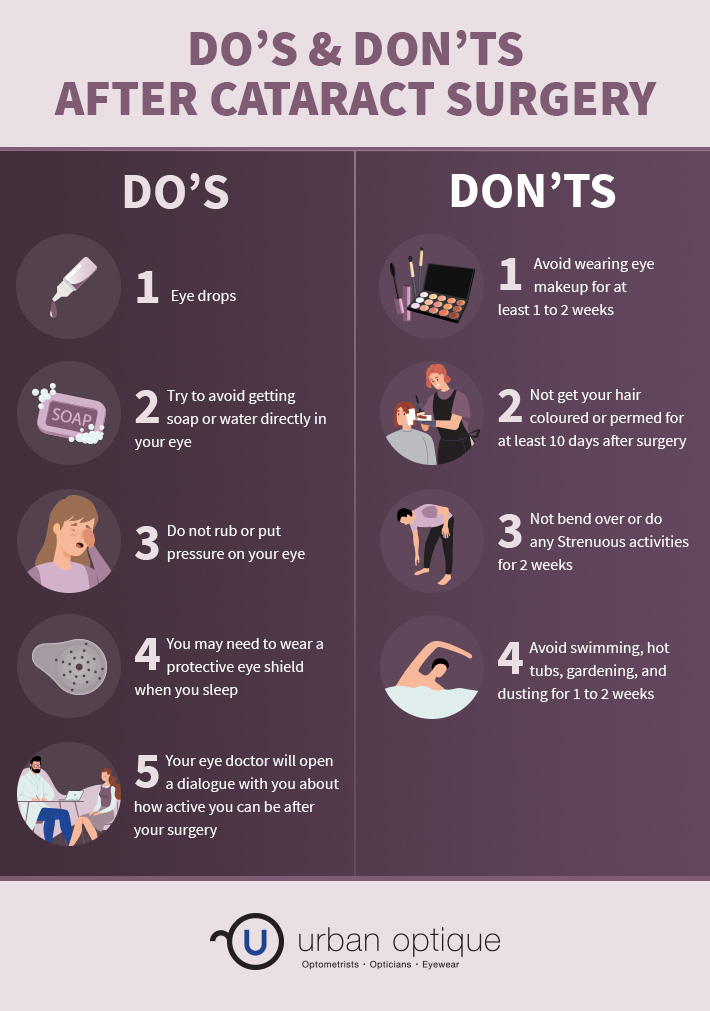
Image Source: urbanoptique.ca
The Healing Process: What Happens After Cataract Surgery
After your cataract surgery, your eye begins a critical healing process. The surgeon removes the clouded lens and replaces it with a clear artificial lens (intraocular lens or IOL). During this time, the eye is still adjusting, and the tissues are repairing themselves.
Key Aspects of Post-Operative Recovery
- Inflammation: Some degree of inflammation is normal after any surgery. Eye drops are typically prescribed to manage this and prevent infection.
- Incisions: Small incisions are made to insert the new lens. These need time to seal and heal completely.
- Visual Adjustment: Your vision will gradually improve as the eye heals and you adapt to the new lens. You may experience some temporary blurriness, light sensitivity, or a feeling of grittiness.
The success of your recovery hinges on adhering strictly to your surgeon’s instructions. This includes using prescribed eye drops, attending follow-up appointments, and avoiding activities that could put strain on your healing eye.
Resuming Workouts: A Gradual Approach
The key to exercising after cataract surgery is a gradual and cautious return. Jumping back into your old routine too quickly can lead to discomfort, delayed healing, or even more serious complications like infection or bleeding.
Initial Restrictions and When They Apply
Your surgeon will provide specific eye surgery restrictions based on your procedure and how your eye is healing. Generally, these restrictions are in place for the first few days to a couple of weeks.
Common Initial Restrictions:
- No Straining or Heavy Lifting: Avoid activities that significantly increase pressure in your head or eyes. This includes lifting heavy objects, straining during bowel movements, or bending over excessively.
- Avoid Head-Down Positions: Positions where your head is below your heart can increase pressure in the eye.
- Protection from Water and Debris: Keep water, soap, and other potential irritants out of your eye. This means no swimming, hot tubs, or saunas initially.
- No Rubbing or Pressing on the Eye: This is crucial to protect the delicate incision sites and the healing tissues.
These restrictions are not meant to be overly burdensome but are essential protective measures.
Light Exercises: Your First Steps Back
Most individuals can begin with light exercises relatively soon after surgery, typically within a day or two, provided there are no complications.
What Constitutes Light Exercise?
Light exercises are activities that do not significantly elevate your heart rate, cause straining, or involve jarring movements.
Examples of Safe Light Exercises:
- Walking: Gentle walking, either indoors or outdoors on a flat surface, is often the first recommended form of physical activity.
- Stretching: Gentle stretching, avoiding any positions that place your head below your heart, can be beneficial.
- Stationary Cycling (with caution): If done at a very low intensity without leaning forward excessively, some people can resume this early.
Important Considerations for Light Exercises:
- Listen to Your Body: If you experience any discomfort, pain, or changes in your vision, stop immediately and consult your surgeon.
- Stay Hydrated: Drink plenty of water.
- Avoid Dusty or Polluted Environments: If walking outdoors, choose cleaner air.
Your surgeon will typically schedule a follow-up appointment within the first week to assess your healing and provide more specific guidance on when you can increase the intensity of your physical activity.
Gradually Increasing Intensity: Building Back Your Fitness
Once you’ve successfully incorporated light exercises and your surgeon gives you the green light, you can begin to gradually increase the intensity and duration of your workouts. This phase is about reintroducing more demanding activities safely.
Returning to Moderate Workouts
Moderate exercises are activities that increase your heart rate and breathing but allow you to still hold a conversation.
Timeline for Resuming Moderate Activities:
- Typically 1-2 Weeks Post-Surgery: Many individuals can resume moderate activities around this time, depending on their healing and surgeon’s approval.
- Examples: Brisk walking, jogging, cycling on flat terrain, swimming (after incisions are fully sealed and cleared by your surgeon), yoga (avoiding inversions), and light weightlifting (typically starting with weights that feel comfortable and don’t cause straining).
Precautions for Moderate Workouts:
- Avoid Sudden Movements: Steer clear of jerky motions that could jolt the eye.
- Monitor for Symptoms: Be aware of any eye discomfort, redness, or blurred vision.
- Wear Protective Eyewear: If engaging in activities where there’s a risk of debris or impact (e.g., cycling outdoors), consider wearing protective glasses.
Your surgeon will likely provide specific guidance on when you can transition from light to moderate activities during your follow-up appointments.
Reintroducing Strenuous Activity
Strenuous activity involves more vigorous exertion that makes it difficult to speak more than a few words at a time. This category includes high-impact sports, heavy weightlifting, and high-intensity interval training (HIIT).
When is Strenuous Activity Safe?
The timeline for returning to strenuous activity is typically longer and depends heavily on individual healing.
- Generally 4-6 Weeks Post-Surgery: Most surgeons recommend waiting at least 4 to 6 weeks before resuming strenuous activities. Some may advise a longer period depending on the complexity of the surgery or individual recovery.
- Examples: Running, high-impact aerobics, basketball, tennis, soccer, heavy weightlifting, and intense HIIT workouts.
Key Factors for Resuming Strenuous Activity:
- Surgeon’s Clearance is Essential: Never resume strenuous activity without explicit approval from your ophthalmologist.
- Gradual Progression: Even after getting clearance, ease back into these activities. Don’t try to pick up exactly where you left off. Start with shorter durations and lower intensity, gradually building up.
- Listen to Your Body: Pay close attention to how your eyes feel. Any persistent discomfort, pain, or changes in vision should prompt you to stop and seek medical advice.
- Hydration and Nutrition: Ensure you are well-hydrated and eating a balanced diet to support your body’s recovery and energy needs.
Return to Sports and High-Impact Activities
For those who participate in sports, returning to the field or court requires careful planning.
Specific Considerations for Sports:
- Contact Sports: Sports involving physical contact (e.g., boxing, martial arts, football) may require an even longer waiting period or may be discouraged altogether if there’s a significant risk of eye injury. Discuss this thoroughly with your surgeon.
- Eye Protection: For many sports, wearing protective eyewear specifically designed for that sport is highly recommended, even after you’ve fully recovered. This can safeguard your vision from accidental impacts or debris.
- Movement and Impact: Activities with sudden starts, stops, jumps, and rapid head movements need to be approached with caution.
Your ophthalmologist is the best resource to advise you on when it’s safe to participate in specific sports or strenuous activities.
Physical Therapy and Rehabilitation
In some cases, individuals might benefit from physical therapy as part of their post-operative recovery, especially if they had to significantly reduce their activity levels or if they have underlying conditions that affect their mobility.
When Might Physical Therapy Be Recommended?
- Pre-existing Mobility Issues: If you had mobility challenges before surgery, physical therapy can help you regain strength and balance safely.
- Significant Downtime: If you’ve had an extended period of inactivity due to the surgery, physical therapy can help you ease back into movement more effectively.
- Specific Exercises: A physical therapist can guide you through a personalized exercise program that focuses on improving strength, flexibility, and cardiovascular health without compromising your eye recovery.
A physical therapist can work with your ophthalmologist’s recommendations to create a tailored plan that supports your overall health and rehabilitation.
Exercise Guidelines Summary
To help you navigate your return to exercise, here’s a summarized guide:
Table: Exercise Timeline After Cataract Surgery
| Activity Type | Typical Timeline to Resume | Key Precautions |
|---|---|---|
| Light Exercises | 1-2 days post-surgery (with surgeon’s approval) | Gentle walking, light stretching. Avoid head-down positions, straining, water in the eye, rubbing the eye. |
| Moderate Workouts | 1-2 weeks post-surgery (with surgeon’s approval) | Brisk walking, stationary cycling, light yoga, swimming (once cleared). Avoid jarring movements. Monitor for any eye discomfort. |
| Strenuous Activity | 4-6 weeks or longer post-surgery (with surgeon’s approval) | Running, heavy lifting, HIIT, high-impact sports. Gradual progression is key. Listen to your body. Wear protective eyewear if necessary. |
| Contact Sports | Longer wait, may require special consideration/protection. | Discuss specific risks and necessary precautions with your surgeon. Eye protection is often mandatory. |
Remember: This table provides general guidelines. Always consult your ophthalmologist for personalized advice.
Things to Avoid Post-Surgery:
- Heavy Lifting: Don’t lift anything heavier than 5-10 pounds for the first week or two.
- Bending Over: Avoid bending at the waist to pick things up, especially for the first few days.
- Straining: Don’t strain during bowel movements or any strenuous activity.
- Rubbing or Pressing on the Eye: This is absolutely critical.
- Swimming or Hot Tubs: Until your incisions are fully healed and your doctor gives the okay, avoid submerging your head in water.
- Dusty or Dirty Environments: Until cleared, try to avoid places that could irritate your eye.
Frequently Asked Questions (FAQ)
Here are some common questions patients have about exercise after cataract surgery:
Can I walk after cataract surgery?
Yes, gentle walking is usually encouraged within a day or two of surgery, as long as you feel up to it and have your surgeon’s approval. It’s a great way to promote circulation and aid recovery.
How long do I need to wait before exercising vigorously?
Most surgeons recommend waiting at least 4 to 6 weeks before resuming strenuous activity. This allows sufficient time for the eye’s internal structures and incision sites to heal properly.
Is it okay to bend over after cataract surgery?
It’s generally advised to avoid bending over from the waist for the first few days to a week. This is to prevent increased pressure on the eye. If you need to pick something up, try squatting or bending your knees.
Can I lift weights after cataract surgery?
You should avoid heavy weightlifting for at least 4 to 6 weeks. Lighter weights that do not cause straining may be permissible earlier, but always get your surgeon’s specific guidance.
What if I experience eye pain during exercise?
If you feel any pain, pressure, or notice a change in your vision during or after exercise, stop immediately and contact your ophthalmologist. This could be a sign of a complication.
When can I resume my normal workout routine?
Your surgeon will provide a personalized timeline for returning to your normal workout routine. This is usually after a period of gradual progression, typically around 4 to 6 weeks, but can vary.
Should I wear eye protection when exercising?
It’s a good idea to wear protective eyewear for certain activities, even after you’ve fully recovered, especially for sports or activities where there’s a risk of debris or impact. Discuss this with your surgeon.
What kind of exercises are best in the early stages of recovery?
Light exercises like walking and gentle stretching are typically recommended in the early stages. Focus on activities that don’t involve straining or putting your head below your heart.
By following these guidelines and working closely with your ophthalmologist, you can safely return to your exercise routine and enjoy the benefits of improved vision and continued physical health.