
Yes, you can typically exercise after Botox, but there are important guidelines to follow to ensure the best results and avoid complications. This guide will walk you through everything you need to know about physical activity after Botox, including post-botox exercise guidelines, working out after botox injections, exercise restrictions after botox, botox and strenuous activity, the effects of exercise on botox, downtime after botox for exercise, when can I exercise after botox, safe exercise post-botox, and botox recovery and physical activity.
Botox, or Botulinum toxin injections, are a popular cosmetic treatment to reduce the appearance of wrinkles and fine lines. While it’s generally safe to resume normal activities shortly after treatment, exercise requires a bit more thought. Understanding how your body recovers and how different activities can impact the treated areas is key.
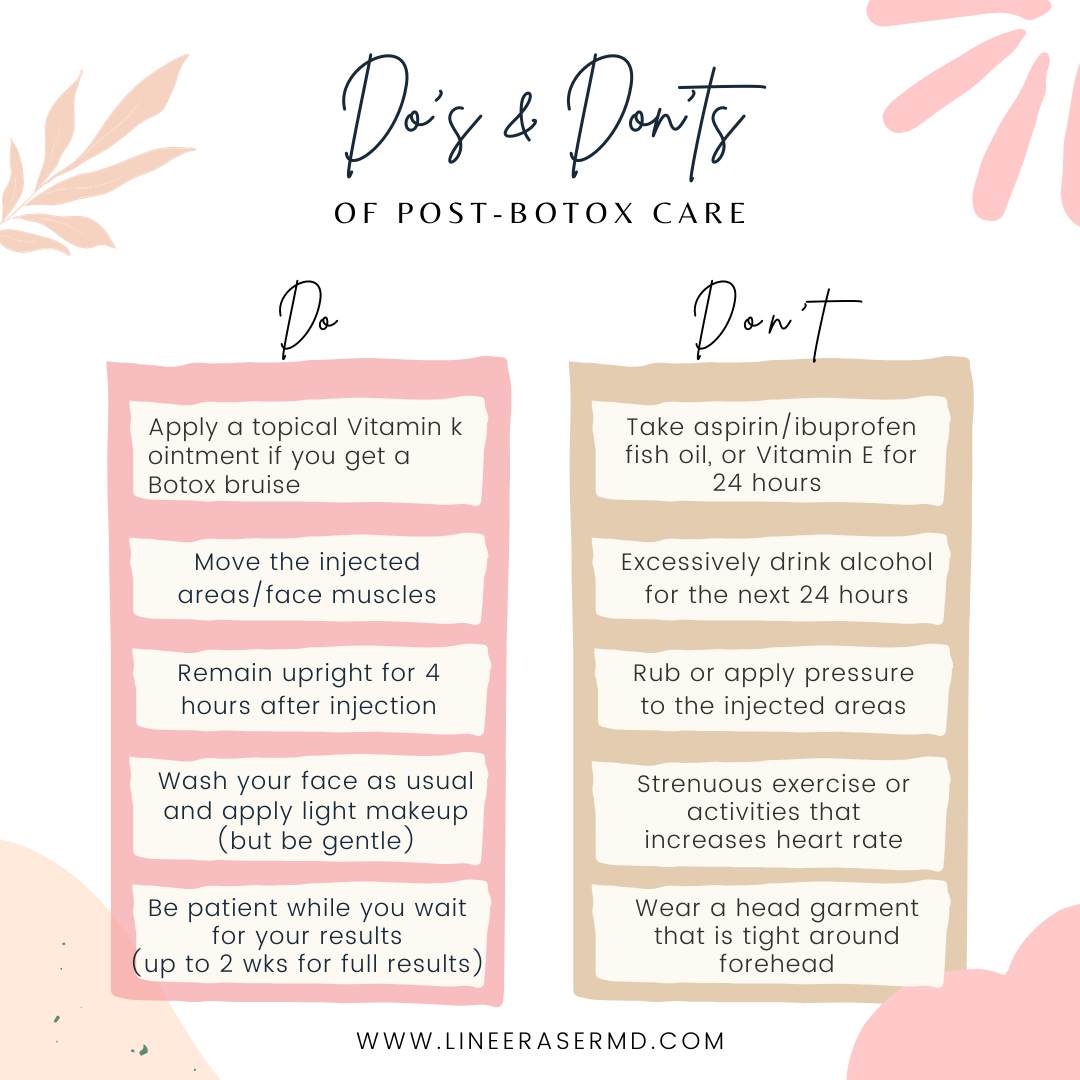
Image Source: www.lineerasermd.com
The Science Behind the Wait: Why Timing Matters
Botox works by temporarily blocking nerve signals that cause muscle contractions. When injected, the toxin needs a little time to settle into the muscle tissue. This settling period is crucial for ensuring the Botox stays where it’s intended and doesn’t migrate to unintended areas.
How Botox Works in Muscles
Botox is injected into specific muscles. Once in place, it binds to nerve endings. This binding prevents the release of acetylcholine, a chemical messenger that tells muscles to contract. Without acetylcholine, the muscle relaxes, smoothing out the overlying skin.
The Importance of Settling Time
For the first few hours after treatment, the injected areas are still quite sensitive. The Botox hasn’t fully integrated into the muscle tissue. This is why certain activities, especially those involving significant facial movement or pressure, are discouraged.
When Can I Exercise After Botox? The General Timeline
The most common recommendation for resuming exercise after Botox is to wait at least 24 hours. However, some practitioners may advise a slightly longer period, up to 48 hours, especially for more vigorous activities. Always follow the specific advice given by your injector.
Initial 24-48 Hours: The Crucial Window
During this initial period, your body is focused on healing from the injections. The tiny needle pricks are closing up, and the Botox is beginning its work.
- Minimize Risk: The primary goal of this waiting period is to minimize the risk of the Botox migrating. Vigorous physical activity can increase blood flow and potentially move the toxin from the injection site.
- Avoid Pressure: Activities that involve bending over or lying flat for extended periods can also affect how the Botox settles.
Factors Influencing the Waiting Time
The exact duration of your downtime after botox for exercise can depend on several factors:
- Injection Site: Treatments around the face or neck might have different recommendations than those for other body areas.
- Individual Metabolism: How quickly your body processes the toxin can vary.
- Injector’s Protocol: Different clinics and practitioners may have slightly different post-treatment protocols.
Effects of Exercise on Botox: What to Watch Out For
The main concern with working out after botox injections is how it might affect the longevity and effectiveness of the treatment.
Potential for Migration
The biggest risk associated with exercising too soon after Botox is that the increased blood flow and physical exertion could cause the injected toxin to migrate from the intended muscle to a nearby muscle. This can lead to unwanted side effects.
- Facial Drooping: If Botox meant for forehead lines migrates to the eyelid muscles, it can cause temporary eyelid drooping (ptosis).
- Asymmetrical Results: Migration can also lead to uneven or asymmetrical results in the treated areas.
Increased Swelling and Bruising
While not directly related to Botox efficacy, strenuous physical activity after botox can exacerbate post-injection swelling and bruising. Gentle movement is usually fine, but intense workouts can increase blood pressure and potentially worsen these side effects.
Heat and Vasodilation
Intense exercise often leads to increased body heat and vasodilation (widening of blood vessels). Some believe this can also contribute to Botox migration, though the evidence is not as strong as for physical pressure and movement.
Post-Botox Exercise Guidelines: A Step-by-Step Approach
To ensure you enjoy the benefits of your Botox treatment without complications, adhere to these post-botox exercise guidelines:
Immediately After Treatment (First Few Hours)
- Avoid Rubbing or Massaging: Do not touch, rub, or massage the treated areas. This can disrupt the Botox.
- Gentle Facial Movements: Some practitioners recommend gentle facial exercises (like smiling, frowning, or raising eyebrows) for a few minutes after treatment. This can help the Botox integrate into the muscle. However, avoid any movements that cause significant pulling or stretching.
- Stay Upright: Try to remain in an upright position as much as possible. Avoid lying down or bending over excessively.
First 24-48 Hours: What to Avoid
This is the critical period for exercise restrictions after botox.
- Strenuous Activity: This includes high-intensity interval training (HIIT), heavy weightlifting, running, and intense cardio.
- Activities Involving Head Down Position: Yoga poses that invert the body, prolonged bending over (like during weightlifting or certain stretches), and lying flat for long periods are best avoided.
- High-Impact Sports: Sports that involve a lot of jumping or jarring movements could potentially affect the injected areas.
- Saunas and Hot Tubs: Excessive heat can increase blood flow and potentially affect Botox. It’s best to avoid these for at least 24 hours.
Safe Exercise Post-Botox: What You Can Do
While you need to be cautious, you don’t have to be completely sedentary.
- Light Walking: A gentle stroll is generally considered safe and can even be beneficial for circulation.
- Light Stretching: Gentle, full-body stretches that don’t involve inverting the head or putting pressure on the face are usually fine.
- Low-Intensity Activities: Activities like light yoga (avoiding inversions), tai chi, or very gentle Pilates can be suitable after the initial 24-hour period.
After the Initial Waiting Period (After 24-48 Hours)
Once the initial waiting period has passed, you can gradually resume your normal exercise routine.
- Listen to Your Body: Pay attention to how you feel. If you experience any unusual sensations or discomfort, scale back.
- Gradual Return: If you’re concerned, ease back into your workout routine rather than jumping into your most intense sessions immediately.
- Hydration: Staying well-hydrated is always important, especially after injections.
Botox and Strenuous Activity: Understanding the Nuances
Botox and strenuous activity is a common area of concern for those who regularly engage in high-intensity workouts. The key is the timing of these activities relative to the injections.
Why Strenuous Activity Poses a Higher Risk
Strenuous activity significantly increases heart rate and blood pressure. This can:
- Increase Blood Flow: More blood circulating can potentially carry the unbound Botox molecules to unintended areas.
- Cause Facial Contractions: Some strenuous activities, like heavy lifting, can involve significant facial muscle engagement and straining, which might influence the settling of Botox in facial muscles.
Specific Activities to Be Mindful Of
- Weightlifting: Especially exercises that require holding your breath and straining (like the Valsalva maneuver).
- Running/Sprinting: High impact and increased cardiovascular demand.
- HIIT Classes: Combines intense bursts of activity with minimal rest.
- Contact Sports: High risk of facial impact.
Effects of Exercise on Botox Longevity
While the primary concern with early exercise is migration, there’s also a question of whether effects of exercise on botox can impact its overall duration.
No Direct Impact on Muscle Uptake
Once Botox has properly settled into the muscle, regular exercise generally does not affect how long it lasts. The toxin blocks the nerve signals, and this blockage will wear off over time due to natural biological processes, regardless of your activity level.
Indirect Effects
- Muscle Strengthening: If you engage in regular exercise that strengthens the muscles where Botox was injected, the muscle may become more resistant to the effects of Botox over time, potentially making the results appear to wear off slightly faster. This is more of a long-term consideration than an immediate post-injection issue.
Downtime After Botox for Exercise: Practical Tips
Minimizing downtime after botox for exercise is about smart planning and following your injector’s advice.
Preparing for Your Appointment
- Schedule Wisely: If you have an important workout or event coming up, try to schedule your Botox treatment a few days in advance to allow for recovery.
- Avoid Certain Medications: Discuss any blood-thinning medications or supplements (like aspirin, ibuprofen, vitamin E) with your doctor, as these can increase bruising.
What to Expect Post-Treatment
- Minor Swelling/Bruising: It’s normal to have some minor swelling or bruising at the injection sites.
- Temporary Discomfort: You might feel a slight tenderness or a mild headache.
Tips for a Smooth Recovery
- Stay Hydrated: Drink plenty of water.
- Cold Compresses: Use cold compresses gently on the treated areas to reduce swelling, but avoid direct pressure on the injection sites.
- Avoid Alcohol: Alcohol can increase the risk of bruising.
Botox Recovery and Physical Activity: A Summary
Botox recovery and physical activity require a balanced approach. The initial period is about letting the treatment settle, while later, your normal fitness routine can resume without significant concern for the Botox itself.
Summary Table: Exercise Recommendations
| Activity Type | Recommendation | Reasoning |
|---|---|---|
| High Intensity | Avoid for 24-48 hours | Risk of Botox migration, increased swelling/bruising |
| Moderate Intensity | Avoid for 24 hours, then resume cautiously | Reduced risk of migration, but still monitor for swelling |
| Low Intensity | Generally permissible after 24 hours (avoid inversions) | Minimal impact on circulation and pressure on treated areas |
| Head Down Poses | Avoid for 24-48 hours | Potential for Botox migration due to gravity and increased blood flow |
| Facial Massage | Avoid for 24-48 hours | Direct manipulation can displace injected toxin |
| Heat Exposure | Avoid saunas/hot tubs for 24 hours | Can increase blood flow and potentially affect settling, exacerbates swelling |
Frequently Asked Questions (FAQ)
Q1: Can I go to the gym after Botox?
A1: It’s best to wait at least 24 hours, preferably 48 hours, before going to the gym, especially for strenuous workouts. Light activities like walking are usually fine sooner.
Q2: What happens if I exercise too soon after Botox?
A2: Exercising too soon can potentially cause the Botox to migrate from the intended muscle to a nearby one. This could lead to uneven results or unwanted side effects like temporary eyelid drooping.
Q3: Is light walking okay after Botox?
A3: Yes, light walking is generally considered safe and can be done shortly after your injections, as long as you don’t feel lightheaded or uncomfortable.
Q4: Can I do yoga after Botox?
A4: You can do yoga, but it’s advisable to avoid inversions (poses where your head is below your heart) and strenuous poses for the first 24-48 hours. Gentle, upright yoga is safer.
Q5: How long does it take for Botox to start working?
A5: Botox typically begins to show results within 3-7 days, with full effects usually visible around 10-14 days after treatment.
Q6: Can I run after Botox?
A6: It’s recommended to wait at least 24-48 hours before engaging in running or other strenuous cardio activities.
Q7: Are there any exercises that are especially risky after Botox?
A7: Yes, high-intensity interval training (HIIT), heavy weightlifting, and any activity that causes significant straining or facial muscle contraction are generally considered higher risk in the immediate post-treatment period.
Q8: Will sweating affect my Botox treatment?
A8: Mild sweating from light activity is unlikely to affect your Botox. However, excessive sweating from very intense exercise, combined with other factors like heat, might be a concern for migration in the first 24-48 hours.
Q9: How long should I wait to get a massage after Botox?
A9: It’s best to avoid facial massages for at least 24-48 hours after Botox injections to prevent displacement of the product.
Q10: Will exercise make my Botox wear off faster?
A10: Once Botox has settled, regular exercise does not typically impact its longevity. The effects wear off due to natural bodily processes.
By adhering to these guidelines, you can maximize the benefits of your Botox treatment and enjoy a smooth recovery while continuing your active lifestyle. Always consult with your healthcare provider for personalized advice.