
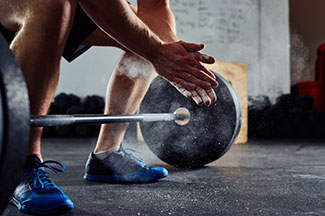
Image Source: www.athletebloodtest.com
Can You Exercise After A Blood Test? What You Need To Know
After a blood test, you might wonder if it is safe to exercise. Can you exercise after a blood test? Yes, generally, light exercise is fine after a blood draw. However, it is wise to be careful. You should avoid hard or intense physical activity for some time. This helps prevent problems like bruising or bleeding. The right kind of activity and knowing when to resume exercise are key. This guide will help you make safe choices for your body after your blood sample is taken.
Why Care Matters After a Blood Draw
When you have a blood test, a small needle goes into your vein. This is often in your arm. This process is called venipuncture. It creates a tiny hole in your blood vessel. Your body then works to close this hole. It forms a small clot. This clot helps stop bleeding. If you move your arm too much or too hard, this clot can get disturbed. This can lead to issues like bleeding or bruising. Your body needs a little time to heal the spot.
Immediate Care After Your Blood Test
Right after your blood is drawn, the person taking the blood will give you instructions. It is very important to follow these steps. They help your body heal quickly and safely.
- Apply pressure: You will be asked to press firmly on the site. Do this for at least 3 to 5 minutes. Some suggest longer, up to 10 minutes. This helps stop bleeding. It also helps a clot form quickly.
- Keep your arm still: Try not to bend your arm at the elbow right away. Keep it straight. Bending can make the site bleed more or bruise.
- Keep the bandage on: A small bandage or cotton pad is put on the site. Keep this on for at least an hour. Some people suggest keeping it on for several hours, or even overnight. This protects the site. It also keeps pressure on it.
- Avoid heavy lifting: Do not lift heavy items with that arm. Do not push or pull anything heavy. This can strain the vein. It can cause bleeding under the skin.
Following these tips helps a lot. They set the stage for safe recovery time for exercise after blood test.
Risks of Exercising Too Soon or Too Hard
Exercising too soon or too hard after a blood test can cause problems. Knowing these risks helps you make better choices.
- Bleeding: The most common risk is bleeding. The small hole in your vein might reopen. This can lead to more blood coming out.
- Bruising: If blood leaks out of the vein, it can collect under your skin. This causes a bruise. Bruises can be small or large. They can also be painful. Hard exercise makes this worse.
- Hematoma: This is a bigger, more painful bruise. It happens when a lot of blood collects under the skin. It can cause swelling. It takes longer to heal.
- Dizziness or Fainting: Some people feel lightheaded after a blood draw. This is due to a small drop in blood volume. Exercising can make this feeling worse. It can even cause you to faint. This is more likely if you are not well-hydrated.
- Infection: While rare, any break in the skin carries a small risk of infection. Sweating or touching the site with dirty hands can increase this risk. Keeping the site clean and covered helps prevent this.
- Pain and Discomfort: The needle site can be sore. Exercising can make this pain worse. It can also make the area feel tender.
These risks highlight why workout precautions after blood draw are so important. Your body needs time to mend.
Post-Blood Test Exercise Recommendations
So, when can I resume exercise after blood test? The answer depends on the type of exercise. It also depends on how you feel. Most experts suggest waiting a short time before doing any exercise. They also suggest starting with light activity.
Light Exercise vs. Intense Workout Post Blood Sample
It is key to know the difference between light and intense exercise. This helps you choose safe activities.
Light Exercise:
* Gentle walking (not brisk)
* Stretching (gentle, not pulling on the arm)
* Light housework
* Desk work
* Leisurely cycling on flat ground
Intense Workout:
* Running or jogging
* Weightlifting (especially with the arm used for the draw)
* High-intensity interval training (HIIT)
* Contact sports (like basketball or football)
* Swimming (especially right after, due to water exposure)
* Anything that makes your heart rate very high
* Anything that puts strain on the arm or a lot of muscle groups
General Guidelines for Physical Activity After Venipuncture
Most doctors and nurses agree on a few general rules:
- Wait at least 1 hour: No exercise at all for the first hour after the blood draw. Just rest.
- First 2-4 hours: Keep the bandage on. Avoid any activity that raises your heart rate much. Avoid using the arm for heavy tasks.
- First 24 hours: Stick to very light activities. Think gentle walks. Do not lift weights. Do not do anything that causes your arm to strain.
- After 24 hours: If you feel good and have no bruising or pain, you can slowly go back to your normal routine. Start with moderate exercise. Pay attention to your body.
- After 48 hours: For most people, it is usually safe to return to full, intense workouts. This is if you have no problems at all.
This table gives a simple guide:
| Time After Blood Draw | Recommended Activity Level | Examples of Safe Activities | Examples to Avoid |
|---|---|---|---|
| 0-1 Hour | No activity | Rest, sit still | Any exercise |
| 1-4 Hours | Very Light | Gentle walking, light chores | Lifting, running |
| 4-24 Hours | Light to Moderate (careful) | Leisurely walk, gentle stretching | Heavy lifting, intense cardio |
| 24-48 Hours | Gradual Return | Moderate cardio, light weights (non-draw arm) | Heavy weights, contact sports |
| After 48 Hours | Normal routine (if no issues) | Full workout, sports | No specific restrictions if site is healed |
Always listen to your body. These are general guides. If you feel unwell, stop.
Safety Tips for Working Out After Blood Test
Even when doing light exercise, safety is key. Here are important safety tips for working out after blood test:
- Listen to Your Body: This is the most important tip. If you feel dizzy, lightheaded, or have pain at the draw site, stop exercising right away. Sit or lie down.
- Stay Hydrated: Drink plenty of water before and after your blood test. This helps replace the fluid lost. It also helps prevent dizziness. Hydration importance after blood draw and exercise cannot be overstated.
- Keep the Bandage On: As mentioned, keep the bandage on for the recommended time. It protects the site.
- Avoid Using the Affected Arm: If the blood was drawn from your right arm, use your left arm for tasks. Avoid pushing, pulling, or lifting with the right arm. This is especially true for the first 24 hours.
- Wear Comfortable Clothes: Loose clothing around the arm where blood was drawn can help. It avoids rubbing the site.
- Observe the Site: Check the blood draw site often. Look for any signs of problems.
Symptoms Exercising After Blood Work
It is important to know what symptoms might mean you pushed too hard. Or what signs mean you might need medical help.
Minor Symptoms (often resolve with rest):
* Slight tenderness at the site.
* A small, minor bruise.
* Mild ache in the arm.
* Feeling a little tired.
Symptoms that mean you should stop and rest, possibly seek advice:
* More pain than expected at the site.
* Swelling around the site.
* A large, growing bruise (hematoma).
* Continued dizziness or lightheadedness.
* Nausea.
* Feeling faint.
Symptoms that mean you need medical help right away:
* Heavy bleeding from the site that does not stop with pressure.
* Extreme pain or swelling.
* Redness and warmth around the site, which could be signs of infection.
* Pus or discharge from the site.
* Numbness or tingling in your arm or hand.
* Feeling very sick, dizzy, or actually fainting.
If you have any serious symptoms exercising after blood work, call your doctor or nurse. It is always better to be safe.
Hydration Importance After Blood Draw and Exercise
Your body is mostly water. Blood plasma, the liquid part of your blood, is about 92% water. When you have a blood test, you lose some of this fluid. Even a small amount can affect your body. This is why hydration importance after blood draw and exercise is so big.
- Replacing Fluid: Drinking water helps your body replace the fluid lost. This helps restore your blood volume. It reduces the chance of feeling dizzy or lightheaded.
- Preventing Dehydration: If you exercise after a blood test, you will sweat. This loses even more fluid. Being dehydrated makes all the risks of post-blood test exercise worse. It can make you feel weak. It can make you faint.
- Supporting Recovery: Good hydration supports your body’s overall healing process. It helps deliver nutrients to cells. It helps remove waste products. Both are key for quick recovery.
How much to drink?
Aim to drink a few extra glasses of water in the hours after your blood test. Keep sipping water throughout the day. If you plan to exercise, drink even more. Plain water is best. Avoid sugary drinks or alcohol. Alcohol can dehydrate you further.
Minimizing Bruising After Blood Test and Physical Activity
Bruising is a common side effect of a blood test. It happens when blood leaks from the vein into the surrounding tissues. Minimizing bruising after blood test and physical activity is possible with careful steps.
- Apply Firm, Constant Pressure: This is the most important step. Press firmly on the site for at least 5-10 minutes. Do not peek! Lifting your finger to check can break the forming clot.
- Keep the Arm Straight: Do not bend your elbow. Keep your arm extended. This keeps pressure on the vein. It helps the clot form well.
- Avoid Strenuous Activity: As discussed, avoid heavy lifting or intense exercise. This includes carrying heavy bags. Such actions can put strain on the vein. This makes bleeding and bruising more likely.
- Use Cold Packs (Optional): If you notice a bruise forming, you can apply a cold pack. Do this for 10-20 minutes at a time. This can help reduce swelling and blood flow. It should be done in the first 24 hours.
- Elevate the Arm: If a bruise is forming, try to keep the arm raised. This can help reduce swelling.
- Avoid Blood Thinners (if possible): If you take blood thinners, tell the person drawing your blood. They might advise a longer pressure time. Do not stop any medicine without talking to your doctor.
- Watch Certain Supplements: Some supplements, like fish oil or ginkgo biloba, can thin the blood. If you take these, discuss it with your doctor. They might increase bruising risk.
- Gentle Massage (Later): After 24-48 hours, if a bruise is present, gentle massage might help it fade faster. Do not massage if it’s still tender or painful.
Following these tips helps your body heal cleanly. It reduces the chance of a noticeable bruise.
Special Considerations
Some people need to be extra careful after a blood test.
People with Certain Medical Conditions
- Bleeding Disorders: If you have a bleeding disorder (like hemophilia) or take blood-thinning medicines, tell your doctor. You may need special care after the blood draw. You might need to press longer. You might need to avoid exercise for a longer time.
- Low Blood Pressure: People with low blood pressure might be more prone to dizziness or fainting. They should take extra care to rest and hydrate.
- Diabetes: If you have diabetes, keep an eye on your blood sugar levels. Exercise can affect them. Make sure your levels are stable before you exercise.
- Poor Veins: If you have hard-to-find veins, the draw might take longer. The area might be more sensitive. Give it extra rest.
Blood Donation vs. Regular Blood Test
A regular blood test takes a small amount of blood (a few milliliters). Blood donation takes a much larger amount (about a pint, or 470 ml).
- Regular Blood Test: The fluid loss is small. Recovery is usually quick. Light exercise is often fine within hours.
- Blood Donation: This causes a much larger fluid loss. It also removes more red blood cells. You will need more rest and hydration. Doctors advise avoiding hard exercise for at least 24 hours, sometimes longer. You are much more likely to feel dizzy or faint. Your body needs more time to replace the lost blood.
Always ask the blood bank for specific advice after donating blood.
Fathoming the Recovery Process
Your body is amazing at healing. The small hole left by a blood draw is no big deal for it. But like any small wound, it needs a little care. When you give blood, your body quickly sends cells to fix the tiny hole in your vein. It forms a plug. This plug gets stronger over time.
Exercise causes blood flow to increase. It also makes your muscles contract. If you do this too soon, it can dislodge the plug. This can cause bleeding or bruising. Giving your body enough time helps the plug become firm. This makes the vein ready for normal activity.
Think of it like gluing two pieces of wood together. You need to hold them still for a while. If you move them too soon, the glue will not hold. The same is true for your vein.
When Can I Resume Exercise After Blood Test? A Recap
To summarize, for most people:
- First 1-4 hours: No exercise. Rest. Keep pressure on the site.
- Next 20-24 hours: Light exercise only. Gentle walking. No heavy lifting with the arm used for the draw.
- After 24-48 hours: Slowly return to normal exercise. Only if you feel well. Watch for any pain or bruising.
- After 48 hours: Most people can resume all normal activities.
Always be careful. Your body will tell you what is right. If you have any doubt, do not exercise. Wait another day. Or ask your doctor or nurse. Your health is more important than missing one workout.
Frequently Asked Questions (FAQ)
Q1: Can I lift weights after a blood test?
A1: No, not right away. Avoid lifting weights, especially with the arm used for the draw, for at least 24 hours. Lifting can strain the vein and cause bleeding or bruising. Wait 48 hours before doing heavy lifting if you can.
Q2: What if I feel dizzy after exercising post-blood test?
A2: Stop exercising immediately. Sit or lie down. Drink water. If dizziness continues or you feel faint, seek medical help. This might mean you need more rest or hydration.
Q3: Is it okay to go for a run after a blood test?
A3: No, running is a moderate to intense activity. It raises your heart rate and puts strain on your body. It is best to wait at least 24 hours before running. Some prefer to wait 48 hours.
Q4: How long should I keep the bandage on?
A4: Keep the bandage on for at least an hour. Some clinics suggest 4 to 6 hours, or even overnight. Follow the advice given by the person who drew your blood.
Q5: Can I swim after a blood test?
A5: It is best to avoid swimming for at least 24 hours. The water can soften the bandage. It can also expose the site to germs. This increases the risk of infection.
Q6: What does “light exercise” mean in this context?
A6: Light exercise means activities that do not make your heart rate very high. They do not put strain on the arm used for the blood draw. Examples include slow walking, gentle stretching, or light household tasks.
Q7: Should I drink extra water before my blood test?
A7: Yes, staying well-hydrated before a blood test can make the veins easier to find. It can also help prevent feeling dizzy afterward. Drink plenty of water in the hours leading up to your test.
Taking care of your body after a blood test is a simple but important step. By following these guidelines, you can ensure a smooth recovery. You can also prevent problems. Always put your health first.