
Yes, you absolutely can pursue a career as a Physical Therapist Assistant (PTA) if you have an Exercise Science degree. An Exercise Science background provides a strong foundation for PTA school because it covers many related topics like anatomy, physiology, and the science of movement. Having this degree can make you a good candidate for PTA programs, but it is important to know you must still complete an accredited Physical Therapist Assistant program to become a licensed PTA.
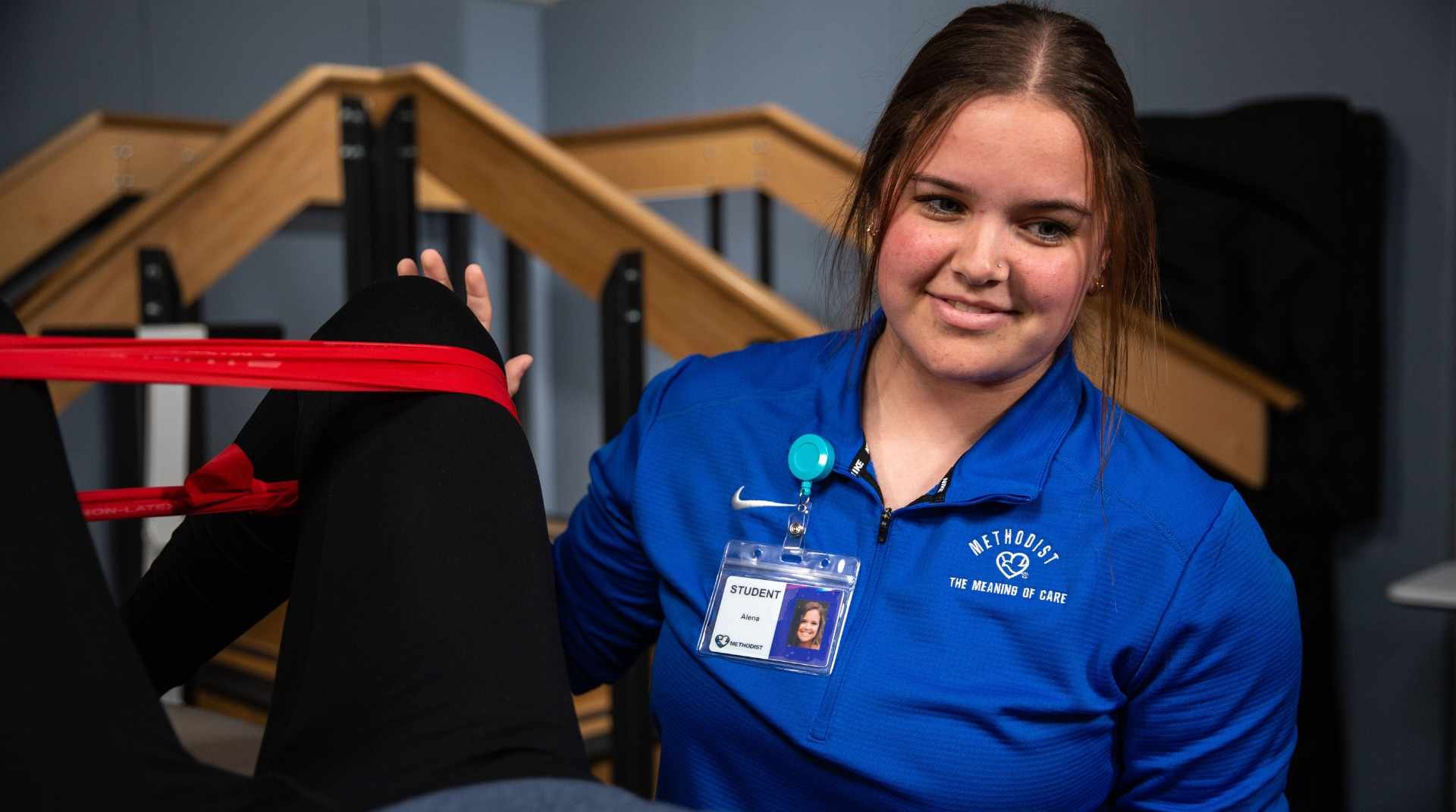
Image Source: blog.methodistcollege.edu
Seeing the Link Between Exercise Science and PTA
Exercise Science is all about how the body moves and responds to physical activity. It looks at muscles, bones, the heart, lungs, and how they work together during exercise. This is very similar to what a PTA does every day. PTAs help people get stronger and move better after injury or illness. They use exercise and other methods.
Your Exercise Science degree likely taught you important things. You learned about the human body. You studied different kinds of exercise. You might have learned how to design simple exercise plans. You may have worked with people to help them reach fitness goals. All these skills are useful for a PTA.
The knowledge from your degree acts like a head start. You already know some of the science behind physical movement. You understand why exercise is good for health. You may know about different muscles and bones. This means some parts of PTA school might feel familiar. This makes the exercise science degree pathway to PTA a smart choice for many.
The Right Path to Become a PTA
To work as a PTA, you cannot just use your Exercise Science degree. You must finish a special school program. This is called a Physical Therapist Assistant program. These programs are usually offered at community colleges, technical schools, or some universities.
It is very important that the program is approved. It needs to be accredited by CAPTE. CAPTE stands for the Commission on Accreditation in Physical Therapy Education. If a program is not accredited by CAPTE, you cannot get a license to work as a PTA. So, checking for CAPTE approval is the first step when looking at physical therapist assistant education options.
Most CAPTE-accredited PTA programs give you an Associate’s degree. They usually take about two years to finish if you go to school full-time. The program includes classroom learning, lab work where you practice skills, and clinical experiences where you work with real patients under supervision.
Finding Required Classes for PTA School
PTA programs have classes you must finish before you can even apply. These are called prerequisite classes. Think of them as entry tickets. You need to show you have learned certain basic things before starting the PTA program itself. For people with an Exercise Science degree, many of these PTA program prerequisites for exercise science majors might overlap with classes you already took.
Common prerequisite classes include:
- Anatomy and Physiology (A&P): This teaches you about the body’s parts and how they work. It’s usually a class that lasts two semesters or quarters. Your Exercise Science program likely required A&P.
- Biology: A basic science class about living things.
- Chemistry: A basic science class about matter and its properties.
- Physics: A basic science class about energy and force. Some PTA programs need this, but not all.
- Psychology: Helps you understand how people think and behave. This is important when working with patients.
- English Composition: Teaches you how to write clearly.
- Math: Usually college algebra or a similar level.
The exact list of required coursework for PTA programs exercise science students need can be different for each school. This is a key point. Just because you took a class like “Exercise Physiology” in your degree does not always mean it will count for the “Physiology” prerequisite at a specific PTA school.
You need to check the prerequisite list for each PTA program you are interested in. Look at their website or ask the admissions office. They will have a list of the courses they need and the minimum grade you must get (often a ‘B’ or better).
Seeing if Your Classes Count
Some of your Exercise Science classes might count towards the PTA prerequisites. For example:
- Your A&P classes are very likely to count if they cover the same topics as the school’s required A&P.
- Your Exercise Physiology class might count for a Physiology requirement, or it might be seen as extra helpful knowledge.
- Basic science classes like Biology or Chemistry might count if they match the level needed.
- Psychology or English classes from your degree will likely count if they meet the requirement.
To find out for sure if exercise science courses counting towards PTA requirements is possible for you, you must:
- Get official copies of your college transcripts.
- Find the specific prerequisite list for the PTA programs you want to apply to.
- Compare your transcript to their list.
- If you are unsure, contact the admissions office or the PTA program director at the school. They can look at your transcript and tell you which courses will count and which you still need to take.
Sometimes, an Exercise Science course is similar but not exactly what the PTA program requires. For instance, an “Anatomy for Kinesiology” class might be different from a “Human Anatomy” class required by a PTA program. You might need to take an extra class or two before you can apply.
Here is a simple table showing how Exercise Science courses might match common PTA prerequisites. Remember, this is just a general guide. You must check with the specific schools.
| Common PTA Prerequisite | Typical Exercise Science Course | Does it Likely Count? | Important Note |
|---|---|---|---|
| Anatomy & Physiology I | Human Anatomy, Physiology I | Often Yes | Must be a full A&P series (usually two parts). Check course descriptions. |
| Anatomy & Physiology II | Human Physiology, Exercise Physiology | Often Yes | Must be a full A&P series. Exercise Phys might count for Phys II or be extra credit. |
| Biology | General Biology | Sometimes Yes | Check if the PTA program needs a specific type or level of biology. |
| Chemistry | General Chemistry, sometimes Exercise Chem | Sometimes Yes | Check if the PTA program needs a specific type or level of chemistry. |
| Physics | Less common in ExSci | Usually No | Most PTA programs needing Physics require a standard college Physics course. |
| Psychology | General Psychology, Exercise Psychology | Often Yes | General Psychology is usually needed. |
| English Composition | College Writing, English 101 | Often Yes | Most standard English comp classes count. |
| College Math | College Algebra, Statistics | Sometimes Yes | Depends on the level of math required by the PTA program. |
As you can see, your Exercise Science degree gives you a solid base, especially in A&P. But you may still need to take other science or general education classes to meet all the accredited PTA programs prerequisites.
Applying to PTA Programs
Getting into a PTA program can be competitive. Having an Exercise Science degree helps show that you are interested in health and movement. But you need more than just the degree to stand out.
Here are common things PTA schools look at when you are applying to PTA school with exercise science background:
- Your Grades (GPA): Schools look at your overall college grades. They pay special attention to your grades in the prerequisite science classes. A higher GPA makes you a stronger applicant.
- Observation Hours: Almost all PTA programs require you to spend time watching physical therapists and physical therapist assistants work. This is called observation hours. It shows you understand what the job is really like. You usually need a certain number of hours (e.g., 40, 80, or more) in different settings (like a hospital, a clinic, a nursing home). You must find places willing to let you observe and have them sign papers to prove your hours. Start arranging these hours early!
- Essays: You will likely write an essay explaining why you want to be a PTA and why you are a good fit. Your Exercise Science background is perfect to talk about here. You can write about how your degree showed you the power of movement and made you want to help people in a more direct way.
- Letters of Recommendation: You will need letters from people who know you well and can talk about your skills and character. Good people to ask include college professors (especially science ones), supervisors from jobs or volunteer work, or physical therapists/PTAs you observed.
- Interviews: Some programs require an interview. This is your chance to talk about your passion for the field and how your Exercise Science knowledge prepares you.
- Other Experiences: Any experience working with people, especially in a healthcare or fitness setting, is valuable. This could be volunteering, working as a fitness trainer, or coaching.
The PTA school admission requirements exercise science graduates face are the same as for anyone else. Your degree gives you a good starting point for the prerequisite classes and shows a relevant interest. But you still need to meet all the other requirements, especially getting enough observation hours.
Moving from Exercise Science to PTA
Many people with Exercise Science degrees find that the career change from exercise science to physical therapy assistant is a natural step. Why do people make this switch?
- More Direct Patient Care: While Exercise Scientists often work with people (coaching, training), PTAs work directly with patients who need help recovering from injury or illness. This involves hands-on care, helping with specific exercises prescribed by a physical therapist, and seeing clear progress in patients. If you enjoy helping people one-on-one with health challenges, PTA might be a better fit.
- Different Job Duties: Exercise Scientists might focus on fitness, performance, or research. PTAs focus on rehabilitation and restoring movement and function for people with medical issues. The day-to-day tasks are different.
- Job Market and Stability: The job market for PTAs is strong. As the population gets older, more people need physical therapy services. This means there are many job openings for PTAs. The work is often stable and well-paying.
- Clear Career Path: The path to becoming a licensed PTA is clear: finish an accredited program, pass a national exam, and meet state requirements.
Making this change means going back to school for the PTA program. It requires time, effort, and money, just like getting your first degree. But for many, the chance to work directly in healthcare, helping people recover and improve their lives, is worth the investment. Your Exercise Science background gives you an advantage in understanding the core concepts of movement and exercise used in physical therapy.
How to Pick a PTA Program
Choosing the right PTA program is a big decision. Here are important things to think about:
- CAPTE Accreditation: This is the most important thing. Make sure the program is fully accredited by CAPTE. You can find a list of accredited programs on the CAPTE website.
- Location: Where is the school located? Do you need to move? Is it close enough to commute?
- Prerequisite Match: Look closely at their prerequisite list. How many of your Exercise Science classes will count? How many extra classes do you need to take before applying?
- Cost: How much does the program cost? Factor in tuition, fees, books, and living expenses. Look into financial aid options.
- Program Length and Format: Is it a full-time program (usually 2 years)? Are there part-time options (which take longer)? Does it fit with your life and work schedule?
- Application Deadlines: When are applications due? Do you have enough time to get all prerequisites and observation hours done?
- Program Reputation and Outcomes: What do current or past students say about the program? What percentage of students finish the program? What percentage pass the national licensing exam? What percentage find jobs after graduating? This information is often on the program’s website.
- Clinical Experiences: Where do students go for their clinical training? Do they have good partnerships with local hospitals, clinics, and other facilities?
Take your time to research different programs. Contact their admissions offices with your questions about prerequisites and the application process.
Learning Inside a PTA Program
What will you study in a PTA program? It builds on some of the science you learned in Exercise Science but goes much deeper into the medical and clinical parts of physical therapy.
Courses often include:
- Advanced Anatomy and Physiology: You will learn specific details about muscles, nerves, and joints related to injuries and conditions.
- Kinesiology: More in-depth study of how the body moves, joint mechanics, and muscle actions.
- Clinical Pathology: Learning about common diseases, injuries, and conditions that PTAs help treat (like strokes, broken bones, back pain, sports injuries).
- Therapeutic Exercise: Learning how to use specific exercises to help patients regain strength, flexibility, balance, and coordination. This builds on your Exercise Science knowledge but is applied in a clinical way for specific patient needs.
- Therapeutic Modalities: Learning about tools like heat, cold, ultrasound, or electrical stimulation used in therapy.
- Patient Care Skills: Learning how to safely move patients, use equipment like walkers or crutches, and work with different types of people.
- Medical Terminology: Learning the language of healthcare.
- Ethics and Laws: Understanding the rules and professional standards for PTAs.
A big part of a PTA program is the clinical experience. You will spend many hours working directly with patients in different healthcare settings under the supervision of a licensed physical therapist or PTA. This is where you put what you learned in class into practice. It is a very important part of your education and helps you get ready for your first job.
Finding Work as a PTA
After finishing your accredited PTA program and passing the national licensing exam (called the NPTE-PTA) and any state requirements, you can start looking for a job. The job outlook for PTAs is very good.
PTAs work in many different places:
- Hospitals
- Outpatient clinics (where patients come for appointments and go home)
- Skilled nursing facilities (nursing homes)
- Rehabilitation centers
- Home health agencies (treating patients in their homes)
- Schools
- Sports medicine clinics
Your Exercise Science background can be a plus when applying for jobs. You can show that you have a strong base in exercise principles and a passion for helping people move better.
Wrapping It Up
Having an Exercise Science degree is a great starting point if you want to become a Physical Therapist Assistant. Your degree gives you useful knowledge about the body and exercise, which are key parts of a PTA’s job.
However, the Exercise Science degree alone is not enough to work as a PTA. You must complete an accredited Physical Therapist Assistant program. This usually takes about two years and results in an Associate’s degree.
Your Exercise Science classes, especially anatomy and physiology, may count towards the prerequisite courses for PTA programs. But it is very important to check the specific requirements of each program you are interested in. You may need to take a few more science or general education classes before applying.
Making the switch from Exercise Science to PTA is a common and good choice for many. It leads to a hands-on healthcare career with strong job prospects, focused on helping people improve their lives through movement and recovery. With your Exercise Science foundation and the right accredited education, you can definitely become a successful Physical Therapist Assistant.
Frequently Asked Questions (FAQ)
h4 Can my Exercise Science classes count for PTA school?
Yes, some of your Exercise Science classes, like Anatomy and Physiology, are likely to count towards PTA program prerequisites. However, you must check the specific requirements of each PTA program you want to apply to. Prerequisite lists vary between schools. Get your transcript reviewed by the school’s admissions office if you are unsure.
h4 Is exercise science a good major for PTA school?
Yes, Exercise Science is considered a good major for preparing for PTA school. It provides a strong knowledge base in anatomy, physiology, biomechanics, and exercise principles, which are core to physical therapy. This background can give you an advantage in the challenging science coursework of a PTA program.
h4 How long is a PTA program?
Most accredited Physical Therapist Assistant programs are Associate’s degree programs that take about two years to complete if you attend full-time. This includes classroom learning, lab practice, and hands-on clinical experiences.
h4 Do I need observation hours to apply to PTA school?
Yes, almost all PTA programs require applicants to complete observation hours in physical therapy settings. This helps show that you understand the PTA role and are committed to the field. The required number of hours varies by program.
h4 Is an Exercise Science degree enough to work as a PTA?
No, an Exercise Science degree is not enough to work as a licensed PTA. You must successfully complete an accredited Physical Therapist Assistant program (usually resulting in an Associate’s degree) and pass a national licensing exam and any state-specific requirements.
h4 Is it hard to get into PTA school with an Exercise Science degree?
PTA programs can be competitive. While your Exercise Science degree is a strong asset and covers relevant material, admission also depends on your grades (GPA), your performance in prerequisite classes, the number and quality of your observation hours, your application essay, and letters of recommendation. Your degree helps, but you still need to meet all admission requirements.
h4 What are the typical PTA program prerequisites for exercise science majors?
Typical prerequisites often include Anatomy & Physiology I & II, Biology, Chemistry, Psychology, English Composition, and College Math. You may have taken many of these in your Exercise Science degree, but you need to confirm they match the specific requirements of the PTA programs you are applying to.
h4 What are the physical therapist assistant education options?
The primary education option is completing a CAPTE-accredited Physical Therapist Assistant program. These programs are usually Associate’s degree programs offered at community colleges or technical schools. Some universities also offer them.