
Image Source: www.entlubbock.com
Can U Exercise After Botox? Get Your FAQs Answered!
Can you exercise after Botox? No, not right away. It is very important to wait. Early exercise after Botox can cause problems. It can make the Botox move from where it should be. This can lead to bad results. This guide will tell you all you need to know about exercising after Botox. We will answer your questions and give you clear rules.
The Science Behind Waiting After Botox
Botox is a popular treatment. It makes lines and wrinkles on your face look better. It works by making your muscles relax. A doctor injects a small amount of Botox into specific muscles. This stops the muscles from moving too much. When the muscles relax, your skin gets smooth.
Botox needs time to settle. After an injection, the liquid Botox is still moving. It is not yet fully fixed in the muscle. This settling takes a little time. If you move too much, the Botox can spread. It can go to muscles it should not touch. This is called Botox migration. It is something you want to avoid.
Your body’s blood flow also plays a part. When you exercise, your heart beats faster. More blood moves through your body. This includes your face. This increased blood flow after Botox can push the Botox around. It can move it away from the target area. This makes the treatment less effective. It can also cause side effects.
The Dangers of Early Exercise
It is tempting to get back to your normal routine right away. But exercising too soon after Botox has real risks. Knowing these risks helps you make good choices.
Risks of Exercising After Botox
- Botox Migration: This is the biggest risk. Botox needs to stay in a small area. If it moves, it can affect nearby muscles. For example, if Botox for frown lines moves, it might cause a droopy eyelid. Or it could make your smile uneven. This means bad cosmetic results. It can also make your face look odd.
- Increased Blood Flow: As mentioned, exercise boosts blood flow. This extra blood flow can carry the Botox away. It can lessen the effect on your target muscles. This means your wrinkles might not smooth out as much. Or the effect might not last as long.
- Bruising After Botox Exercise: Botox injections can cause some small bruising. Exercise makes blood vessels wider. It increases blood pressure. This can make bruising much worse. You might see more bruising or longer-lasting bruises. This is a common problem with early activity.
- Poor Results: In the end, all these risks mean the Botox may not work well. You spend time and money on a treatment. You want it to give you the best look. Not following the rules means you might not get the look you want.
Post-Botox Exercise Guidelines: The Golden Rules
Your doctor will give you specific Botox aftercare advice. Always follow their words. But here are general rules to keep you safe. These are your post-Botox exercise guidelines.
How Long to Wait After Botox for Exercise
This is a common question. The general rule is to wait at least 24 hours. Some doctors suggest waiting 48 hours. Why the difference? It depends on the person and the area treated.
- 24-Hour Wait: This is the minimum. It lets the Botox start to bind to the muscles. It begins to settle in place.
- 48-Hour Wait: Many doctors prefer this. It gives more time for the Botox to set. It greatly lowers the risk of movement. If you can, wait 48 hours. It is safer.
During this time, avoid any activity that makes your heart race. Avoid anything that puts pressure on your face.
Head Position After Botox Injections
This is very important right after your treatment.
* Stay Upright: For at least 4 hours after Botox, stay upright. Do not lie down. Do not bend your head forward.
* Avoid Bending: Do not bend over to tie your shoes. Do not clean low spots. These actions can send blood to your face. They can also put pressure on the injection sites. This could make the Botox move.
* No Lying Down: Do not take a nap. Do not lie on a couch. Stay sitting or standing. This helps the Botox settle where it should.
Gentle Activities You Can Do
During the waiting period, you do not need to sit still completely. Some activities are fine.
* Light Walking: A slow, easy walk is okay. It should not make you breathe hard. It should not raise your heart rate much.
* Light Chores: Simple tasks around the house are fine. These include things like washing dishes or folding clothes. Just avoid bending or heavy lifting.
* Gentle Stretching: Very light stretches that do not strain your face or body are usually safe. Think slow, easy movements.
The key is to keep your heart rate low. Avoid anything that causes sweating. Do not do anything that makes you grunt or strain.
Workout Restrictions After Botox
Certain types of exercise are risky after Botox. These are the workout restrictions after Botox.
* High-Intensity Exercise: Anything that gets your heart pumping fast. This includes running, jumping, or fast cycling.
* Heavy Lifting: Picking up heavy weights. This makes you strain. It raises blood pressure in your head.
* Inverted Poses: Yoga or Pilates poses where your head is below your heart. Examples are downward dog or headstands.
* Swimming: The pressure of the water. The need to hold your breath. This can affect the treated areas.
* Activities That Jar Your Head: Things like dancing with lots of head movements. Or sports that involve bouncing.
* Contact Sports: Any sport where you might get hit in the face. This is a clear no-go.
These activities greatly increase the risk of Botox migration and bruising.
A Closer Look at Specific Exercises
Let’s break down why some popular exercises are bad after Botox. This helps you comprehend the rules better.
Vigorous Activity After Botox
“Vigorous activity” means hard exercise. It is anything that makes you sweat and breathe hard.
* Running and Sprinting: These cause a lot of movement. They make your heart pump very fast. This sends a rush of blood to your face. This can move the Botox.
* HIIT (High-Intensity Interval Training): These workouts are designed to be intense. They involve short bursts of very hard exercise. This is exactly what you want to avoid. The sudden changes in heart rate are risky.
* Spinning or Cycling: These can be very high-energy. They make your blood flow rapidly. The quick movements can also be a problem.
* Team Sports: Playing sports like basketball, soccer, or tennis. These involve quick, jerky movements. They also have a risk of getting hit.
You must avoid these types of exercise for at least 24-48 hours. This time allows the Botox to become stable in your muscles.
Yoga and Pilates After Botox
Many people think yoga and Pilates are gentle. For some moves, they are. But many poses are not safe after Botox.
* Inverted Poses: Any pose where your head is lower than your heart is bad. This includes downward dog, handstands, or any inversion. These poses send a lot of blood to your face. This can push the Botox to unwanted areas.
* Lying Down: Many Pilates moves involve lying down. If done within the first 4 hours, this is a risk. You need to stay upright.
* Straining: Some poses need strength and can cause straining. This can raise your blood pressure. This, again, can lead to Botox movement.
It’s best to avoid all yoga and Pilates for at least 24-48 hours. When you return, start slowly. Pick poses that keep your head above your heart.
Weightlifting After Botox
Lifting weights, especially heavy ones, is risky.
* Straining: When you lift heavy, you often strain. You might grit your teeth. You might hold your breath. This makes the blood pressure in your head go up a lot. This increased pressure can cause the Botox to spread.
* Facial Expressions: Many people make strong faces when lifting. This can be bad. It can also cause the Botox to move.
* Bending Over: Many weightlifting exercises involve bending over. This is not good in the first few hours.
Avoid all heavy weightlifting for at least 24-48 hours. Light weights might be okay if done very gently after 24 hours. But it’s safer to wait.
Beyond Exercise: General Botox Aftercare Tips
Botox aftercare means more than just avoiding exercise. These steps also help make sure your Botox works best.
Other Important Botox Aftercare Steps
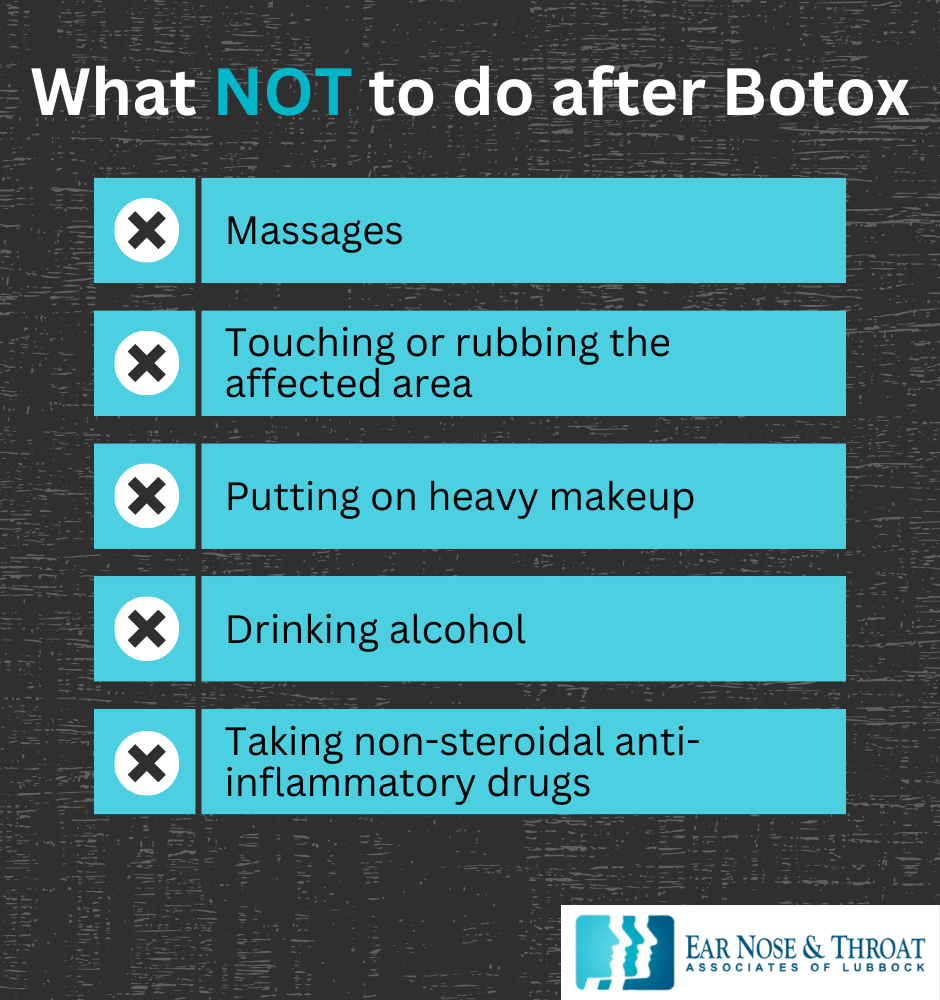
- Do Not Touch or Massage the Treated Area: This is very important. After Botox, do not rub, touch, or massage your face. This can make the Botox move. It can push it to other muscles. It is best to avoid touching for at least 24 hours. Be gentle when washing your face.
- Avoid Alcohol and Blood Thinners: Alcohol can thin your blood. So can certain medicines like ibuprofen or aspirin. These can increase bruising. Try to avoid them for a day or two before and after your treatment. Always talk to your doctor about your medicines.
- Stay Out of Extreme Heat: Avoid saunas, hot tubs, and very hot showers. Heat increases blood flow. This can cause the Botox to move. It can also make swelling worse. Stay away from heat for at least 24 hours.
- Do Not Wear Tight Hats or Headbands: If you had Botox in your forehead or around your eyes, avoid tight headwear. Pressure on the treated area can also cause Botox to spread.
- Avoid Other Facial Treatments: Do not get facials, chemical peels, or microdermabrasion right after Botox. Wait at least a week or two. These treatments can put pressure on your face. They can also disturb the Botox.
- Make Facial Expressions: While you should not rub, it is good to gently move your treated muscles. This can help the Botox bind better. Gently frown or raise your eyebrows. Do this a few times every hour for the first few hours. But do not overdo it.
When to Worry: Signs of Trouble
Most people have no problems after Botox. But it is good to know what to watch for. Call your doctor if you see any of these signs:
- Severe Bruising or Swelling: Some light bruising is normal. But if you have very bad bruising or swelling that gets worse, call your doctor.
- Unexpected Muscle Weakness: If you feel weakness in muscles far from the injection site. For example, trouble chewing or speaking.
- Droopy Eyelid or Uneven Smile: These are signs of Botox migration. They need medical attention.
- Severe Pain or Signs of Infection: Redness, warmth, or pus at the injection site. This is rare but needs quick care.
- Trouble Breathing or Swallowing: This is very rare. But it needs emergency help right away.
Always trust your gut feeling. If something does not feel right, contact your doctor.
Your Timeline for Activity
This table gives you a simple guide for activity after Botox. Remember, this is general advice. Always follow your doctor’s specific instructions.
| Time After Botox | Allowed Activities | Activities to Avoid |
|---|---|---|
| 0-4 Hours | Sitting, standing, gentle facial movements. | Lying down, bending over, rubbing treated areas. |
| 4-24 Hours | Gentle walking (no sweating), light chores. | All vigorous exercise, heavy lifting, inverted yoga poses. |
| Avoid tight hats, extreme heat (saunas). | ||
| 24-48 Hours | Moderate exercise (if feeling well), light stretching. | High-intensity workouts, anything that jars the head. |
| Still avoid massage of treated area. | ||
| 48+ Hours | Most normal exercise routines can slowly resume. | Still avoid harsh rubbing or pressure on face for a few days. |
| 1 Week+ | All exercises, facials, and other treatments can be done. |
Frequently Asked Questions (FAQ)
Can I walk after Botox?
Yes, you can walk after Botox. But keep it light. No power walking. No fast walking that makes you breathe hard. Just a slow, easy stroll. This is okay after about 4 hours. For the first 4 hours, try to stay sitting or standing.
What if I accidentally exercised too soon?
If you worked out too soon, do not panic. Stop exercising right away. Contact your doctor. Tell them what you did. They can give you advice. Sometimes, a little exercise might not cause major problems. But it increases the risk of side effects like Botox migration or bruising. The doctor will want to know so they can watch you.
How long does it take for Botox to fully settle?
Botox starts to bind to muscles within a few hours. But it can take 24 to 48 hours for it to really settle in place. The full effect of Botox usually shows up in 5 to 14 days. This is when you will see your final results. Waiting during this initial settling time is key.
Does exercise make Botox wear off faster?
Exercising too soon after Botox can make it less effective. This is because the Botox might move. Or it might not bind to the muscles as well. So, the results might not be as good. It might seem like the Botox wore off faster. Once the Botox has settled (after 48 hours), normal exercise usually does not make it wear off faster. Regular exercise does not affect the long-term life of Botox.
Conclusion
Taking care of yourself after Botox is simple but important. Just wait 24 to 48 hours before doing hard exercise. This small wait protects your investment. It helps you get the best results. Listen to your body. Follow your doctor’s advice. This way, you can enjoy your smooth, refreshed look without worry.