
Yes, you can take L-carnitine without exercise, but its worth for goals like weight loss or fat burning is greatly reduced in the absence of physical activity. L-carnitine plays a role in moving fats for energy, but this process works best when your body is actively using energy, such as during exercise. While L-carnitine for inactive individuals might offer some general metabolic support, expecting significant L-carnitine weight loss no exercise or L-carnitine fat burning sedentary results is often unrealistic. This post will look closely at what L-carnitine does and what you can truly expect if you choose to take it without working out.
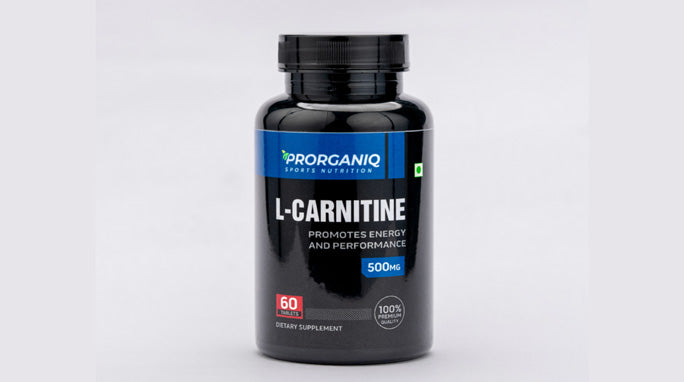
Image Source: prorganiq.com
What is L-carnitine?
L-carnitine is a natural chemical in your body. Your liver and kidneys make it. It helps turn fat into energy. It moves fatty acids into your cells’ power plants, called mitochondria. These mitochondria then burn the fats to make energy.
You also get L-carnitine from food. Meat, fish, and dairy products are good sources. For most people, the body makes enough L-carnitine. But some people take it as a supplement. They hope it will help with weight, energy, or brain health.
Taking L-carnitine as a supplement adds to what your body already has. It can help make sure enough carnitine is there to do its job. This job is key for how your body uses fat for fuel.
L-carnitine and Metabolism: The Scientific View
L-carnitine is a crucial player in your body’s energy system. Think of it as a ferry for fat. It picks up long-chain fatty acids. These are types of fat that your body uses for energy. L-carnitine then carries these fatty acids across the mitochondrial membrane. This membrane is like a gate. Once inside the mitochondria, these fatty acids get burned. This burning process creates ATP. ATP is the main energy currency of your cells.
Without enough L-carnitine, these fatty acids can’t easily get into the mitochondria. This means your body might not burn fat as well for energy. It might use other fuel sources instead, like glucose (sugar).
This process is always happening in your body, even when you are resting. Your body still needs energy to breathe, think, and keep warm. This basic energy need is called your basal metabolic rate (BMR). L-carnitine supports the use of fat for this BMR. So, L-carnitine and basal metabolic rate are linked. L-carnitine helps ensure that fats are available as fuel for your resting metabolism. This is true whether you exercise or not.
However, the speed and scale of fat burning change greatly with activity. When you exercise, your body needs a lot more energy. This makes the mitochondria work harder. More fatty acids get burned. This is why L-carnitine often gets linked to exercise. It helps meet the higher energy demand during workouts.
Does L-carnitine Work Without Exercise?
This is the big question. Does L-carnitine work without working out? The simple answer is yes, it “works” in the sense that it is still active in your body. It still moves fatty acids to your mitochondria. But, its effects on weight loss or fat burning are much smaller without exercise.
Here’s why:
* Energy Demand: Your body burns fat mostly when it needs a lot of energy. Exercise greatly increases this energy need. When you are sitting still, your energy needs are low. Your body burns fewer calories overall.
* Fuel Source: Even when inactive, your body uses some fat for energy. L-carnitine helps this process. But the amount of fat burned is tiny compared to when you are active.
* Studies Show: Most studies that show good results for L-carnitine on weight loss or fat burning also include exercise. When people take L-carnitine and exercise, they often see better results than exercise alone. But studies looking at L-carnitine weight loss no exercise usually show little to no effect. Or the effects are very small.
So, while L-carnitine effectiveness without training isn’t zero for general fat transport, it’s not likely to lead to noticeable changes in body weight or fat levels on its own. It’s like having a fuel pump (L-carnitine) ready to work. But if the engine (your body’s activity level) is barely running, not much fuel gets used.
L-carnitine for Inactive Individuals: Potential Benefits and Limits
If you lead a sedentary lifestyle, meaning you don’t move much, you might wonder about L-carnitine benefits for sedentary lifestyle. While the dramatic weight loss claims are usually tied to exercise, there might be other small advantages for L-carnitine for inactive individuals.
Let’s look at the claims of L-carnitine weight loss no exercise and L-carnitine fat burning sedentary.
L-carnitine Weight Loss No Exercise:
* Limited Evidence: Most research does not support L-carnitine causing significant weight loss on its own without changes to diet or exercise.
* Calorie Balance is Key: Weight loss happens when you eat fewer calories than you burn. L-carnitine does not significantly increase calorie burning on its own.
* Small Changes: Any reported weight changes are often minor. They are not enough to be truly helpful for most people seeking to lose weight.
L-carnitine Fat Burning Sedentary:
* Metabolic Support: L-carnitine still helps move fatty acids into cells for energy, even when you’re resting. So, your body is still “burning” some fat, and L-carnitine helps this happen.
* Not a Fat Blaster: It won’t cause your body to suddenly burn a lot more fat if you are not moving. Your fat stores are mainly reduced by creating a calorie deficit.
Possible Minor Benefits for a Sedentary Lifestyle (Non-Weight Related):
Even without weight loss, L-carnitine might offer some other benefits for inactive people. These are often subtle and still need more study:
- Cell Health: L-carnitine is an antioxidant. This means it helps protect your cells from damage. This is good for overall health, even if you are not active.
- General Metabolic Support: It ensures your body has the tools to use fat as fuel efficiently. This can be important for general metabolism and cell function.
- Heart Health: Some studies suggest L-carnitine might support heart health. This could be due to its role in energy production for heart muscle cells. This is a general benefit, not tied to activity level.
- Reducing Fatigue: In some cases, L-carnitine might help reduce feelings of fatigue. This could make it easier to start being more active later on.
Limits of L-carnitine for Inactive Individuals:
- No Substitute for Activity: L-carnitine cannot replace the many health benefits of physical activity. Exercise improves heart health, muscle strength, bone density, and mood. L-carnitine does not offer these benefits.
- Diet Still Rules: If you want to lose weight or improve health, your diet is far more important than L-carnitine. Eating less and eating healthier foods will have a much bigger impact.
- Not a Quick Fix: It is not a magic pill to make you lean without effort.
In short, while L-carnitine for inactive individuals might offer minor metabolic support, it won’t lead to noticeable L-carnitine fat reduction inactive by itself. The biggest gains from L-carnitine happen when combined with an active lifestyle and a good diet.
The “Metabolism Boost” Claim Without Exercise
Many supplements claim to give a “metabolism boost.” When we talk about L-carnitine metabolism boost no exercise, we need to be clear about what that means.
What is a Metabolism Boost?
Your metabolism is the set of chemical processes in your body that turn food into energy. A “boost” would mean your body burns more calories. This can happen in two main ways:
1. Increased Basal Metabolic Rate (BMR): Your body burns more calories at rest.
2. Increased Thermogenesis: Your body produces more heat, burning more calories.
Does L-carnitine Boost Metabolism Without Exercise?
- BMR and L-carnitine: As we mentioned, L-carnitine helps with fat transport for your L-carnitine and basal metabolic rate. It ensures that fats are moved into cells to be burned. But it doesn’t necessarily increase your BMR by a lot. Your BMR is mainly set by your body size, muscle mass, age, and genetics. L-carnitine helps your body use fat as fuel, but it doesn’t speed up the overall rate at which your body burns calories at rest.
- No Significant Thermogenesis: L-carnitine does not seem to cause a big increase in body heat or calorie burning. This is unlike some other supplements that might have stimulant effects.
- The “Efficiency” Factor: Instead of a “boost,” it’s more about “efficiency.” L-carnitine helps your body use fat more efficiently for energy. This is important for energy production, especially when energy demands are high. But when demands are low (like when you are sedentary), the effect of this improved efficiency is small.
So, while L-carnitine supports your body’s energy creation, especially from fats, it is unlikely to give you a noticeable L-carnitine metabolism boost no exercise. It won’t make your body burn significantly more calories while you’re sitting on the couch. For a true metabolism boost, physical activity and building muscle mass are much more effective. They directly increase your energy needs and BMR.
L-carnitine Dosage for Non-Exercisers
If you are thinking about taking L-carnitine and don’t exercise, finding the right dose is important. The typical doses used in studies vary. They also depend on what the L-carnitine is for.
Most studies on L-carnitine for general health or weight management use doses between 500 mg and 2,000 mg per day. Some studies go up to 4,000 mg (4 grams) per day.
For L-carnitine dosage for non-exercisers, a lower dose might be a good starting point. This is because the body’s need for extra carnitine is not high when energy demands are low.
Table: Common L-carnitine Dosage Ranges
| Purpose | Typical Daily Dose (mg) | Notes |
|---|---|---|
| General Health Support | 500 – 1,000 | Often taken with meals. |
| Fat Burning (with exercise) | 1,000 – 3,000 | Higher doses for active individuals. |
| Specific Medical Conditions | 2,000 – 4,000 | Only under doctor’s supervision. |
Important Considerations for Non-Exercisers:
- Start Low: Begin with a lower dose, like 500 mg to 1,000 mg per day. See how your body reacts.
- With Food: L-carnitine is often best absorbed when taken with food, especially carbohydrates. Carbs cause an insulin release, which helps L-carnitine get into muscle cells.
- Spread Doses: You can take your daily dose at once or split it into 2-3 smaller doses throughout the day.
- Consult a Doctor: Always talk to your doctor before starting any new supplement. This is especially true if you have any health conditions or take other medicines. Your doctor can help you find a safe and fitting L-carnitine dosage for non-exercisers. They can also tell you if it’s right for you at all.
- No Magic Pill: Remember, even a high dose of L-carnitine will not cause significant L-carnitine fat reduction inactive. It won’t make up for a poor diet or lack of exercise.
Choosing the right L-carnitine dosage for non-exercisers should be done carefully. It’s about subtle metabolic support, not quick changes.
Expected Results and Realistic Expectations
It’s vital to have real expectations about L-carnitine effectiveness without training. If you plan to take it without exercise, do not expect big changes in your body shape or weight.
What Not to Expect:
- Significant Weight Loss: You are unlikely to see a large drop in your body weight. L-carnitine does not cause weight loss on its own, especially without a calorie deficit or increased activity.
- Noticeable Fat Reduction: Do not expect to see much L-carnitine fat reduction inactive. Without exercise, your body’s demand for fat as fuel is low. So, while L-carnitine helps move fat, there’s not a higher demand to burn it.
- Increased Muscle Tone: L-carnitine doesn’t directly build muscle. Muscle growth needs resistance training and enough protein.
- Quick Fix: This is not a magic pill that allows you to ignore diet and exercise.
What You Might (Possibly) Experience (Very Minor):
- Slight Energy Feel: Some people report a subtle increase in energy or less fatigue. This is not always clear in studies for inactive people.
- Improved Metabolic Markers: There might be very small changes in some blood markers related to fat metabolism. These are not always visible on your body.
- General Well-being: If your L-carnitine levels are low for some reason (which is rare in healthy people), a supplement might help with overall cell function.
Comparing With and Without Exercise:
| Feature | With Exercise | Without Exercise |
|---|---|---|
| Weight Loss | Can support and enhance results. | Unlikely to cause significant weight loss. |
| Fat Burning | Helps optimize fat use during activity. | Very limited extra fat burning. |
| Metabolism Boost | Helps meet higher energy demands. | No significant L-carnitine metabolism boost no exercise. |
| Energy Levels | May reduce fatigue during workouts. | Any perceived energy boost is often mild. |
| Body Composition | Can support lean mass, fat loss. | No direct impact on body composition. |
| Overall Benefits | Much more pronounced and noticeable. | Very subtle, often hard to detect. |
In summary, L-carnitine effectiveness without training for visible body changes is low. If your main goal is fat loss or a body change, adding exercise and controlling your diet are far more powerful. L-carnitine on its own, especially for L-carnitine fat reduction inactive, is not an effective strategy.
Potential Side Effects and Safety
L-carnitine is generally safe for most healthy adults. This is true when taken in suggested doses. However, like any supplement, it can have side effects. And some people should avoid it.
Common Side Effects (usually mild):
- Digestive Issues: The most common side effects are stomach upset. This can include nausea, vomiting, stomach cramps, or diarrhea. These are more likely with higher doses. Taking L-carnitine with food might help.
- Body Odor: Some people report a “fishy” body odor. This happens because of how L-carnitine is broken down in the body. Lowering the dose or stopping the supplement usually fixes this.
- Headache: Rarely, some people might experience headaches.
Who Should Be Careful or Avoid L-carnitine:
- People with Kidney Disease: If you have severe kidney problems, you should not take L-carnitine unless your doctor tells you to. The kidneys remove L-carnitine from the body. Too much can build up.
- People with Seizures: L-carnitine might increase the risk of seizures in people who have had them before. Talk to your doctor first.
- People with Underactive Thyroid (Hypothyroidism): L-carnitine might stop thyroid hormones from working well. If you have a thyroid condition, talk to your doctor.
- Pregnant or Breastfeeding Women: Not enough research exists on L-carnitine use in these groups. It’s best to avoid it unless your doctor advises it.
- People Taking Certain Medications:
- Blood Thinners: L-carnitine might increase the effects of blood-thinning medicines like warfarin. This could raise the risk of bleeding.
- Thyroid Hormones: As mentioned, L-carnitine can interact with thyroid medications.
- Valproic Acid: This seizure medicine can lower L-carnitine levels in the body. Taking L-carnitine might be needed if you take this medicine.
Important Safety Tips:
- Always Talk to Your Doctor: Before you start any new supplement, especially if you have health issues or take medicines, talk to your doctor.
- Follow Dosage Advice: Do not take more than the suggested dose. More is not always better and can increase side effects.
- Buy from Reputable Brands: Choose L-carnitine supplements from trusted companies. This helps ensure quality and purity.
- Listen to Your Body: If you notice any unusual or bad side effects, stop taking L-carnitine and talk to your doctor.
While L-carnitine is generally safe, it’s wise to be careful and informed. Its safety profile is good for most, but individual reactions can vary.
Diet and Lifestyle: The Bigger Picture
When you think about health, weight, or energy, L-carnitine is just one small piece. The bigger picture always includes your diet and lifestyle. This is even more true if you are asking about L-carnitine weight loss no exercise or L-carnitine fat burning sedentary.
Diet Comes First:
* Calorie Balance: To lose weight, you must eat fewer calories than your body burns. This is the most basic rule. L-carnitine does not change this rule.
* Quality of Food: What you eat matters a lot. A diet rich in whole foods (fruits, vegetables, lean proteins, whole grains) supports your body far better than processed foods.
* Nutrient Intake: A good diet gives your body all the vitamins and minerals it needs to work well. L-carnitine is a nutrient, but it works best in a body that is already well-fed.
Small Lifestyle Changes for Inactive People:
Even if you don’t do formal exercise, small changes can make a big difference. These changes will have more impact on your health than L-carnitine alone.
* Move More: Take the stairs instead of the elevator. Park farther away. Stand up and stretch every hour. Go for short walks.
* Hydrate Well: Drink enough water. It helps your body’s processes, including metabolism.
* Get Enough Sleep: Sleep is crucial for hormone balance, energy levels, and overall health. Poor sleep can make weight management harder.
* Manage Stress: Stress can affect your hormones and metabolism. Finding ways to relax is important.
L-carnitine as a Supplement, Not a Replacement:
Think of L-carnitine as a helper, not a hero.
* It can support your body’s ability to use fat for energy.
* It does not replace the need for physical activity to burn calories and build muscle.
* It does not replace the need for a healthy, balanced diet for weight management.
If your diet is unhealthy and you don’t move, adding L-carnitine is unlikely to bring the results you hope for. It’s like adding a high-performance tire to a car that has no engine. For real and lasting changes, focus on the fundamentals: a good diet and more movement. L-carnitine benefits for sedentary lifestyle are very minor compared to these core health habits.
Making the Decision: Is it Worth It for You?
So, after looking at all the facts, should you take L-carnitine without exercise? Is it worth your money and time?
Here’s a summary to help you decide:
Reasons to Consider It (with realistic expectations):
- General Metabolic Support: If you want to ensure your body has optimal levels of L-carnitine to support basic fat metabolism, even at rest.
- Possible Subtle Benefits: You might be looking for very minor improvements in general cell health or subtle energy levels. These are hard to prove without exercise.
- Addressing a Deficiency (Rare): If a doctor finds you have low L-carnitine levels, then taking a supplement would be highly recommended. This is uncommon in healthy people.
Reasons Why It Might NOT Be Worth It (for specific goals):
- Weight Loss: If your main goal is L-carnitine weight loss no exercise, it’s very unlikely to work. Your money would be better spent on healthy food or exercise equipment.
- Significant Fat Burning: Do not expect noticeable L-carnitine fat burning sedentary results. The body simply doesn’t burn much fat when it’s not active.
- Body Transformation: It will not lead to significant changes in your body shape or muscle tone without activity.
- Cost vs. Benefit: For the cost, the benefits of L-carnitine effectiveness without training for weight or fat loss are likely too small to justify the expense for most people.
Your Action Plan:
- Talk to Your Doctor: Always, always talk to your doctor first. They can give you advice based on your health. They can tell you if L-carnitine is safe for you.
- Focus on Fundamentals: If you want to lose weight or get healthier, start with diet and exercise. These are the most powerful tools you have.
- Eat whole, healthy foods.
- Reduce processed foods, sugary drinks.
- Find ways to move more, even if it’s just short walks.
- Consider L-carnitine as an Add-on: If you decide to take L-carnitine, see it as a small helper. It’s not the main solution. It is more effective when combined with an active lifestyle.
In conclusion, you can take L-carnitine without exercise. But its worth for weight loss or fat burning is minimal. It’s not a shortcut. For real results, especially L-carnitine fat reduction inactive, a balanced diet and regular physical activity remain the true keys to success.
Frequently Asked Questions (FAQ)
Q1: Can L-carnitine help me lose weight if I don’t exercise at all?
A1: No, L-carnitine weight loss no exercise is generally not effective. For weight loss, you need to burn more calories than you eat. L-carnitine does not significantly increase calorie burning on its own without physical activity.
Q2: Will L-carnitine help me burn fat if I have a sedentary lifestyle?
A2: While L-carnitine supports your body’s ability to use fat for energy, L-carnitine fat burning sedentary results are very small. Your body’s demand for energy, and thus fat burning, is low when you are inactive.
Q3: Does L-carnitine boost metabolism even without working out?
A3: L-carnitine metabolism boost no exercise is unlikely to be significant. It helps your body efficiently use fat for energy, which supports your basal metabolic rate. But it does not greatly increase the speed at which your body burns calories at rest.
Q4: What are the main L-carnitine benefits for sedentary lifestyle?
A4: L-carnitine benefits for sedentary lifestyle are usually minor. They might include subtle support for general cell health and fat metabolism. However, these are not usually noticeable as weight loss or body changes.
Q5: What is a safe L-carnitine dosage for non-exercisers?
A5: A common L-carnitine dosage for non-exercisers is between 500 mg and 1,000 mg per day. It’s always best to start with a lower dose and talk to your doctor before taking any new supplement.
Q6: What is the L-carnitine effectiveness without training for body fat reduction?
A6: L-carnitine effectiveness without training for body fat reduction is very low. You should not expect significant L-carnitine fat reduction inactive. Fat loss mainly happens when you burn more calories than you consume, ideally through diet and exercise.
Q7: How does L-carnitine relate to my basal metabolic rate (BMR) if I’m not active?
A7: L-carnitine and basal metabolic rate are linked because L-carnitine helps move fatty acids into cells for energy. This energy is used for your BMR (calories burned at rest). So, it supports your BMR by helping with fat fuel, but it doesn’t dramatically increase it on its own.
Q8: Are there any side effects of taking L-carnitine without exercise?
A8: Side effects are generally mild. They can include stomach upset, nausea, or a “fishy” body odor. These are more likely at higher doses. Always talk to your doctor, especially if you have existing health conditions.
Q9: Can L-carnitine replace exercise for health benefits?
A9: No, L-carnitine cannot replace exercise. Exercise provides many health benefits that L-carnitine does not, such as improved heart health, stronger muscles and bones, and better mood.