
Generally, it is best to avoid the gym and hard exercise for at least 24 hours after Botox. Some doctors even suggest waiting longer, up to 4 to 6 hours for lighter activities. This helps the Botox settle in your muscles and lowers risks like migration. Going to the gym too soon can cause the Botox to spread from where it should be. This could lead to unwanted results, such as droopy eyelids or eyebrows. Taking care of your skin and body after Botox is very important for the best look. This guide will help you know when it is safe to go back to your workouts.
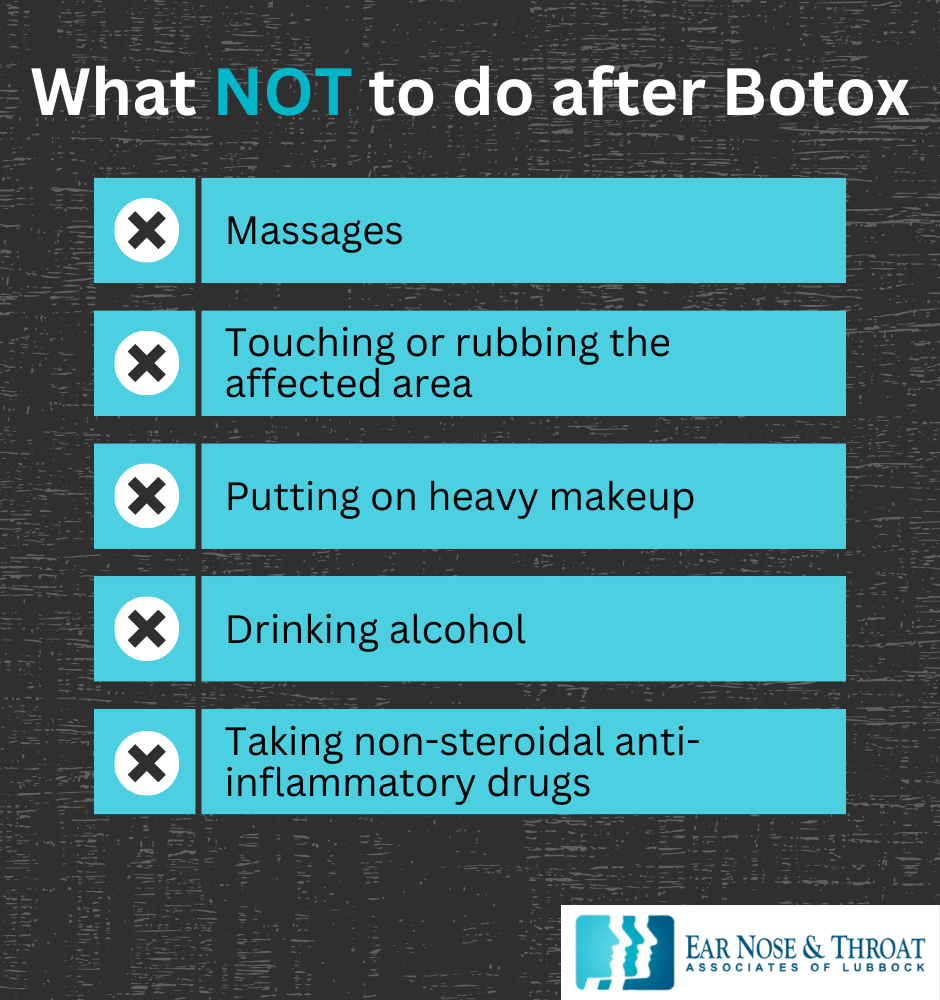
Image Source: www.entlubbock.com
The Science of Botox: How It Works
Botox is a medicine that doctors use to smooth out wrinkles. It comes from a type of bacteria. When a doctor puts Botox into your skin, it relaxes certain muscles. These muscles cause wrinkles when they move a lot. Botox stops these muscles from moving for a time. This makes your skin look smoother.
Botox works by blocking signals from nerves to muscles. Think of it like turning off a light switch. The nerve tells the muscle to move, but Botox stops this message. This makes the muscle stay relaxed. The effect is not forever. It slowly wears off over three to four months.
For Botox to work best, it needs to stay right where the doctor puts it. The tiny amount of liquid needs to settle into the muscle. This takes some time. Moving your body too much or doing certain things can make the liquid move to other areas. This is why you must be careful right after your treatment.
Grasping The Need for Rest After Botox
Many people wonder, “When can I workout after Botox?” The main reason to rest after Botox is to prevent the medicine from moving. This movement is called Botox migration. If Botox moves to a muscle it should not affect, it can cause problems. For example, if Botox for forehead wrinkles moves to a nearby eyelid muscle, your eyelid might droop. This is not common but can happen.
Rest also helps lower other risks. You might have small red spots or tiny bruises where the needle went in. Exercise can make these marks worse. It can also make swelling last longer. Your body needs time to heal these small spots.
Think of Botox like wet paint. If you touch wet paint, it smears. If you move too much after Botox, it might “smear” inside your skin. Giving it time to dry or settle makes sure it stays in the right spot. This careful approach helps you get the best look from your Botox treatment.
Initial Hours: The Most Important Time
The first few hours after your Botox shots are the most important. During this time, the Botox liquid is still very fresh. It has not fully bonded with the muscle yet. Any strong pressure or fast movement can make it spread. This is why doctors give clear rules for this early time.
- Avoid Touching: Do not touch, rub, or massage the treated areas. This means no facial massages. Even washing your face too roughly can be a problem. Be gentle.
- Stay Upright: Try to keep your head up for at least 4 hours. Do not lie down flat on your back or stomach. This includes sleeping. Staying upright helps gravity keep the Botox where it belongs.
- No Pressure: Do not wear hats that are too tight if the Botox was in your forehead. Avoid headbands that press on the treated spots.
Following these simple rules for the first few hours greatly lowers the chance of problems. It sets the stage for good results.
How Long After Botox Can I Exercise?
This is a key question for many active people. The general rule for how long after Botox can I exercise is to wait at least 24 hours. Some doctors suggest 48 hours for full safety. This waiting period helps the Botox settle into the muscle cells. It lets the medicine take hold and start its work.
The exact time can depend on a few things:
* The Area Treated: Some areas might be more sensitive than others.
* Amount of Botox: If you had a lot of Botox, more liquid was put in.
* Your Doctor’s Advice: Always listen to your doctor. They know your body and your treatment best.
Many studies and doctors agree that a full day (24 hours) of rest from hard activity is smart. This allows the Botox molecules to fully bind to the nerve endings in the muscle. This binding process is crucial. If it does not happen well, the Botox may not work as it should. It could also move to other areas.
Why the 24-Hour Rule?
The 24-hour rule is about letting the Botox fully connect with the nerve endings. Botox works by sticking to specific spots on the nerve cells. This stops the nerve from telling the muscle to move. This “sticking” process takes time. It is not instant.
When you exercise, your blood flow increases. This increased blood flow can carry the un-settled Botox away from the exact spot it was meant for. It might push it into nearby muscles. Also, exercise involves a lot of movement. This movement can push the Botox around within the tissues.
So, the 24-hour wait gives the Botox time to:
* Bind Firmly: The medicine sticks to the right nerve endings.
* Reduce Swelling: Light swelling or redness can happen. Rest helps it go down.
* Prevent Spread: It keeps the Botox where it was placed, lowering the risk of issues like droopy eyelids.
This small waiting period is a small price to pay for great, safe results.
Botox Aftercare Exercise: What to Avoid
When it comes to botox aftercare exercise, not all workouts are equal. Some exercises carry higher risks than others. It is important to know what to avoid.
Intense Exercise After Botox
Any intense exercise after Botox should be put on hold. This includes:
* Running: Fast, bouncy movements can shake the head and increase blood flow.
* Spinning or Cycling: These often involve leaning forward or quick head movements.
* High-Intensity Interval Training (HIIT): These workouts push your heart rate up fast.
* Zumba or Dance: Lots of jumping and quick head turns.
* Sports: Anything like basketball, soccer, or tennis. These involve sudden movements and possible impacts.
These types of workouts make your heart beat faster. This means more blood pumps through your body, including your face. More blood flow means a higher chance of Botox moving. Also, intense exercise can cause more bruising or swelling at the injection sites. Your body works hard during these activities. It is better to let your face rest.
Heavy Lifting Botox Considerations
Heavy lifting botox risks are real. When you lift heavy weights, you often strain your muscles. You also tend to hold your breath and push down, which can raise pressure in your head. This pressure can cause blood vessels to widen. Increased pressure and blood flow can make Botox spread from its spot.
Many lifting exercises also involve bending over or having your head lower than your heart. This is especially true for:
* Deadlifts
* Bent-over rows
* Some yoga poses
* Planks (if holding head down)
Keeping your head above your heart is crucial. This helps gravity keep the Botox where it should be. So, avoid any heavy lifting or exercises that put your head down.
Head Down Exercises Botox & Sweating
Two other things to avoid are head down exercises botox and heavy sweating after botox.
* Head Down Exercises: Yoga inversions, downward dog, certain pilates moves, and even just bending over to tie your shoes can be risky. These positions increase blood flow to your face. This can lead to swelling. It also makes it easier for Botox to move. Doctors often tell you to stay upright for several hours for this very reason.
* Sweating: Sweating by itself might not be a direct cause of Botox migration. But, heavy sweating often comes with intense exercise. The heat from heavy sweating can also cause blood vessels to get bigger. This increased blood flow can raise the chances of Botox moving. Also, touching your face to wipe sweat can accidentally rub the treated areas. This is why it’s best to avoid activities that make you sweat a lot for at least 24 hours.
Potential Issues of Working Out After Botox Too Soon
Ignoring the advice and working out after Botox too soon can lead to unwanted results. These issues might not be serious, but they can be upsetting.
Botox Migration Risk
This is the most talked-about risk. If Botox moves to a nearby muscle, it can relax that muscle too. For example:
* Eyelid Droop (Ptosis): If Botox meant for frown lines moves, it can make an eyelid droop. This can make it hard to see and looks uneven.
* Eyebrow Droop: Botox meant for the forehead might move and lower an eyebrow. This can change your facial expression.
* Asymmetry: One side of your face might look different from the other. One eyebrow might be higher, or one eye might seem smaller.
These problems are usually not permanent. They will wear off as the Botox does, but it can take weeks or months. This means living with an unwanted look for a while.
Bruising and Swelling
Every Botox injection involves a needle. Even small needles can cause tiny bruises or swelling. Exercise increases blood flow. This extra blood can make these bruises bigger or more noticeable. Swelling can also last longer. Rest helps your body heal these small marks faster.
Less Effective Results
If the Botox moves or does not settle well, it might not work as it should. The muscle you wanted to relax might not relax fully. This means your wrinkles might not smooth out as much as you hoped. You might need more Botox later, which means more cost and another visit. Proper aftercare makes sure you get the best value from your treatment.
Your Timeline for Post-Botox Injection Activity
Here is a common timeline for resuming post-botox injection activity. Remember, always follow your doctor’s specific advice.
| Time After Botox | Activity Level | What to Do/Avoid | Risks of Not Following |
|---|---|---|---|
| 0-4 Hours | Very Low | Stay upright. No lying down. No touching/rubbing face. No hats. | High risk of Botox migration (drooping eyelid/eyebrow), uneven results. |
| 4-24 Hours | Low | Avoid intense exercise, heavy lifting, head-down positions. Avoid alcohol. | Increased bruising/swelling, slight risk of migration. |
| 24-48 Hours | Moderate | Most normal activities fine. Still avoid intense workouts if doctor advises longer. | Lingering bruising/swelling, slight chance of less effective results. |
| 48+ Hours | Normal | Resume all exercises unless told otherwise. | Very low risk if guidelines followed. |
What Can You Do Right Away?
Even though hard exercise is out, you do not have to just sit still.
* Gentle Movements: You can walk around your house. Light stretching is okay if it does not involve bending your head down.
* Normal Daily Tasks: You can do light chores, work on your computer, or read.
* Facial Exercises: Some doctors might suggest gentle facial exercises. This means making normal facial expressions (like smiling or frowning lightly) for a few minutes. This can help the Botox absorb better into the right muscles. Only do this if your doctor tells you to.
The key is to keep things very calm. No sudden movements, no pressure, and no getting your heart rate up.
Returning to Your Workout Routine Safely
After the recommended waiting period, you can slowly get back to your exercise routine.
Gradual Return
Do not jump straight into your hardest workout. Start easy.
* Day 1 (after waiting period): Maybe a brisk walk or very light cardio.
* Day 2: Light weights, or a moderate cardio session.
* Day 3 onwards: Most people can go back to their full routine.
Listen to your body. If you feel any pain or see new swelling, stop and rest.
Monitoring Your Face
Keep an eye on the treated areas for a few days. Look for:
* New swelling or redness.
* Unusual bruising.
* Any drooping or unevenness.
If you notice anything worrying, call your doctor. They can tell you if it’s normal or if you need to come in.
Staying Hydrated and Healthy
Drinking plenty of water after Botox is always a good idea. It helps your body heal. Eating healthy foods also supports your recovery. Avoid too much alcohol, especially for the first 24 hours, as it can thin your blood and make bruising worse.
Common Concerns After Botox
It is normal to have questions or slight worries after getting Botox. Here are some common ones:
Is It Normal to Feel Tight?
Yes, it is common to feel a little tight or “heavy” in the treated areas. This is just the Botox starting to work. It means the muscles are relaxing. This feeling usually goes away within a few days to a week.
What if I Accidentally Work Out?
If you forget and do a quick, light workout right after Botox, do not panic. The risk is there, but it is not a sure thing. Stop immediately. Rest and watch for any signs of problems. If you did something very intense, or if you are worried, call your doctor. Be honest about what happened. They can advise you.
Can I Shower or Wash My Face?
Yes, you can shower and wash your face. Just be very gentle. Do not use strong scrubs. Do not rub the treated areas hard. Use lukewarm water, not very hot, as heat can increase blood flow. Pat your face dry, do not rub.
Can I Use Makeup?
It is generally fine to apply makeup a few hours after Botox, as long as you are gentle. Wait at least 4 hours. Use a light touch. Avoid rubbing the injection sites. If you can wait longer, that’s even better.
The Importance of Doctor’s Advice
Every person is different. The amount of Botox you get, where it goes, and your own body’s reaction can change things. This is why following your specific doctor’s advice is the most important thing.
Your doctor will give you exact instructions based on your treatment. They might have a slightly different waiting time or extra tips. Always ask them questions if you are unsure. They are the experts on your treatment.
If you have a special event coming up or a big workout plan, tell your doctor before your Botox appointment. They can help you plan the timing to get the best results safely. For example, if you are a marathon runner, they might suggest waiting longer.
Conclusion: Patience for Perfect Results
Getting Botox is an investment in your looks. To get the best from this investment, patience is key. Avoiding the gym and intense activities for at least 24 hours (and often 48 hours for full peace of mind) helps the Botox settle. This lowers the chance of migration, bruising, and other unwanted effects.
By giving your face the quiet time it needs, you ensure the Botox works exactly where it should. This leads to smoother skin and a more youthful look. So, take a break from your workout gear for a day or two. Your face will thank you. Remember, good botox aftercare exercise means waiting. This small wait makes a big difference in how well your Botox works.
Frequently Asked Questions (FAQ)
Can I do light walking after Botox?
Yes, light walking is usually fine right after Botox. It does not raise your heart rate too much or put pressure on your face. Just make sure you are not bending your head down often.
What happens if I accidentally rub my face after Botox?
If you gently rub your face, it might not be a big problem. But hard rubbing or massaging could make the Botox move. If you are worried, call your doctor. Watch for any changes in your face.
How long does Botox take to fully settle?
Botox starts to bind in the first few hours. It takes about 24-48 hours for it to be quite stable. The full effect of Botox takes 7 to 14 days to show.
Can I get a facial after Botox?
It is best to wait at least 1 to 2 weeks after Botox before getting a facial. Facials often involve rubbing, massage, or pressure on the face. This can move the Botox or make it less effective.
Is alcohol safe after Botox?
It’s generally advised to avoid alcohol for at least 24 hours after Botox. Alcohol can thin your blood. This might increase the risk of bruising at the injection sites.
When can I lie down after Botox?
You should stay upright for at least 4 hours after your Botox treatment. This means no lying down, even for a nap. Staying upright helps the Botox stay in place.
Can I fly on a plane after Botox?
Most doctors say flying is fine after Botox. The pressure changes in a plane are not usually enough to affect the Botox. But it is always good to check with your doctor first.