
Yes, you can often exercise with vertigo, but you need to be careful and choose the right activities. It’s best to talk to a doctor or a physical therapist before you start. They can help you figure out why you have vertigo and what exercises are safe for you.
Vertigo makes you feel like you are spinning or the world around you is spinning. It is a type of dizziness. This feeling can be mild or very strong. It can happen when you are still or when you move your head. Many things can cause vertigo. Problems in your inner ear are a common reason.
Exercise is good for your body. It is also good for your mind. But exercising with vertigo can be tricky. Some movements can make your symptoms worse. Other movements can help your brain learn to handle the confusing signals it is getting.
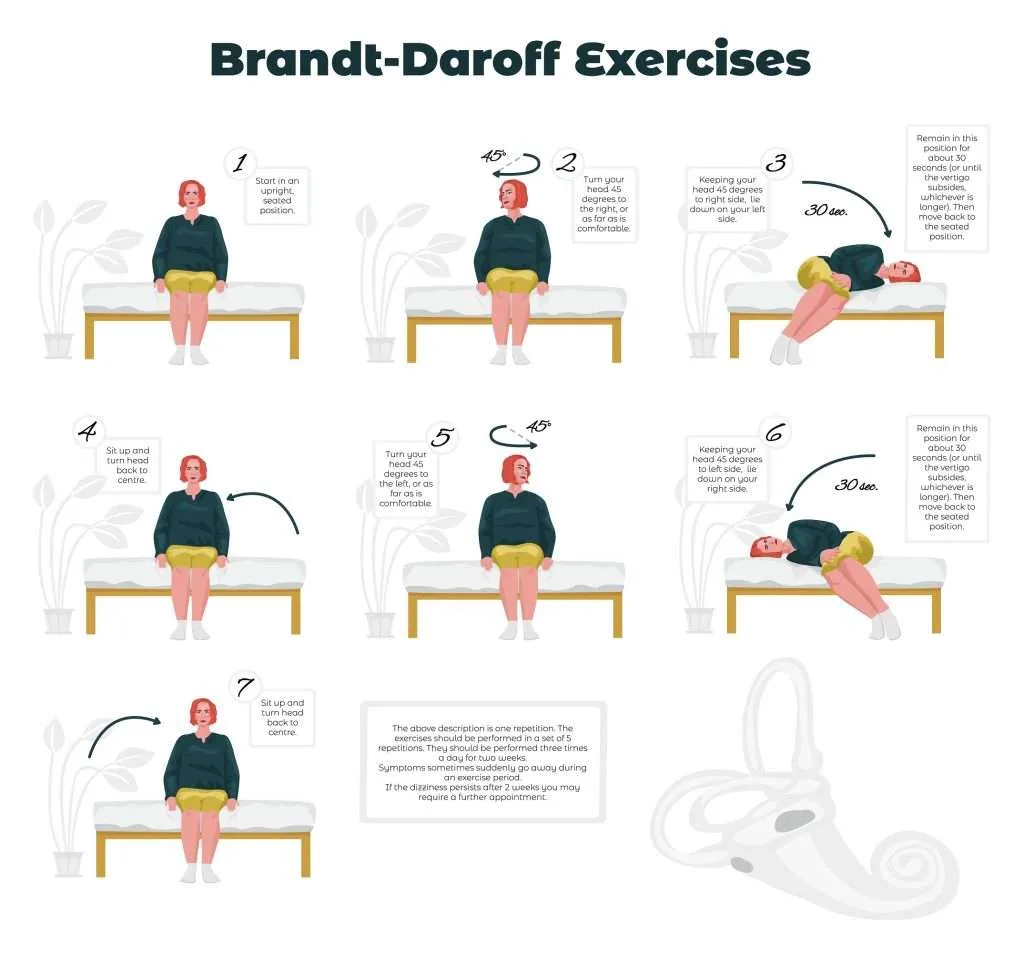
Image Source: rosannaphysio.com.au
Why Some Exercise Helps Vertigo
Your inner ear helps you balance. It sends signals to your brain about where your head and body are in space. When you have vertigo, these signals are mixed up. Your brain gets confused.
Certain exercises can help fix this confusion. These exercises are often called Vestibular rehabilitation exercises. Vestibular means related to your inner ear and balance system. Rehabilitation means helping something work better again.
These special exercises work like training for your brain and balance system. They help your brain get used to the wrong signals. Over time, your brain can start to ignore the bad signals. Or it can learn to use other senses (like your eyes and body feel) to stay balanced.
Doing these exercises regularly can help:
- Reduce how often you feel dizzy.
- Make dizzy spells shorter.
- Improve your balance.
- Help you feel less afraid of moving.
But not all exercises are helpful. Some can trigger a bad spell. You need to know which ones are safe exercises for vertigo. You also need to know which exercises to avoid with dizziness.
Getting Help: Physical Therapy for Vertigo
If you have vertigo, seeing a physical therapist can be a big help. A physical therapist is a healthcare expert. They know a lot about how your body moves and balances.
A physical therapist who knows about vertigo can:
- Figure out what is causing your vertigo (sometimes they work with a doctor for this).
- Test your balance and eye movements.
- Create a special exercise plan just for you. This plan will include vestibular rehabilitation exercises.
- Show you how to do the exercises correctly and safely.
- Adjust the exercises as you get better.
For many types of vertigo, physical therapy for vertigo is a main way to get better. They can guide you through the right steps. They make sure you are doing safe exercises for vertigo.
Finding Safe Exercises for Vertigo
Choosing the right activities is key when you have vertigo. The goal is to find exercises that help you without making you too dizzy or risking a fall.
Safe exercises for vertigo often start simple. They might focus on:
- Gentle head movements.
- Eye movements.
- Staying balanced while sitting or standing still.
- Slow, steady movements.
Here are some examples of safe exercises and activities:
Head Movement Exercises
These exercises help your brain get used to head movements that might trigger dizziness. You usually do them sitting down at first.
- Sitting and Turning Your Head: Sit up straight. Slowly turn your head to one side. Hold for a few seconds if you feel dizzy. Then slowly turn your head to the other side. Repeat several times. Do this slowly at first. As you get better, you can do it a little faster.
- Sitting and Tilting Your Head: Sit up straight. Slowly tilt your head to one shoulder. Hold for a few seconds. Then slowly tilt your head to the other shoulder. Repeat several times.
- Sitting and Looking Up and Down: Sit up straight. Slowly look up towards the ceiling. Hold. Slowly look down towards the floor. Hold. Repeat several times.
Start with a few repeats of each. Build up slowly. It is okay to feel a little dizzy doing these. That means your brain is working to adapt. But stop if the dizziness is very strong or lasts a long time.
Eye Exercises
These help your eyes and brain work together better.
- Gaze Stabilization: Sit and focus your eyes on a small target in front of you (like a picture or a dot). Keep your eyes fixed on the target. Slowly turn your head from side to side while keeping your eyes on the target. The target should stay clear. Repeat. Then try turning your head up and down while keeping your eyes on the target. This exercise is a core part of vestibular rehabilitation exercises.
Balance Exercises for Dizziness
Improving your balance is very important when you have vertigo. Falls are a risk. These exercises help you feel steadier on your feet.
- Sitting Balance: Sit on a firm surface without back support. Try to sit tall and still. You can do simple tasks with your hands while keeping your balance.
- Standing Balance: Stand near a wall or sturdy chair you can grab if needed.
- Stand with your feet hip-width apart. Try to stay still for 30 seconds.
- Stand with your feet closer together. Try to stay still for 30 seconds.
- Stand with one foot slightly in front of the other (heel-to-toe if you can). Switch feet.
- Stand on one leg (hold onto something at first).
- Walking a Straight Line: Walk placing the heel of one foot right in front of the toes of the other foot, as if walking on a line. Have a wall nearby or someone walk with you for safety. This is harder and should be done when your balance is better.
Always do balance exercises for dizziness in a safe place. Have something to hold onto. Have someone with you if you feel very unsteady.
Gentle Movement and Activity
Once you can do the basic head and eye exercises with less dizziness, you can add more general gentle movement.
- Slow Walking: Walking with vertigo can be challenging but helpful. Start with short walks on flat, safe surfaces. Walk slowly and focus on putting one foot in front of the other. Stay aware of where you are. Avoid busy or uneven places at first. Walking with vertigo helps your brain and body work together for balance.
- Gentle Yoga or Tai Chi: These activities involve slow, controlled movements and focus on balance. Look for classes that are gentle or designed for people with balance issues. Tell the teacher about your vertigo.
Remember, start slowly with any new exercise. Pay attention to how your body feels.
Exercises to Avoid with Dizziness
Just as some exercises help, others can make vertigo worse. These are the exercises to avoid with dizziness, especially when your symptoms are strong.
Activities that involve quick or jerky movements of the head or body can be triggers.
- Fast Head Movements: Avoid quick head turns, shaking your head fast, or activities where your head bounces a lot (like jumping jacks or some dancing).
- Lying Flat Quickly or Sitting Up Fast: Changing positions quickly can bring on a vertigo spell, especially for types like BPPV (we’ll talk about this more).
- Exercises with Lots of Up and Down Movement: Activities like trampolining, jumping rope, or intense aerobics with lots of bouncing can be problematic.
- Exercises with Spinning or Rapid Turns: Sports or activities that involve fast spinning (like some dance, martial arts, or amusement park rides) will almost certainly make vertigo worse.
- Heavy Lifting with Straining: Straining hard can sometimes affect pressure in the inner ear for some people, potentially triggering dizziness.
- Exercising in the Dark or Low Light: This makes it harder for your eyes to help your balance system, which can be important when your inner ear is not working right.
- Exercising on Uneven Surfaces (at first): Until your balance improves, avoid hiking on rocky trails or running on uneven ground. This increases the risk of falling.
This list isn’t meant to scare you. It just helps you know what kinds of movements might trigger your vertigo. You might be able to do some of these things again as your symptoms improve with vestibular rehabilitation exercises.
Exercise with BPPV
Benign Paroxysmal Positional Vertigo (BPPV) is a common cause of vertigo. It happens when tiny calcium crystals in your inner ear get into the wrong place. These crystals move when you change head position. This sends wrong signals to your brain, causing sudden, brief spells of intense spinning vertigo. These spells often happen when you:
- Lie down
- Sit up
- Turn over in bed
- Look up or down
For BPPV, certain specific movements can actually fix the problem. These are not typical exercises. They are called “repositioning maneuvers.” The most common one is the Epley maneuver.
Repositioning Maneuvers
These maneuvers are done by a doctor or a physical therapist. They involve moving your head and body in a specific series of steps. The goal is to move the misplaced crystals back to where they belong in the inner ear.
You should not try these maneuvers on your own without being shown how to do them correctly. Doing them wrong might not help or could make things worse. A physical therapist specializing in physical therapy for vertigo is the best person to guide you through these.
Exercise After a Repositioning Maneuver
After a successful maneuver for BPPV, the vertigo spells from those crystals should stop or lessen a lot. Your doctor or therapist might give you instructions on what to do or not do right after. This might include avoiding lying flat or certain head movements for a short time.
Once the main BPPV issue is fixed, you can slowly return to gentle activities. Your physical therapist might then give you other vestibular rehabilitation exercises. These help your balance system fully recover and reduce any lingering dizziness or unsteadiness. So, exercise with BPPV is possible and important, but the type of exercise depends on whether you are trying to treat the BPPV (with maneuvers) or recover after it’s treated (with rehab exercises).
Managing Vertigo During Exercise
Even with safe exercises for vertigo, you might still feel dizzy sometimes. Here are tips for managing vertigo during exercise:
- Go Slow: Make all movements slow and controlled. Avoid sudden changes in speed or direction.
- Focus Your Eyes: Keep your eyes focused on a steady point when possible, especially during balance exercises or walking. This helps your brain stay oriented.
- Use Support: When doing balance exercises or walking with vertigo, stay close to a wall, counter, or railing. Use a cane or walker if needed for safety.
- Listen to Your Body: If a movement makes you very dizzy, stop. Rest until the feeling passes. Don’t push through intense dizziness.
- Breathe Deeply: Focus on calm, steady breathing. Holding your breath or breathing fast can make dizziness worse.
- Stay Hydrated: Drink water before, during, and after exercise. Dehydration can sometimes affect dizziness.
- Avoid Exercising When Tired or Sick: Vertigo symptoms might be worse if you are not feeling well.
- Know Your Triggers: Pay attention to what movements or positions make you dizzy. Avoid those until your balance improves.
Keep your exercise area safe. Remove tripping hazards. Make sure there is good light.
Dizziness After Exercise
It is common to feel a little bit dizzy or tired dizziness after exercise, especially when you are first starting vestibular rehabilitation exercises or other safe exercises for vertigo.
This is often because your brain and balance system are working hard. They are trying to adapt to movements that were difficult before. Think of it like working out a muscle that hasn’t been used in a while. It might feel tired or a bit sore afterward.
Mild dizziness after exercise that goes away after resting is usually okay. It can be a sign that you are challenging your system in a good way.
However, if the dizziness after exercise is:
- Very intense
- Lasts a long time (hours)
- Comes with other bad symptoms (like nausea, headache, or severe unsteadiness)
Then you might have done too much. Or the exercise might not be right for you yet.
Can Exercise Make Vertigo Worse?
Yes, can exercise make vertigo worse, at least temporarily or if you do the wrong type.
- Wrong Exercises: Doing exercises to avoid with dizziness (like fast head movements, spinning) can trigger or worsen a vertigo spell.
- Too Much, Too Soon: Starting with exercises that are too hard for your current balance level can make you dizzy and increase fall risk.
- Overdoing It: Pushing yourself too hard, even with safe exercises, can lead to increased dizziness after exercise.
The goal of vestibular rehabilitation exercises and other safe exercises for vertigo is to reduce vertigo and dizziness over time. A little bit of dizziness during the exercise is often part of the process of getting better. But exercise should not make your vertigo permanently worse or cause severe, long-lasting symptoms.
If you find that exercise consistently makes your vertigo significantly worse, stop and talk to your doctor or physical therapist. They can help figure out why and adjust your plan.
Creating Your Exercise Plan
Working with a physical therapist is the best way to get a safe and effective exercise plan for vertigo. They will tailor it to your specific needs and the cause of your vertigo.
A typical plan might look like this:
-
Phase 1: Getting Started (Focus on Safety)
- Very gentle head and eye movements done while sitting.
- Simple sitting balance exercises.
- Short, slow walking with vertigo on a very safe surface.
- Exercises are done for short periods, maybe 1-3 times a day.
- Goal: Start adapting to movement and reduce fear.
-
Phase 2: Building Tolerance (Challenge Gently)
- Increase repeats or duration of head and eye movements.
- Move to standing balance exercises, holding onto support.
- Increase walking distance or speed slightly.
- Maybe add gentle steps or weight shifts.
- Goal: Increase tolerance to movement and improve basic balance.
-
Phase 3: Improving Function (Add More Complex Movements)
- Balance exercises without holding on (near a wall).
- Balance exercises on softer surfaces.
- Adding head turns while walking (walking with vertigo while turning your head).
- More complex movements related to daily tasks (bending, reaching).
- Goal: Improve balance and confidence for daily activities.
-
Phase 4: Advanced (If Needed)
- More challenging balance exercises (e.g., tandem stance with eyes closed, single leg stand longer).
- Faster walking or navigating more challenging environments.
- Returning to gentle sports or activities.
- Goal: Return to desired activities safely.
This is just a general idea. Your plan will be based on your specific type of vertigo, how severe it is, and what you want to be able to do.
Consistency is important. Doing your exercises regularly, even for short times, is better than doing them all at once sometimes.
Important Considerations
- Diagnosis: Know why you have vertigo. The cause matters for what exercises will help. BPPV is treated differently than other types of vertigo.
- Medication: Some medications for dizziness can make you drowsy or affect balance. Be aware of how your medication affects you before exercising.
- Other Health Issues: If you have other health problems (like heart issues, blood pressure problems, or joint pain), talk to your doctor before starting a new exercise program.
- Fall Prevention: Your safety is most important. Take steps to prevent falls at home and when exercising. Clear paths, use good lighting, wear supportive shoes.
- Patience: Getting over vertigo takes time. Improvement might be slow. Be patient with yourself and celebrate small wins. Some days might be better than others.
Managing vertigo during exercise is a skill that improves with practice.
A Table of Exercise Types
Here is a simple table summarizing types of exercises:
| Type of Exercise | Examples | Notes | Good for Vertigo? |
|---|---|---|---|
| Vestibular Rehabilitation Exercises | Head turns, eye movements, gaze stabilization, specific balance drills | Tailored by therapist, help brain adapt to dizziness | Yes (Core treatment) |
| Safe Exercises for Vertigo | Slow walking, gentle yoga, Tai Chi, stationary cycling (slow) | Low impact, controlled movements, less risk of triggering dizziness | Yes (Good additions) |
| Balance Exercises for Dizziness | Sitting balance, standing with support, walking on a line (later) | Focus on improving steadiness, done safely near support | Yes (Essential) |
| Exercises to Avoid with Dizziness | Fast head movements, spinning, jumping, quick position changes, heavy lifting | Likely to trigger or worsen vertigo spells, increase fall risk | No |
| Specific Maneuvers for BPPV | Epley maneuver, Semont maneuver | Done by professional to move crystals, not a regular exercise | Yes (Treatment for BPPV) |
This table helps show the difference between exercises designed to treat vertigo or improve balance and general exercises that might be safe or unsafe.
Conclusion
Living with vertigo can be frustrating and make you want to avoid moving. But avoiding movement can actually make your balance system less effective over time.
For most people, exercise is safe and helpful for vertigo, when done correctly. Vestibular rehabilitation exercises, guided by physical therapy for vertigo, are a key part of getting better. They include safe exercises for vertigo and balance exercises for dizziness.
You must learn exercises to avoid with dizziness. Pay attention to how your body feels. Start slowly. Build up gradually. Practice managing vertigo during exercise by going slow, focusing your eyes, and using support.
While some exercise with BPPV or other types of vertigo might cause temporary dizziness after exercise or make symptoms feel slightly worse at the moment (can exercise make vertigo worse in the short term), the long-term goal is to reduce dizziness and improve your ability to do the things you enjoy. Walking with vertigo can be a great starting point.
Always talk to a doctor or physical therapist before beginning an exercise program for vertigo. They can help you navigate your specific situation safely and effectively.
Frequently Asked Questions (FAQ)
h4: Can I exercise with vertigo every day?
Many vestibular rehabilitation exercises are meant to be done every day or multiple times a day. Other safe exercises for vertigo like walking or gentle yoga can also be done often. But listen to your body. If you are very tired or having a bad vertigo day, it’s okay to rest or do a lighter version of the exercises.
h4: How long does it take for exercise to help vertigo?
It varies for each person. Some people see improvement in a few weeks. For others, it might take several months. Consistency with your vestibular rehabilitation exercises is key. Stick with the plan your physical therapist gives you.
h4: Is walking enough exercise if I have vertigo?
Walking with vertigo is a good start and a type of safe exercises for vertigo. It helps with balance and general fitness. But depending on your specific vertigo and balance problems, you might need more targeted balance exercises for dizziness and vestibular rehabilitation exercises to get the best results.
h4: What should I do if I get very dizzy while exercising?
Stop the exercise. Sit or lie down in a safe position until the dizziness passes. If you were standing, hold onto something or carefully lower yourself to the floor. Don’t try to push through severe dizziness. Let your doctor or physical therapist know if certain exercises cause very bad dizziness.
h4: Can I do regular gym exercises like lifting weights or using treadmills?
Once your vertigo is well-managed and your balance improves significantly, you might be able to return to many regular exercises. Start slowly. Avoid quick head movements or heavy lifting that causes straining at first. Treadmills can be tricky because the ground is moving; using an elliptical or stationary bike might be safer options initially. Always prioritize safe exercises for vertigo and gradually add others as you improve, ideally under guidance.