
Yes, you can absolutely exercise with a herniated disc, but it’s crucial to do so safely and smartly. The right kind of movement can be a powerful tool for herniated disc pain relief, aiding in herniated disc rehabilitation and improving your overall herniated disc treatment plan.
A herniated disc, often referred to as a slipped or ruptured disc, occurs when the soft, jelly-like center of a spinal disc pushes through a tear in the tougher exterior. This can press on nearby nerves, causing pain, numbness, or weakness. While the thought of exercising with this condition might seem daunting, a well-structured herniated disc workout plan is vital for recovery and preventing future issues. This guide will walk you through what you need to know about exercising with a herniated disc, focusing on herniated disc safe exercises and important considerations.
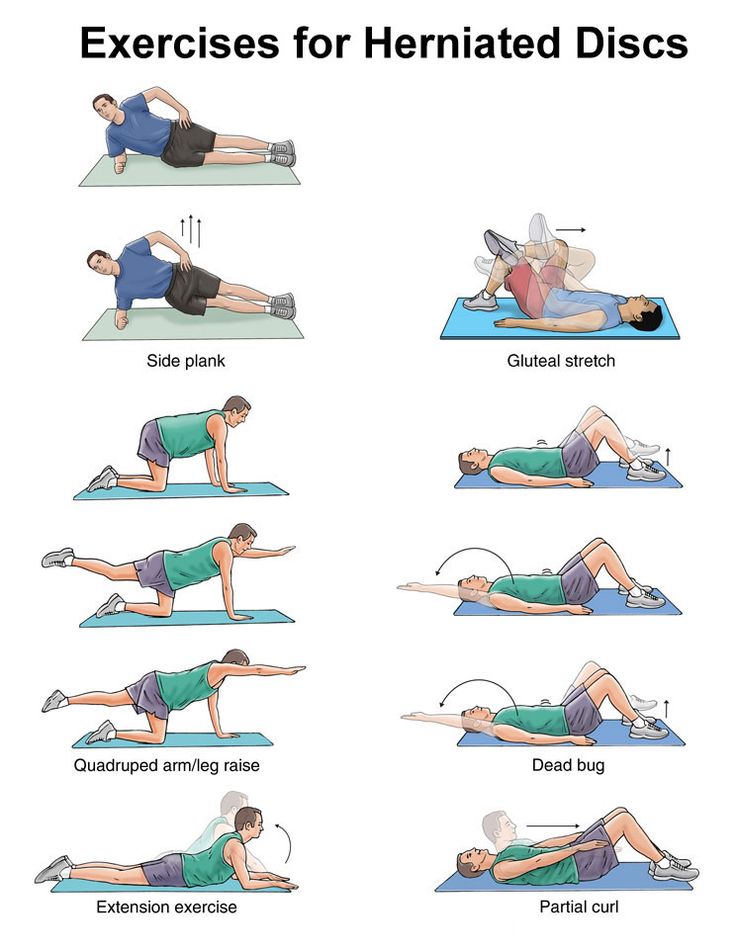
Image Source: tomenybest.com
The Role of Exercise in Herniated Disc Recovery
Exercise is not just about building muscle; it’s about supporting your spine and promoting healing. When done correctly, exercises can:
- Reduce Inflammation: Gentle movement can improve blood flow, which helps to clear away inflammatory substances around the affected disc.
- Strengthen Supporting Muscles: Strong core muscles (abs, back, and glutes) act like a natural brace for your spine, taking pressure off the injured disc.
- Improve Flexibility and Mobility: Tight muscles can put extra strain on your spine. Herniated disc mobility exercises help to loosen these muscles and improve your range of motion.
- Alleviate Pain: By strengthening and supporting your spine, exercise can significantly decrease herniated disc pain relief.
- Prevent Future Injuries: A strong, flexible body is less prone to re-injury.
Consulting with Healthcare Professionals: The First Step
Before embarking on any exercise program, especially with a herniated disc, consulting with a healthcare professional is non-negotiable. This typically includes your doctor, a physical therapist, or a chiropractor. They can:
- Diagnose the Severity: Determine the exact location and severity of your herniation.
- Tailor a Treatment Plan: Develop a personalized herniated disc treatment that may include exercise, medication, or other therapies.
- Guide Your Exercise Choices: Advise on specific herniated disc exercises that are appropriate for your condition and identify herniated disc exercises to avoid.
- Monitor Your Progress: Ensure you’re not overdoing it and adjust your plan as needed.
Physiotherapy plays a crucial role in this process. A herniated disc physiotherapy program will be specifically designed to address your unique needs, focusing on controlled movements and gradual progression.
Key Principles for Exercising with a Herniated Disc
When exercising with a herniated disc, keep these principles in mind:
- Listen to Your Body: Pain is a signal. If an exercise causes sharp or increasing pain, stop immediately. Mild discomfort or muscle fatigue is different from joint or nerve pain.
- Start Slowly and Gradually Progress: Don’t try to do too much too soon. Begin with a few repetitions and gradually increase as you get stronger and more comfortable.
- Focus on Proper Form: Correct technique is paramount to avoid further injury and maximize benefits. It’s better to do fewer repetitions with perfect form than many with poor form.
- Maintain a Neutral Spine: Aim to keep your spine in its natural alignment during exercises, avoiding excessive rounding or arching.
- Breathe: Don’t hold your breath. Proper breathing helps stabilize your core and manage exertion.
- Consistency is Key: Regular, consistent exercise is more beneficial than sporadic intense workouts.
Safe Exercises for Herniated Discs (Herniated Disc Safe Exercises)
The goal is to strengthen the muscles that support your spine without putting undue pressure on the injured disc. Focus on exercises that promote core stability and controlled movement.
Core Strengthening Exercises
A strong core is your spine’s best friend. These exercises help to stabilize your trunk.
1. Pelvic Tilts
- How to do it: Lie on your back with your knees bent and feet flat on the floor. Gently flatten your lower back against the floor by tightening your abdominal muscles and tilting your pelvis up slightly. Hold for a few seconds, then relax.
- Benefits: Activates deep abdominal muscles and promotes awareness of pelvic positioning.
2. Bird-Dog
- How to do it: Start on your hands and knees, ensuring your hands are directly under your shoulders and your knees under your hips. Keep your back straight. Simultaneously extend your right arm forward and your left leg backward, keeping your hips and shoulders level. Hold for a few seconds, then return to the starting position. Repeat with the opposite arm and leg.
- Benefits: Improves core stability, balance, and coordination while minimizing spinal load.
3. Dead Bug
- How to do it: Lie on your back with your knees bent at a 90-degree angle over your hips, and your arms extended towards the ceiling. Keep your lower back pressed gently into the floor. Slowly lower your right arm behind your head and your left leg towards the floor simultaneously. Lower only as far as you can without your lower back arching. Return to the starting position and repeat with the opposite arm and leg.
- Benefits: Excellent for strengthening the deep abdominal muscles without stressing the spine.
4. Plank (Modified if Needed)
- How to do it: Start in a push-up position, but rest on your forearms instead of your hands. Keep your body in a straight line from head to heels, engaging your core and glutes. Avoid letting your hips sag or rise too high. If a full forearm plank is too challenging, start with a knee plank.
- Benefits: Builds endurance and strength in the entire core.
Table: Core Strengthening Exercises
| Exercise | Primary Muscles Worked | Key Focus Points | Modifications for Easier Version |
|---|---|---|---|
| Pelvic Tilt | Transverse Abdominis, Obliques | Gentle pelvic movement, avoid over-arching back | Focus on the contraction |
| Bird-Dog | Core, Glutes, Back Extensors | Keep hips and shoulders stable, controlled movement | Hold one limb at a time |
| Dead Bug | Core, Hip Flexors | Maintain neutral spine, slow and controlled | Lower limb/arm only part way |
| Plank | Core, Shoulders, Back | Straight line, engage glutes, don’t hold breath | Knee plank |
Gentle Mobility and Flexibility Exercises
These exercises help maintain and improve range of motion, which is crucial for overall spinal health.
1. Cat-Cow Stretch
- How to do it: Start on your hands and knees, with your hands under your shoulders and knees under your hips. Inhale as you drop your belly towards the floor, lifting your chest and tailbone (Cow pose). Exhale as you round your spine towards the ceiling, tucking your chin to your chest (Cat pose). Move slowly and with your breath.
- Benefits: Improves spinal flexibility and mobility.
2. Knee-to-Chest Stretch
- How to do it: Lie on your back with your knees bent and feet flat on the floor. Gently bring one knee towards your chest, using your hands to help pull it closer. Hold for 20-30 seconds, feeling a gentle stretch in your lower back and hip. Repeat on the other side. You can also try bringing both knees to your chest.
- Benefits: Relieves tension in the lower back.
3. Spinal Twists (Gentle)
- How to do it: Lie on your back with your knees bent and feet flat on the floor. Let your knees fall gently to one side, keeping your shoulders flat on the floor. Hold for 20-30 seconds. Repeat on the other side.
- Benefits: Improves rotational mobility of the spine and can release tension.
Strengthening Exercises for Supporting Muscles
Strengthening the muscles around your hips and glutes can also help support your spine.
1. Glute Bridges
- How to do it: Lie on your back with your knees bent and feet flat on the floor, hip-width apart. Engage your glutes and lift your hips off the floor until your body forms a straight line from your shoulders to your knees. Hold for a few seconds, then slowly lower back down.
- Benefits: Strengthens the glutes and hamstrings, which are important for pelvic stability.
2. Side-Lying Leg Lifts
- How to do it: Lie on your side with your legs straight and stacked. Keep your core engaged and your bottom leg slightly bent for stability. Lift your top leg slowly towards the ceiling, keeping your foot flexed. Lower slowly. Repeat on the other side.
- Benefits: Strengthens the hip abductors, which help stabilize the pelvis.
Herniated Disc Exercises to Avoid
Certain movements can put excessive stress on a herniated disc and should be avoided or modified, especially in the early stages of recovery. Always get professional advice on what to avoid for your specific condition.
- High-Impact Activities: Running, jumping, and contact sports can jolt the spine.
- Heavy Lifting with Poor Form: Lifting objects with rounded backs or without engaging your core can be very dangerous.
- Twisting Movements Under Load: Exercises like traditional Russian twists or certain weightlifting movements that involve forceful rotation can aggravate the disc.
- Forward Bending with Rounded Back: Exercises like traditional sit-ups or toe touches that involve significant forward flexion with a rounded spine should be avoided.
- Exercises that Cause Sharp Pain: This is the most important rule. If an exercise causes or increases your pain, stop.
Progression and Long-Term Management
As your pain subsides and strength improves, you can gradually introduce more challenging exercises. This is where a structured herniated disc rehabilitation program comes into play.
What Does Progression Look Like?
- Increased Repetitions and Sets: Start with 10-15 reps and 2-3 sets, and gradually increase as tolerated.
- Longer Hold Times: For planks or isometric exercises, gradually increase the duration you can hold the position.
- Introducing Resistance: Using light weights or resistance bands can be beneficial for herniated disc strengthening, but only when advised by your therapist.
- More Complex Movements: As your core and back muscles adapt, you might progress to more dynamic exercises, always with a focus on form and control.
- Functional Movements: Incorporate exercises that mimic everyday activities, like controlled squatting or lifting patterns.
What About Aerobic Exercise?
Low-impact aerobic exercise is generally beneficial for overall health and can aid in recovery by improving circulation and releasing endorphins, which are natural pain relievers.
- Walking: A great starting point. Begin with short walks on flat surfaces and gradually increase duration and pace.
- Swimming or Water Aerobics: The buoyancy of water reduces stress on the spine, making it an excellent option.
- Cycling (Stationary or Gentle Outdoor): Ensure your bike is set up correctly to maintain a neutral spine posture. Avoid leaning too far forward.
- Elliptical Trainer: Offers a low-impact cardiovascular workout.
Flexibility and Mobility Exercises (Herniated Disc Mobility Exercises)
Beyond the initial stretches, a consistent flexibility routine is key.
- Hamstring Stretches: Tight hamstrings can contribute to lower back pain. Perform gentle hamstring stretches, perhaps lying on your back with a towel or strap around your foot to gently pull your leg towards you.
- Hip Flexor Stretches: Tight hip flexors can also affect the lower back. A gentle lunge stretch can be beneficial.
- Back Extensions (Gentle): Lying on your stomach and gently pushing your upper body up with your hands, keeping your hips on the floor (similar to the “cobra” pose in yoga but very mild), can sometimes be helpful, but this should be guided by a professional.
When to Seek Professional Help
Even with the best intentions, some individuals might not see improvement or may experience a worsening of symptoms. In such cases, it’s crucial to consult with your healthcare provider.
Signs that you should seek immediate professional advice include:
- Sudden or severe increase in pain.
- Numbness or tingling that spreads down your leg.
- Weakness in your legs, making it difficult to walk or stand.
- Loss of bowel or bladder control (this is a medical emergency).
Creating Your Herniated Disc Workout Plan
Developing a personalized herniated disc workout plan involves several steps:
- Professional Assessment: Get a clear diagnosis and guidance from your doctor or physical therapist.
- Goal Setting: Define what you want to achieve – pain reduction, increased mobility, strength gains.
- Exercise Selection: Choose exercises recommended by your healthcare provider. Prioritize core stability, gentle mobility, and supporting muscle strength.
- Frequency and Duration: Start with 2-3 times per week and gradually increase as your body adapts. Sessions might be short initially (15-20 minutes) and build up.
- Warm-up: Always start with a 5-10 minute light warm-up (e.g., walking, gentle arm circles) to prepare your muscles.
- Cool-down: Finish with 5-10 minutes of gentle stretching.
- Progression Strategy: Plan how you will gradually increase the intensity or duration of your workouts.
- Listen and Adjust: Be prepared to adjust your plan based on how your body feels.
Frequently Asked Questions (FAQ)
Q1: How long does it take to recover from a herniated disc with exercise?
A1: Recovery times vary greatly depending on the severity of the herniation, individual health, and adherence to treatment. For many, significant improvement can be seen within a few weeks to a few months with a consistent and appropriate exercise program. However, some may take longer.
Q2: Can I do yoga or Pilates with a herniated disc?
A2: Yes, but with extreme caution and under professional guidance. Certain poses in yoga and many Pilates exercises can be very beneficial for core strength and flexibility. However, many poses involve spinal flexion, extension, or twisting that could aggravate a herniated disc. Always inform your instructor about your condition and stick to modifications recommended by your herniated disc physiotherapy specialist.
Q3: What is the best position for sleeping with a herniated disc?
A3: Sleeping on your side with a pillow between your knees to maintain spinal alignment is often recommended. If you sleep on your back, placing a pillow under your knees can help reduce pressure on your lower back. Avoid sleeping on your stomach, as this can strain your neck and lower back.
Q4: How do I know if an exercise is too much for my herniated disc?
A4: The clearest sign is an increase in sharp or shooting pain, or numbness and tingling that gets worse. Mild muscle fatigue or soreness is usually acceptable, but pain that is more than a dull ache, especially pain that radiates, is a sign to stop. When in doubt, consult your physical therapist.
Q5: Can exercise completely cure a herniated disc?
A5: Exercise is a crucial part of herniated disc treatment and rehabilitation, focusing on pain relief, strengthening, and improving function. While exercise can significantly manage symptoms, reduce the likelihood of recurrence, and improve quality of life, it may not always “cure” the physical disc issue itself, especially if there are degenerative changes. The goal is to manage the condition effectively.
Q6: Are there any specific exercises for herniated disc pain relief that are particularly effective?
A6: Exercises that focus on stabilizing the core, improving lumbar extension (like prone extensions, carefully done), and gentle mobilization (like cat-cow) are often very effective for herniated disc pain relief. Again, the effectiveness is highly individual, and professional guidance is key.
By approaching exercise with knowledge, caution, and professional support, you can harness the power of movement to manage your herniated disc, reduce pain, and improve your overall spinal health.