
Can you exercise with a concussion? Generally, no. You should not engage in regular exercise or return to play activities immediately after sustaining a concussion. The primary focus after a head injury is on rest and recovery, allowing the brain to heal. While complete rest was once the standard, current guidelines emphasize a gradual return to activity, but only once initial symptoms have subsided and under medical supervision.
A concussion, often referred to as a mild traumatic brain injury (mTBI), is a complex injury caused by a bump, blow, or jolt to the head, or by a hit to the body that causes the head and brain to move rapidly back and forth. This sudden movement can cause the brain to bounce around or twist in the skull, stretching and damaging brain cells and creating chemical changes in the brain.
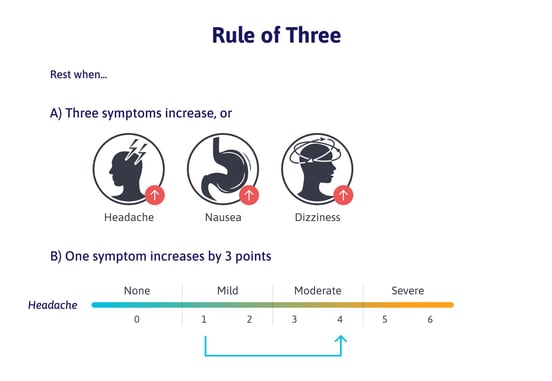
Image Source: www.cognitivefxusa.com
Graded Exercise for Concussion Recovery
The approach to physical activity after concussion has evolved significantly. Instead of prolonged complete rest, modern concussion management advocates for graded exercise programs. This means gradually reintroducing physical activity as tolerated, carefully monitoring symptoms, and progressing slowly. This approach aims to prevent the detrimental effects of prolonged inactivity, such as deconditioning, while still protecting the healing brain.
The Importance of Symptom-Limited Activity
The cornerstone of early concussion management is symptom-limited activity. This involves engaging in light activities that do not worsen your concussion symptoms. This might include gentle walking, light household chores, or reading. The key is to stay below the threshold that triggers a significant increase in headache, dizziness, nausea, or other concussion-related symptoms. Pushing too hard too soon can delay your concussion recovery.
Why Complete Rest Isn’t Always Best
For many years, the recommendation for concussion was strict cognitive and physical rest. However, research has shown that prolonged inactivity can sometimes hinder recovery. It can lead to physical deconditioning, increased anxiety and depression, and prolonged symptoms. Brain injury rehabilitation now often incorporates a phased approach that includes carefully managed physical activity.
Stages of Concussion Recovery and Exercise
Concussion recovery is a process, and the ability to exercise changes as you heal. It’s crucial to work with a healthcare professional, such as a doctor or a physical therapist specializing in sports medicine concussion management, to guide your return to activity.
Stage 1: Initial Rest and Symptom Management
In the first 24-48 hours after a concussion, the focus is on:
- Physical Rest: Avoiding strenuous activities, sports, and anything that could risk another head impact.
- Cognitive Rest: Reducing mentally demanding tasks like reading, screen time, and complex problem-solving.
- Symptom Monitoring: Paying close attention to any changes in how you feel.
During this phase, very light activities that do not provoke symptoms are permitted. This is the strictest form of symptom-limited activity.
Stage 2: Gradual Return to Light Activity
Once initial symptoms begin to improve and stabilize, you can slowly introduce light aerobic exercise. This is where graded exercise truly begins. The goal is to increase heart rate and blood flow to the brain without triggering a relapse or significant worsening of symptoms.
- Activities: Walking, stationary cycling (low resistance), light swimming.
- Intensity: Low to moderate, keeping symptoms at a manageable level (e.g., a 2-3 out of 10 on a pain scale, with no significant increase).
- Duration: Start with short sessions (e.g., 10-15 minutes) and gradually increase as tolerated.
- Monitoring: Stop if symptoms worsen significantly. Rest and try again later or the next day with a reduced intensity or duration.
This stage is critical for promoting neurological recovery.
Stage 3: Introduction of More Vigorous Activity
As you tolerate light aerobic exercise, you can gradually increase the intensity and duration. This might involve jogging, more intense cycling, or elliptical training.
- Intensity: Moderate to high, still carefully monitoring symptoms.
- Duration: Longer sessions, potentially up to 30-45 minutes.
- Progression: Increase intensity or duration incrementally, not both at the same time.
Stage 4: Sport-Specific Training and Return to Play Protocols
This stage involves activities that mimic the demands of your specific sport or physical activity, but without contact. This is a crucial part of the Return to Play process.
- Activities: Running drills, agility exercises, non-contact skill drills.
- Intensity: High, including interval training.
- Progression: Focus on increasing complexity and intensity of movements.
Stage 5: Full Return to Sport/Activity
This is the final stage, where an athlete can return to full contact sports or demanding physical activities. This typically requires successful completion of all previous stages without symptom exacerbation and clearance from a medical professional.
What to Do If Symptoms Return During Exercise
If your symptoms return or worsen during any stage of physical activity after concussion, it’s a sign that you’ve pushed too hard. You should:
- Stop the activity immediately.
- Rest until your symptoms return to baseline.
- Consult with your healthcare provider before attempting exercise again. They may recommend reducing the intensity or duration of your next exercise session or revisiting an earlier stage of the protocol.
Pushing through symptoms can prolong your concussion recovery and potentially lead to post-concussion syndrome.
Post-Concussion Syndrome and Exercise
Post-concussion syndrome (PCS) refers to a set of symptoms that persist for weeks, months, or even longer after a concussion. While prolonged rest was once thought to be the solution, current evidence suggests that a structured, gradual exercise program can be beneficial for managing PCS symptoms. In cases of PCS, a tailored brain injury rehabilitation plan, which may include specialized exercise and physical therapy, is often prescribed.
Types of Exercise and Their Role in Recovery
Different types of exercise play distinct roles in concussion recovery.
Aerobic Exercise
Aerobic exercise, such as walking, jogging, swimming, and cycling, is often the first type of physical activity after concussion to be reintroduced. It helps improve blood flow to the brain, which is crucial for healing and restoring normal brain function.
- Benefits:
- Improves circulation.
- Can reduce fatigue and improve mood.
- Helps recondition the body after inactivity.
- Considerations: Start at a low intensity and duration, gradually increasing as tolerated. Monitor symptoms closely.
Strength Training
As you progress, incorporating strength training can be beneficial. It helps restore overall physical function and can improve confidence.
- Benefits:
- Builds muscle strength and endurance.
- Can improve balance and coordination.
- Contributes to overall physical well-being.
- Considerations: Start with light weights or bodyweight exercises. Avoid exercises that involve significant head movement or strain, especially in the early stages. Focus on proper form.
Balance and Vestibular Exercises
Many concussions affect balance and the vestibular system (the system in your inner ear that helps control balance and eye movements). Specific exercises can help retrain these systems.
- Benefits:
- Improves stability.
- Reduces dizziness and vertigo.
- Enhances visual tracking.
- Considerations: These exercises are often performed under the guidance of a physical therapist or other specialized clinician. Examples include standing on one leg, heel-to-toe walking, and eye-tracking exercises.
Cognitive-Physical Integration Exercises
As recovery advances, exercises that combine cognitive and physical demands can be very helpful. These prepare individuals for the demands of real-life activities and sports.
- Benefits:
- Improves the brain’s ability to process information while moving.
- Enhances reaction time and coordination.
- A key component of Return to Play protocols.
- Considerations: Examples include catching a ball while walking, dribbling a basketball while performing simple cognitive tasks, or agility drills with cueing.
Factors Influencing Return to Exercise
Several factors can influence how quickly and safely you can return to exercise after a concussion.
- Severity of the Concussion: More severe concussions or those with prolonged symptoms may require a longer and more cautious return to activity.
- Previous Concussion History: Individuals with a history of multiple concussions may have a slower recovery and need a more carefully managed approach.
- Age: Children and adolescents may have different recovery timelines than adults.
- Pre-existing Conditions: Conditions like migraines, anxiety, or learning disabilities can sometimes affect concussion recovery.
- Adherence to Medical Advice: Following the guidance of healthcare professionals is paramount.
Working with a Healthcare Professional
It cannot be stressed enough: always consult with a qualified healthcare professional before starting or resuming any exercise program after a concussion. They can:
- Diagnose the concussion accurately.
- Assess your individual symptoms and recovery progress.
- Develop a personalized graded exercise plan.
- Monitor your progress and adjust the plan as needed.
- Provide clearance for Return to Play.
A thorough assessment might include neurological exams, balance tests, and cognitive assessments. A dedicated sports medicine concussion clinic or a rehabilitation specialist can be invaluable.
When to Seek Further Medical Attention
While most concussions resolve within a few weeks, some individuals may experience prolonged symptoms. You should seek immediate medical attention if you experience any of the following “red flag” symptoms after a head injury, which could indicate a more serious condition like a brain bleed:
- One pupil larger than the other.
- Drowsiness or inability to wake up.
- A headache that gets worse and does not go away.
- Slurred speech, weakness, numbness, or decreased coordination.
- Repeated vomiting or nausea.
- Convulsions or seizures.
- Unusual behavior, increased confusion, restlessness, or agitation.
- Loss of consciousness (passed out/dazed).
Even if these severe symptoms are not present, persistent or worsening symptoms during physical activity after concussion warrant a follow-up with your doctor. This is especially true if you are concerned about developing post-concussion syndrome.
The Role of Cognitive Exercise
While this guide focuses on physical exercise, it’s important to acknowledge that cognitive rest is also crucial in the initial stages. However, as recovery progresses, controlled cognitive activities can also be part of the rehabilitation process. This might involve light reading, puzzle-solving, or carefully managed screen time, all within a symptom-limited activity framework. The goal is to reintroduce cognitive challenges gradually, similar to physical challenges.
Summary of Exercise Guidelines
Here’s a simplified summary for navigating exercise with a concussion:
Initial Phase (0-48 hours post-injury)
- Focus: Rest, symptom monitoring.
- Exercise: Very light activities ONLY if they do not provoke symptoms (e.g., short walk around the house).
- Key: Strict symptom-limited activity.
Early Recovery (Days to Weeks, depending on symptom resolution)
- Focus: Gradual reintroduction of light aerobic activity.
- Exercise: Start with low-intensity, short-duration aerobic activities (e.g., 10-15 min walk).
- Progression: Increase duration and intensity slowly, as tolerated, ensuring symptoms do not significantly worsen. This is the core of graded exercise.
- Key: Monitor symptoms continuously.
Intermediate Recovery (As tolerated)
- Focus: Increase intensity and duration of aerobic exercise. Introduce strength and balance exercises.
- Exercise: Jogging, moderate cycling, light weightlifting.
- Progression: Gradually increase resistance, speed, and complexity of movements.
- Key: Incorporate exercises that might mimic sport movements without contact.
Late Recovery / Return to Sport (When symptom-free and medically cleared)
- Focus: Sport-specific drills, full training participation.
- Exercise: High-intensity drills, agility, and potentially controlled contact drills (if applicable to sport).
- Progression: Full integration into team practice.
- Key: Strict adherence to Return to Play protocols.
Frequently Asked Questions (FAQ)
Q1: How soon can I start exercising after a concussion?
You can start very light, symptom-limited activities within 24-48 hours if they don’t worsen your symptoms. However, moderate to strenuous exercise should only begin once initial symptoms have subsided and under the guidance of a healthcare professional, following a graded exercise plan.
Q2: What if my symptoms come back when I exercise?
If your symptoms worsen during exercise, stop immediately. Rest until symptoms return to baseline, then consult your doctor. You may need to reduce the intensity or duration of your next exercise session or return to an earlier stage of your concussion recovery plan.
Q3: Can I lift weights after a concussion?
Yes, but cautiously. Begin with light weights and focus on proper form. Avoid exercises that cause straining or significant head movement in the early stages. Progress gradually as your neurological recovery allows and as advised by your healthcare provider.
Q4: Is it safe to return to my sport if I still have some mild symptoms?
No. It is not safe to return to sports, especially contact sports, if you are still experiencing concussion symptoms. A full return to sport requires you to be symptom-free and have received medical clearance to ensure you are ready for the demands of Return to Play.
Q5: What is post-concussion syndrome and how does exercise relate to it?
Post-concussion syndrome is when concussion symptoms last longer than the typical recovery period. While it might seem counterintuitive, a carefully managed graded exercise program can often help improve symptoms associated with PCS, rather than prolonging them. This is a key aspect of brain injury rehabilitation.
Q6: Who should I consult for concussion exercise guidance?
It’s best to consult with a doctor, neurologist, or a physical therapist specializing in sports medicine concussion management. They can provide personalized advice and create a safe exercise plan tailored to your specific needs.
Q7: Can exercise help with dizziness or balance problems after a concussion?
Yes, specific vestibular and balance exercises, often prescribed as part of brain injury rehabilitation, can be very effective in improving dizziness and balance issues related to a concussion. These are typically introduced once initial symptoms stabilize.
Q8: What are the risks of exercising too soon or too intensely?
Exercising too soon or too intensely can worsen your symptoms, prolong your concussion recovery, and potentially increase your risk of developing post-concussion syndrome. It can also put you at a higher risk for a second impact injury, which can be far more severe.
Q9: How do I know when I’m ready for full activity?
You are generally ready for full activity when you have successfully completed all stages of a supervised graded exercise program without any symptom exacerbation and have received clearance from a qualified healthcare professional. This is the culmination of a successful concussion recovery.
Q10: Is there any specific type of exercise that is best for concussion recovery?
The “best” exercise depends on the stage of recovery and individual symptoms. Initially, light aerobic exercise is key. As you progress, a combination of aerobic, strength, balance, and cognitive-physical integration exercises, all performed within a symptom-limited activity framework, is often recommended for comprehensive neurological recovery.