
No, you generally cannot exercise vigorously with a broken sternum. A sternum fracture, often referred to as a broken breastbone, requires significant healing time, and most forms of exercise, especially those that engage the chest and upper body, are off-limits during the initial stages of recovery. This guide will walk you through what you need to know about sternum fracture recovery and chest injury workout considerations.
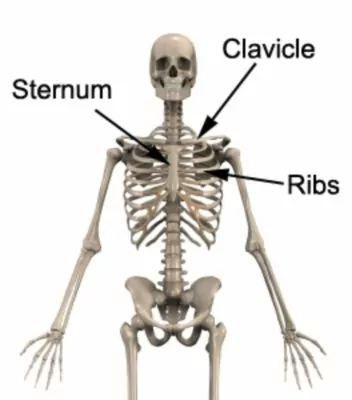
Image Source: physioadvisor.com.au
Deciphering a Broken Sternum: What It Is and How It Happens
A sternum fracture is a break in the sternum, the long, flat bone located in the center of your chest. It’s also known as a broken breastbone. This bone is crucial for protecting your heart and lungs and plays a vital role in your breathing mechanics.
Causes of Sternum Fractures
The most common cause of a sternum fracture is direct trauma to the chest. This can occur in several ways:
- Motor Vehicle Accidents: High-impact collisions, particularly those involving the steering wheel or dashboard hitting the chest, are a leading cause.
- Falls: Falls from a significant height or falls directly onto the chest can result in a sternum fracture.
- Direct Blows: Sports injuries or physical altercations involving a forceful blow to the chest can also lead to this type of fracture.
- Cardiothoracic Surgery: While less common, sternal dehiscence, a separation of the sternal wound after surgery (often sternotomy), can sometimes be referred to in the context of sternum healing and rehabilitation. This is distinct from a traumatic fracture but involves the sternum.
Types of Sternum Fractures
Sternum fractures can vary in severity:
- Displaced Fractures: In these fractures, the broken pieces of the sternum move out of their normal alignment. This can be more painful and may require surgical intervention.
- Non-displaced Fractures: The bone cracks but remains in its proper position. These are generally less severe and heal with conservative treatment.
- Comminuted Fractures: The bone breaks into three or more pieces. These are more complex and often require surgery.
The Impact of a Broken Sternum on Your Body
A broken sternum significantly affects your ability to move and breathe comfortably. The sternum is a central anchor point for many chest muscles and is intimately involved in the mechanics of respiration.
Pain and Discomfort
The primary symptom of a sternum fracture is intense pain in the chest. This pain can worsen with:
- Breathing: Taking a deep breath, coughing, or sneezing can be extremely painful as the fractured bone moves.
- Movement: Any motion involving the upper body, such as reaching, twisting, or even turning over in bed, can aggravate the pain.
- Pressure: Directly touching the sternum will likely be very sensitive.
Breathing Difficulties
Because the sternum is integral to the rib cage’s expansion and contraction during breathing, a fracture can impair your ability to take deep breaths. This can lead to:
- Shallow Breathing: To avoid pain, individuals may unconsciously breathe more shallowly, which can reduce oxygen intake and potentially lead to complications like pneumonia.
- Cough Suppression: The pain associated with coughing can make it difficult to clear the airways effectively, further increasing the risk of respiratory issues.
Limited Mobility
The pain and instability caused by a broken breastbone exercises difficulty and can restrict your range of motion. Simple daily activities, like dressing, bathing, or even sitting up, can become challenging.
Returning to Fitness After Sternum Break: When Can You Start?
This is a critical question for anyone active. Returning to fitness after sternum break requires patience and a phased approach, guided by medical professionals.
The Healing Timeline
The healing process for a broken sternum typically takes several weeks to a few months.
- Initial Stage (0-6 weeks): This is the most critical period. The focus is on pain management, preventing further injury, and allowing the bone to begin knitting. Most strenuous activity is forbidden.
- Intermediate Stage (6-12 weeks): As pain subsides and stability improves, gentle movements might be introduced. This is where supervised rehabilitation often begins.
- Advanced Stage (3-6 months+): With significant healing, a gradual return to normal activities and exercise can be considered, but always with caution and medical approval.
Factors Influencing Recovery
Several factors can affect how quickly you can resume exercise:
- Severity of the Fracture: Non-displaced fractures generally heal faster than displaced or comminuted ones.
- Age and Overall Health: Younger individuals and those in good overall health tend to recover more quickly.
- Presence of Other Injuries: If the sternum fracture occurred with other injuries, recovery may be prolonged.
- Adherence to Medical Advice: Following doctor’s orders regarding rest and activity is paramount.
- Surgical Intervention: If surgery was required, the recovery protocol will be different and may involve a longer initial rest period.
Exercise With Sternal Fracture: What to Avoid and What Might Be Permitted
The short answer to “Can I Exercise With A Broken Sternum?” is: not in the way you’re used to, at least not initially. The goal is to avoid anything that stresses the healing bone.
Exercises to Strictly Avoid
During the initial healing phase, the following types of exercises should be completely avoided:
- High-Impact Activities: Running, jumping, sports involving quick stops and starts (basketball, tennis).
- Weightlifting: Especially exercises that engage the chest, shoulders, and arms (bench press, overhead press, rows, push-ups). Any form of lifting heavy weights puts immense strain on the sternum.
- Activities with Twisting or Rotational Movements: Golf, tennis, throwing a ball.
- Intense Cardiovascular Exercise: Anything that significantly elevates your heart rate and breathing, causing forceful chest expansion.
- Contact Sports: Football, rugby, hockey, martial arts.
Gentle Movements and Rehabilitation
As the sternum begins to heal, and under the guidance of your doctor or a physical therapist, you might be able to introduce very gentle movements. These are typically part of a formal post-sternotomy physical therapy program or a similar rehabilitation plan for traumatic fractures.
Gentle Range-of-Motion Exercises
The primary goal in the early stages is to maintain mobility and prevent stiffness without stressing the sternum.
- Arm Pendulums: Lean forward, letting your injured arm hang down. Gently swing it forward and backward, side to side, and in small circles. This is very low impact.
- Shoulder Blade Squeezes: While sitting or standing, gently squeeze your shoulder blades together as if trying to hold a pencil between them. Hold for a few seconds and release. This strengthens upper back muscles, which can help with posture.
- Gentle Neck Stretches: Slowly tilt your head from side to side and gently turn your head left and right. Avoid any jerky movements.
- Ankle Pumps and Circles: While lying down, point and flex your feet and rotate your ankles. This promotes circulation and prevents blood clots.
Breathing Exercises
Crucial for preventing complications.
- Diaphragmatic Breathing (Belly Breathing): Lie down or sit comfortably. Place one hand on your chest and the other on your belly. Breathe in slowly through your nose, allowing your belly to rise. Your chest hand should move very little. Exhale slowly through pursed lips.
- Incentive Spirometry: If recommended by your doctor, using an incentive spirometer helps you take slow, deep breaths, which is vital for lung health.
Progression and Modified Activities
As your sternum fracture recovery progresses, your physical therapist will guide you through a structured rehabilitation program. This might include:
- Light Resistance Exercises: Using very light weights or resistance bands for arm exercises, focusing on controlled movements.
- Walking: Starting with short, slow walks and gradually increasing duration and pace as tolerated.
- Cycling (Stationary): A stationary bike with upright posture can be a good option for cardiovascular fitness, provided it doesn’t cause any chest discomfort.
Table 1: Sample Progression for Chest Injury Workout (Post-Sternum Fracture)
| Stage of Healing | Recommended Activity Level | Exercises to Consider (with Medical Approval) | Exercises to Avoid |
|---|---|---|---|
| Initial | Strict rest, pain management, minimal movement. Focus on breathing exercises. | Diaphragmatic breathing, ankle pumps, gentle neck stretches. | All strenuous activities, lifting, twisting, bending, deep breaths that cause pain, coughing without support. |
| Early Recovery | Very gentle range of motion, short walks as tolerated. Emphasis on pain-free movement. | Arm pendulums, shoulder blade squeezes, seated torso twists (very controlled and small range), stationary cycling (low resistance, upright posture). | Running, jumping, weightlifting, push-ups, pull-ups, sports, any activity causing chest pain. |
| Mid Recovery | Gradual increase in walking distance/pace, introduction of light resistance. Focus on building strength and endurance without provoking pain. | Light resistance bands for arm abduction/adduction, bicep curls, triceps extensions. Moderate intensity stationary cycling. Gentle stretching. | Heavy lifting, high-impact activities, contact sports, overhead pressing, pushing movements that strain the chest. |
| Late Recovery | Return to low-impact cardio, increasing resistance for strength training. Introduction of functional movements and sport-specific drills if applicable. | Moderate resistance training, inclines on treadmill, elliptical trainer, swimming (after full bone healing and physician clearance), modified bodyweight exercises. | Anything that causes sharp pain, sudden movements, high-impact plyometrics, heavy overhead lifting. Listen to your body. |
| Full Return | Gradual return to pre-injury intensity and sport-specific training, with continued caution and monitoring. | Full range of normal activities and exercise as dictated by progress and physician. | Overexertion without proper warm-up. Neglecting to listen to your body. |
Managing Pain and Discomfort During Recovery
Pain management is crucial for healing and for making any permitted gentle movements tolerable.
Pain Relief Strategies
- Medication: Over-the-counter pain relievers like ibuprofen or acetaminophen can help manage mild to moderate pain. Your doctor may prescribe stronger pain medication for severe pain.
- Ice/Heat Therapy: Applying ice packs (wrapped in a cloth) to the sternum can help reduce inflammation and pain, especially in the initial days. Later, heat might provide comfort.
- Proper Positioning: Sleeping in an upright or semi-reclined position can be more comfortable than lying flat. Using pillows to support your chest and back can also help.
- Cough Support: When you need to cough or sneeze, hold a pillow firmly against your chest. This provides support and reduces the jarring sensation.
The Role of Physical Therapy in Healing a Broken Sternum
Physical therapy is an integral part of sternum fracture recovery. A qualified therapist can create a personalized plan to help you regain strength, flexibility, and function safely.
What a Physical Therapist Can Do
- Assess Your Condition: They will evaluate your pain levels, range of motion, and overall physical status.
- Develop a Tailored Exercise Program: This program will be specific to your fracture type, healing stage, and goals. It will start with gentle exercises and progress as you heal.
- Teach Proper Breathing Techniques: Essential for lung function and pain management.
- Provide Manual Therapy: Gentle mobilization techniques might be used to improve posture and reduce stiffness.
- Educate You on Safe Movements: They will show you how to perform daily activities without exacerbating your injury.
- Guide Your Return to Exercise: Crucial for ensuring you don’t do too much too soon.
Specific Considerations for Different Types of Sternum Issues
While this guide primarily focuses on traumatic fractures, it’s worth noting related conditions.
Post-Sternotomy Physical Therapy
After open-heart surgery (sternotomy), the sternum is cut and then wired back together. The rehabilitation is similar in many ways, focusing on:
- Wound Healing: Ensuring the surgical incision heals properly.
- Pain Control: Managing post-surgical pain.
- Gradual Mobilization: Slowly increasing movement to prevent stiffness and build strength.
- Avoiding Stress on the Sternal Wires: Similar to a fracture, activities that put pressure or pulling forces on the sternum are avoided.
The principles of post-sternotomy physical therapy emphasize controlled movements and avoiding forceful actions that could disrupt the healing sternum or the wires holding it together.
Sternal Dehiscence Rehab
Sternal dehiscence rehab refers to the process of healing when the sternum, either after surgery or a severe traumatic injury, separates. This is a more complex situation, and rehabilitation will be highly individualized and closely monitored by medical professionals. Exercise will be introduced even more cautiously, with a strong emphasis on stability and avoiding any movement that could worsen the separation.
Rib Cage Pain Exercise
If you experience rib cage pain exercise is often related to the sternum’s involvement or bruising/fractures of the ribs themselves. Any exercise that causes or exacerbates this pain should be avoided. The focus should be on gentle, supported movements that don’t stress the injured area.
When Can You Resume Normal Exercise?
This is the million-dollar question. There’s no one-size-fits-all answer, but here are general guidelines for returning to fitness after sternum break:
- Listen to Your Body: This is the most important rule. If an activity causes pain, stop.
- Medical Clearance is Essential: Always get clearance from your doctor before resuming any significant exercise.
- Gradual Progression: Start with low-intensity activities and gradually increase duration, frequency, and intensity over weeks or months.
- Focus on Form: When you do start strength training, prioritize proper form over the amount of weight lifted.
- Cardiovascular Health: Begin with low-impact cardio like walking or stationary cycling. Gradually introduce activities like swimming or elliptical training as your stamina and chest strength improve.
- Strength Training: Start with light weights and focus on exercises that don’t directly load the sternum. Gradually incorporate compound movements as tolerated, always maintaining a strong core and avoiding any jarring motions.
- Return to Specific Sports: This will be the last phase and will depend on the demands of the sport. Activities requiring explosive movements or direct chest contact will take the longest to return to safely.
Frequently Asked Questions (FAQ)
Q1: How long does it take to heal a broken sternum?
A1: Healing times vary, but most sternum fractures take 6 to 8 weeks to heal sufficiently for most normal activities. Full recovery and return to strenuous exercise can take 3 to 6 months or longer, depending on the severity and individual healing.
Q2: Can I walk with a broken sternum?
A2: Yes, light walking is generally encouraged as soon as you are able to do so without significant pain. It helps with circulation and prevents stiffness. Avoid any brisk walking or inclines that cause discomfort.
Q3: Is it safe to do push-ups after a broken sternum?
A3: No, push-ups are a high-stress exercise for the sternum and should be avoided until you have fully recovered and received clearance from your doctor. This is typically many months after the initial injury.
Q4: What are the signs that my sternum is healing well?
A4: Decreasing pain levels, improved range of motion without pain, and the ability to perform daily activities with less discomfort are good signs of healing. Your doctor may use imaging like X-rays to monitor bone healing.
Q5: Can I lift weights with a broken sternum?
A5: No, lifting weights, especially those that involve the chest and upper body, is generally not recommended during the initial healing period. A very gradual reintroduction of light weights will be part of a supervised rehabilitation program much later in the recovery process.
Q6: What if I feel clicking or popping in my sternum after healing?
A6: Some people experience clicking or popping sensations in the sternum or rib joints after a fracture or surgery. If this is accompanied by pain or other symptoms, it’s important to consult your doctor or physical therapist.
Q7: How do I support my chest when coughing after a sternum fracture?
A7: The best way to support your chest when coughing, sneezing, or laughing is to hug a pillow firmly against the sternum. This provides stability and reduces the jarring motion on the healing bone.
In conclusion, while the question “Can I Exercise With A Broken Sternum?” needs a cautious answer, the path to returning to fitness after sternum break is achievable with patience, proper medical guidance, and a commitment to a structured rehabilitation program. Focus on healing first, and then gradually rebuild your strength and endurance.