
Many people wonder, “Can I exercise on Adderall safely?” The short answer is yes, for many people. But it needs careful thought. It is vital to talk to your doctor first. Adderall is a strong medicine. It can make your heart beat faster. It can also raise your blood pressure. These effects become bigger during exercise. Always get advice from your doctor before you start or change any fitness plan while taking Adderall. They can help you stay safe.
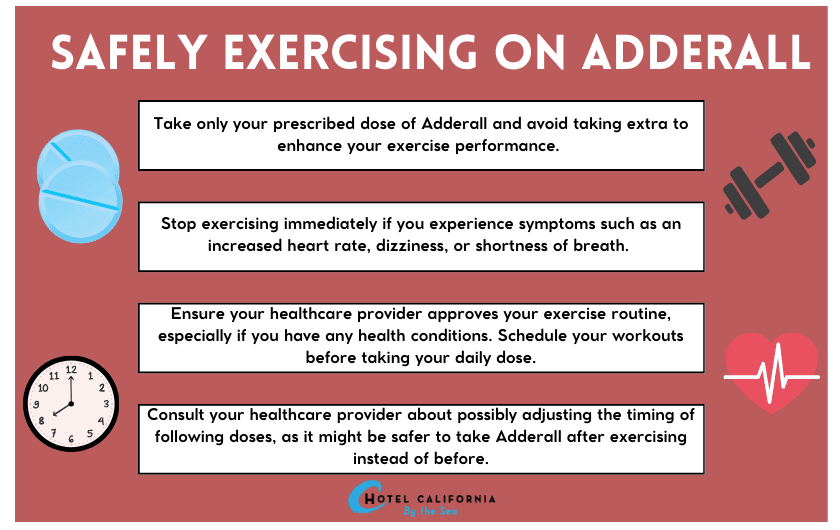
Image Source: www.hotelcaliforniabythesea.com
Grasping Adderall and Your Body
Adderall is a medicine. Doctors often give it for Attention-Deficit/Hyperactivity Disorder (ADHD). It is a stimulant. This means it speeds up parts of your brain. It helps you focus. It can also help control impulses.
But Adderall does more than help your brain. It also affects your body. It makes your heart work harder. It can make your heart beat faster. It can also make your blood pressure go up. These are normal effects of the medicine.
When you exercise, your heart rate naturally goes up. Your blood pressure also rises. This is how your body gets more blood and oxygen to your muscles. If you take Adderall, these normal exercise effects can become much bigger. This is why care is needed. Your heart is already working harder because of the medicine. Adding exercise on top can make it work even harder.
Key Concerns: Working Out on Adderall Risks
Exercising while on Adderall needs thought. There are some risks. It is good to know what they are. This helps you exercise safely.
Adderall and Heart Rate During Exercise
One main concern is your heart. Adderall speeds up your heart. When you exercise, your heart also speeds up. Doing both at once can make your heart rate very high. This can be risky.
A very fast heart rate can strain your heart. For some people, this strain is too much. It can lead to problems. Your doctor can tell you what heart rate is safe for you. You might need a heart rate monitor. This device helps you keep your heart rate in a safe zone.
Working Out on Adderall Risks
Beyond a fast heart rate, other risks exist.
* High Blood Pressure: Adderall can raise blood pressure. Exercise also raises it. The mix can make your blood pressure too high. Very high blood pressure can harm your blood vessels. It can also put stress on your heart.
* Irregular Heartbeat: Sometimes, Adderall can cause your heart to beat unevenly. Exercise can make this problem worse for some people. An irregular heartbeat needs quick medical help.
* Overheating: Stimulants like Adderall can affect your body’s way of cooling itself. You might sweat less. Or you might sweat more. Either way, it can make you too hot. This is called overheating or heat stroke. It is a serious risk.
* Dehydration: Adderall can make you feel less thirsty. This means you might not drink enough water. Exercise makes you sweat. You lose water quickly. Not drinking enough can lead to dehydration. Dehydration is bad for your body. It can also make overheating worse.
* Muscle Breakdown: In rare cases, severe strain and dehydration can lead to rhabdomyolysis. This is when muscle breaks down. It releases harmful things into your blood. This can hurt your kidneys.
Is It Safe to Exercise on Adderall?
For most healthy people, it can be safe to exercise on Adderall. But it is not safe for everyone. The key is to be careful. Always talk to your doctor. They will check your health. They will look at your heart. They will make sure it is safe for you. Without a doctor’s okay, exercising on Adderall can be very risky.
Adderall Exercise Precautions
To exercise safely on Adderall, take these steps:
* Talk to Your Doctor First: This is the most important step.
* Start Slow: Do not jump into hard workouts. Begin with easy exercises.
* Listen to Your Body: Pay attention to how you feel. If something feels wrong, stop.
* Stay Hydrated: Drink plenty of water before, during, and after your workout.
* Avoid Extreme Heat: Do not exercise in very hot places. This can increase the risk of overheating.
* Monitor Your Heart Rate: Use a device to check your heart rate. Stay within your doctor’s advised range.
* Know the Warning Signs: Learn what symptoms mean you should stop.
Before You Start: Consulting Your Doctor
Before you even think about lifting a weight or going for a run, talk to your doctor. This is the most important step. Your doctor knows your health history. They know about your Adderall dose. They can help you make a safe plan.
Consulting Doctor About Adderall and Fitness
When you talk to your doctor, be open and honest. Tell them everything.
* Your Health History: Share any past or current health issues. This includes heart problems, high blood pressure, or breathing issues.
* Your Fitness Level: Tell them how active you are now. Do you exercise often? Or are you just starting?
* Your Exercise Goals: What kind of exercise do you want to do? Light walking? Running? Weightlifting? High-intensity interval training (HIIT)?
* Your Adderall Dose: Your doctor will know your dose. But remind them. Tell them when you take it.
* Other Medicines: Mention any other medicines or supplements you take. They might interact with Adderall.
Your doctor might want to do some tests.
* Heart Check-up: They might do an EKG. This checks your heart’s electrical activity. It looks for problems.
* Blood Pressure Check: They will measure your blood pressure.
* Other Tests: They might do blood tests. These check your general health.
Based on these checks, your doctor will give you advice. They might say some exercises are too risky. They might suggest you change your Adderall dose. Or they might tell you the best time to take your medicine around your workouts. Their advice is key to your safety.
Exercise Guidelines While on Adderall
Once your doctor gives you the green light, you can start. But do so with care. These guidelines can help you stay safe.
Physical Activity While on ADHD Meds
No matter what ADHD medicine you take, start slowly. Do not push yourself too hard, too soon.
* Begin with Low Intensity: Start with easy exercise. Think walking, light cycling, or gentle swimming.
* Slowly Increase Time: Add a few minutes to your workout each week.
* Slowly Increase Effort: After a few weeks, you can try to go a bit faster. Or do a bit more.
* Listen to Your Body: If you feel bad, stop. Your body will tell you what is too much.
Stimulant Medication and Cardio
Cardio exercise makes your heart beat faster. It is important for your heart health. But it needs more care when you take a stimulant like Adderall.
* Monitor Your Heart Rate: This is very important. Use a fitness tracker or a heart rate monitor. Keep your heart rate in the safe zone your doctor gave you.
* Avoid Peak Adderall Effects: If you can, try to exercise when your Adderall is not at its strongest. For instant-release (IR) Adderall, this might be a few hours after taking it. For extended-release (XR), it might be later in the day. Your doctor can help you figure this out.
* Stay Hydrated: Drink water constantly. Before, during, and after your workout.
* Watch for Signs of Overheating: If you feel dizzy, sick, or confused, stop at once. Move to a cool place. Drink water.
Table: Safe Exercise Progression
| Stage | Activity Examples | Intensity | Key Focus |
|---|---|---|---|
| Stage 1: Start | Gentle walking, light stretching, easy swimming | Very low | Building habit, body awareness, doctor consult |
| Stage 2: Build | Brisk walking, light jogging, cycling, yoga | Low to Moderate | Gradual increase in time, listen to body |
| Stage 3: Advance | Moderate cardio, light weights, hiking | Moderate | Careful monitoring, consistent hydration |
Note: Always get doctor’s approval before moving between stages.
Managing Adderall Side Effects During Workout
Adderall can have side effects. These can feel worse during exercise. Knowing how to handle them is key.
Managing Adderall Side Effects During Workout
- Increased Heart Rate/Palpitations: Your heart might feel like it is pounding. Or it might skip a beat. If this happens often or feels very strong, stop. Rest. If it does not get better, get medical help.
- Jitteriness or Anxiety: You might feel shaky or nervous. This can be normal with Adderall. But exercise can make it worse. Focus on calm breathing. Do lower-intensity activities.
- Dry Mouth: This is common with Adderall. Exercise makes you breathe more. This makes your mouth even drier. Drink water often.
- Dizziness or Lightheadedness: This can be from blood pressure changes or dehydration. If you feel dizzy, stop your workout. Sit or lie down. Put your feet up. Drink water.
- Headache: Can be from dehydration or exertion. Drink water. Rest. If it is severe, stop.
Hydration on Adderall During Exercise
Staying hydrated is super important. Adderall can make you less aware of thirst. You might not drink enough. Exercise makes you sweat and lose water.
* Drink Before You Start: Have a glass of water an hour before your workout.
* Drink During Your Workout: Take sips of water every 15-20 minutes. Even if you don’t feel thirsty.
* Drink After Your Workout: Continue drinking water to replace lost fluids.
* Consider Electrolytes: For long or very sweaty workouts, consider a sports drink. Or add electrolyte tablets to your water. Electrolytes help your body keep water. They also help your muscles work well.
* Avoid Caffeine: Do not drink coffee or energy drinks before or during exercise. Caffeine is also a stimulant. It can make Adderall’s effects on your heart worse. It can also make you more dehydrated.
Timing Your Dose and Exercise
When you take your Adderall can matter for your workout. There is no one-size-fits-all rule. It depends on your body and your medicine.
Adderall Dose Timing Exercise
- Instant-Release (IR) Adderall: This type works quickly. It also wears off faster.
- Exercising Before Dose: Some people work out before taking their morning dose. This way, the stimulant is not affecting their heart during exercise.
- Exercising During Peak Effect: Others might exercise when the medicine is at its strongest. This could be 1-3 hours after taking it. If you do this, be extra careful. Monitor your heart closely.
- Exercising As It Wears Off: Some prefer to exercise as the medicine is fading. This could be 4-6 hours after an IR dose. The stimulant effect on the heart is less.
- Extended-Release (XR) Adderall: This type works for many hours. Its effects are more steady.
- Morning Workout: If you take XR in the morning, the stimulant effect will be there for hours. It might be hard to avoid it during your workout.
- Later Workout: If you work out later in the day, the effect might be less strong. But it will still be there.
Talk to your doctor about the best time for you. They can help you balance your medicine schedule with your fitness goals. They might suggest a lower dose on workout days. Or they might advise you to skip a dose if your workout is very intense.
Nutrition and Hydration: Pillars of Safety
Proper food and drink are always important for fitness. They are even more vital when you take Adderall.
Fueling Your Body
- Balanced Diet: Eat a variety of foods. Include lean protein, whole grains, fruits, and vegetables. This gives your body the energy it needs. It also helps your body repair itself after exercise.
- Regular Meals: Do not skip meals. Adderall can curb appetite for some. But your body needs fuel, especially when exercising.
- Healthy Snacks: If you struggle to eat big meals, have healthy snacks. Think nuts, fruit, or yogurt.
Maximizing Hydration
We talked about hydration. Let’s stress it again. It is super important.
* Carry Water: Always have a water bottle with you. Take sips throughout the day.
* Check Urine Color: A good way to tell if you are hydrated is to check your urine. It should be light yellow. Dark urine means you need to drink more.
* Before, During, After: Make drinking water a habit around your workouts.
Listening to Your Body: Your Best Guide
No one knows your body better than you. Pay close attention to how you feel. This is your most important safety tool.
Heeding Warning Signs
If you feel any of these during your workout, stop at once:
* Chest pain or pressure: This is serious. Get medical help right away.
* Severe shortness of breath: Feeling like you cannot get enough air.
* Sudden dizziness or fainting: Losing balance or blacking out.
* Extreme fatigue: Feeling unusually tired or weak.
* Irregular heartbeat: A very fast, slow, or jumpy heart rhythm that doesn’t calm down.
* Severe headache: A very bad pain in your head.
* Muscle cramps or pain: Especially if it is severe and does not go away with rest.
* Feeling overheated or chills: Feeling too hot with no relief, or feeling cold when you should be warm.
If you have any serious symptoms, get medical help. Call emergency services if needed. Do not wait.
Regular Self-Checks
- Before Exercise: How do you feel today? Are you well-rested? Hydrated?
- During Exercise: How is your breathing? Your heart rate? Any odd feelings?
- After Exercise: How do you feel afterward? Any lingering issues?
Keep a workout journal. Write down how you feel. Note your heart rate. This helps you spot patterns. It also gives your doctor good information.
Specific Exercise Types and Adderall
Different types of exercise affect your body in different ways. Some need more care with Adderall.
Cardio Exercise
- Benefits: Good for heart health, stamina, mood.
- Considerations: This type of exercise directly impacts your heart rate and blood pressure.
- Monitoring: Use a heart rate monitor. Stay in the safe zones your doctor suggests.
- Examples: Brisk walking, cycling, swimming, elliptical. Start with low intensity. Avoid very high-intensity interval training (HIIT) at first. Or avoid it completely if your doctor advises.
Strength Training
- Benefits: Builds muscle, strengthens bones, boosts metabolism.
- Considerations: Less direct impact on heart rate compared to cardio. But heavy lifting can cause temporary blood pressure spikes.
- Monitoring: Still important to listen to your body. Avoid holding your breath while lifting. This can raise blood pressure.
- Examples: Lifting weights, using resistance bands, bodyweight exercises (push-ups, squats).
Mind-Body Exercises
- Benefits: Improve flexibility, balance, focus, and reduce stress. Less impact on heart rate.
- Considerations: Generally safer for heart rate and blood pressure concerns.
- Examples: Yoga, Pilates, Tai Chi. These can also help with ADHD symptoms.
Long-Term Outlook: A Healthy Blend
Combining Adderall with a fitness routine can be very good. Exercise offers many benefits for people with ADHD. It can help with focus. It can improve sleep. It can reduce stress. It can also boost mood.
Sustaining a Healthy Lifestyle
- Consistent Activity: Try to be active most days of the week. Even short bursts of activity add up.
- Adapt as Needed: Your body changes. Your Adderall dose might change. Your fitness routine should change with them.
- Regular Doctor Visits: Keep seeing your doctor. Tell them about your exercise habits. They can help you adjust your plan over time. This keeps you safe and healthy.
A healthy lifestyle includes good food, enough sleep, and regular activity. When managed well, Adderall can be a part of this healthy life. Exercise can make Adderall work even better for your overall well-being. But safety must always come first.
FAQ: Your Questions Answered
Here are answers to common questions about Adderall and exercise.
Q1: Can Adderall cause heart problems during exercise?
A1: Yes, Adderall can make your heart beat faster and raise your blood pressure. Exercise does the same. Together, this can strain your heart. For some people, this could lead to heart problems. Always talk to your doctor first.
Q2: What are the main signs to stop exercising on Adderall?
A2: Stop immediately if you feel chest pain, severe shortness of breath, dizziness, extreme fatigue, a very irregular heartbeat, or a severe headache. Get medical help if symptoms are serious or don’t go away.
Q3: How much water should I drink when working out on Adderall?
A3: Drink plenty of water. Sip water before, during, and after your workout. Aim for at least 8-10 glasses of water daily, plus extra for exercise. Listen to your body and drink whenever you feel thirsty.
Q4: Is it better to exercise before or after taking Adderall?
A4: There is no single “best” time. It depends on your body and Adderall type (IR or XR). Some prefer to exercise before their dose. Others prefer to wait until the medicine’s peak effect passes. Talk to your doctor to find the safest time for you.
Q5: Can exercise help with ADHD symptoms when on Adderall?
A5: Yes, exercise can greatly help with ADHD symptoms. It can improve focus, reduce hyperactivity, lower stress, and boost mood. It works well with Adderall to support your overall well-being.
Q6: Should I avoid certain types of exercise while on Adderall?
A6: High-intensity exercise, like very long runs or intense cardio, might be riskier at first. This is due to the added strain on your heart. It’s best to start with low-to-moderate intensity activities. Always follow your doctor’s specific advice.
Q7: What if my doctor says no to exercise on Adderall?
A7: Your doctor’s word is final for your safety. If they advise against exercise, it’s for a good reason. They might suggest other ways to manage your health. Or they might want to adjust your Adderall dose. Work with them to find a safe path forward.