
Yes, you can often exercise after a massage, but it really depends. It’s not usually a good idea to do a tough workout right away. How long after a massage you should wait, and what kind of activity is okay, depends a lot on the type of massage you had and how your body feels. Exercising the same day as a massage, especially a deep one, might not be the best choice. We will look at when exercising after massage is okay and when you should rest.
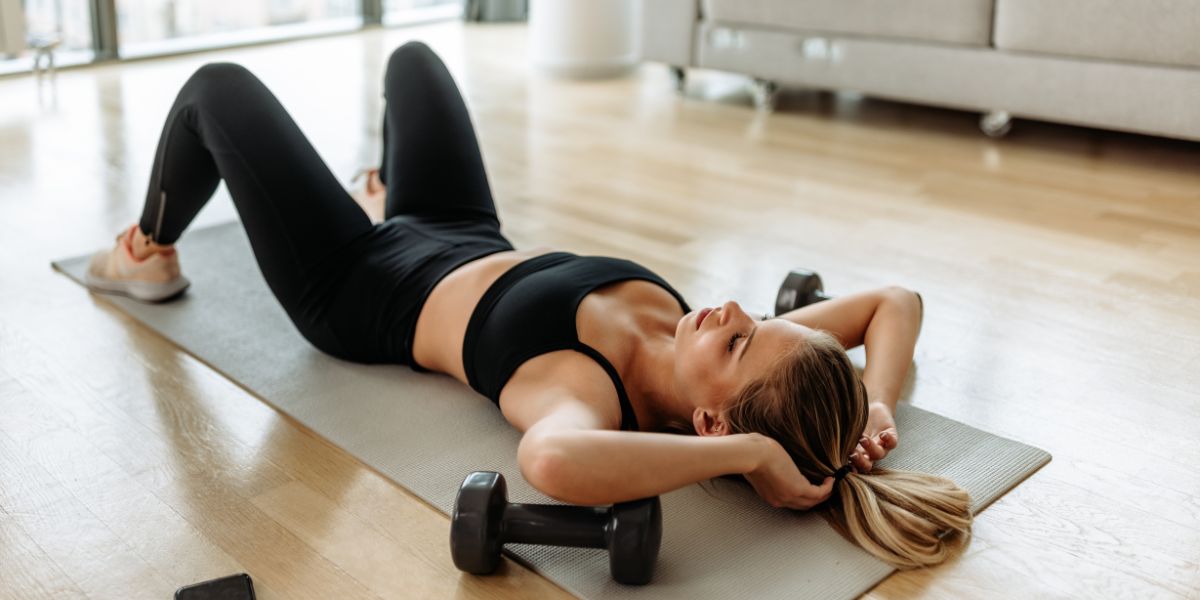
Image Source: raisetbar.com
Deciphering the Post-Massage State
When you get a massage, many things happen inside your body. The massage therapist uses different strokes and pressures on your muscles and soft tissues. This can feel good, but it also causes physical changes.
What Happens During a Massage?
Think of your muscles like sponges. When they are tight, they hold onto things. Massage helps squeeze and release these muscles.
Your muscles are made of fibers. These fibers can get stuck together or hold tension from daily life, stress, or exercise. A massage helps to loosen these fibers. It encourages them to relax and lengthen. This can feel like knots are being worked out.
The pressure from the massage can also affect your nervous system. It often helps to lower your body’s stress response. This is why you might feel calm and sleepy after a massage.
Immediate Effects on Muscles and Blood Flow
One big effect of massage is on your blood flow. As the therapist works on your muscles, they help push blood through the tissues. When they release the pressure, new blood flows in. This brings fresh oxygen and nutrients to the muscles. It also helps carry away waste products, like lactic acid, that can build up and make muscles sore.
Massage also helps increase the flow of lymph fluid. The lymphatic system helps your body clean itself and fight off sickness. Massage can give this system a boost.
Your muscles themselves relax. This is especially true if the massage was aimed at reducing tension. Relaxed muscles are less likely to feel tight or cramped. However, sometimes, especially after deeper work, the muscles might feel a bit bruised or tender as they adjust.
Why You Might Feel Different
After a massage, people feel many different ways. Some feel very relaxed, almost sleepy. Others feel a burst of energy because blood flow has improved. Some might feel a little lightheaded or even have a slight headache.
It’s common to feel some muscle soreness after certain types of massage, especially deep tissue work. This is like the feeling you get after a workout, but it comes from the massage itself. The therapist has worked on tissues that were tight or holding tension, and they need time to settle down.
This feeling different means your body is still processing the massage. It’s adjusting to the changes that were made. Thinking about exercising while your body is in this state requires careful thought.
Different Massages, Different Rules
Not all massages are the same. A light, relaxing Swedish massage is very different from a deep sports massage aimed at fixing muscle problems. The type of massage you receive should guide your decision about when and how to exercise afterward.
Gentle vs. Deep Tissue Massage
Imagine a gentle rain versus a strong downpour. That’s a bit like comparing a gentle massage to a deep tissue one.
Swedish Massage and Exercise
Swedish massage is known for its relaxing strokes. It uses kneading, long strokes, circular movements, and sometimes tapping and vibration. The goal is usually to relax the whole body, reduce stress, and improve circulation generally.
After a Swedish massage, you might feel very relaxed and maybe a little sleepy. Your muscles will likely feel less tense. Because this type of massage is not usually intense on specific muscle knots or deep layers, your body might recover more quickly.
Doing light exercise after a Swedish massage is often okay. Things like a gentle walk, easy stretching, or light yoga are usually fine. A tough workout right away might still be too much, as your body is in a relaxed state. It’s often best to wait a few hours or until the next day for more intense exercise.
Exercise after deep tissue massage
Deep tissue massage uses much firmer pressure. The therapist works on deeper layers of muscle and connective tissue. The goal is often to break up scar tissue, release chronic muscle tension, and help with specific muscle problems. This type of massage can be quite intense and sometimes uncomfortable during the session.
After a deep tissue massage, it’s very common to feel sore, like you’ve had a hard workout. The therapist has worked deeply into tissues that might have been tight for a long time. These tissues need time to recover and heal.
Exercising after deep tissue massage is usually not recommended right away. Your muscles might feel tender or bruised. Pushing them hard with exercise can make the soreness worse. It could also lead to injury because the muscles are still adjusting and might not have their usual strength or stability.
Most therapists recommend waiting at least 24 hours, and sometimes even 48 hours, before doing any strenuous exercise after a deep tissue massage. Light movement, like a very easy walk, might be okay later the same day, but listen carefully to your body.
Comparing Recovery Needs
Here’s a simple way to think about it:
- Gentle Massage (like Swedish): Focus is relaxation. Recovery needed is minimal. Light exercise possible sooner.
- Deep Massage (like Deep Tissue): Focus is fixing deeper muscle problems. Recovery needed is more significant. Strenuous exercise should be delayed.
Sports Massage and Physical Activity
Sports massage is often done on people who are active, like athletes. It can be done before an event (pre-event) or after an event (post-event), or as part of regular training. The techniques used can be similar to deep tissue, but the focus is on muscles used in a specific sport.
Workout after sports massage – Is it different?
Yes, the recommendations for a workout after sports massage can be a little different, depending on when you get it.
- Pre-event Sports Massage: This is usually lighter and aims to warm up muscles and get the body ready for activity. You would typically exercise or compete very soon after this type of massage.
- Post-event or Recovery Sports Massage: This is usually done hours or a day after a tough event or workout. It aims to help muscles recover. This type of massage can be intense, similar to deep tissue. After this, your body needs rest to process the work and recover. Exercising intensely again right away is usually not advised.
- Maintenance Sports Massage: Done regularly as part of training. It can be quite deep. Like deep tissue massage, you often need time to recover before a hard workout.
So, whether you can do a workout after sports massage depends heavily on why you got the massage. If it was for recovery or maintenance involving deep work, treat it like a deep tissue massage regarding post-massage exercise.
Timing Your Sports Massage
If you are an athlete, think carefully about scheduling. Don’t get a deep sports massage the day before a big competition or a very hard training session. Schedule it to allow for enough recovery time afterward. Your therapist can help you decide the best timing based on your training schedule.
Other Massage Types
Many other massage types exist.
- Hot Stone Massage: Often very relaxing. The heat helps muscles relax. Usually, light activity is fine later, but intense exercise might feel jarring after being so relaxed.
- Lymphatic Drainage Massage: A very gentle massage aimed at helping the lymphatic system. It’s not physically taxing on muscles. Gentle movement is usually okay, but hydration is key.
- Trigger Point Therapy: Focuses on specific tight spots (trigger points) within muscles. Can be intense on those spots. Like deep tissue, expect localized soreness, and avoid heavy exercise that stresses those areas.
The key is to understand the intensity and goal of the massage you received. More intense work on muscles means more need for rest and lighter activity afterward.
Your Body’s Response: Listening Carefully
No matter the massage type, your body’s signals are the most important guide. How you feel after the massage tells you a lot about what you should or shouldn’t do.
Potential Side Effects of Massage
While massage is usually safe and helpful, there can be side effects, especially if it was deep or focused on tight areas.
- Soreness: This is the most common side effect, particularly after deep tissue or sports massage.
- Bruising: Sometimes light bruising can occur, especially if you bruise easily or had very deep work.
- Fatigue: Feeling tired or sleepy is common.
- Lightheadedness or Dizziness: Can happen, especially if you get up too quickly after the massage.
- Headache: Less common, but can happen, sometimes related to dehydration or tension release.
Muscle soreness after massage and exercise
Let’s talk more about muscle soreness after massage and exercise. If your muscles are already sore from the massage, adding the stress of exercise will likely make them even more sore. It can also change how your muscles work, possibly leading to poor form during exercise and increasing your risk of injury.
Think of it this way: the massage caused tiny changes and maybe some minor irritation in the muscle fibers (in a good way, to help them release). Exercise also causes changes and microscopic tears in muscle fibers (which is how they get stronger, but it requires recovery). Doing both too close together is like trying to build a house while the foundation is still setting.
If you have significant muscle soreness after massage and exercise will just add more load onto tissues that are trying to heal and adapt. This is why rest or very light activity is recommended.
Fatigue and Dizziness
If you feel tired or dizzy after a massage, this is a clear sign that your body needs to rest. Trying to exercise when you are fatigued or lightheaded is dangerous. You could fall, use poor form, or simply not have the energy for a safe or effective workout. Your body is telling you it needs time to recover and rebalance.
How to Know if You’re Ready
Listen to your body. This is the golden rule.
- Check for soreness: Are your muscles tender to touch or when you move? If yes, especially widespread or deep soreness, hold off on intense exercise.
- Check your energy levels: Do you feel refreshed, or tired and heavy? If you feel tired, rest.
- Check for other symptoms: Any headache, dizziness, or nausea? Do not exercise if you have these.
- Gauge your mental state: Do you feel relaxed and calm, or hyped up and ready to go? If you feel very relaxed, maybe lean into that relaxation rather than trying to pump yourself up for a workout.
If you feel good and had a light massage, light activity might be okay. If you feel any of the negative signs, err on the side of caution and rest.
Timing Your Exercise: How Long to Wait
The big question is, how long after massage can I exercise? There’s no single perfect answer for everyone or every massage, but we can give some general rules and address when to exercise after massage.
Immediately After Massage (Generally Not Recommended)
Right after a massage, your muscles are relaxed, your circulation is increased, and you might feel calm or even a bit wobbly. Your body is still adjusting. Jumping into exercise right away, especially anything strenuous like running, heavy lifting, or a high-intensity class, is usually not a good idea.
Why?
* Muscles might be too relaxed to provide proper support.
* Proprioception (your sense of where your body is in space) might be slightly off.
* You might be dehydrated (massage can be dehydrating, and you sweat during exercise).
* If you had deep work, the tissues need time to settle.
Even after a light massage, it’s wise to give your body at least an hour or two to fully come back to a normal state before doing anything more than walking.
Exercising same day as massage: What’s Okay?
So, exercising same day as massage – can you do it? Yes, sometimes, but with important limits.
Light Activity vs. Intense Workout
The key is “light activity.” An intense workout that pushes your muscles hard, gets your heart rate very high for a long time, or involves heavy weights is generally not recommended on the same day as most massages, especially deep ones.
Light activity means something gentle that doesn’t stress your system.
Walking and Stretching
Good examples of light activity that might be okay later the same day include:
- A gentle walk outdoors or on a treadmill.
- Light stretching, focusing on gentle, pain-free movements. Avoid deep, aggressive stretching.
- Gentle yoga or Tai Chi that focuses on slow movements and relaxation.
- Using a foam roller very gently (if recommended by your therapist and done lightly).
These activities can actually help keep blood flowing gently and prevent stiffness, without putting too much stress on the muscles that were worked on.
Waiting 24 Hours or More
For deep tissue massage, intensive sports massage, or if you experienced significant soreness, waiting 24 hours is usually the minimum recommendation. Waiting 48 hours is even better if the massage was very intense or if you feel very sore.
This waiting period gives your muscles time to:
* Finish releasing tension.
* Allow any minor tissue changes to settle.
* Reduce soreness.
* Rehydrate properly.
* For your nervous system to return to its baseline.
When you wait, your first workout back can be more effective and less likely to cause injury or extreme soreness.
Specific Guidance for Different Massage Types
To help you decide when to exercise after massage, here is a quick guide based on type:
- Swedish or Relaxation Massage: Wait 1-2 hours before light activity (walk, gentle stretch). Wait 4-6 hours or until the next day for moderate or intense exercise.
- Deep Tissue Massage: Wait at least 24 hours before any moderate exercise. Wait 48 hours or more before intense exercise or heavy lifting, especially if you feel sore. Light walking or gentle stretching later the same day might be okay if you feel good, but listen carefully.
- Post-Event Sports Massage: Treat like Deep Tissue. Focus on rest and recovery for 24-48 hours before resuming hard training. Light active recovery (easy walk) might be okay the next day.
- Pre-Event Sports Massage: Designed to be done right before activity. Exercise immediately or soon after as planned for your event. (Note: This is the exception, not the rule).
Always talk to your massage therapist. They know the work they did and your body’s specific needs. They can give you personalized advice on how long after massage can I exercise.
The Right Activity Level After Massage
Okay, you’ve decided you want to exercise or it’s been long enough to resume. What kind of activity level after massage is appropriate?
Why Low Intensity is Best
When you first resume exercise after a massage, especially after a deeper one, keeping the intensity low is important.
- Reduced Soreness: Starting light helps you gauge how your body truly feels without overloading it. If you jump into a hard workout with underlying soreness you didn’t fully notice, you’ll likely feel much worse afterward.
- Injury Prevention: Massage changes muscle tone and potentially flexibility. Your body might move slightly differently. Starting light allows you to move carefully and check your form. Pushing hard when muscles are still adapting increases injury risk.
- Maintaining Benefits: A tough workout can sometimes undo some of the relaxation and tension release gained from the massage, especially if you tense up or use poor form due to fatigue or subtle soreness.
- Listening to Your Body: Low intensity makes it easier to hear your body’s signals. If something feels wrong, you can stop easily.
Examples of Light Exercise
- Walking: As mentioned, a gentle walk is excellent. It promotes blood flow without pounding your joints or heavily loading muscles.
- Easy Cycling: A flat, relaxed bike ride, not a hilly or fast one.
- Gentle Swimming: Laps at an easy pace, focusing on smooth movement rather than speed or endurance.
- Light Yoga or Pilates: Choose classes labeled “gentle,” “restorative,” or “beginner.” Avoid power yoga or intense core work initially.
- Foam Rolling / Self-Massage (Gentle): If instructed by your therapist, very gentle rolling might help, but avoid deep pressure.
- Basic Bodyweight Movements: A few easy squats, lunges (not deep), or arm circles, focusing on range of motion over strength.
The goal is movement, not challenge.
When to Avoid Strenuous Activity
Avoid anything that significantly increases heart rate, muscle load, or impact if it’s soon after a moderate to deep massage:
- Running (especially fast or long distance)
- Heavy weightlifting
- High-intensity interval training (HIIT)
- Plyometrics (jumping exercises)
- Intense sports games
- Very long or difficult workouts
These should be saved for at least 24 hours, and ideally 48 hours or more, after a deep massage, and often for the next day even after a lighter massage if you’re feeling tired or sore.
Building Back Up
When you do return to your regular exercise routine after the recommended rest period, consider starting with a slightly lower intensity or shorter duration than usual for the first session. See how your body responds during and after the workout. If you feel good, you can gradually increase the intensity back to your normal level over the next day or two.
Paying attention to your activity level after massage ensures you gain the benefits of the massage without harming your body or hindering your recovery.
Grasping the Benefits of Rest
You might be eager to get back to your routine, but stopping to ask should I rest after massage is a smart move. Often, rest is not just okay, it’s the best thing you can do.
Letting Muscles Recover
Massage, especially deep work, stimulates your muscles and tissues. While it helps release tension and improve blood flow, it also puts a certain kind of stress on the tissue. Think of it like kneading dough – it’s a necessary process, but the dough needs a moment to rest and settle afterward before it’s baked.
Your muscles need time to fully let go of old tension patterns and adapt to their new, more relaxed state. This process happens best when the muscles are not immediately asked to perform hard work. Rest allows them to integrate the changes from the massage.
Maximizing Massage Effects
Massage can have effects beyond just the muscles. It impacts your nervous system, helping to shift you from a stressed state to a relaxed one. It boosts circulation and lymphatic flow, which helps your body clean itself and recover.
Pushing your body with intense exercise immediately after disrupts this rest and recovery process. It can pull your nervous system back into a stressed state, potentially reducing the mental relaxation benefits. It can put strain on tissues that are still processing the physical work, potentially limiting the full physical benefits like improved range of motion or reduced pain.
Rest allows your body and mind to fully absorb the positive effects of the massage. It lets your nervous system settle into a calm state, your circulation continue its gentle work, and your muscles integrate the release of tension.
When Rest is Essential
Rest is not optional but essential if you had:
- A deep tissue massage.
- An intense sports massage (recovery focus).
- A massage that focused on a specific injury or very tight area.
- A massage that caused significant soreness during or after.
- If you feel tired, lightheaded, or unwell after the massage.
Even after a lighter massage, choosing rest over intense activity can enhance the overall feeling of well-being and relaxation the massage provided. Resting for the rest of the day after a relaxing massage lets you hold onto that calm state.
Post-Massage Care and Exercise
Proper post-massage care and exercise considerations go hand-in-hand. Taking care of yourself after a massage helps your body get the most out of the session, whether you choose to exercise or rest.
Hydration is Key
Massage can be dehydrating. Waste products are released from the muscles, and increased circulation uses up fluid. Drink plenty of water after your massage. This helps flush out those waste products and keeps your tissues happy and hydrated, which is crucial whether you plan to rest or do some light activity. Dehydration can make muscle soreness worse and impact your energy levels.
Gentle Movement and Stretching
As discussed, light movement like walking or gentle stretching can be beneficial, especially if you tend to stiffen up after a massage. This keeps blood flowing and helps maintain the new range of motion you might have gained. Just keep it gentle and pain-free. Don’t force stretches.
Avoiding Extreme Temperatures
It’s often recommended to avoid very hot showers, baths, saunas, or ice baths right after a massage. Moderate temperatures are usually fine. Extreme heat can sometimes increase inflammation or make you feel dizzy after a massage. Extreme cold might shock the muscles that are trying to relax.
Fueling Your Body
Eat a nutritious meal or snack after your massage. Your body has been working and might need fuel. A balanced meal helps your muscles recover and provides energy, which is important if you plan any activity later.
Combining these post-massage care and exercise principles ensures you support your body’s recovery and adaptation process, maximizing the benefits of your massage session.
When to Consult a Professional
If you have questions about when to exercise after massage, especially regarding a specific health condition, injury, or if you experience unusual pain or symptoms after a massage, always talk to a professional.
- Your Massage Therapist: They are the best person to ask about post-massage activity based on the work they did, your health history, and your activity level. They can give tailored advice.
- Your Doctor: If you have an existing injury, chronic condition, or develop concerning symptoms after a massage, consult your doctor before exercising.
- A Physical Therapist or Trainer: If you work with these professionals, let them know you received a massage. They can help adjust your exercise plan for that day or the next.
Don’t guess if you are unsure. Seeking professional advice is key to staying safe and getting the most benefit from both massage and exercise.
Summarizing Best Practices
Deciding when and how to exercise after a massage doesn’t have to be complicated. Here’s a quick summary to guide you.
Quick Guide Table
| Massage Type | Typical Intensity | Immediate Post-Massage (0-1 hour) | Same Day (1+ hours later) | Next Day (24+ hours later) | Listen For / Key Considerations |
|---|---|---|---|---|---|
| Swedish / Relaxation | Low | Rest / Gentle Movement | Light activity (walk, gentle stretch, easy yoga) | Moderate to Intense exercise usually fine | Feeling relaxed, maybe sleepy. Avoid high impact right after. |
| Deep Tissue | High | Rest | Rest or VERY light walk/stretch only if feeling good | Light to Moderate exercise (gauge soreness) | Soreness is likely. Delay strenuous activity until soreness is gone. |
| Post-Event Sports | High | Rest | Rest | Active Recovery (easy walk) then gradual return to moderate/intense training | Body is already recovering from event. Extra rest is crucial. |
| Pre-Event Sports | Depends (often light/invigorating) | Exercise/Compete as planned | Exercise/Compete as planned | Resume normal training | Aimed at preparing for activity. Should not cause significant soreness. |
| Trigger Point Therapy | High (localized) | Rest | Rest or VERY light movement, avoiding stressed areas | Light activity avoiding pain points, then gradual return | Localized soreness is common. Avoid exercising areas that feel very tender. |
Important Note: This table is a general guide. Always listen to your body first and consult your therapist.
Questions People Ask
Here are answers to some common questions about is it okay to workout after massage, should I rest after massage, and other timing questions.
Can I lift weights after a massage?
Generally, no, not right away, especially if you had a deep tissue or intense sports massage. Heavy lifting puts significant stress on muscles and connective tissues that might be very relaxed or slightly tender after a massage. Lifting weights the same day, or even the next day if you’re sore, can increase the risk of muscle strain or injury and might make post-massage soreness much worse. Wait at least 24 hours, and ideally 48 hours after deep work, before lifting heavy weights. If you had a very light massage and feel completely fine, very light weights might be okay, but it’s still safer to wait.
Is running okay after a deep tissue massage?
Usually, no. Running is a high-impact activity that heavily loads the muscles in your legs and core. After a deep tissue massage, these muscles need time to recover and adjust. Running on them too soon, especially if they are sore, can increase the risk of injury like strains or pull, and will definitely make you feel more sore. Wait at least 24-48 hours, depending on the intensity of the massage and your soreness level, before going for a run. A very gentle walk is a better option for same-day activity.
What if I feel great right after the massage?
Feeling great is wonderful! Massage can definitely leave you feeling energized and loose. However, sometimes this feeling can mask the fact that your muscles have just undergone significant work, especially after deep tissue massage. It’s a bit like having Novocain at the dentist – you feel fine, but the area still needs careful treatment. Even if you feel amazing, it’s wise to stick to lighter activity or rest initially, particularly if you had a deep massage. Overdoing it just because you feel great in the moment can lead to increased soreness or injury later. Listen to the general guidelines for the type of massage you received, in addition to how you feel.
Does stretching count as exercise?
Gentle, passive stretching is usually considered a light activity and can be okay or even beneficial after a massage, particularly later the same day. It helps maintain flexibility gained and promotes gentle blood flow. However, aggressive or ballistic stretching that involves bouncing or pushing muscles to their limit should be avoided, especially after a deep massage, as the muscles might be more vulnerable to strain. Think of it as gentle movement rather than a strenuous workout.
Conclusion
To sum it up, while the answer to “Can I exercise after massage?” is often yes, the key is timing, type, and intensity. Avoid intense workouts right after a massage. Listen to your body carefully – if you’re sore, tired, or lightheaded, rest is the best course of action. For most moderate to deep massages, wait at least 24 hours before returning to moderate exercise and 48 hours or more for intense training. Light activity like walking or gentle stretching might be okay later the same day after lighter massages, or even deep ones if you feel well, but always start slowly.
Prioritizing rest and gentle activity level after massage helps your body maximize the benefits of the therapy, reduces the risk of injury, and ensures you feel your best in the long run. Combine proper rest periods with good post-massage care and exercise choices, like staying hydrated and eating well. Your body will thank you.