
Can I exercise after laser eye surgery? Yes, you absolutely can exercise after laser eye surgery, but you must follow a careful timeline. Your eyes need time to heal properly after the procedure. Doing too much too soon can cause problems and affect your results. It is very important to listen to your eye doctor’s advice about when and how you can start being active again. This guide will help you understand the general steps for getting back to your favorite exercises safely.
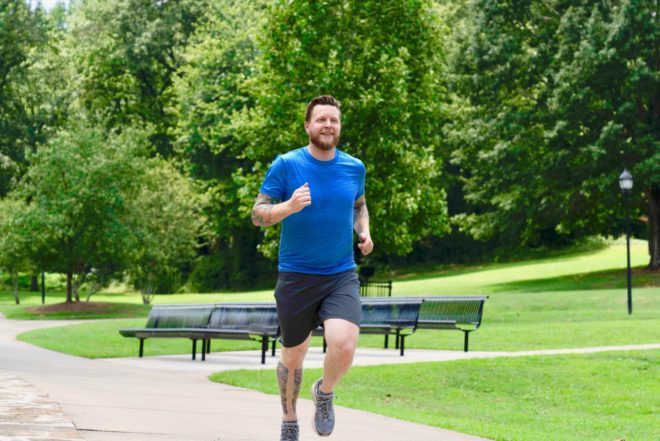
Image Source: dipq1ffvwc8eb.cloudfront.net
Why Rest Matters After Eye Surgery
Your eyes are delicate, especially after a procedure like LASIK or PRK. During laser eye surgery, a laser reshapes the front part of your eye to fix your vision.
With LASIK, the surgeon makes a thin flap on the cornea (the clear front surface of the eye). They lift this flap, use the laser, and then put the flap back. The flap needs time to stick back down and heal.
With PRK (Photo Refractive Keratectomy), the surgeon removes the top layer of the cornea before using the laser. This top layer then needs to grow back completely. This takes longer than flap healing.
Any exercise that raises your heart rate, makes you sweat, or risks bumping your eye can harm this healing process.
General Exercise Rules After Laser Eye Surgery
Here are some basic rules to keep in mind after your surgery:
- Listen to your doctor: Your eye surgeon knows your specific case best. Always follow their exact instructions. These doctor recommendations exercise after LASIK are the most important rules.
- Start slow: Do not jump back into intense workouts right away.
- Avoid touching your eyes: Do not rub, poke, or press your eyes.
- Keep things clean: Do not let dirt, sweat, or water get into your eyes. Avoiding sweat in eyes after surgery is very important.
- Protect your eyes: Wear protective eyewear, especially for certain sports.
Ignoring these rules can lead to complications like:
- Infection
- Displacing the corneal flap (LASIK)
- Slow or poor healing
- Pain or discomfort
- Worse vision results
Post-LASIK Activity Timeline: Getting Back to Activity
Returning to exercise must be done step-by-step. This post-LASIK activity timeline gives you a general idea, but remember that everyone heals differently.
Day 1 After Surgery
Right after your surgery, your vision will be blurry. Your eyes might feel gritty or sensitive.
- Activity: Rest. Do not do any exercise. Avoid bending over or anything that puts pressure on your eyes. Avoid reading or screen time for long periods. Just relax.
- What to watch for: Any severe pain or sudden loss of vision. Call your doctor if this happens.
First Few Days (Days 2-3)
Your vision should start to clear up. You might still have some dryness or discomfort.
- Activity: You can do very light activities around the house. Gentle walking is usually okay, but do not get sweaty. Keep your head still. Avoid anything that could bump your eye.
- LASIK exercise restrictions: No bending, no lifting heavy things, no sweating, no sports.
- Avoiding sweat in eyes after surgery: Wear a clean headband if you walk outside to catch any sweat.
One Week After Surgery
Many people feel much better by now. Vision is clearer, and discomfort is less.
- Activity: Light exercise is often allowed. This means gentle walking or using a stationary bike at a low speed and low resistance. Keep the intensity low enough that you do not sweat much.
- When can I run after LASIK? Generally, not yet. Running causes more bouncing and sweat than gentle walking. Wait a little longer.
- Weightlifting after LASIK: Very light weights might be okay if cleared by your doctor, but avoid straining or holding your breath, as this increases eye pressure. It’s best to wait.
- Safe exercise after laser eye surgery: Gentle walks indoors or on a treadmill at a slow pace.
- Avoiding sweat in eyes after surgery: Use a clean towel to pat your face if needed. Do not let sweat drip into your eyes.
Two Weeks After Surgery
Healing is progressing well for most people.
- Activity: You can usually increase the intensity of your workouts now.
- When can I run after LASIK? Often okay now. Start with shorter, slower runs. See how your eyes feel. If you experience pain, dryness, or vision changes, stop and rest.
- Weightlifting after LASIK: Can usually start lifting moderate weights. Avoid lifting very heavy weights that make you strain or hold your breath hard.
- Safe exercise after laser eye surgery: Running, cycling (avoid rough paths), elliptical, most gym machines.
- Avoiding sweat in eyes after surgery: Still important! Keep that towel handy.
One Month After Surgery
Most restrictions are lifted, but some activities still need caution.
- Activity: You can typically return to most regular exercises.
- Swimming after laser eye surgery: This is a big one. You usually need to wait at least one month, and you must wear goggles that seal well. Eyes are still more prone to infection from water.
- Contact sports after eye surgery: High-risk sports like basketball, soccer, martial arts, or boxing usually require waiting longer, often 1-3 months, and always wearing protective eyewear.
- Safe exercise after laser eye surgery: Almost all activities, but check with your doctor about contact sports or water sports.
- Post-LASIK activity timeline: By one month, you should be back to your usual routine, with special care for water and impact sports.
Three to Six Months and Beyond
Your eyes should be well healed.
- Activity: Most people have no exercise restrictions at this point.
- Contact sports after eye surgery: With proper protective eyewear (like sports goggles made for your sport), you can usually participate. Your doctor will give the final okay.
- Swimming after laser eye surgery: Okay with goggles.
Table: General Post-LASIK Exercise Timeline
This table summarizes the typical timeline. Always confirm with your own eye doctor.
| Time After LASIK | Allowed Activities | Avoid Activities | Important Notes |
|---|---|---|---|
| Day 0 (Surgery Day) | Rest, sleeping | Everything else (reading, screens, bending, exercise) | Keep shield on. Take prescribed drops. |
| Days 1-3 | Very light walking around the house | Strenuous activity, bending, lifting, sweating, rubbing eyes, screens for long time | Continue drops. Protect eyes. |
| Week 1 | Gentle walking, very light stationary bike | Running, heavy lifting, contact sports, swimming, getting sweat in eyes | Avoid sweat in eyes after surgery. Use headbands. Start very slow. |
| Week 2 | Moderate walking, light running, moderate stationary bike, light weightlifting (no straining) | Heavy lifting, contact sports, swimming, getting sweat in eyes | LASIK exercise restrictions ease slightly. Still avoid heavy impact/sweat. |
| Month 1 | Most regular exercise (running, gym machines, cycling) | Swimming (without goggles), contact sports (without protection), very heavy lifting | Can run after LASIK for longer distance. Weightlifting after LASIK can increase. |
| 1-3 Months | Most activities | High-impact/contact sports (without protection), swimming (without goggles) | Introduce contact sports after eye surgery carefully, with protection. |
| 3+ Months | All activities (with proper protection for contact/water) | None, typically | Safe exercise after laser eye surgery includes almost everything. |
(This table is a general guide. Your doctor’s advice is the best guide.)
Special Considerations for PRK
PRK involves removing the top layer of the cornea. This layer must regrow. This makes the early recovery phase different and often longer than LASIK.
- Pain and discomfort: PRK recovery is usually more uncomfortable in the first few days compared to LASIK.
- Vision recovery: Vision takes longer to clear up with PRK. It might be blurry for a week or more.
- PRK exercise recovery time: Because the surface is healing, the initial exercise restrictions are usually stricter and last longer than with LASIK.
PRK Exercise Timeline Differences:
- First few days to a week: Strictly rest. Avoid any activity that raises heart rate or causes sweating. The focus is on letting the new surface layer form.
- Weeks 1-2: Very light walking only, if comfortable and cleared by your doctor. Absolutely no sweat or dirt near the eyes.
- Weeks 2-4: Gradual introduction of light to moderate exercise like gentle cycling or walking. Still avoid high-impact activities, heavy lifting, and anything risky.
- Month 1-2: Can usually start running and most gym activities. Still need to be very careful about impact and sweat. Water activities and contact sports are still off-limits.
- Months 2-3: Can usually start swimming with goggles.
- Months 3-6: High-impact and contact sports can usually be resumed, with protective eyewear.
PRK exercise recovery time is generally slower than LASIK recovery for exercise. Be patient and follow your doctor’s specific timeline for you.
Grasping the Risks for Specific Activities
Some exercises carry specific risks after laser eye surgery.
Running and Cardio
- Risk: Sweat dripping into eyes, rubbing eyes due to sweat or discomfort, increased eye pressure during intense bursts, environmental factors (wind, dust, pollen).
- When can I run after LASIK? Usually around 2 weeks for light running, increasing intensity later.
- How to be safe: Wear a clean, absorbent headband. Bring a clean towel. Avoid running in dusty or windy conditions initially. Do not rub your eyes if they feel irritated; use preservative-free eye drops if allowed by your doctor.
Weightlifting
- Risk: Straining (holding breath) increases pressure inside the eye, risk of bumping face with weights, sweat.
- Weightlifting after LASIK: Start light around 2 weeks, gradually increase.
- How to be safe: Focus on breathing properly; avoid holding your breath during lifts. Use controlled movements. Be very aware of where weights are in relation to your face. Use a headband for sweat.
Swimming and Water Sports
- Risk: Bacteria and chemicals (chlorine) in water can cause serious infection in healing eyes. Even clean-looking water can be a risk.
- Swimming after laser eye surgery: Typically wait at least one month, often longer, and always wear well-fitting goggles.
- How to be safe: Use goggles that create a good seal. Rinse eyes with sterile saline or approved drops after swimming, even with goggles, as a precaution. Avoid putting your head underwater without goggles for several months. Avoid hot tubs and saunas for longer, as they harbor more bacteria.
Contact Sports and High-Impact Activities
- Risk: Direct impact to the eye can dislodge the LASIK flap, damage the healing surface (PRK), or cause other serious injury.
- Contact sports after eye surgery: Wait time is usually 1-3 months or even longer, depending on the sport and your doctor’s comfort level. You MUST wear proper protective eyewear.
- How to be safe: Get sports-specific protective eyewear. Regular glasses or sunglasses are not enough. Examples include basketball goggles, soccer goggles, or headgear with face shields. Discuss the specific sport with your doctor.
Other Activities
- Yoga/Pilates: Can usually resume within a week, but avoid positions where your head is below your heart for extended periods initially (like inversions), as this can increase eye pressure. Start gently.
- Cycling (outdoors): Can often resume around 2 weeks, but wear protective eyewear (sunglasses or sports glasses) to shield from wind, dust, and debris. Avoid rough trails initially.
- Team Sports (non-contact like volleyball): Can often resume around 1 month, but be mindful of stray balls or hands near the face. Protective eyewear is still a good idea if there’s any risk of impact.
Safe Exercise After Laser Eye Surgery: Key Principles
Beyond the timeline, some principles ensure safe exercise.
- Hydration: Keep your body hydrated. This can help with eye dryness, a common side effect.
- Protective Eyewear: Cannot stress this enough for sports with any risk of impact or for water activities.
- Cleanliness: Wash your hands before touching your face or eyes. Use clean towels and headbands.
- Environmental Awareness: Avoid very dusty, dirty, or smoky environments during your early recovery workouts.
- Listen to Your Eyes: If your eyes feel tired, gritty, painful, or if your vision changes during exercise, stop. This is your body telling you something is wrong.
Doctor Recommendations Exercise After LASIK
Your surgeon’s advice is tailored to you. Factors they consider include:
- The specific type of laser eye surgery you had (LASIK, PRK, etc.).
- How your surgery went (was it straightforward?).
- How well you are healing at follow-up appointments.
- Your individual health and eye health history.
- The types of activities you want to do.
Always ask your doctor:
- When can I resume gentle walking?
- When can I start light cardio like a stationary bike?
- When can I start running?
- When can I start lifting weights, and how heavy?
- When is swimming safe, and do I need goggles?
- When can I play contact sports, and what protection do I need?
- Are there any activities I should avoid permanently?
These specific doctor recommendations exercise after LASIK are critical for your best outcome.
Avoiding Sweat in Eyes After Surgery
Sweat is salty and contains bacteria. Getting it in your healing eyes can cause stinging, irritation, and potentially lead to infection or complications with the healing tissue.
- Wear a headband: A wide, absorbent headband worn across your forehead can catch sweat before it runs down.
- Use a towel: Keep a clean towel with you to pat your forehead and face dry frequently.
- Adjust intensity: If you are sweating heavily, you might be doing too much too soon. Reduce the intensity.
- Exercise in a cool place: Work out in an air-conditioned environment if possible to reduce sweating.
Deciphering Your Body’s Signals
While following the timeline is important, paying attention to how your eyes feel is equally vital.
- Signs to watch for:
- Increased pain
- Sudden blurry vision or vision loss
- Redness that gets worse
- Sensitivity to light that is getting worse
- Seeing halos or starbursts that are getting worse
- Feeling like something is in your eye that won’t go away
- Discharge from the eye
If you experience any of these symptoms, stop exercising and contact your eye doctor immediately. Do not try to tough it out.
Conclusion
Getting back to your active lifestyle after laser eye surgery is exciting, but patience and caution are key. Following the general post-LASIK activity timeline, being aware of specific LASIK exercise restrictions, and especially following your doctor’s recommendations exercise after LASIK will help ensure a smooth and safe recovery. Remember that PRK exercise recovery time is often longer than LASIK. By avoiding sweat in eyes after surgery, using protective eyewear when needed, and listening to your body, you can safely return to running, weightlifting after LASIK, swimming after laser eye surgery, contact sports after eye surgery, and all the other activities you enjoy. Your clear vision is worth protecting during this important healing phase.
Frequently Asked Questions (FAQ)
h4> How soon can I run after LASIK?
Usually around 2 weeks for light running. Wait longer for intense or long-distance running.
h4> When can I go swimming after laser eye surgery?
Typically wait at least one month, and always wear well-fitting goggles.
h4> What are the main LASIK exercise restrictions right after surgery?
Avoid bending, lifting heavy things, anything that causes sweat, and touching your eyes for at least the first week.
h4> Is weightlifting after LASIK safe?
Start with light weights around 2 weeks. Avoid heavy lifting that causes straining or holding your breath until cleared by your doctor, usually around 1 month.
h4> How long before I can play contact sports after eye surgery?
This takes the longest. Usually 1-3 months, and you must wear protective eyewear designed for the sport.
h4> Is the PRK exercise recovery time longer than LASIK?
Yes, generally it takes longer to safely return to exercise after PRK because the surface layer of the eye needs more time to heal.
h4> What is considered safe exercise after laser eye surgery in the first week?
Very gentle walking indoors or on a treadmill at a slow pace, without getting sweaty.
h4> How important is avoiding sweat in eyes after surgery?
Very important. Sweat can carry bacteria and cause irritation or infection in the healing eye. Use a headband and towel.
h4> Should I get special doctor recommendations exercise after LASIK?
Yes, always follow your specific eye surgeon’s advice. They will give you the most accurate timeline based on your healing.
h4> Can I do yoga after laser eye surgery?
Light yoga can often be resumed within a week, but avoid inversions (head below heart) for a while.
h4> When can I wear eye makeup after surgery?
Most doctors recommend waiting at least 1-2 weeks for eye makeup, especially mascara and eyeliner, as particles can get into the eye.