
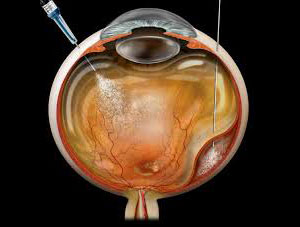
Image Source: assileye.com
Can I Exercise After Eye Injection? A Quick Answer
Can you exercise right after an eye injection? No, you cannot. It is very important to rest your eye. Your doctor will tell you to avoid many normal activities. This rest helps your eye heal well. It also keeps you safe from problems. Most doctors tell you to limit your movements for a few days. Follow all eye injection post-op care instructions.
Why Rest is Key After an Eye Injection
After an eye injection, your eye needs time to heal. The small needle makes a tiny hole in your eye. This hole needs to close up. The medicine inside your eye also needs to start working. Moving too much or doing hard tasks can cause problems. It can hurt your eye. It can also cause an infection.
The Purpose of Eye Injections
Eye injections are very common. Doctors use them to treat many eye problems. These problems often cause vision loss. Some common eye issues treated this way are:
- Wet Age-Related Macular Degeneration (AMD): This causes blurry vision. It can make a blind spot in the middle of your sight.
- Diabetic Retinopathy: This happens when high blood sugar harms blood vessels in the eye. It is common in people with diabetes.
- Retinal Vein Occlusion: This is when a vein in the retina gets blocked. It can lead to bleeding and swelling.
- Macular Edema: This means swelling in the macula. The macula is the central part of your retina. It helps you see clear details.
The medicine injected often stops new blood vessels from growing. These bad blood vessels can leak. They can cause swelling. They can also damage your vision. The medicine helps keep your vision strong.
What Happens During the Injection
An eye injection is a quick process. First, the doctor will numb your eye. They use special eye drops. This makes the shot not hurt. Then, the doctor cleans your eye area very well. This stops germs from getting in. A very thin needle goes into the white part of your eye. The medicine goes in. The whole shot takes only a few seconds. You might feel some pressure. You might see some blurry spots right after. This is normal.
Immediate Post-Injection Concerns
The time right after your shot is very important. Your eye is healing. It is also more open to problems. Here are the main worries:
- Preventing Infection: The tiny needle hole is a path for germs. Hard activities can make it easier for germs to get in. Rest helps the hole close quickly. This lowers the risk of infection.
- Allowing the Eye to Heal: Your eye tissue needs to repair itself. Sudden movements can strain the eye. This can slow down healing. It can also cause more irritation.
- Minimizing
Risk of Increased Eye Pressure Exercise: Some exercises can raise the pressure inside your eye. This is called intraocular pressure. Too much pressure can harm your optic nerve. It can also push medicine out of the eye. This is especially true right after the injection.
The First 24-48 Hours: Strict Do’s and Don’ts
The first one to two days after your injection are vital. This is the main eye injection recovery time for safety. You must follow all instructions carefully. This period is when your eye is most sensitive.
What NOT to Do (The Don’ts)
- No
Strenuous Activity After Eye Shot: This means no hard work. No lifting heavy things. No running or jumping. These things can make your heart beat fast. They can raise your blood pressure. This can affect your eye. - No
Bending Over After Eye Injection: Avoid lowering your head below your waist. This can make blood rush to your head. It can increase pressure in your eye. This pressure can cause the medicine to leak out. It can also lead to bleeding. - Do Not Rub Your Eye: It is very tempting to rub an itchy or watery eye. Do not do it. Rubbing can push germs into your eye. It can also cause bleeding. It can harm the healing process.
- No
Swimming After Eye Injection: Do not go swimming. This includes pools, lakes, rivers, or the ocean. Water often has germs. These germs can cause a serious eye infection. Even clean pool water with chlorine can be a risk. - Avoid Dirty Places: Try to stay away from dusty or dirty areas. This means no gardening. No cleaning a dusty garage. Tiny particles can get into your eye. This can cause irritation or infection.
- No Heavy Lifting: Do not lift anything heavy. This action makes you strain. Straining raises pressure in your body. This pressure can go to your eye. It is the same reason why you should not bend over.
- No Contact Sports: Any sport where you might get hit in the eye is out. This means basketball, soccer, or wrestling. Even a light bump can cause major harm.
- Limit Screen Time: While not strictly forbidden, try to rest your eyes. Staring at screens for a long time can make your eyes tired. This is not good when they are trying to heal.
What TO Do (The Do’s)
- Rest: The best thing you can do is rest. Lie down. Close your eyes often. Let your eye heal without strain.
- Use Prescribed Drops: Your doctor will give you eye drops. These drops might be for infection. They might be for comfort. Use them exactly as told. They are a big part of your
eye injection post-op care. - Keep the Eye Clean (Gently): If your doctor tells you, you can gently wipe away tears. Use a clean tissue. Wipe from the inner corner to the outer corner. Do not press on your eye.
- Wear Protective Eyewear: Some doctors might suggest wearing a shield. This is often worn at night. It stops you from accidentally rubbing your eye while sleeping.
- Know When to Call the Doctor: Be aware of bad signs. Call your doctor right away if you have:
- New or worse pain in your eye.
- Very blurry vision that gets worse.
- New floaters (spots in your vision).
- Flashes of light.
- Redness that gets worse.
- Discharge from your eye.
- Any vision loss.
Gradual Return to Activity: Beyond the First Few Days
After the first 24 to 48 hours, you can slowly do more. But you still need to be careful. The eye is still healing. Your doctor will give you specific advice. Always follow what your doctor says. They know your case best. These are general guidelines for post eye injection exercise restrictions.
Light Activities You Can Do
- Gentle Walking: A slow, easy walk is usually fine after a day or two. Keep your head up. Do not swing your head or body much. Avoid uneven ground where you might trip.
- Light Housework (No Bending): You can do very light chores. Do not lift heavy things. Do not bend over to pick things up. Ask for help if you need to reach low spots.
- Simple Daily Tasks: Reading, watching TV, and light cooking are usually okay. Take breaks often. Blink your eyes to keep them moist.
When to Consider More Activity
Most people can start doing a little more after about 3 to 7 days. This depends on how your eye feels. It also depends on your doctor’s advice. Some people heal faster than others. Do not rush it. Pay close attention to your body. If something hurts or feels wrong, stop.
Avoiding Impact and Strain
When you do more, always think about impact and strain.
* Why high-impact is bad: High-impact activities mean your body jolts. Think about jumping or running. This can cause pressure changes in your eye. It can also shake the delicate tissues.
* Impact on risk of increased eye pressure exercise: Any activity that makes you strain can raise eye pressure. This includes:
* Holding your breath while lifting.
* Bearing down (like when having a bowel movement).
* Doing intense exercises.
It is best to avoid these until your doctor says it is safe.
Specific Exercise Types: When Are They Safe?
Many people want to know about specific types of exercise. Here is a guide. Remember, these are general rules. Your doctor’s advice is most important.
Walking and Light Movement
- General Guideline: You can usually do gentle walking after 24 to 48 hours. Keep it slow at first. Do not walk fast. Do not go on long hikes. Just a simple stroll is fine.
- What to watch for: If you feel any pain or discomfort, stop. If your vision gets blurry, stop.
Running and Jogging
Running After Retina Injection: This type of exercise involves bouncing. It causes impact. It can also raise your heart rate and blood pressure quickly. This can put a strain on your eye.- When is it safe? Most doctors say to wait at least one to two weeks before light jogging. For harder
running after retina injection, you might need to wait three to four weeks. - Starting slow: When you do start, begin very slow. Run for short times. See how your eye feels. If you feel any pain or pressure, stop.
Lifting Weights and Strength Training
Lifting Weights After Eye Injection: This is a big concern. Lifting heavy weights makes you strain. You often hold your breath. This raises pressure in your whole body, including your eye. This is a clearrisk of increased eye pressure exercise.- When is it safe?
- First Week: No weight lifting at all.
- After 1-2 Weeks: Maybe very light weights. Do not lift anything that makes you strain. You should be able to talk easily while lifting. Focus on many reps with very light weight.
- After 3-4 Weeks: You can slowly go back to your normal routine. But talk to your doctor first. Always breathe out when lifting. Do not hold your breath. Start with less weight than before. Increase it slowly.
- Core Exercises: Be careful with core exercises like crunches. These can also raise pressure in your body. Avoid them for at least a week or two.
Swimming and Water Activities
Swimming After Eye Injection: This is one of the riskiest activities. Water has germs. Even chlorinated pool water has germs. The risk of serious eye infection is high.- How long to wait: Most doctors tell you to wait at least two to four weeks. Some might say even longer. This wait time lets the needle hole heal fully. It also lets the surface of your eye get strong again.
- Special goggles: Even if you wear swimming goggles, it does not make swimming safe right away. Germs can still get in.
Bending Over
Bending Over After Eye Injection: As discussed, this is a big no-no right after the shot. It causes blood to rush to your head. This increases eye pressure.- When it becomes safer:
- First 24-48 hours: Absolutely no bending.
- After 2-3 Days: You can start to bend a little. Do it slowly. Do not put your head below your heart. Bend your knees instead of your back.
- After 1 Week: Most people can bend over normally. But still do it slowly. Watch for any discomfort.
Yoga and Pilates
- These can be good for gentle movement. But you must be careful.
- Avoid inverted poses: Do not do poses where your head is below your heart. Examples are downward dog or headstands. These will increase eye pressure.
- When to start: Gentle yoga without head-down poses might be okay after a few days. Talk to your doctor first. Focus on seated poses. Focus on standing poses.
- Listen to your body: If a pose feels wrong or puts pressure on your head, stop.
Contact Sports
- Longer Wait Time: Contact sports are the most risky. These include basketball, football, soccer, boxing, or wrestling. A hit to the head or eye can cause major damage.
- High Risk: The risk of bleeding, infection, or detaching the retina is very high.
- When to resume: Your doctor will likely tell you to wait many weeks or even months. Some might say never, depending on your eye problem. Always get clear advice from your eye doctor.
Signs to Watch For: When to Call Your Doctor
Even if you follow all the rules, problems can happen. It is important to know what to look for. These signs mean you need to call your doctor right away. Do not wait. This is part of good eye injection post-op care.
- Worsening Pain: Some mild discomfort is normal. But if the pain gets worse, call your doctor.
- Increased Redness: Your eye might be a little red after the shot. If it gets much redder, or if the redness spreads, call your doctor.
- Vision Changes: If your vision gets much blurrier, or if you lose vision, call your doctor. New floaters or flashes of light also need a call.
- Discharge from the Eye: Any yellow or green discharge means infection. Call your doctor immediately.
- Swelling Around the Eye: Some mild swelling is normal. If it gets worse, call your doctor.
- Light Sensitivity: If bright lights suddenly bother your eye much more, call your doctor.
When Can I Resume Normal Activities After Eye Injection?
This is a common question. When can I resume normal activities after eye injection depends on many things. It depends on your eye’s healing. It depends on the type of injection. It also depends on your general health. Your doctor will give you the best advice. Do not compare your recovery to others. Everyone is different.
Most people can return to most light, normal daily tasks within a few days. This means walking, reading, and light chores. Strenuous activities take longer. Heavy lifting, running, and swimming take even longer. Contact sports take the longest.
Here is a general timeline. Remember, this is just a guide. Always ask your doctor.
A General Timeline Table
| Activity | First 24-48 Hours | 3-7 Days | 1-2 Weeks | 2-4 Weeks | Beyond 4 Weeks |
|---|---|---|---|---|---|
| Gentle Walking | Yes | Yes | Yes | Yes | Yes |
| Reading/Screen Time | Yes (with breaks) | Yes | Yes | Yes | Yes |
| Light Housework | No | Yes (no bending) | Yes | Yes | Yes |
| Bending Over | No | Limited, slow | Yes, gently | Yes | Yes |
| Light Stretching (no head down) | No | Yes, gently | Yes | Yes | Yes |
| Running/Jogging | No | No | Possibly light | Yes, gradually | Yes |
| Lifting Weights | No | No | Very light | Yes, gradually | Yes, with care |
| Swimming | No | No | No | Yes, after doctor says | Yes, with care |
| Yoga (no inversions) | No | Possibly light | Yes | Yes | Yes |
| Driving | No | Yes (if vision is clear) | Yes | Yes | Yes |
| Contact Sports | No | No | No | No | Much longer, or never |
Important Considerations for a Smooth Recovery
A good recovery means you follow all steps. It helps your eye heal well. It lowers the chance of problems.
- Follow All Doctor’s Orders: Your doctor gives you instructions for a reason. They are based on your specific eye health. Write them down if you need to.
- Do Not Rush: Healing takes time. Rushing back into activities can cause setbacks. It can lead to more visits to the doctor. It might even mean more shots.
- Stay Hydrated: Drink plenty of water. This helps your whole body heal.
- Protect Your Eyes: Wear sunglasses outside. They shield your eyes from sun and wind. This adds to your
eye injection post-op care. - Attend Follow-Up Appointments: Your doctor will want to check your eye. They will want to see how it is healing. These visits are very important. Do not miss them.
Frequently Asked Questions (FAQ)
H4: Can I drive after an eye injection?
No, you cannot drive right after the shot. Your vision will be blurry. Your eye might be numb. Someone else should drive you home. Most people can drive the next day. This is only if their vision is clear enough. Ask your doctor when it is safe for you to drive.
H4: Can I watch TV or use a computer right after an eye injection?
Yes, you can watch TV or use a computer. But do not stare for too long. Take breaks often. Blink your eyes. Your eye might feel tired or dry. Rest your eyes when they feel strained.
H4: When can I fly on an airplane after an eye injection?
Most doctors say it is safe to fly after 24 hours. The change in air pressure is usually not a problem. But if there was an air bubble injected, the rules are different. Always ask your doctor if flying is safe for you.
H4: What if I accidentally rub my eye after the injection?
Try not to rub your eye. If you do it by accident, do not panic. Call your doctor if your eye hurts a lot. Call if it gets very red. Call if your vision changes. They can tell you what to do.
H4: Is blurry vision normal after an eye injection?
Yes, blurry vision is very common right after the shot. You might also see small spots. These can look like floaters or air bubbles. This is normal. It should get better in a few hours. It should be gone by the next day. If the blurriness gets worse, call your doctor.