
Having a tooth pulled is a common dental procedure. You might wonder about getting back to your normal life quickly. One big question many people have is about exercise. Can you exercise after a tooth is pulled safely?
Yes, you can often exercise after a tooth extraction, but it depends on how long it has been since the extraction and how your mouth feels. Most dentists tell you to wait at least 24-48 hours before doing any type of exercise, especially hard or strenuous exercise after tooth extraction. Starting with light exercise after tooth extraction, like a slow walk, might be okay sooner. But it is very important to listen to your body and your dentist’s advice to avoid problems.
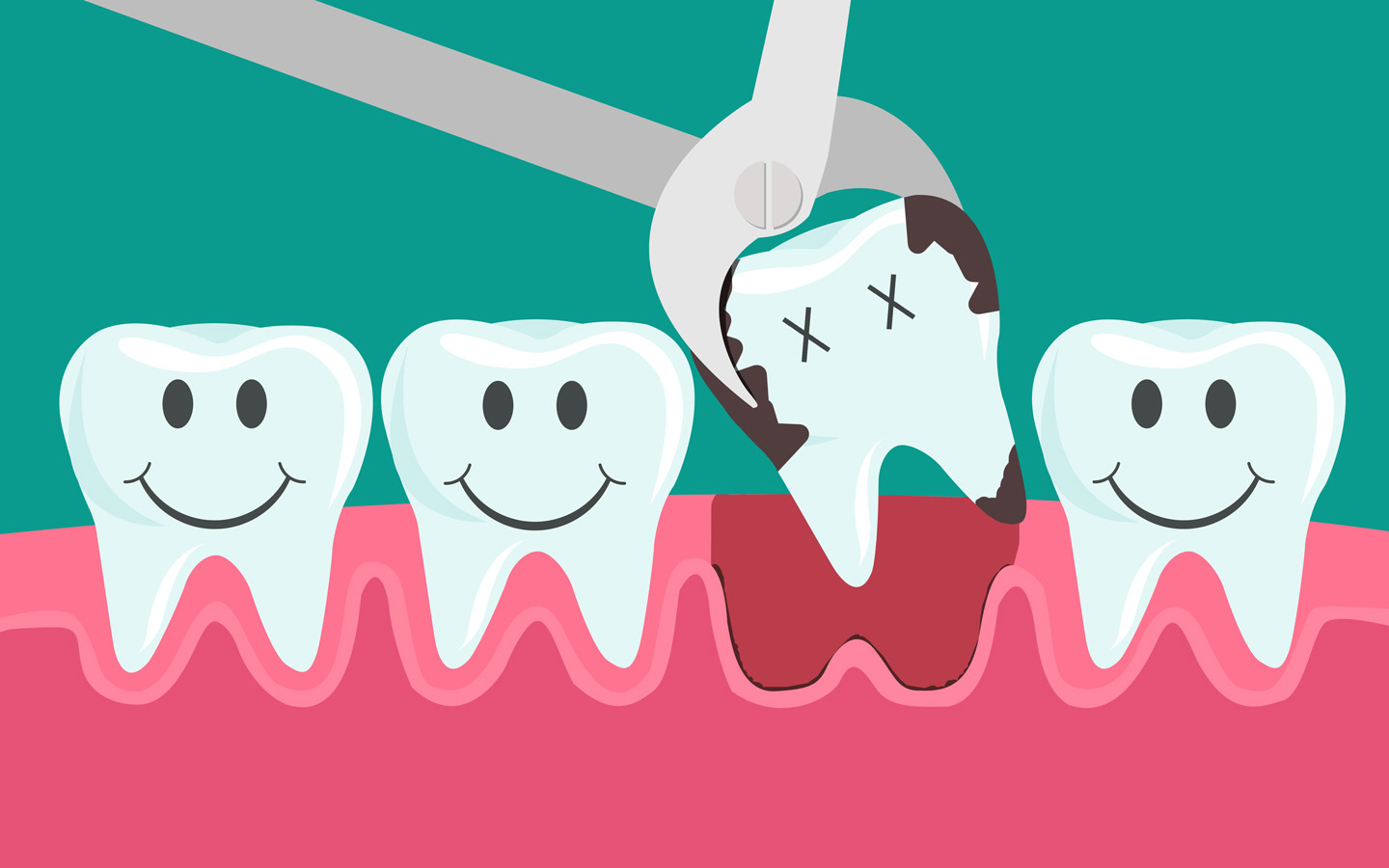
Image Source: www.medicomdtx.com
Why Resting Helps You Heal
After a tooth comes out, your body starts fixing the spot right away. A blood clot forms in the empty space where the tooth was. This clot is like a natural bandage. It keeps the area clean and helps new tissue grow. This blood clot is super important for good healing. If the clot comes out too soon, it can cause a very painful problem called a dry socket.
Exercising makes your heart beat faster. This sends more blood flowing through your body. More blood pressure in the healing area can push the blood clot out. This is one of the main risks of exercising after tooth extraction. Increased blood flow can also lead to more bleeding after tooth extraction and worse swelling after tooth extraction.
So, resting right after the tooth is pulled gives the blood clot time to form and start the healing process without being disturbed. This rest period is key to preventing problems and making sure your mouth heals well.
What Happens Right After Getting a Tooth Pulled
Right after your tooth is out, your dentist or oral surgeon will likely give you instructions. These instructions usually cover things like:
- How to stop the bleeding.
- What pain medicine to take.
- What foods to eat (usually soft ones).
- How to keep the area clean (gentle rinsing).
- What activities to avoid.
Avoiding hard activity is almost always on the list. This is because the first 24 hours are the most important for the blood clot to settle and become stable. Anything that increases blood flow to the mouth area can mess this up. This includes bending over, lifting heavy things, or any kind of exercise.
Comprehending Activity Restrictions
Your dentist will give you specific activity restrictions after tooth extraction. These rules are there to protect the healing site. They usually involve:
- No strenuous physical activity.
- No heavy lifting.
- No bending over or activities where your head is below your waist.
- Avoiding actions that create suction in the mouth (like using a straw or smoking).
These restrictions help keep the blood clot in place. They also help reduce swelling and pain. Following these rules closely in the first few days is vital for smooth healing.
When Can You Start Moving More?
The big question is often, how long after tooth extraction can I exercise? There isn’t one single answer that fits everyone. It depends on:
- The type of extraction (simple vs. surgical).
- How many teeth were pulled.
- Your overall health.
- How quickly you heal.
- Whether you had wisdom teeth removed (exercising after wisdom tooth extraction can be different).
Generally, most dentists advise waiting at least 24 to 48 hours before trying any exercise. For more involved extractions, especially surgical ones or wisdom teeth, this waiting period might be longer, perhaps 3 to 5 days.
Here is a general idea, but always follow your dentist’s specific advice:
- First 24 Hours: No exercise at all. Complete rest is best. Keep your head raised slightly even when resting.
- 24-48 Hours: You might be able to start very light activity if you feel up to it. Think short, slow walks. If you feel any pain or discomfort, stop right away.
- 48 Hours to 1 Week: If everything feels good and there are no problems like lots of bleeding or pain, you might slowly increase your activity. Still, avoid strenuous exercise after tooth extraction. Stick to moderate activity.
- After 1 Week: For many simple extractions, you might be able to return to your normal exercise routine if the area has healed well.
- After 2 Weeks: For surgical extractions, like wisdom teeth, it might take this long or even longer before you feel comfortable returning to strenuous activities.
Always check with your dentist before you restart your full exercise routine. They can look at the extraction site and tell you if it’s safe.
Simple vs. Surgical Extractions: What’s the Difference?
The type of extraction matters a lot when deciding when to exercise.
Simple Extraction
This is when the tooth is visible above the gum line and can be pulled out in one piece using simple tools. This is generally less complex. The healing time after tooth extraction for a simple pull is usually faster. You might feel ready for light activity sooner.
Surgical Extraction
This is needed when a tooth is broken below the gum line, has strong roots, or hasn’t fully come out (like many wisdom teeth). The dentist or surgeon might need to make a cut in the gum, remove bone, or cut the tooth into pieces to get it out. This is a bigger surgery. The healing takes longer and there is a higher chance of swelling, pain, and other issues. Exercising after wisdom tooth extraction or other surgical pulls needs a longer waiting period.
The Dangers of Exercising Too Soon
Pushing yourself too hard, too soon, or doing strenuous exercise after tooth extraction comes with real risks.
Increased Bleeding
Exercise raises your heart rate and blood pressure. This sends more blood to the extraction site. The small blood vessels that are trying to heal can start bleeding again. This can make a mess, slow healing, and even dislodge the protective blood clot. Lots of bleeding after tooth extraction is a clear sign you are doing too much.
Higher Risk of Dry Socket
This is one of the most feared problems after a tooth extraction. A dry socket happens when the blood clot in the socket breaks down or comes out before the area is healed. This leaves the bone and nerves exposed, causing intense, throbbing pain. It often happens a few days after the extraction. Strenuous activity is a known risk factor for dry socket exercise. The increased pressure, movement, or even just the physical strain can dislodge the clot. Preventing dry socket is a main reason for activity restrictions after tooth extraction.
More Swelling and Pain
Exercise can make swelling worse. Physical activity can increase inflammation around the extraction site. This means more puffiness, discomfort, and a longer recovery time. If you notice increased swelling after tooth extraction when you try to exercise, stop immediately.
Slower Healing
If you keep irritating the healing site through exercise, your body’s ability to repair itself there can be slowed down. The energy and resources needed for healing are directed away, or the constant disturbance prevents new tissue from forming properly.
Light Exercise After Tooth Extraction: What Is Okay?
Once the initial 24-48 hour rest period is over, and if you feel well, you might consider some light exercise after tooth extraction.
What counts as light exercise?
- Slow, easy walking.
- Gentle stretching (avoiding anything that strains your head or neck).
- Very light stationary cycling (with no resistance).
The key is low impact and keeping your heart rate only slightly raised. You should be able to talk normally while doing the activity. If you feel any throbbing, pain, or notice bleeding, stop immediately. Start with just 10-15 minutes and see how you feel later.
Strenuous Exercise After Tooth Extraction: What to Avoid
Strenuous exercise is anything that significantly raises your heart rate, makes you breathe hard, or involves heavy lifting or high impact. Avoid these types of activities until your dentist says it’s okay, which is usually at least a week or two for simple extractions, and longer for surgical ones or wisdom teeth.
Types of strenuous exercise to avoid:
- Running or jogging.
- Weightlifting (especially lifting heavy weights).
- High-intensity interval training (HIIT).
- Contact sports (like basketball, soccer, martial arts).
- Swimming (the pressure changes and chemicals can be bad for the site).
- Yoga poses where your head is below your heart.
These activities can increase blood flow dramatically and put stress on your body, increasing the risks discussed earlier.
Exercising After Wisdom Tooth Extraction
Exercising after wisdom tooth extraction often requires extra caution and a longer recovery time. Wisdom teeth extractions are usually surgical procedures. This means:
- There is more tissue affected.
- Stitches might be used.
- Swelling and pain are often more severe.
- The risk of dry socket is higher, especially for lower wisdom teeth.
Because of this, the timeline for returning to exercise is usually longer.
- First 3-5 Days: Strict rest. No exercise. Follow all activity restrictions.
- Day 5 to 7: If you feel significantly better, swelling is going down, and pain is managed without strong medication, you might try a very short, slow walk. Listen carefully to your body.
- After 1 Week: You might be able to do more moderate activity if your recovery is going very well and your surgeon approves. Still avoid anything strenuous or involving impact.
- After 2 Weeks: For many people, returning to a more normal exercise routine is possible around this time, but it depends entirely on how you have healed. Some might need longer.
Always get clearance from your oral surgeon before returning to significant exercise after wisdom tooth extraction. They know exactly how complex your procedure was.
Healing Time After Tooth Extraction
How long does it take for the extraction site to heal enough for normal activity?
- Initial Healing (First 24-48 hours): Blood clot forms. This is the most critical period for rest.
- Early Healing (Day 3-7): Gum tissue starts to cover the socket. Pain and swelling should begin to decrease.
- Significant Healing (Weeks 1-2): The socket continues to fill in with new tissue. You should feel much better and be able to eat more normally.
- Full Healing (Several Weeks to Months): The bone in the socket remodels and fills in. The gum tissue fully closes. This deeper healing takes a while, but the surface is usually closed within a couple of weeks.
Your ability to exercise safely mostly depends on the early and significant healing phases. By the end of the first week or two, the clot should be stable and the gum tissue should be closing over the area, making it safer to increase activity.
Signs You Are Doing Too Much
It is important to pay attention to your body when you start exercising again. If you notice any of these signs, stop exercising right away:
- Increased bleeding after tooth extraction from the site.
- Throbbing pain in the extraction area.
- New or increased swelling after tooth extraction.
- A bad taste in your mouth (could mean a problem with the clot).
- Feeling dizzy or lightheaded.
- General fatigue or feeling unwell.
These are all signs that your body is telling you it is not ready for that level of activity yet. Rest is needed.
Grasping When It’s Safe to Return Fully
Knowing exactly when you can return to your normal exercise routine takes careful judgment. Don’t try to rush it. A few extra days of rest are much better than getting a dry socket or causing other problems that set your recovery back weeks.
Things that suggest you might be ready for more activity:
- No pain at the extraction site without pain medication for at least 24 hours.
- No swelling or only very minor, lingering swelling.
- No bleeding or oozing from the site.
- You can eat normally or close to normally without pain.
- You feel strong and not tired.
Even when you think you’re ready, start slowly. Try half of your normal workout intensity and duration. See how you feel during, right after, and several hours later. If there are no issues, you can slowly increase over the next few days.
Making a Plan for Returning to Exercise
Here is a step-by-step way to get back to your fitness routine:
Step 1: Rest Completely
- Follow your dentist’s instructions for the first 24-48 hours (or longer for surgical extractions).
- No exercise at all.
- Focus on rest, pain management, and proper care of the extraction site.
Step 2: Try Light Activity (When You Feel Ready and It’s Been Long Enough)
- After the initial rest period (at least 24-48 hours, possibly longer), if you have no significant pain or bleeding, try a short walk.
- Keep it very easy. Walk slowly for 10-15 minutes.
- Pay close attention to how your mouth feels.
- If any discomfort, throbbing, or bleeding starts, stop at once.
Step 3: Slowly Increase Activity (If Light Activity Goes Well)
- If light walks go fine for a day or two, you can gradually increase the length of your walks.
- You might try other light activities like gentle stretching or slow stationary cycling.
- Keep your heart rate moderate. Avoid heavy breathing.
Step 4: Introduce Moderate Activity (Usually After 1 Week or More)
- If your mouth is healing well, with no pain or problems, and your dentist agrees, you can try moderate exercise.
- This could be faster walking, light cycling outdoors, or using an elliptical machine.
- Listen to your body very carefully. This is where the risk of dry socket exercise or bleeding goes up if you push too hard.
- Limit the duration and intensity at first.
Step 5: Return to Strenuous Activity (Only When Fully Healed and Approved)
- This is usually not before 7-10 days for simple extractions, and often 2 weeks or more for surgical ones.
- Get approval from your dentist or surgeon first.
- Start with a reduced version of your strenuous workout.
- Build back up gradually over several days or a week.
What About Dry Socket Exercise?
If you develop a dry socket, it is usually very painful. Exercise will likely make this pain much worse. If you suspect you have a dry socket (intense pain 3-5 days after extraction, bad smell/taste), contact your dentist immediately. They will need to treat it. While you are being treated for dry socket, exercise is definitely not recommended. Your focus should be on managing the pain and allowing the area to heal under the dentist’s care. Exercise would only increase blood flow and pain in an already sensitive area.
Using Pain Medication and Exercise
Be careful about exercising while taking strong pain medication (like prescription opioids). These medications can make you feel dizzy, less coordinated, or not fully aware of your surroundings. This can be dangerous if you are operating equipment or doing activities where you could fall or injure yourself. If you are still needing strong pain relief, you are likely not ready for anything more than very light, safe activity like slow walking.
Keeping the Extraction Site Safe While Active
Even when you return to exercise, continue to be mindful of the extraction site:
- Stay Hydrated: Drink plenty of water, but don’t use a straw! Sip from a glass or bottle.
- Avoid Heat: Don’t take very hot showers or baths right before or after exercise, as heat can increase swelling and bleeding.
- Protect the Area: Be careful not to bump the area while exercising, especially if you are doing activities where falls are possible.
- Gentle Cleaning: Continue following your dentist’s instructions for cleaning the mouth. Gentle salt water rinses are often recommended after 24 hours, which can be soothing after activity.
Table: General Exercise Timeline After Tooth Extraction
This is a very general guide. Your personal timeline may be different. Always check with your dentist.
| Time After Extraction | Recommended Activity Level | Notes |
|---|---|---|
| 0-24 Hours | No Exercise | Strict rest is crucial for clot formation. Avoid bending/lifting. |
| 24-48 Hours | Rest or Very Light Activity | Maybe short, slow walk (10-15 min) if feeling well. Stop if pain. |
| 48 Hours – 1 Week | Light to Moderate Activity | Gradual increase if no pain/bleeding. Avoid strenuous exercise. |
| 1-2 Weeks | Moderate to Increasing Activity | Simple extractions often ready for more. Still be cautious. |
| 2+ Weeks | Return to Normal Routine (Often) | For surgical extractions (like wisdom teeth), may need longer rest. |
(Always consult your dentist for personalized advice based on your specific extraction and healing progress.)
Frequently Asked Questions (FAQ)
h4. What happens if I exercise too soon after tooth extraction?
Exercising too soon can cause increased bleeding after tooth extraction, more swelling after tooth extraction, and pain. The biggest risk is dislodging the blood clot, which can lead to a very painful condition called dry socket.
h4. How long do activity restrictions after tooth extraction usually last?
Activity restrictions for strenuous exercise typically last for at least 24-48 hours, and often longer (3-7 days or even two weeks) depending on the complexity of the extraction, especially for surgical or wisdom tooth extractions. Light activity might be possible sooner, but it depends on your healing.
h4. Can I walk after tooth extraction?
Yes, walking is usually the first type of exercise allowed. You should wait at least 24 hours, preferably 48 hours, before trying a very slow, short walk. If you feel good and there is no pain or bleeding, you can slowly increase the length of your walks after a few days. Avoid fast walking or power walking initially.
h4. Is exercising after wisdom tooth extraction different?
Yes, exercising after wisdom tooth extraction usually requires a longer waiting period. Wisdom teeth are often surgically removed, leading to more swelling, pain, and a higher risk of complications like dry socket. Many oral surgeons recommend waiting at least 5-7 days before any light activity and two weeks or more before strenuous exercise.
h4. What are the signs that I need to stop exercising?
Stop exercising immediately if you notice increased bleeding from the extraction site, new or worse pain, swelling, a bad taste in your mouth, dizziness, or feel generally unwell. These are signs you are doing too much or that there is a problem.
h4. Can I do light exercise after tooth extraction the next day?
For a simple tooth extraction, some people might be able to do very light exercise like a slow, short walk after 24 hours if they feel absolutely fine. However, waiting 48 hours is often safer. For surgical extractions, the next day is usually too soon for any exercise.
h4. How long does the healing time after tooth extraction take before I’m back to normal?
The initial healing (clot formation) takes 24-48 hours. Gum tissue starts covering the site in 3-7 days. Most discomfort is gone within 1-2 weeks. Deeper bone healing takes months, but you can usually return to normal activities, including exercise, much sooner, generally within 1-2 weeks for simple extractions and 2-4 weeks for surgical ones.
h4. Can I get a dry socket from exercising?
Yes, strenuous exercise after tooth extraction is a risk factor for dry socket exercise. The increased blood flow and physical activity can dislodge the protective blood clot before the area has healed enough, leading to dry socket.
h4. What kind of light exercise after tooth extraction is safe?
Safe light exercises might include very slow walking on a flat surface, gentle stretching (avoiding head-down positions), or very low-resistance stationary cycling. The key is to keep your heart rate only slightly elevated and avoid any bouncing, heavy lifting, or positions that put pressure on your head.
h4. Should I wait longer to exercise if I had stitches?
Yes, if you had stitches, it means your extraction was likely more complex. Stitches help close the gum tissue, but the underlying socket still needs to heal. It is wise to wait longer, often at least a week or two, before returning to more strenuous activities when stitches are involved, and always get your dentist or surgeon’s approval.
Conclusion
Getting back to your normal routine, including exercise, is a goal after a tooth extraction. However, it is very important to be patient and careful. Rest in the first 24-48 hours is not just a suggestion; it’s crucial for starting the healing process right and avoiding painful issues like dry socket. When you do start moving again, begin slowly with light exercise after tooth extraction and listen closely to your body. Avoid strenuous exercise after tooth extraction until your mouth has had enough time to heal, usually at least a week or two, especially after wisdom tooth extraction or other surgical procedures. Following your dentist’s specific advice about how long after tooth extraction can I exercise and adhering to activity restrictions after tooth extraction will help ensure a smoother recovery, less bleeding after tooth extraction, less swelling after tooth extraction, and a faster overall healing time after tooth extraction. Don’t risk setting back your healing for the sake of a workout. Your oral health is worth the temporary break.