
Yes, you can often exercise after a root canal, but you must be careful and listen to your body. How soon you can exercise after a root canal depends on many things, like how you feel, the kind of exercise, and what your dentist or endodontist tells you. Most people can start very light activity within a day or two, but it’s best to wait a bit longer before doing anything hard or strenuous.
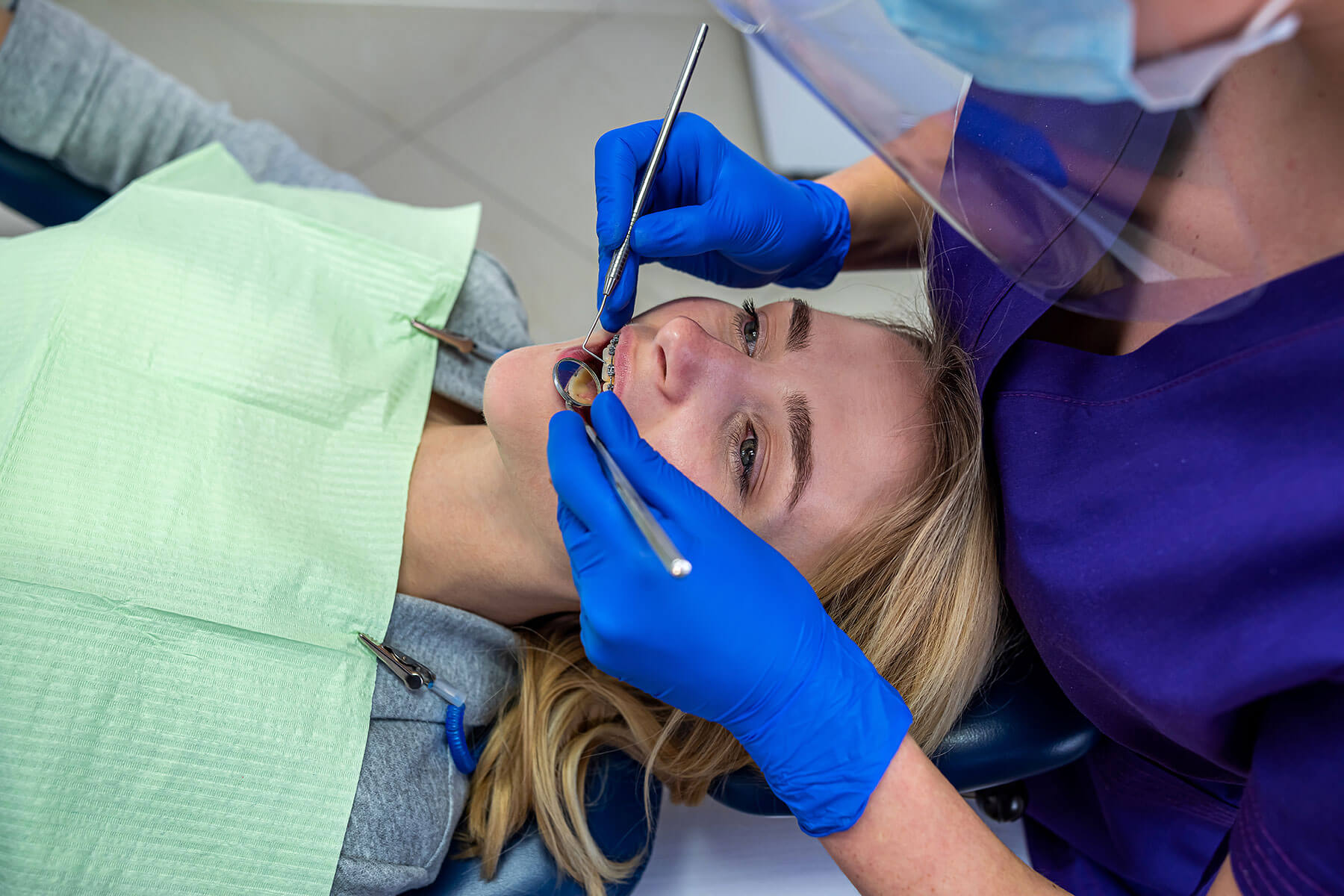
Image Source: www.supremedentistryhouston.com
Deciphering Your Root Canal Procedure
Let’s first talk a little about what a root canal is. Don’t worry, we’ll keep it simple. A root canal is a dental treatment. It fixes a tooth that has a bad infection or is badly hurt inside. Inside your tooth, there is soft tissue called pulp. The pulp has nerves, blood vessels, and connective tissue. When this pulp gets infected or damaged, it can cause a lot of pain.
During a root canal, the dentist or endodontist removes the sick pulp. They clean the inside of the tooth very well. Then they fill and seal the space. This saves the tooth. After this, a crown or filling is usually put on the tooth to protect it and make it work like a normal tooth again.
It’s a common procedure, but it is still a medical treatment. Your body needs time to heal afterward.
Apprehending Immediate Recovery
Right after your root canal, your mouth will likely feel numb. This is from the local anesthetic the dentist used. The numbness usually wears off in a few hours.
Once the numbness is gone, you might feel some pain or discomfort. This is normal. Your tooth and the area around it might be sensitive. This is your body reacting to the treatment. The dentist might tell you to take pain medicine to help with this.
You might also have some swelling. Swelling is a sign that your body is starting to heal. It’s usually not severe after a root canal, but it can happen.
The tooth might have a temporary filling in it. This filling protects the tooth until you get the final filling or crown. It’s important not to bother this temporary filling.
This early period is when your body is most sensitive. It’s starting the process of healing from the inside out.
Fathoming the Risks of Early Exercise
Why is it important to be careful with root canal recovery exercise? Exercising too soon or doing too much can cause problems.
When you exercise, your heart beats faster. This pumps more blood through your body. This includes blood going to your head and mouth area. While more blood flow is generally good for healing over time, right after surgery, it can cause issues:
- Increased Pain: More blood pressure in the tiny blood vessels around the treated tooth can make the area throb. This can make the pain worse than it needs to be.
- More Swelling: Just like with pain, increased blood flow can lead to more swelling or make existing swelling worse.
- Bleeding Concerns: Sometimes, there might be a little oozing or bleeding from the treatment site, especially if there was a cut or tear in the gum tissue during the procedure. Increased blood pressure from exercise can cause bleeding after dental work and exercise. This can be alarming and slow down healing.
- Delaying Healing: Overdoing it can stress your body. Instead of focusing all its energy on healing the tooth and surrounding tissues, it has to deal with the stress of hard exercise.
- Problems with Temporary Filling: Vigorous activity, especially things that involve a lot of up-and-down motion or impacts, could theoretically loosen or dislodge a temporary filling before the permanent one is placed. While less common, it’s a risk to consider.
So, taking it easy is not just about comfort. It’s about letting your body heal properly and avoiding setbacks.
Discernment in Root Canal Recovery Exercise Timeline
One of the main questions people have is how soon can I exercise after root canal. There isn’t one single answer that fits everyone. It really depends on how you feel and what your dentist advises. However, here is a general guide for exercise after root canal recovery time:
- Day 1 (The Day of the Procedure): This is a rest day. You should avoid all strenuous activity. Light activity like walking around your house or sitting up is fine. Listen to your body. If you feel tired or sensitive, just rest.
- Day 2: You might still feel some effects from the procedure. Pain and sensitivity might be present. You can usually do very light activities. Think gentle walking outside. Avoid bending over a lot or lifting heavy things, as this can increase pressure in your head.
- Day 3 to Day 7: If you feel okay and have little to no pain or swelling, you can usually start to slowly bring back more activity. This is the time for light to moderate exercise. We’ll talk more about what that means soon.
- After 1 Week: For most people, if healing is going well and you have no pain or issues, you can likely start returning to your normal exercise routine. This includes more strenuous exercise after root canal. However, it is still wise to check with your dentist.
This is just a general timeframe. Some people heal faster, some slower. If your root canal was complex, or if you had a bad infection, your recovery might take longer. Always pay attention to your body’s signals.
Apprehending Post Root Canal Exercise Guidelines
When you do start exercising again, follow these post root canal exercise guidelines to help ensure a smooth recovery:
- Start Slow: Do not jump straight back into your hardest workouts. Begin with something easy.
- Listen to Your Body: This is the most important rule. If you feel pain, throbbing, increased swelling, or any discomfort in the area of the root canal, stop exercising immediately. Pain is a signal that you are pushing too hard.
- Keep Hydrated: Drink plenty of water before, during, and after exercise. Staying hydrated is good for overall healing.
- Avoid Activities That Increase Head Pressure: In the first few days, avoid activities like:
- Lifting very heavy weights
- Inversions (like some yoga poses where your head is below your heart)
- Activities that require straining or bearing down
- Be Mindful of Contact Sports: Activities where you might get hit in the face should be avoided for a longer period. A blow to the mouth could injure the healing tooth. Your dentist can advise you on when it’s safe to return to these.
- Watch for Signs of Problems: Keep an eye out for worsening pain, swelling that gets worse instead of better, fever, or unusual bleeding. If you see these signs, stop exercising and call your dentist.
- Follow Your Dentist’s Specific Advice: Your dentist knows your specific situation best. They can give you personalized advice based on how your procedure went and your general health.
Interpreting Light vs. Moderate vs. Strenuous Exercise
What do we mean by light, moderate, and strenuous exercise in the context of root canal recovery exercise?
- Light Exercise: This is activity that does not make your heart beat much faster than normal. You can talk easily while doing it. Examples:
- Slow walking
- Casual strolling
- Gentle stretching (not involving inversions or head-down positions)
- Basic house chores
- Moderate Exercise: This activity makes your heart beat faster and makes you breathe harder, but you can still talk, just not sing. Examples:
- Br brisk walking
- Cycling on flat ground at a moderate pace
- Swimming at a relaxed pace
- Using an elliptical machine at a low resistance
- Strenuous Exercise: This is activity that makes your heart beat very fast and makes you breathe hard and fast. You can only say a few words at a time. Examples:
- Running or jogging
- High-intensity interval training (HIIT)
- Heavy weightlifting
- Fast cycling or swimming
- Contact sports
- Any exercise that makes your face feel red and flushed and increases throbbing in your head.
For root canal recovery exercise, you typically move from light to moderate, and then back to strenuous as you heal.
Deciphering Swelling After Root Canal and Working Out
Swelling after root canal and working out are linked. Some swelling after a root canal is normal. It’s part of the body’s healing process. However, vigorous exercise can increase blood flow to the treated area. This extra blood flow can sometimes make the swelling worse.
If you notice that swelling increases after you try to exercise, it’s a clear sign you should stop and wait longer. Applying a cold pack to the outside of your cheek in the area of the treated tooth (10-15 minutes on, 10-15 minutes off) can help reduce swelling. Resting with your head slightly raised can also help.
Exercise should make you feel better or normal afterward, not worse. If you work out and your face swells up more, you know you pushed too hard too soon.
Interpreting Pain After Root Canal Exercise
It’s normal to have some discomfort or mild pain after root canal exercise, especially when you first start back. However, you need to know the difference between normal discomfort and pain that signals a problem.
- Normal Discomfort: This might feel like a dull ache or mild sensitivity that doesn’t last long after you stop exercising. It’s often related to the muscles you used during the workout or minor pressure changes.
- Warning Sign Pain: This feels like throbbing pain, sharp pain, or pain that gets worse as you exercise and doesn’t go away quickly afterward. If the pain in the area of the root canal increases noticeably when you exercise, especially if it throbs with your heartbeat, this means you should stop.
Do not try to “push through” significant pain in the area of the root canal. This pain is your body telling you that the area is not ready for that level of activity yet. Ignore it, and you risk making the problem worse. If you experience significant or lasting pain after root canal exercise, it’s a good idea to contact your dentist.
Discernment with Strenuous Exercise After Root Canal
Strenuous exercise after root canal is the activity you need to be most cautious about. As discussed, activities like running, heavy lifting, and high-intensity training significantly increase your heart rate and blood pressure.
Why is waiting important?
* High Blood Pressure: Increased pressure can cause throbbing pain and increase the risk of bleeding.
* Physical Jarring: Activities with impact, like running or jumping, can jar your whole body, including your head and jaw. This could irritate the healing area.
* Increased Stress: Hard workouts put stress on your body. Your body needs its resources to heal the tooth, not recover from a hard workout.
You should wait until your dentist gives you the okay or until you are completely pain-free and comfortable, typically at least a week, before attempting strenuous exercise after root canal. Some people might need two weeks or even more, especially if the procedure was complicated or there were issues afterward.
Think of it this way: your body just went through a type of surgery. You wouldn’t run a marathon the day after knee surgery. Give your mouth and body the respect they need to heal.
Apprehending Gym After Root Canal Treatment
Going to the gym after root canal treatment requires careful planning. It’s not just about the type of exercise, but also the environment.
- Timing: As with any exercise, wait until you feel ready. Days 1-2 are usually out for the gym unless you’re just going to do very light stretching or foam rolling (avoiding head-down positions). Day 3-7 you might go for light cardio. After a week, you can usually ease back into your full routine.
- Exercise Selection: Stick to lighter machines or lower intensity cardio at first. Avoid the weightlifting section or classes that are very intense early on.
- Hygiene: Gyms can have germs. While not directly related to your root canal healing, maintaining good hygiene is always wise, especially after a medical procedure. Wash your hands, use wipes on equipment.
- Listen to Your Body (Again!): If you go to the gym and start feeling throbbing in your tooth, stop that exercise or end your workout. It’s better to go home and rest than push through and potentially cause problems.
- Lifting Weights: Be extra careful with weightlifting, especially heavy weights. Lifting heavy can make you strain or hold your breath, which greatly increases pressure in your head and mouth. This is a common trigger for pain after root canal exercise related to pressure. Start with very light weights or bodyweight exercises and see how you feel.
Fathoming Bleeding After Dental Work and Exercise
Experiencing bleeding after dental work and exercise is a sign you need to stop exercising. After a root canal, bleeding is usually minimal or non-existent once you leave the dentist’s office. There might be a tiny bit of oozing, but not active bleeding.
If you start exercising and notice fresh bleeding from the area of the treated tooth or surrounding gums, this is because the increased blood pressure from the activity is pushing blood into tiny vessels that are still healing. This is not ideal and can delay the healing process.
What to do if you see bleeding:
1. Stop exercising immediately.
2. Go home and rest.
3. Gently rinse your mouth with cool salt water (a teaspoon of salt in a glass of warm water, but cool is better right after treatment to constrict vessels). Do NOT rinse vigorously.
4. Apply gentle pressure to the area with a clean piece of gauze or a clean cloth if possible (sometimes hard to do effectively inside the mouth).
5. If the bleeding doesn’t stop after resting for an hour, or if it is heavy, call your dentist.
Bleeding after exercise means you are not healed enough for that level of activity. You need more recovery time before trying again.
Apprehending When Can I Resume Normal Activity After Root Canal
Knowing when can I resume normal activity after root canal is a key part of recovery. “Normal activity” usually includes your full work schedule, social life, and exercise routine, including strenuous exercise after root canal.
For most people, this is around one week after the root canal procedure. However, several factors influence this:
- Complexity of the Procedure: A simple root canal on a front tooth might mean a faster return to normal than a complex case on a back molar with multiple canals or a significant infection.
- Presence of Infection: If you had a severe infection, your body might need more time to fight it off and heal. Your dentist might have given you antibiotics, which need time to work.
- Your Overall Health: If you have other health conditions, especially those that affect healing (like diabetes or immune system issues), your recovery might take longer.
- How You Feel: Your body is the best guide. If you still feel pain, swelling, or fatigue, you are not ready for full normal activity.
- Your Dentist’s Advice: Always follow the specific instructions given by your dentist or endodontist. They assessed your specific situation.
A good sign you are ready to resume normal activity is when:
* You have little to no pain in the treated tooth area.
* Any swelling has gone down completely or is very minor.
* You can chew comfortably on the tooth (once your final filling or crown is placed).
* You feel your energy levels are back to normal.
Do not feel pressured to rush back. Giving your body the time it needs to heal properly is crucial for the long-term success of the root canal and the health of your tooth.
Summary Table of Exercise Recovery
Here is a simple guide on activity levels during root canal recovery exercise:
| Time After Root Canal | Recommended Activity Level | Types of Activity | Things to Watch For |
|---|---|---|---|
| Day 1 | Rest | Very light walking around house. | Pain, swelling, fatigue, numbness wearing off. |
| Day 2 | Very Light | Gentle walking. Avoid bending/lifting. | Pain, swelling. Does it get worse with activity? |
| Days 3-7 | Light to Moderate (Gradual Increase) | Brisk walking, light cycling, gentle swimming. Listen to body. | Increased pain, swelling, bleeding. Stop if these occur. |
| After 1 Week | Gradual Return to Normal / Strenuous | Jogging, gym (start lighter), sports (check with dentist). | Pain, swelling, bleeding, discomfort with specific movements. |
| When Ready | Normal Activity | Full exercise routine as before. | Lingering pain means you may need more time or check with dentist. |
This table is a general guide. Your individual recovery may be faster or slower.
Extra Tips for Smooth Recovery
Beyond exercise, here are a few other tips to help your root canal recovery go smoothly:
- Follow Medication Instructions: Take any pain relievers or antibiotics exactly as prescribed by your dentist. This helps manage pain and prevent infection.
- Eat Soft Foods: Stick to soft foods for the first few days, chewing on the opposite side of your mouth if possible. This protects the temporary filling and the healing tooth. Avoid hard, crunchy, or sticky foods.
- Oral Hygiene: Gently brush and floss around the treated tooth to keep the area clean, but be careful not to disturb the temporary filling.
- Avoid Smoking and Alcohol: Smoking can significantly slow down healing. Alcohol can interact with pain medication and also affect healing. It’s best to avoid both during recovery.
- Attend Follow-Up Appointments: Make sure you go to your appointment to get your permanent filling or crown. This is essential to protect the tooth long-term.
Following these tips, along with smart choices about root canal recovery exercise, will help you heal well.
FAQ: Common Questions About Exercise After Root Canal
h4 Is it okay to go for a walk the day after a root canal?
Yes, usually a gentle walk is fine the day after a root canal. It’s considered very light activity and shouldn’t cause problems. Avoid fast walking or activities that make you breathe hard.
h4 Can I lift weights after a root canal?
You should avoid lifting heavy weights for at least a week after a root canal. Lifting heavy weights increases blood pressure in your head, which can cause pain, swelling, or bleeding in the treated area. Start with very light weights only after a few days, and slowly increase the weight over time as you feel completely healed. This is part of the gym after root canal treatment considerations.
h4 What should I do if my tooth throbs when I exercise?
If your tooth throbs when you exercise, it means you are doing too much too soon. Stop exercising immediately. This throbbing is a sign that the increased blood flow from exercise is irritating the healing tissue. Rest, and wait longer before trying to exercise again. If the throbbing pain continues for a long time after stopping, or is severe, call your dentist. This is a key indicator of pain after root canal exercise.
h4 Can I play sports after a root canal?
You should avoid strenuous sports, especially contact sports, for at least a week or two after a root canal. Strenuous activity can cause pain and swelling. Contact sports also carry the risk of a blow to the mouth, which could damage the healing tooth. Ask your dentist when it’s safe to return to your specific sport.
h4 When can I return to running after a root canal?
Running is considered strenuous exercise. It significantly increases heart rate and blood pressure. Most people should wait at least one week, and sometimes two weeks or more, before returning to running after a root canal. Wait until you have no pain or swelling at rest and feel completely healed. Start with short, slow runs and see how you feel. This falls under strenuous exercise after root canal.
h4 Will exercising make my swelling worse after a root canal?
Yes, exercising too soon or too hard can potentially make swelling worse after a root canal. Increased blood flow from exercise can increase fluid build-up in the healing area. If you notice increased swelling after root canal and working out, stop exercising and rest.
h4 Is bleeding after exercise normal after dental work?
No, noticeable bleeding after exercise is not normal after dental work like a root canal, unless your dentist specifically told you to expect some oozing. Increased bleeding after dental work and exercise means the activity has disrupted the healing blood vessels. If you bleed when you exercise, stop immediately and rest. If the bleeding doesn’t stop or is heavy, contact your dentist.
h4 How long is the total recovery time for exercise after a root canal?
Exercise after root canal recovery time varies. You might be able to do very light exercise within 24-48 hours. You can usually return to moderate exercise within 3-7 days. Returning to your full, normal, or strenuous exercise routine typically takes about one week, but can take two weeks or more depending on your specific situation and healing progress. Always get the final clearance from your body (no pain, no swelling) and ideally your dentist. This answers when can I resume normal activity after root canal.
h4 Can I do yoga after a root canal?
Gentle yoga that does not involve inversions (where your head is below your heart) is usually okay after a few days. Avoid hot yoga initially. Inversions can increase pressure in your head and mouth, which might cause pain or throbbing in the treated tooth. Listen to your body and avoid any poses that cause discomfort in the root canal area.
Concluding Thoughts
A root canal saves your tooth and gets you out of pain. The recovery period is important for long-term success. While staying active is good for your health, it’s crucial to approach root canal recovery exercise with caution.
Listen to your dentist’s advice. Pay close attention to your body’s signals. Start with light activity and slowly increase the intensity as you feel better. If you experience increased pain, swelling, or bleeding when you exercise, stop and rest.
Giving your body adequate exercise after root canal recovery time means you’re less likely to experience setbacks like increased swelling after root canal and working out or significant pain after root canal exercise. By following post root canal exercise guidelines and avoiding strenuous exercise after root canal too soon, you help ensure a smooth and complete recovery, allowing you to get back to your full routine, including hitting the gym after root canal treatment and other normal activities, feeling healthy and healed.