
Yes, you can exercise after a massage, but whether you should and when depends greatly on the type of massage you received and how your body feels. For most people, especially after a deep tissue massage or intense bodywork, resting or doing only light exercise after massage is generally recommended for at least 24 hours. This allows your muscles to heal and adapt without added stress.
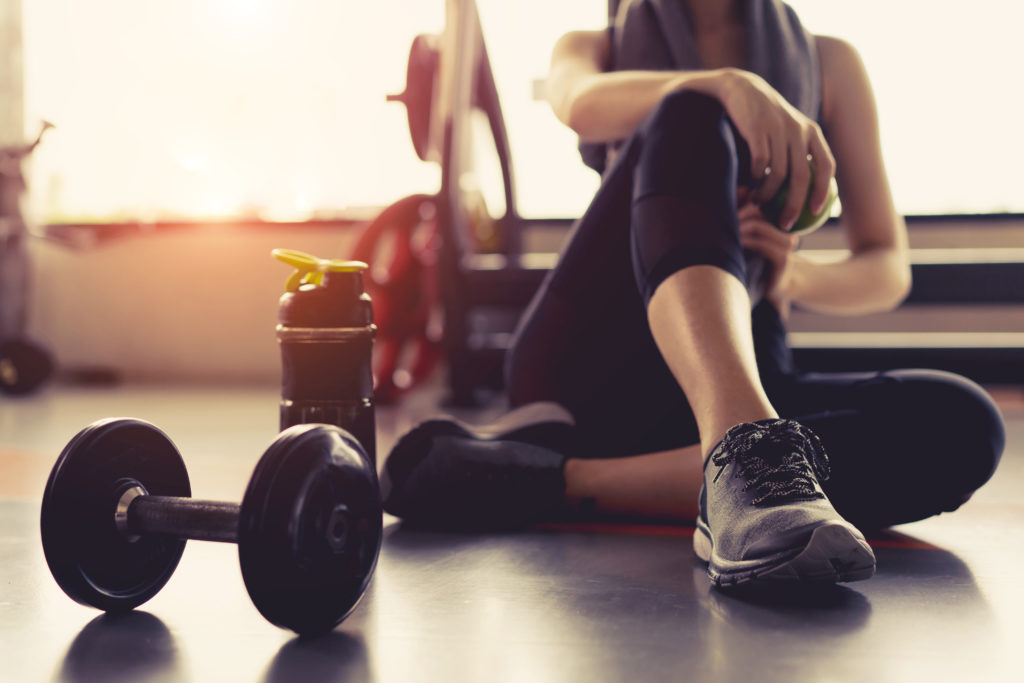
Image Source: blog.osim.co.uk
Grasping the Immediate Post-Massage State
Think about how your body feels right after a massage. Often, muscles feel relaxed, maybe a bit warm, and sometimes slightly tender or sore. This is normal. Massage, especially deeper work, affects your muscle tissues, circulation, and nervous system. It can release tension, break up adhesions (sticky spots), and improve blood flow. Your body is in a state of change and recovery.
Why Rest Might Be Best
Many massage therapists suggest rest after a session. There are good reasons for this advice.
- Muscles are Worked: Even if it felt relaxing, a massage is work for your muscles. Deeper techniques can cause micro-trauma (tiny tears) similar to exercise. Adding more stress too soon can prevent proper healing.
- Increased Blood Flow: Massage boosts circulation. While this is good for recovery, immediate strenuous exercise could potentially overwhelm your system or make you feel lightheaded.
- Relaxed State: Massage aims to relax your muscles and your mind. Jumping straight into a high-intensity workout can undo this relaxation and shock your system.
- Potential for Increased Soreness: You might already feel some soreness after massage. Exercising hard can make this much worse.
- Risk of Injury: Muscles might be too relaxed or temporarily weakened in certain areas after a deep massage. Pushing them hard can lead to strains or other injuries.
Decoding Massage Benefits for Exercise
Massage isn’t just a treat; it’s a tool for better physical performance and recovery. Understanding massage benefits for exercise helps explain why timing matters.
Massage can:
- Improve flexibility and range of motion.
- Reduce muscle tension and stiffness.
- Help prevent injuries by keeping muscles pliable.
- Speed up muscle recovery by increasing blood flow and removing waste products.
- Reduce delayed onset muscle soreness (DOMS).
- Calm the nervous system, which helps the body rest and repair.
Because massage helps your body recover and prepare for future activity, it’s important not to disrupt this immediate recovery phase by exercising too soon or too hard.
Post Massage Exercise Timing: Finding the Sweet Spot
There is no single rule for post massage exercise timing that fits everyone. It depends on you, the massage, and the exercise.
Considering the Massage Type
The type of massage you had is a major factor.
- Relaxation/Swedish Massage: This is gentle. It focuses on relaxation and general circulation. You might be able to do light activity sooner.
- Deep Tissue Massage: This targets deeper muscle layers. It can be intense and leave you sore. You definitely need more recovery time after this.
- Sports Massage: This is often used before or after exercise. Pre-event sports massage is energizing. Post-event sports massage is for recovery and needs rest afterward.
- Trigger Point Therapy: This focuses on specific tight knots in muscles. It can be painful and leave the trigger points very tender. Requires rest for those areas.
Considering the Exercise Type
The type of exercise you plan to do also matters.
- Light Exercise After Massage: Gentle activities are usually okay relatively soon after a massage.
- Moderate Exercise: This requires more caution.
- Strenuous/Intense Exercise: This should almost always be avoided immediately after a massage.
- Working Out After Massage: The intensity of your workout is key. Lifting heavy weights or doing high-impact cardio right away is risky.
Your Body’s Response
How you feel is the most important guide.
- Do you feel relaxed and sleepy? Your body is signaling it needs rest.
- Do your muscles feel tender or sore? This means they are recovering from the massage.
- Do you feel energized but still a bit “loose”? Maybe light activity is okay.
Risks of Exercising After Massage
Ignoring the advice and working out after massage too soon or too hard comes with risks.
- Increased Soreness After Massage: Massage can cause temporary soreness. Adding exercise stress on top of this will likely make you much sorer than usual.
- Muscle Strain or Injury: Relaxed or worked-on muscles might not handle heavy loads or sudden movements well.
- Fatigue and Low Energy: You might feel drained after a massage, especially a deep one. Pushing yourself physically can worsen this fatigue.
- Reduced Benefits of Massage: You might counteract the positive effects of the massage on recovery and muscle relaxation.
- Dizziness or Nausea: Changes in blood flow from massage, combined with the demands of exercise, can sometimes make you feel unwell.
When to Exercise After Deep Tissue Massage
Deep tissue massage is powerful but can be taxing on your body. It targets chronic muscle tension and knots.
- Immediate Post-Massage: Avoid any strenuous activity. Focus on hydration after massage.
- First 24 Hours: Rest is crucial. Some gentle walking is okay if you feel up to it. Avoid intense stretching after massage of the worked areas.
- 24-48 Hours: Most people can return to light exercise during this window if they feel ready. This could include gentle cardio like walking or cycling at a low intensity, or very light weights.
- After 48 Hours: You can likely resume your normal exercise routine, assuming any soreness after massage has significantly decreased.
Always listen to your body. If you feel significant soreness or fatigue, give yourself more time.
Exploring Light Exercise After Massage
So, what kind of light exercise after massage is generally considered safe and even beneficial?
- Walking: A gentle stroll can help keep blood flowing without stressing muscles. It can also help you feel grounded and alert if the massage made you sleepy.
- Very Gentle Yoga or Pilates: Focus on simple movements, breathwork, and gentle stretching, not on challenging poses or strength building.
- Easy Cycling: A flat, leisurely bike ride.
- Swimming (leisurely): Gentle laps can feel good, but avoid intense sets or dives.
The key is light. You should not feel strained, out of breath, or challenged. If it feels like work, it’s probably too much too soon.
Stretching After Massage: Be Mindful
Stretching after massage can be tricky. Your muscles are likely already elongated and relaxed from the massage work.
- Gentle, Passive Stretching: Very light, sustained stretches held for short periods might be okay, especially if guided by your therapist.
- Avoid Deep, Aggressive Stretching: Don’t force stretches or push into pain. Your muscles might be more pliable than usual, and you could overstretch or injure yourself.
- Listen to Your Body: If a stretch feels wrong or painful, stop.
It’s often best to wait several hours before doing any significant stretching, and even then, proceed with caution. Stretching after massage should complement the work, not add new stress.
The Role of Hydration After Massage
Hydration after massage is essential, regardless of whether you plan to exercise or rest. Massage can help release metabolic waste products from your muscles. Water helps flush these out of your system.
- Drink plenty of water after your session.
- Avoid dehydrating drinks like alcohol or excessive caffeine.
- Good hydration supports muscle recovery and can help reduce soreness after massage.
If you plan any exercise, hydration becomes even more important as exercise also requires adequate fluid intake.
Massage and Muscle Recovery: A Powerful Partnership
Massage is a well-regarded tool for speeding up muscle recovery. It does this through several mechanisms:
- Increased Blood Flow: Delivers oxygen and nutrients to muscles and helps remove waste products like lactic acid.
- Reduced Muscle Tension: Helps muscles relax and return to their normal length, which aids recovery.
- Reduced Swelling: Can help decrease minor swelling in muscle tissue.
- Nervous System Relaxation: Allows the body to enter a rest-and-repair state.
Working out after massage too quickly can interfere with these natural recovery processes that the massage initiated. It’s like giving your car a tune-up and then immediately taking it drag racing.
Crafting Your Post-Massage Plan
Here’s a simple guide to help you decide on post massage exercise timing:
| Massage Type | How You Feel | Exercise Recommendation | Post-Massage Timing |
|---|---|---|---|
| Relaxation/Swedish | Relaxed, maybe a bit sleepy | Light walk, gentle movement | Immediate (if desired) |
| Energized, but calm | Light cardio, gentle stretching | 1-2 hours | |
| Deep Tissue/Sports (Post) | Tender, sore, tired | Rest, focus on hydration | Immediate |
| Less sore, recovering | Very light walk | Few hours | |
| Mostly recovered | Light cardio or strength, easy stretching | 24-48 hours | |
| Trigger Point Therapy | Specific points are tender | Avoid stressing the tender area; focus on general rest | First 24 hours |
| Tender points feel better | Gentle activity, avoid heavy work on treated areas | 24-48 hours |
This table offers general guidance. Your personal experience is the most important factor.
Comprehending Individual Differences
Everyone reacts to massage differently. Your body’s history, current fitness level, the intensity of the massage, and even your stress levels before the massage all play a role.
- Listen to Your Body: This cannot be stressed enough. If you feel tired, rest. If a muscle feels tender, don’t load it heavily.
- Pay Attention to Soreness: Some soreness after massage is common, especially after deeper work. If it’s mild, light activity might be okay later. If it’s significant, you need more rest.
- Hydrate and Fuel: Proper hydration and eating a nutritious meal support recovery whether you exercise or not.
When to Seek Professional Advice
If you have specific medical conditions, injuries, or are unsure about how massage interacts with your exercise routine, talk to your doctor or a qualified physical therapist. Discussing your exercise goals and habits with your massage therapist can also help them tailor the session and give you personalized post-massage recommendations.
Navigating Common Scenarios
Let’s look at some specific situations regarding working out after massage.
Scenario 1: You Had a Gentle Swedish Massage
You feel relaxed and peaceful. You were planning a light jog later that day.
- Consideration: Swedish massage is not very intense. Your muscles are relaxed but not deeply worked.
- Action: A light jog might be fine. Start slowly. Pay attention to how your body feels. If you feel any unusual discomfort or fatigue, stop. Hydrate well before and after.
Scenario 2: You Had a Deep Tissue Massage to Work on Tight Hamstrings
The session was intense on your legs. Your hamstrings feel tender. You had planned a heavy squat workout tomorrow.
- Consideration: Deep tissue work breaks up adhesions and releases deep tension. This can leave muscles feeling worked and sore. Heavy squats put significant load on hamstrings.
- Action: Rest today. Focus on hydration after massage. Assess your soreness tomorrow. If your hamstrings are still quite sore, postpone the heavy squat workout. Opt for light upper body work or a gentle walk instead. Wait at least 48 hours, or until soreness is minimal, before heavy leg work. This is a clear case of needing recovery time when thinking about when to exercise after deep tissue massage.
Scenario 3: You Got a Full Body Sports Massage After a Big Race
You feel drained but your muscles are less tight than they would normally be after a race. You usually do an active recovery day the day after a race.
- Consideration: This post-event massage focused on flushing out waste and reducing soreness. Your body is already in recovery mode from the race.
- Action: An active recovery day (like a very easy walk or swim) might be okay, but keep the intensity extremely low. Don’t push yourself. Listen to your body’s fatigue levels. Hydration after massage and race is critical.
Scenario 4: You Had a Trigger Point Session on Your Shoulder
The trigger points feel less painful now, but the area feels bruised. You were planning a bench press session later.
- Consideration: Trigger point therapy can leave the specific spots very tender. Bench pressing heavily loads the shoulder area.
- Action: Avoid bench pressing or any exercise that puts direct stress on the treated shoulder for at least 24-48 hours, or until the tenderness subsides. Do lower body or cardio that doesn’t involve the shoulder area, or simply rest.
These scenarios highlight why flexibility and listening to your body are key parts of post massage exercise timing.
Long-Term Benefits of Integrating Massage and Exercise
When timed correctly, massage and exercise work together wonderfully. Regular massage can help you train more effectively by:
- Improving flexibility and range of motion, allowing for better form.
- Reducing chronic muscle tension that can lead to compensatory movements and injury.
- Speeding up recovery between workouts, letting you train consistently.
- Identifying potential problem areas before they become injuries.
- Reducing stress, which positively impacts recovery and performance.
By respecting the need for recovery time right after a massage, you maximize these long-term benefits. You allow your body to fully integrate the effects of the massage, leading to better performance and less risk of injury down the road.
Frequently Asked Questions (FAQ)
Q: How long after a massage should I wait before exercising?
A: It depends on the massage and how you feel. For gentle massages, a few hours might be enough for light activity. For deep tissue or intense work, waiting 24-48 hours before returning to moderate or strenuous exercise is usually best. Listen to your body above all else.
Q: Can I go for a walk right after a massage?
A: Yes, a light, easy walk is often fine and can even be beneficial for circulation after a massage. Avoid brisk walking or power walking immediately.
Q: Is it okay to lift weights after a massage?
A: It’s generally not recommended to lift heavy weights immediately after a massage, especially deep tissue or sports massage targeting the muscles you plan to work. Wait at least 24 hours, and preferably 48 hours after intense bodywork, before heavy lifting in the treated areas. Light weights might be okay sooner if you feel recovered and the treated area isn’t sore.
Q: Will exercising after a massage make me more sore?
A: Yes, exercising intensely or too soon after a massage can significantly increase muscle soreness, especially if you had deep tissue work. Your muscles are already recovering from the massage, and adding significant exercise stress can overwhelm them.
Q: What should I do after a massage if I can’t exercise?
A: Focus on rest, hydration, and gentle movement if you feel up to it (like light walking). Eat a nutritious meal. This downtime helps your body integrate the benefits of the massage and promotes recovery.
Q: Can I get a massage right before a competition or race?
A: It depends on the type of massage and your personal preference. A very light, stimulating sports massage might be used right before an event. However, a deep tissue massage or intense work should generally be avoided in the 24-48 hours leading up to a major event, as it can cause temporary soreness or fatigue.
Q: Why is drinking water important after a massage?
A: Massage can help release metabolic waste products from muscles. Drinking plenty of water helps your body flush these out, supports hydration, and can help reduce soreness after massage.
Q: Can I stretch after a deep tissue massage?
A: Be cautious with stretching after a deep tissue massage. Your muscles may already be elongated and relaxed. Avoid deep or aggressive stretching right away, as you could overstretch or injure yourself. Gentle, passive stretching might be okay later, but listen carefully to your body.
Q: How does massage help with muscle recovery?
A: Massage improves blood flow, reduces muscle tension, can decrease minor swelling, and promotes relaxation. This helps deliver oxygen and nutrients to muscles, removes waste products, and allows the body to enter a state where it can repair tissues more effectively. This is a key part of massage and muscle recovery.
Summing Up: Prioritizing Recovery
The decision to exercise after a massage isn’t a simple yes or no. It’s about smart post massage exercise timing. Generally, prioritizing rest and light activity in the immediate period after a massage, especially after deep tissue or intense bodywork, is the safest and most beneficial approach. This allows your body to integrate the positive effects of the massage, reduces the risks of exercising after massage too soon, and sets you up for better performance and recovery in your future workouts. Always hydrate well and listen closely to your body’s signals regarding soreness after massage and overall fatigue. By doing so, you make the most of your massage session and support your fitness goals safely.