
Can I exercise after a blood test? The direct answer is yes, but it is wise to wait a short time. You should avoid hard or strenuous activity right after a blood test. Give your body a chance to heal the tiny needle prick. Light movement is usually fine, but intense workouts need to wait. This helps stop problems like bruising or feeling faint. Knowing what to do and when to do it helps keep you safe and promotes quick healing.
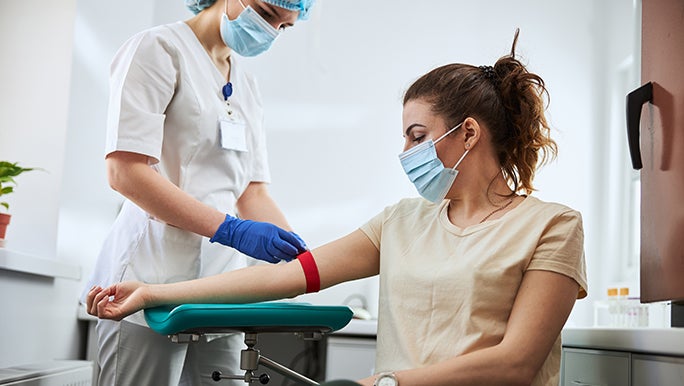
Image Source: assets-us-01.kc-usercontent.com
Why Rest Matters After A Blood Draw
Getting a blood test is a common medical step. It helps doctors learn about your health. During a blood test, a small needle goes into a vein, usually in your arm. This creates a tiny hole in the vein wall. Your body then starts to fix this hole. It forms a small clot to stop bleeding. This healing process needs a little time without stress.
Many people think little about post blood draw activity. Yet, resting your arm helps this small wound close up properly. It prevents the blood from leaking out into the surrounding tissues. Moving your arm too much or doing heavy lifting can disrupt this healing. This can lead to problems. Giving your body a moment to recover is a simple but important step. It protects your health and makes sure you do not have any bad effects from the blood test.
The Body’s Response to a Needle Stick
When a needle enters your vein, it causes a small injury. Your body’s first response is to stop any bleeding. Blood platelets rush to the site. They form a plug. Then, a more stable blood clot forms. This clot seals the vein. This process happens very fast. But the clot needs to be strong. Pressure on the site helps this clot form well. It also helps the vein close up. If you use the arm too much, the clot might not be strong enough. This can cause the vein to bleed again. The blood might leak under your skin. This is what causes a bruise.
Common Feelings After Blood Work
It is normal to feel different things after blood work. Some people feel fine. Others might feel a bit off. Knowing these feelings can help you decide what to do next.
Feeling Lightheaded After Blood Work
It is quite common to feel lightheaded after blood work. This can happen for many reasons. Your body might react to the sight of blood. Or it might react to the needle itself. Some people get a small drop in blood pressure. This can make them feel dizzy or faint. This feeling usually passes quickly. Sitting or lying down helps a lot. It allows blood to flow back to your head. If you feel lightheaded, tell the person who drew your blood. They can help you stay safe. They might give you juice or water. They will also tell you to rest before you leave. Do not try to stand up too fast. Do not try to drive if you still feel dizzy. Wait until you feel completely normal and steady.
Soreness at the Site
You might feel a little sore where the needle went in. This is normal. It is like any small bump or scratch. The soreness usually goes away in a day or two. You might also see a small mark. This is part of the healing process. It means your body is working to fix the spot. Do not poke or rub the area too much. Let it heal on its own.
Risks of Exercising Too Soon
Exercising too soon after a blood test can lead to several problems. These problems are usually not serious, but they can be uncomfortable. They can also delay your full return to activity. It is important to know these risks. This helps you make smart choices about your exercise post venipuncture. Giving your body a little rest is a small price to pay for avoiding these issues.
Bruising and Swelling
The most common problem from exercising too soon is bruising. A bruise, also called a hematoma, happens when blood leaks from the vein. It goes into the tissues around it. This makes the area look dark and discolored. It can be painful and swollen. When you use the arm for exercise, especially heavy lifting or pushing, you increase blood flow. This extra blood flow can make it easier for blood to leak out of the tiny hole in the vein. It can also make a bruise bigger if one has already started. Moving the arm forcefully can tear the newly formed clot. This re-opens the wound inside. Keeping your arm still and avoiding heavy use helps the clot seal completely. This is key for hematoma prevention after blood test.
Feeling Dizzy After Blood Draw Workout
Even if you felt fine right after the blood draw, strenuous activity can make you dizzy later. When you work out, your blood pressure and heart rate go up. Your body sends more blood to your muscles. If your blood volume is already a little lower from the blood draw, or if you were a bit dehydrated, this can make you feel weak. You might feel dizzy after blood draw workout, or even faint. This is especially true if you do activities that involve quick movements or standing up fast. It is important to listen to your body. If you feel any dizziness, stop exercising right away. Sit or lie down until you feel better.
Delayed Healing
Overuse of the arm can also slow down the healing process. The body needs energy and resources to repair tissues. If you are taxing your muscles with exercise, those resources might be diverted. The small vein puncture might take longer to fully close. This can mean the soreness lasts longer. It might also increase the risk of infection, though this is rare. Allowing your body to focus on healing the blood draw site ensures a quicker and smoother recovery.
Specific Dangers of Strenuous Activity After Blood Sample
Some activities carry higher risks right after a blood test. These include:
- Heavy Lifting: Any exercise that uses your arms or puts strain on them, like lifting weights, can easily dislodge the clot. This can cause a large bruise or even re-bleeding.
- Push-ups or Pull-ups: These exercises put direct pressure and strain on the arm veins.
- Running or High-Impact Exercise: While not directly using the arm, these can increase overall blood pressure and heart rate quickly. If you are already feeling a bit weak, this can lead to feeling faint or dizzy.
- Contact Sports: Activities like basketball or soccer involve bumps and falls. A direct hit to the blood draw site could cause major problems.
It is best to avoid these types of strenuous activity after blood sample for at least a few hours, or even a full day.
When Can You Work Out After A Blood Test?
Knowing the right time to start moving again is key for safety. The good news is that for most people, the wait is not very long. It depends on the type of activity and how your body feels.
Immediate Post Blood Draw Activity
Right after the blood is drawn, the healthcare worker will put a bandage on your arm. They will tell you to keep pressure on the spot for a few minutes. This is very important. It helps the vein close up quickly and stops bruising.
- Keep pressure: Hold a cotton ball or gauze firmly over the site for 3-5 minutes.
- Keep arm straight: Do not bend your arm at the elbow right away. Keep it straight. Bending can cause the vein to kink and bleed internally.
- Avoid carrying heavy things: Do not carry a heavy bag with that arm for at least 15-30 minutes.
- Avoid heat: Do not put hot packs on the area. Heat can increase blood flow and make bleeding worse.
- Stay hydrated: Drink some water. This helps replace any fluids lost and can help if you feel lightheaded.
Light Exercise Post Venipuncture
Most people can do light exercise post venipuncture relatively soon. Light exercise means activities that do not strain your arm or make your heart beat very fast.
- After 15-30 minutes: If you feel fine and there is no bleeding, you can do light walking. You can do gentle stretching. Avoid anything that makes your arm work hard. This includes opening jars or lifting small objects.
- Walking is great: A gentle walk is often a good way to get your blood moving slowly. It can help you feel better if you were sitting for a while.
- Listen to your body: If you feel any pain, dizziness, or lightheadedness, stop right away. Sit down and rest.
When to Resume Strenuous Exercise
For more strenuous exercise, it is best to wait longer. This allows the small hole in your vein to fully close and heal.
- At least 4-6 hours: Many healthcare providers suggest waiting at least 4-6 hours before doing any moderate exercise. This means things like brisk walking, light jogging, or cycling without much effort.
- 24 hours for heavy exercise: For heavy lifting, intense cardio, or contact sports, it is generally best to wait a full 24 hours. This gives your body plenty of time to heal the puncture site. It also helps to prevent any bleeding or large bruises. Some people with clotting issues might need to wait even longer. Always follow the advice given by the healthcare staff.
Timing for Different Blood Tests
The type of blood test usually does not change the exercise rules much. The main thing is the needle stick itself. But there are a few things to think about.
| Activity Type | Recommended Waiting Time After Blood Draw | Notes |
|---|---|---|
| Keeping Arm Still/Applying Pressure | 5-10 minutes (continuously) | Crucial for initial clot formation. |
| Light Walking, Gentle Stretching | 15-30 minutes | OK if you feel well and no bleeding. Avoid using the arm for heavy lifting. |
| Moderate Exercise (Brisk Walk, Light Jog, Easy Cycle) | 4-6 hours | Allows initial healing. Check for pain, swelling, or dizziness. Stop if any issues arise. |
| Strenuous Exercise (Weightlifting, Intense Cardio, Contact Sports) | 24 hours | Recommended to prevent hematoma, re-bleeding, and dizziness. This allows the puncture site to fully seal and reduces risks. Consider waiting longer if you had a large draw or tend to bruise easily. |
This table provides a general guide for when can I workout after a blood test. Always think about how you feel personally. If you feel unwell, wait longer.
Special Cases: Fasting Blood Tests
Some blood tests require you to fast. This means you cannot eat or drink anything but water for a certain number of hours before the test. This can be 8 to 12 hours. Fasting can make you feel more tired or weak. This is an important factor for fasting blood test exercise recommendations.
Why Fasting Matters
When you fast, your body uses its stored energy. Your blood sugar levels might be lower than usual. You might also be a bit dehydrated if you limit water too much (though usually water is allowed). Because of this, you are more likely to feel lightheaded or weak after the blood draw. Your body has less immediate energy to recover. Adding exercise on top of this can make these feelings worse. It can increase your risk of dizziness or fainting.
Fasting Blood Test Exercise Recommendations
If you have a fasting blood test, extra care is needed:
- Eat a good meal right after: Bring a snack or plan to eat a healthy meal soon after your blood draw. This helps to bring your blood sugar back to normal levels. It gives your body the energy it needs.
- Hydrate well: Drink plenty of water before and after the test. Staying hydrated is always important. It is even more so when fasting.
- Rest longer: It is even more important to avoid strenuous activity after blood sample if you have been fasting. Give yourself at least 24 hours before trying any hard workouts.
- Listen closely to your body: You might feel more tired or weak than usual. Pay extra attention to any signs of dizziness or lightheadedness. Do not push yourself. Your body needs to recover from both the blood draw and the fasting period.
- Consider skipping exercise for the day: For many, it’s safest to simply take it easy and avoid exercise for the rest of the day after a fasting blood test. This ensures full recovery and avoids any potential issues.
Tips for Faster Recovery After Blood Work
Making your recovery after blood test for exercise smooth and quick is easy. Simple steps can help prevent problems and get you back to your routine sooner.
Hematoma Prevention After Blood Test
Preventing a bruise is one of the main goals. Here’s how:
- Apply firm, direct pressure: This is the most important step. Press firmly on the gauze pad over the site for 5-10 minutes. Do not peek.
- Keep your arm straight: Do not bend your elbow. Keep your arm fully extended for at least 15-30 minutes after the draw.
- Avoid heavy lifting: Do not lift anything heavy with that arm for at least 4-6 hours, ideally 24 hours. This includes grocery bags, children, or weights.
- Do not rub the site: Rubbing can make a bruise worse.
- Use ice if needed: If you start to see a bruise form, apply an ice pack (wrapped in a cloth) to the area for 15-20 minutes at a time. This can help reduce swelling and stop the bruise from getting bigger.
- Remove the bandage: You can usually take off the small bandage after a few hours. If you have a larger bandage, follow the nurse’s advice.
Staying Hydrated
Water is vital for your body’s functions. It helps your blood flow smoothly. It also helps your body replace the small amount of fluid lost during the blood draw. Drinking enough water can help prevent dizziness. It can also make your veins easier to find for future tests. Aim to drink several glasses of water before and after your blood test.
Proper Nutrition
Eating a balanced meal after your blood test is helpful. This is especially true if you fasted. A meal with complex carbohydrates (like whole grains), protein, and healthy fats helps stabilize your blood sugar. It gives your body the energy it needs for healing and recovery. Avoid sugary drinks or snacks that can cause a quick spike and then a crash in blood sugar.
Listening to Your Body
This is the most important tip. Everyone is different. How you feel after a blood test can vary. Some people feel great. Others feel a little weak.
- Pay attention to signs: If you feel tired, dizzy, or lightheaded, rest. Do not push yourself.
- Do not ignore pain: If the blood draw site is very painful or swells a lot, seek advice.
- Gradual return: When you do decide to exercise, start slowly. See how your body responds. If everything feels normal, you can slowly increase your activity.
What To Do If Problems Arise
Most blood tests go smoothly with no major problems. But sometimes, issues can come up. Knowing what to look for and what to do can give you peace of mind.
Persistent Bleeding or Swelling
It is normal to have a tiny bit of spotting on the bandage. But if the site keeps bleeding, or if a large bruise forms quickly, you need to act.
- Apply firm pressure: If the site starts bleeding again, press firmly on it with clean gauze or a cloth. Hold for at least 10 minutes.
- Elevate the arm: Raise your arm above your heart. This can help slow blood flow to the area.
- Apply ice: If swelling or bruising is severe, put an ice pack (wrapped in a towel) on the area for 15-20 minutes. Repeat this a few times a day.
- Contact your doctor: If bleeding does not stop after 15-20 minutes of firm pressure, or if swelling gets worse, call your doctor or the clinic where you had the blood drawn.
Severe Dizziness or Fainting
Feeling lightheaded after blood work is common. But severe dizziness that does not go away, or actually fainting, needs quick action.
- Lie down immediately: If you feel faint, lie down flat with your feet raised. This helps blood flow to your brain.
- Seek help: If someone is with you, have them help you lie down. If you are alone, try to get to a safe spot on the floor.
- Do not drive: Do not drive or operate machinery if you feel dizzy or lightheaded. Wait until you are completely back to normal.
- Tell your doctor: If you fainted or had severe dizziness, tell your doctor. They might want to check for other causes.
Signs of Infection
Infection at the blood draw site is rare. But it can happen. Look for these signs:
- Redness: The area around the puncture site becomes very red and spreads.
- Warmth: The skin feels warm to the touch.
- Increased pain: The pain gets worse instead of better.
- Pus: You see pus or discharge from the site.
- Fever: You develop a fever.
If you see any of these signs, contact your doctor right away. An infection needs quick medical attention.
Your Journey to Recovery After Blood Test for Exercise
Your health is important. Taking a little time for recovery after a blood test is part of good self-care. It helps your body bounce back fully.
Gradual Return to Activity
Do not rush back into your full workout routine. Think of it as a warm-up phase for your body after a mini-medical procedure.
- Start with light movement: Begin with simple activities like walking or light chores. See how your arm and body feel.
- Increase intensity slowly: If light activity feels good, slowly add more effort the next day. This might mean a longer walk or slightly heavier tasks.
- Listen for cues: Your body will tell you if it’s ready for more. Any discomfort, pain, or dizziness means you need to slow down.
The Importance of Patience
Patience is key. A few hours or a day of rest is a small pause in your overall fitness journey. It is far better to wait and heal properly than to push too hard and face problems. These problems can lead to more downtime later. Respect your body’s need for healing. This will allow you to return to your exercise routine safely and without worry. Remember, a quick and full recovery means you can get back to your active lifestyle sooner and without setbacks.
Frequently Asked Questions
Q1: How long should I apply pressure after a blood test?
A1: Apply firm pressure to the cotton ball or gauze on the blood draw site for at least 3-5 minutes. Some nurses may suggest up to 10 minutes, especially if you bruise easily or are on blood thinners.
Q2: Can I lift weights after a blood test?
A2: No, it is best to avoid lifting weights with the arm used for the blood draw for at least 24 hours. Heavy lifting can cause the puncture site to re-bleed, leading to a large bruise (hematoma).
Q3: What if I feel faint after leaving the clinic?
A3: If you feel faint or lightheaded after leaving, find a safe place to sit or lie down immediately. If you are driving, pull over. Drink some water or juice if available. Do not get up until you feel completely normal and steady. If symptoms do not improve, seek medical help.
Q4: Is it normal to have a small bruise after a blood test?
A4: Yes, a small bruise is common. It means a little blood leaked out of the vein. If you followed the pressure and arm-straightening steps, it should be minor. If the bruise is large, painful, or gets bigger, you should contact the clinic or your doctor.
Q5: Can I shower after a blood test?
A5: Yes, you can usually shower after a blood test. However, avoid scrubbing the blood draw site. You can remove the small bandage before showering, but keep the area clean. Do not soak the arm in a bath or hot tub for at least 24 hours to prevent infection.
Q6: What can I do to help prevent a bruise?
A6: To prevent a bruise, apply firm pressure to the site for several minutes. Keep your arm straight and avoid bending the elbow. Do not lift anything heavy with that arm for at least 4-6 hours. You can apply an ice pack to the area if you notice a bruise forming.
Q7: How long does recovery after blood test for exercise take?
A7: For light activities like walking, you can often resume after 15-30 minutes if you feel well. For moderate exercise, wait 4-6 hours. For strenuous exercise like weightlifting or intense cardio, wait at least 24 hours. Always listen to your body and wait longer if you feel unwell.