
Yes, generally you can exercise after a bee sting, but it’s crucial to listen to your body and consider several factors related to your recovery and the severity of your reaction.
A bee sting can be an unwelcome interruption to your fitness routine. The immediate concern is often pain and swelling, but for many, the question of activity after bee sting looms large. Can you resume your usual working out after bee sting? The answer isn’t a simple yes or no; it depends on how your body reacts and how you feel. This in-depth guide will explore the considerations for exercise safety bee sting, when it’s appropriate to get back to physical exertion bee sting, and how to approach your return to fitness.
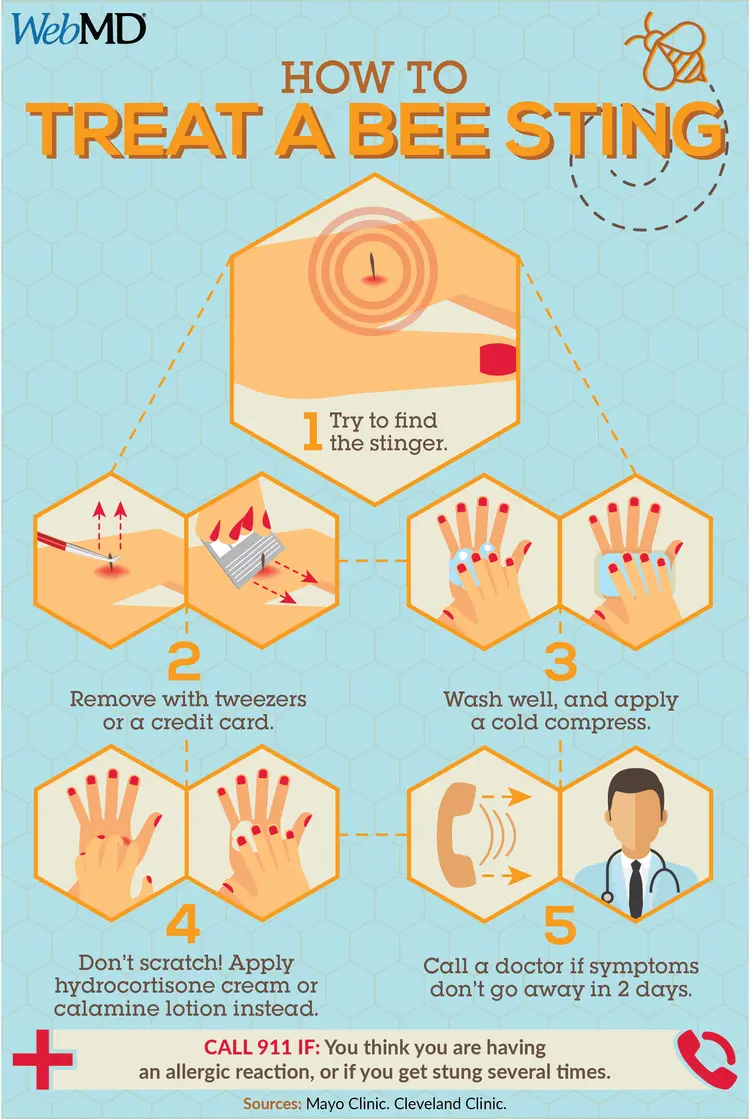
Image Source: img.lb.wbmdstatic.com
Gauging Your Reaction to a Bee Sting
The initial response to a bee sting varies significantly from person to person. For most people, a bee sting results in localized pain, redness, and mild swelling around the sting site. This is a normal inflammatory response. However, some individuals experience more severe reactions, including allergic responses that can be dangerous.
Mild Reactions
- Symptoms: Localized pain, redness, swelling, itching at the sting site.
- Duration: Symptoms typically peak within a few hours and gradually subside over a day or two.
- Impact on Exercise: Generally, mild reactions do not prevent exercise.
Moderate Reactions
- Symptoms: More significant swelling that may spread beyond the immediate sting area, increased itching, and sometimes mild hives away from the sting site.
- Duration: Swelling might last for several days.
- Impact on Exercise: You might need to delay intense exercise or modify your routine due to discomfort and the risk of increased swelling.
Severe Allergic Reactions (Anaphylaxis)
- Symptoms: Hives spreading over the body, difficulty breathing, wheezing, swelling of the throat or tongue, dizziness, nausea, vomiting, a rapid pulse, or a drop in blood pressure.
- Duration: These are medical emergencies requiring immediate attention.
- Impact on Exercise: If you have a history of severe allergic reactions or experience any of these symptoms, you must seek immediate medical help and should not exercise until cleared by a doctor. This is a critical aspect of exercise safety bee sting.
When Can I Resume Exercise After a Bee Sting?
Determining when to exercise after sting is key. The primary factors are how you feel and the severity of your reaction.
For Mild Reactions
If you experience only localized pain and minor swelling:
- Immediate Post-Sting: It’s wise to rest for a few hours immediately after the sting. This allows you to monitor for any signs of a more severe reaction and to clean the area properly.
- Light Activity: You can usually engage in very light activity, such as a gentle walk, within a few hours if you feel up to it and the sting site isn’t too painful.
- Moderate Exercise: Within 24-48 hours, if the pain and swelling have significantly decreased and you feel well overall, you can often resume moderate exercise.
For Moderate Reactions
If you have more significant swelling or discomfort:
- Delay Strenuous Activity: It’s best to avoid any physical exertion bee sting that could increase blood flow to the area or cause discomfort. This might mean waiting 2-3 days or even longer.
- Listen to Your Body: Pay close attention to how the swelling and pain affect your ability to move. If movement aggravates the pain or makes the swelling worse, wait longer.
- Focus on Recovery: Prioritize R.I.C.E. (Rest, Ice, Compression, Elevation) to manage swelling. Once swelling and pain are manageable, you can gradually reintroduce exercise.
For Severe Allergic Reactions
- Medical Emergency: If you experience any symptoms of anaphylaxis, you need immediate medical attention. Do not attempt to exercise until you have been evaluated by a healthcare professional and are cleared to do so. They will advise on the best course of action for bee sting recovery exercise.
Factors Influencing Your Return to Exercise
Several elements play a role in deciding when and how to get back to your workout routine.
The Sting Location
- Extremities (Arms, Legs): Stings on arms or legs are generally easier to manage during exercise than stings on more sensitive areas.
- Trunk or Neck: Stings on the torso or neck can be more concerning due to proximity to vital organs and potential for swelling to affect breathing. If stung in these areas, it’s wise to be more cautious about physical exertion bee sting.
- Face/Head: Stings on the face or head can cause significant swelling that might interfere with vision or comfort during exercise.
Your Personal Health History
- Allergies: If you have a known allergy to bee stings, exercise is generally not advised until you have been medically evaluated and are confident your reaction is under control. This is crucial for exercise safety bee sting.
- Pre-existing Conditions: Individuals with conditions like asthma or heart disease might be more susceptible to complications from stress or inflammation, so they should consult their doctor.
Intensity of Your Planned Exercise
- Low-Intensity: Activities like walking or gentle stretching are less likely to cause issues.
- High-Intensity: Strenuous activities like running, cycling, or heavy weightlifting can increase heart rate and blood flow, potentially exacerbating swelling or discomfort.
The Impact of Bee Sting on Exercise Performance
A bee sting can have a direct impact of bee sting on exercise performance, even in the absence of a severe reaction.
- Pain and Discomfort: Localized pain can make it difficult to move naturally, affecting your form and limiting your ability to perform certain exercises.
- Swelling: Swelling can restrict joint movement, making exercises like squats, lunges, or even walking uncomfortable or impossible.
- Psychological Effect: The fear of reinjury or increased pain can also impact your confidence and willingness to push yourself during a workout.
Best Practices for Exercising After a Bee Sting
To ensure exercise safety bee sting and promote effective bee sting recovery exercise, follow these guidelines:
1. Prioritize Rest and Initial Care
- Remove the Stinger: If the stinger is still embedded, gently scrape it out with a fingernail or credit card. Avoid squeezing it, as this can release more venom.
- Clean the Area: Wash the sting site with soap and water.
- Apply Cold Compress: Use an ice pack wrapped in a cloth to reduce swelling and numb the pain. Apply for 10-15 minutes at a time, with breaks in between.
- Elevate the Area: If the sting is on a limb, keep it elevated to help reduce swelling.
- Over-the-Counter Pain Relievers: Non-prescription pain relievers like ibuprofen or acetaminophen can help manage pain and inflammation. Antihistamines can also help with itching and swelling.
2. Gradually Reintroduce Activity
The best time to exercise after bee sting is when you feel ready and the symptoms are manageable.
- Start Slow: Begin with low-impact activities. A leisurely walk is a good starting point.
- Monitor Swelling: Pay attention to whether your activity increases swelling or pain at the sting site. If it does, stop and rest.
- Short Durations: Keep your initial exercise sessions short.
- Avoid Overexertion: Don’t try to push yourself too hard. The goal is gentle movement, not a personal best.
3. Modifications for Exercise with Bee Sting Swelling
If you decide to exercise with some residual exercise with bee sting swelling, consider these modifications:
- Choose Low-Impact Exercises: Opt for activities like swimming (once the sting site is closed and clean), cycling on a stationary bike, or yoga.
- Avoid Stresses on the Sting Area: If your sting is on your knee, avoid deep squats or running. If it’s on your arm, avoid overhead presses or exercises that put direct pressure on the area.
- Wear Loose Clothing: Tight clothing can irritate the sting site and potentially worsen swelling.
- Stay Hydrated: Drink plenty of water, which is always important during exercise and can aid recovery.
4. Listen to Your Body’s Signals
This is the most crucial aspect of resuming exercise after bee sting.
- Pain is a Warning: Don’t ignore pain. If an exercise causes pain at the sting site, stop immediately.
- Increased Swelling: If you notice the swelling worsening during or after exercise, it’s a sign you’re doing too much too soon.
- General Well-being: If you feel fatigued, unwell, or have any new symptoms, it’s best to rest.
When to Seek Medical Advice
It’s essential to consult a doctor if:
- You experience any symptoms of a severe allergic reaction (anaphylaxis).
- The swelling is extensive and spreading rapidly.
- You have a known allergy to bee stings.
- The sting site shows signs of infection (increased redness, warmth, pus, fever).
- Your symptoms don’t improve after a few days or worsen.
- You are unsure about your ability to exercise safely.
Your doctor can provide personalized advice on bee sting recovery exercise and when it’s safe for you to return to your normal activity after bee sting.
Preparing for Future Encounters
Once you’ve recovered, consider strategies to prevent future stings and be prepared.
- Protective Clothing: When exercising outdoors, especially in areas where bees are common, wear light-colored, loose-fitting clothing that covers your skin.
- Avoid Scents: Perfumes, colognes, and scented lotions can attract bees.
- Be Mindful of Your Surroundings: Pay attention to where you step and place your hands, especially around flowering plants or garbage cans.
- Carry Medication: If you have a known allergy, always carry your prescribed epinephrine auto-injector (EpiPen) and know how to use it.
Navigating Exercise with Residual Swelling
Even after the initial pain subsides, residual exercise with bee sting swelling can be a concern.
The Science Behind Swelling and Exercise
When you exercise, your body increases blood flow to muscles and tissues. For an area that is already inflamed due to a bee sting, this increased blood flow can potentially:
- Amplify Discomfort: More blood reaching the swollen area can intensify the feeling of tightness and throbbing.
- Slow Down Recovery: While circulation is good for healing, excessive strain on an inflamed area might temporarily impede the natural reduction of swelling.
However, for mild swelling, gentle movement can sometimes help improve lymphatic drainage, which is part of the body’s natural process for clearing waste and fluid. The key is to differentiate between beneficial gentle movement and harmful strain.
Gradual Progression is Key
When you can finally start resuming exercise after bee sting, think about a phased approach:
- Phase 1: Gentle Movement (Day 1-3 Post-Sting, depending on severity)
- Focus: Very light activity, improving circulation without stressing the sting site.
- Examples: Short walks, gentle stretching, deep breathing exercises.
- What to watch for: No increase in pain or swelling.
- Phase 2: Light to Moderate Activity (Day 3-7 Post-Sting, depending on severity)
- Focus: Reintroducing exercises that don’t directly impact the sting area.
- Examples: Stationary cycling with low resistance, light swimming, using an elliptical machine.
- What to watch for: Mild to moderate discomfort is acceptable, but sharp pain or significant swelling increase means you need to back off.
- Phase 3: Return to Normal Activity (As symptoms resolve)
- Focus: Gradually increasing intensity and duration to pre-sting levels.
- Examples: Running, resistance training, sports.
- What to watch for: Ensure no lingering pain or swelling affects performance or causes discomfort.
Practical Tips for Exercising with Mild Swelling
- Compression Sleeves/Bandages (with caution): If the swelling is in a limb, a light compression sleeve or bandage might offer support and potentially aid drainage. However, ensure it’s not too tight, which could worsen swelling or restrict blood flow.
- Warm-up Thoroughly: A longer, more thorough warm-up can prepare the muscles and tissues for movement, especially if there’s any stiffness from swelling.
- Cool-down and Stretch: A gentle cool-down and stretching routine can help muscles relax and may assist in fluid return.
The Psychological Aspect of Exercising After a Sting
Beyond the physical, there’s the mental game. Being stung can make you anxious about further encounters or about pushing your body.
- Acknowledge the Fear: It’s natural to feel a bit apprehensive.
- Build Confidence: Start with activities you feel completely comfortable with. Success in these will build your confidence to try more challenging ones.
- Mindfulness: Focus on your breath and the sensations in your body. If you feel a twinge of discomfort, distinguish between normal muscle fatigue and pain directly related to the sting.
Frequently Asked Questions (FAQ)
Q1: How long should I wait to exercise after a bee sting?
A: For a mild reaction, you can typically resume light activity within a few hours and moderate exercise within 24-48 hours, provided you feel well and the pain/swelling is subsiding. For more significant reactions, wait several days and listen to your body.
Q2: Can exercise worsen bee sting swelling?
A: Yes, strenuous exercise that increases blood flow to the sting area can potentially worsen swelling and discomfort. Gentle movement may help some people, but overexertion should be avoided.
Q3: What are the signs of an allergic reaction to a bee sting that would prevent exercise?
A: Signs of a severe allergic reaction (anaphylaxis) include difficulty breathing, hives all over the body, swelling of the face or throat, dizziness, nausea, or vomiting. If you experience any of these, seek immediate medical attention and do not exercise.
Q4: Is it safe to swim after a bee sting?
A: Yes, swimming is generally a good option for activity after bee sting, provided the sting site is clean and has begun to heal. The water can be soothing, and it’s a low-impact exercise. However, avoid swimming in areas where bees are prevalent until you are fully recovered.
Q5: I have swelling that hasn’t completely gone away. Can I still work out?
A: If you have mild residual swelling but no pain and feel generally well, you can usually engage in light to moderate exercise. Be mindful of the swollen area and avoid movements that cause discomfort or increase the swelling. If the swelling is significant or concerning, consult a doctor.
Q6: What’s the best time to exercise after a bee sting if I want to get back to training quickly?
A: The best time to exercise after bee sting is when your symptoms are minimal. For mild stings, this could be the next day. However, rushing your return can prolong recovery or lead to complications. Prioritize your body’s signals over a strict timeline for the most effective resuming exercise after bee sting.
In conclusion, while a bee sting can put a temporary pause on your fitness plans, it doesn’t have to be a long one for most people. By carefully assessing your reaction, prioritizing rest and initial care, and gradually reintroducing physical exertion bee sting, you can safely navigate your bee sting recovery exercise and get back to your favorite activities. Always remember that listening to your body is the most important rule in exercise safety bee sting.