
Yes, many people can start doing some form of exercise about one week after having a tooth taken out, but it’s really important to listen to your body and your dentist. Generally, light exercise after tooth extraction is often okay by the seven-day mark for simple extractions, but strenuous exercise after tooth extraction usually needs more time. The exact answer to how long after tooth extraction can I exercise depends a lot on how your healing is going and the type of extraction you had, like when can I exercise after wisdom tooth extraction, which might take longer. Following dentist advice on exercise after tooth extraction is the most important rule.
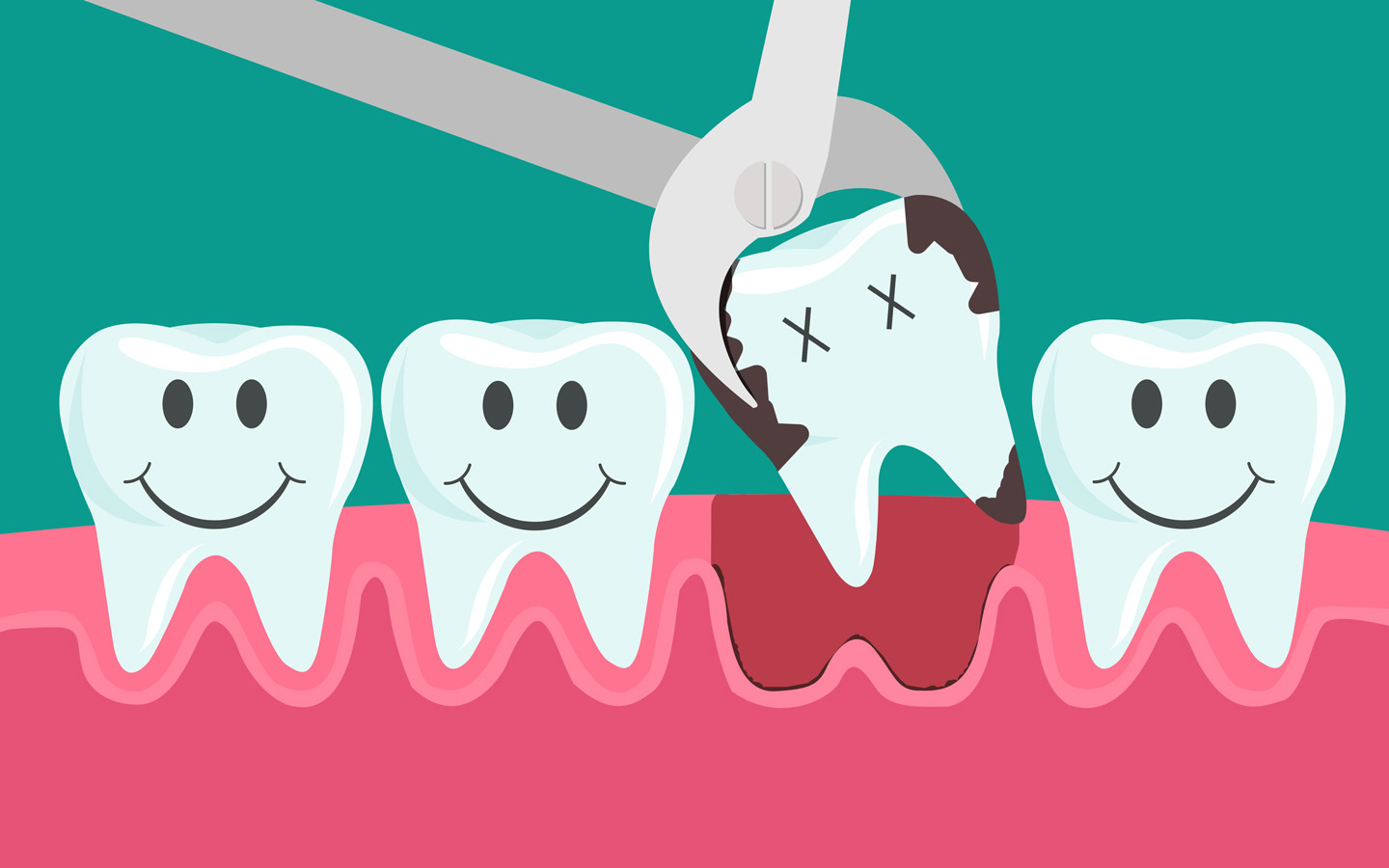
Image Source: www.medicomdtx.com
The First Few Days: Why Rest is Key
Right after a tooth is pulled, your body starts the healing process. The most important step is the formation of a blood clot in the socket where the tooth was. This clot is like a natural bandage. It protects the bone and nerves underneath and is the foundation for new tissue to grow. Keeping this clot safe is crucial for good healing.
In the first 24-48 hours, your dentist will tell you to rest. This is not the time for any kind of exercise, not even light walking. Any activity that raises your heart rate and blood pressure can cause problems.
Why You Need to Rest Early On
- Protecting the Blood Clot: Any shaking, bending, or strain can dislodge the new blood clot. If the clot falls out before the area heals, it can lead to a painful condition called dry socket.
- Reducing Bleeding: Exercise increases blood flow. More blood flow to the extraction site means more bleeding after tooth extraction exercise, which slows down healing and can be uncomfortable.
- Minimizing Swelling and Bruising: Rest helps keep swelling and bruising down. Activity can make these worse.
- Saving Energy for Healing: Your body uses energy to heal. Rest allows your body to focus that energy on repairing the extraction site.
Knowing Your Recovery Time
Post tooth extraction recovery timeline can vary greatly from person to person and based on the difficulty of the extraction.
Standard Recovery Steps
- Day 1: Bleeding is controlled. Swelling starts. Pain is managed with medication. Strict rest.
- Day 2-3: Swelling is often at its worst. Pain should start to get better. You can start gentle rinsing with salt water (after the first 24 hours). Still mostly resting.
- Day 4-5: Swelling goes down. Pain lessens more. You might start to feel more normal. You can usually eat softer solid foods.
- Day 6-7 (The 1-Week Mark): Swelling and pain should be much better, maybe gone. The socket is closing. You might feel ready to add some activity back into your routine.
- Weeks 2-4: The socket continues to fill in with new tissue. You feel mostly back to normal.
- Months Later: The bone fully remodels.
This timeline is just a general guide. Your healing might be faster or slower. A simple extraction (like a front tooth) usually heals faster than a surgical extraction (like an impacted wisdom tooth).
Different Extraction Types, Different Timelines
Not all tooth extractions are the same. A simple extraction is done on a tooth that is visible in the mouth and can be pulled out easily with forceps. A surgical extraction is needed for teeth that are broken below the gum line or are impacted (like many wisdom teeth) and requires cuts into the gum or removal of bone.
Simple vs. Surgical Extraction Healing
- Simple Extraction: Healing is generally quicker. The risk of complications like dry socket might be slightly lower (though still present). You might feel ready for light activity sooner.
- Surgical Extraction (Including Wisdom Teeth): This type involves more trauma to the tissues. Swelling, bruising, and pain are often worse and last longer. The risk of complications can be higher. This means you usually need more rest time. When can I exercise after wisdom tooth extraction is a question that often gets a later date than for a simple extraction. Many dentists recommend waiting at least 7-10 days, sometimes even two weeks, before returning to anything more than very light walking.
The Dangers of Exercising Too Early
Trying to do too much, too soon, comes with risks. It’s tempting to get back to your routine, but pushing it can set your recovery back significantly.
Potential Problems from Early Exercise
- Dry Socket (Alveolar Osteitis): This is perhaps the most feared complication. It happens when the blood clot in the socket dissolves or gets dislodged, leaving the bone exposed. It is very painful. Dry socket exercise risk is real. The increased blood pressure and movement from exercise can easily disrupt the fragile clot.
- Increased Bleeding: As mentioned, exercise pumps blood faster. This can restart or increase bleeding after tooth extraction exercise, which should have stopped or significantly slowed down by one week.
- More Swelling and Pain: Physical activity can worsen inflammation, leading to more swelling and discomfort around the extraction site.
- Infection: While less direct, disrupting the healing process or causing more bleeding can potentially make the area more open to infection.
- Delayed Healing: Any complication, like dry socket or increased bleeding, will delay the overall post tooth extraction recovery timeline.
Exercise at the 1-Week Mark: What Might Be Okay?
By day seven, if your healing is going well and your dentist says it’s okay, you might consider light exercise after tooth extraction. What counts as “light”?
Types of Light Exercise
- Gentle Walking: This is often the first activity dentists approve. A slow, easy walk that doesn’t make you breathe hard or raise your heart rate much. Keep it short at first, maybe 15-20 minutes.
- Very Gentle Yoga (Avoid Inversions): Poses that don’t involve bending below the waist or straining are sometimes okay. Avoid anything that requires holding your breath, straining your facial muscles, or putting your head below your heart.
- Slow, Easy Stationary Cycling: If your pain and swelling are minimal, very low-resistance pedaling on a stationary bike might be possible. Again, keep your heart rate down.
What to Avoid at One Week
Even if you feel great, most exercise restrictions after tooth extraction still include avoiding anything that could stress the extraction site or increase bleeding risk significantly.
- Running or Jogging: Too much impact and raises heart rate too high.
- Lifting Weights or Strength Training: Straining, especially around the head and neck, can be very dangerous for the blood clot.
- High-Intensity Interval Training (HIIT): Raises heart rate too high, involves rapid movements and potential straining.
- Contact Sports: Obvious risk of getting hit in the face.
- Swimming: Risk of infection from water getting into the socket, especially if not fully closed. Also involves physical exertion.
- Any activity requiring bending, jumping, or heavy lifting. This includes many common exercises.
Strenuous exercise after tooth extraction is generally off-limits at the one-week mark.
Listening to Your Body: The Most Important Rule
Your dentist can give you a general timeline, but everyone heals differently. Pay close attention to what your body tells you when you try to add activity back.
Signs You Are Doing Too Much
- Increased Bleeding: If the extraction site starts to bleed more than just a tiny bit after you exercise, stop immediately. This is a clear sign you need more rest. Bleeding after tooth extraction exercise is a major warning sign.
- More Pain: If your pain gets worse after activity, you pushed too hard.
- New or Increased Swelling: Activity can sometimes bring back or worsen swelling.
- Throbbing Sensation: A throbbing feeling in the jaw area can mean increased blood flow and pressure, which isn’t good for the healing socket.
- Feeling Tired or Unwell: Your body might be telling you it’s still focusing energy on healing.
If you experience any of these symptoms while exercising after tooth extraction recovery, stop the activity right away, rest, and contact your dentist if the symptoms don’t improve or get worse.
Why Dentists Give Exercise Restrictions
Dentist advice on exercise after tooth extraction is based on protecting the healing process. They understand the delicate nature of the blood clot and the risks involved with increased physical activity.
Key Reasons for Restrictions
- Protecting the Blood Clot: This is the number one reason. Preventing dry socket is key for avoiding severe pain and delayed healing.
- Managing Bleeding: Controlling blood flow is vital for the clot to form and stay put.
- Reducing Swelling and Discomfort: While not as critical as protecting the clot, minimizing these helps you feel better and aids healing.
- Preventing Injury: Avoiding accidental bumps or impacts to the face or jaw during recovery.
- Allowing Tissue Regeneration: The body needs calm conditions to lay down new bone and gum tissue in the socket.
These exercise restrictions after tooth extraction are not just random rules; they are essential steps to ensure a smooth and complication-free recovery.
Gradual Return to Activity: A Safer Approach
When you do feel ready to start exercising after tooth extraction recovery, think about doing it slowly. Don’t jump back into your full routine.
Steps for Returning to Exercise
- Start Very Light: Begin with simple walking. See how you feel during and after.
- Monitor Your Body: Pay close attention to pain, bleeding, or swelling.
- Increase Duration Slowly: If a 15-minute walk feels fine, try 20 or 30 minutes the next day.
- Gradually Increase Intensity: After a few days of light walking with no problems, you might consider slightly more challenging walking or light stationary cycling, if your dentist approves.
- Wait for Strenuous Activity: Do not rush back to running, lifting, or intense sports. This often requires waiting 2-4 weeks or even longer, especially after surgical extractions.
When Can You Do Strenuous Exercise?
This is where the post tooth extraction recovery timeline for different activities really comes into play. For a simple extraction with no complications, some people might be cleared for strenuous exercise after tooth extraction after about two weeks. For wisdom teeth or more complex extractions, it could be three, four, or even more weeks. Always get clear dentist advice on exercise after tooth extraction regarding when you can return to your usual, more intense workouts.
Knowing the Signs of Complications
Even if you follow all the rules, complications can happen. Knowing the signs means you can get help quickly.
Signs to Watch For
- Severe Pain: Pain that is extreme, doesn’t get better with medication, or gets worse after the first few days. This is a key sign of dry socket.
- Pain Spreading: Pain that goes from the socket up towards your ear or down your neck.
- Bad Taste or Smell: A foul taste or smell coming from the extraction site can mean infection or dry socket.
- Pus or Discharge: Yellow or white discharge from the socket is a sign of infection.
- Fever: A fever can indicate a systemic infection.
- Swelling That Gets Worse: Swelling that doesn’t go down after 2-3 days or gets worse later on.
- Bleeding That Won’t Stop: If applying pressure with gauze for 30-60 minutes doesn’t control bleeding, call your dentist.
If you notice any of these signs, contact your dentist right away. Do not try to exercise if you think you have a complication.
Making Sense of Dentist Advice
Your dentist knows your specific case. They know how difficult the extraction was, your medical history, and how well you seem to be healing. This is why dentist advice on exercise after tooth extraction is more valuable than general timelines you read online.
Questions to Ask Your Dentist
Before you leave the office after your extraction, or during a follow-up call, ask specific questions about returning to activity:
- “When can I start walking again?”
- “When might I be able to do light exercise after tooth extraction, like gentle cycling?”
- “How long do I need to wait before doing strenuous exercise after tooth extraction like running or lifting weights?”
- “What signs should I watch for that tell me I’m doing too much?”
- “Is dry socket exercise risk high in my case?”
- “Are there any specific exercise restrictions after tooth extraction you recommend for me?”
Getting clear answers helps you plan your exercising after tooth extraction recovery safely.
Summarizing Exercise Progression
Here is a simple look at a typical (but not guaranteed) timeline for returning to activity. Remember, this needs to be confirmed by your dentist.
| Time After Extraction | Activity Level Recommended | Notes | Keywords Addressed |
|---|---|---|---|
| Day 1-3 | Strict Rest | No exercise at all. Protect the blood clot. Avoid bending/straining. | post tooth extraction recovery timeline |
| Day 4-6 | Very Light Activity (Optional) | Maybe very slow, short walks IF you feel up to it and have minimal pain/swelling. | light exercise after tooth extraction |
| Day 7 (1 Week) | Light Exercise (Possible) | Gentle walking, very light stationary bike, easy yoga (no inversions). Monitor carefully. Still avoid anything strenuous. | Can I Exercise 1 Week After Tooth Extraction?, light exercise after tooth extraction, post tooth extraction recovery timeline, exercise restrictions after tooth extraction |
| Week 2 | Moderate Exercise (Possible) | If healing well, might increase intensity/duration of light activities. May introduce very light weights or faster walking, BUT ONLY WITH DENTIST APPROVAL. Avoid impact/heavy lifting. | Exercising after tooth extraction recovery, exercise restrictions after tooth extraction |
| Weeks 3-4+ | Strenuous Exercise (Often Okay) | Usually cleared for running, lifting, sports, etc. Consult dentist first. Wisdom teeth often take longer. | strenuous exercise after tooth extraction, when can I exercise after wisdom tooth extraction, how long after tooth extraction can I exercise |
Disclaimer: This table is a general guide only. Your personal healing and your dentist’s instructions override any general information.
The Role of Nutrition and Hydration
Good nutrition and staying hydrated also play a big part in your post tooth extraction recovery timeline. What you eat and drink can affect healing and your energy levels, which in turn affects when you feel ready and are safe to exercise.
How Diet Helps Healing
- Vitamins and Minerals: Foods rich in Vitamin C, zinc, and protein help your body repair tissues.
- Soft Foods: Eating soft foods initially protects the socket. As you heal, gradually return to your normal diet. Good nutrition provides the building blocks for repair.
- Staying Hydrated: Drinking plenty of water helps keep your tissues healthy and aids overall recovery. Avoid using straws, especially in the first few days, as the sucking action can dislodge the blood clot (increasing dry socket exercise risk indirectly by weakening the clot barrier).
Eating well supports your body’s ability to heal, making your return to exercising after tooth extraction recovery smoother and safer.
Avoiding Habits That Harm Healing
Besides exercising too soon, certain habits can negatively impact your recovery and delay your ability to return to physical activity.
Habits to Avoid
- Smoking: Smoking severely restricts blood flow, which is essential for healing. It dramatically increases the risk of dry socket and infection. Smokers typically have a slower post tooth extraction recovery timeline.
- Drinking Alcohol: Alcohol can interfere with pain medication and also affect blood clotting and healing.
- Using Straws: As mentioned, the suction can pull out the blood clot.
- Touching the Extraction Site: Don’t poke the area with your fingers or tongue. This can introduce bacteria or dislodge the clot.
- Forceful Rinsing or Spitting: Be gentle when rinsing your mouth, especially in the first week. Let water gently flow out instead of spitting forcefully.
Avoiding these things helps protect the healing socket and allows you to progress towards exercising after tooth extraction recovery safely and on the timeline your body allows.
Preparing for Your Return to Exercise
When the time comes and your dentist gives you the go-ahead, there are a few things you can do to make the transition back to exercise easier.
Tips for Exercising Post-Extraction
- Hydrate Well: Drink water before, during, and after your activity.
- Start Slow: Even if cleared for a certain level of exercise, start at a lower intensity than you think you can handle.
- Warm Up Gently: Prepare your body without any jarring movements.
- Cool Down Properly: Allow your heart rate to return to normal gradually.
- Monitor the Site: After you finish, gently check for any increased bleeding or discomfort around the extraction area.
- Listen to Your Body (Again!): If something feels wrong, stop. Don’t try to push through pain or discomfort near the extraction site.
Exercising after tooth extraction recovery is a process. Be patient with yourself and your body.
Can I Exercise 1 Week After Tooth Extraction? A Deeper Dive
To reiterate the initial question, at the one-week mark, the possibility of light exercise after tooth extraction exists for many people who had simple extractions and are healing well. However, it is definitely not guaranteed. For surgical extractions, especially wisdom teeth, the answer is often still no to even light exercise at day seven.
Why the Difference at One Week?
By one week, the initial fragile blood clot in a simple extraction socket might be more stable, and the top layer of gum tissue might be starting to close over the site. This offers a bit more protection.
For a wisdom tooth extraction or other surgical extraction, the wound is usually larger and deeper. There might be stitches. The bone might have been involved. Healing is simply more complex and takes longer. The blood clot is still very vulnerable at one week, and increasing blood pressure through activity poses a higher dry socket exercise risk. When can I exercise after wisdom tooth extraction is often a question with a minimum answer of 10-14 days for light activity, and sometimes longer.
This highlights why general advice can only go so far. Your unique healing journey dictates when it is safe for you to add activity back.
Final Thoughts Before You Lace Up
Getting a tooth pulled is a minor surgery, but your body needs time to recover properly. Rushing back into exercise, especially strenuous exercise after tooth extraction, can turn a straightforward healing process into a painful complication like dry socket.
While the desire to stay active is understandable, prioritize your oral health and overall recovery. Follow all dentist advice on exercise after tooth extraction. Understand the exercise restrictions after tooth extraction and why they are in place. Be patient with your post tooth extraction recovery timeline.
By being cautious, listening to your body, and getting the okay from your dentist, you can ensure that exercising after tooth extraction recovery happens safely and doesn’t hurt your healing process. When in doubt, rest. Your long-term health is more important than missing a few workouts.
Frequently Asked Questions
h4: How long do I really need to wait before exercising after a tooth extraction?
For simple extractions, light exercise after tooth extraction (like gentle walking) might be possible after 5-7 days if healing is good. For strenuous exercise after tooth extraction or after wisdom tooth extraction, it’s often 2-4 weeks or longer. Always follow your dentist’s specific instructions. How long after tooth extraction can I exercise varies greatly.
h4: Can exercising give me dry socket?
Exercising too early or too hard can increase the dry socket exercise risk. Activity raises blood pressure and can dislodge the essential blood clot from the socket, leading to this painful condition.
h4: What kind of exercise is safe one week after extraction?
If your dentist approves and your healing is good, light exercise after tooth extraction like gentle walking is usually the safest option at the one-week mark. Avoid anything that makes you breathe hard, strain, bend over, or could cause impact.
h4: What if I feel fine after one week, can I do my normal workout?
Even if you feel fine, it doesn’t mean the extraction site is fully healed internally. The blood clot might still be fragile. Ignoring exercise restrictions after tooth extraction and jumping into strenuous exercise after tooth extraction significantly increases the risk of complications like dry socket or bleeding after tooth extraction exercise. Get explicit dentist advice on exercise after tooth extraction before returning to intense workouts.
h4: I had my wisdom teeth out, is the waiting time for exercise longer?
Yes, when can I exercise after wisdom tooth extraction is typically a longer wait than for a simple extraction. Wisdom tooth extractions are usually surgical and require more healing time. Often, even light exercise after tooth extraction is restricted for 10-14 days, and strenuous exercise after tooth extraction for 3-4 weeks or more.
h4: What should I do if my extraction site starts bleeding when I exercise?
Stop exercising immediately. Sit or lie down with your head raised. Apply firm but gentle pressure to the area with a clean piece of gauze or a damp tea bag for at least 30 minutes. If the bleeding after tooth extraction exercise does not stop, contact your dentist right away.
h4: Are there any exercise restrictions after tooth extraction besides avoiding strenuous activity?
Yes, initially, avoid activities that involve bending over, jumping, or sudden head movements. Avoid using straws, as the suction can harm the clot. Avoid swimming until the socket is well-closed to prevent infection. Always check with your dentist about specific exercise restrictions after tooth extraction.